
Education And Cultural Identity
Multicultural Education is a field of study and practice that seeks to transform schools into inclusive spaces where learners from diverse cultural backgrounds can succeed academically and socially. It is not merely about adding “exotic” co…
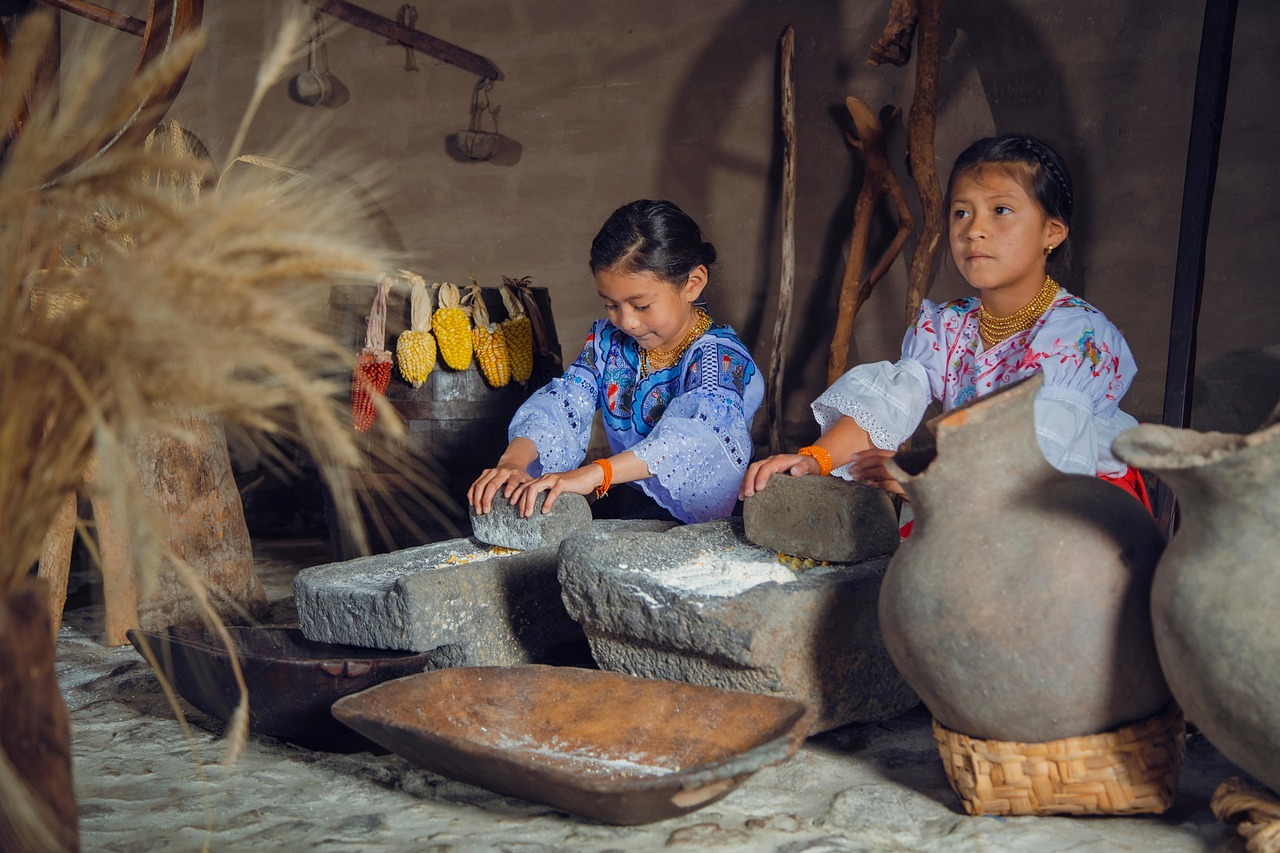
Multicultural Education is a field of study and practice that seeks to transform schools into inclusive spaces where learners from diverse cultural backgrounds can succeed academically and socially. It is not merely about adding “exotic” content to the curriculum; it is a comprehensive approach that re‑examines policies, teaching methods, classroom interactions, and assessment practices. For example, a teacher who integrates stories from Indigenous peoples alongside mainstream texts demonstrates a commitment to culturally responsive pedagogy. The challenges include resistance from stakeholders who view such changes as “lowering standards” and the difficulty of providing adequate professional development for teachers.
Cultural Identity refers to the sense of belonging to a particular cultural group and the meanings attached to that belonging. It is shaped by language, traditions, values, and shared histories. A student of Mexican heritage who celebrates Día de los Muertos at home may experience a strong cultural identity that influences his self‑esteem and learning motivations. However, when school environments devalue or ignore these cultural markers, learners may experience identity conflict, leading to disengagement or reduced academic achievement.
Acculturation describes the process by which individuals adopt the cultural traits of a dominant society while retaining aspects of their original culture. In a classroom, a newcomer from a refugee background may learn English norms of interaction while preserving traditional family customs. Teachers can support healthy acculturation by providing language support and acknowledging the value of students’ home cultures. A common challenge is the pressure on students to “fit in” quickly, which can cause stress and loss of cultural heritage.
Assimilation is a more extreme form of cultural change in which individuals fully adopt the dominant culture’s norms, often at the expense of their original cultural identity. Historical policies such as the United States’ boarding schools for Native American children aimed at forced assimilation, erasing languages and customs. Modern educators must be vigilant to avoid practices that implicitly encourage assimilation, such as penalizing non‑standard dialects or discouraging cultural expressions.
Cultural Competence is the ability to interact effectively with people from different cultural backgrounds. It involves knowledge, attitudes, and skills that enable educators to recognize cultural influences on learning and behavior. For instance, a teacher who understands the collectivist orientation of many Asian cultures may design group projects that leverage communal strengths rather than emphasizing competition. Developing cultural competence often requires reflective practice, mentorship, and ongoing learning, and educators may encounter personal biases that impede growth.
Cultural Capital refers to the non‑financial assets that promote social mobility, such as language proficiency, educational credentials, and familiarity with dominant cultural codes. Students from families with high cultural capital often navigate school expectations more easily. An example is a child whose parents regularly attend museum exhibitions and thus possess a richer “museum vocabulary” that aids in art history classes. Teachers can mitigate disparities by explicitly teaching cultural references and providing scaffolds that democratize access to cultural capital.
Hidden Curriculum encompasses the unwritten, unofficial, and often unintended lessons, values, and perspectives that students learn in school. These can reinforce social hierarchies and cultural biases. For example, the expectation that students sit quietly while the teacher lectures may privilege cultures that value oral participation. Recognizing the hidden curriculum allows educators to redesign classroom norms to be more inclusive, but it requires critical self‑examination and institutional support.
Stereotype Threat occurs when individuals fear confirming negative stereotypes about their social group, which can impair performance. A classic case involves Black students performing worse on standardized tests when reminded of their race. Teachers can reduce stereotype threat by affirming students’ abilities, using diverse role models, and framing assessments as learning opportunities. Yet, the subtlety of stereotype threat makes it difficult to detect without careful observation and data analysis.
Culturally Responsive Pedagogy is an instructional approach that uses students’ cultural references as a conduit for learning. It involves integrating cultural content, employing teaching methods aligned with cultural learning styles, and fostering a supportive environment. For instance, using storytelling—a central practice in many Indigenous cultures—to teach scientific concepts can enhance engagement. Implementing this pedagogy demands curriculum redesign, teacher training, and community partnership, all of which may be constrained by limited resources.
Inclusive Curriculum ensures that the knowledge, perspectives, and contributions of diverse cultural groups are represented throughout the learning material. An inclusive history curriculum might include the contributions of women, LGBTQ+ activists, and immigrants alongside traditional narratives. The practical application involves revising textbooks, selecting supplementary resources, and collaborating with cultural experts. Resistance may arise from standardized testing requirements that lag behind curricular reforms.
Intersectionality is the analytical framework that examines how overlapping social identities—such as race, gender, class, and sexuality—interact to produce unique experiences of oppression or privilege. A Latina student who is also a first‑generation college aspirant may face distinct challenges that differ from those of a white female peer. Educators applying intersectionality must adopt flexible support strategies, recognizing the multiplicity of student identities. The complexity of intersecting identities can strain data collection and individualized interventions.
Hegemony refers to the dominance of one cultural group’s values, norms, and worldview over others, often maintained through institutions like schools. In many societies, Western epistemologies are treated as universal, marginalizing alternative ways of knowing. Critical educators challenge hegemony by foregrounding marginalized knowledge systems. However, confronting entrenched hegemonic structures can provoke institutional pushback and require strong advocacy.
Socialization is the process by which individuals internalize the norms, values, and behaviors of their society. Schools serve as powerful agents of socialization, shaping attitudes toward authority, gender roles, and cultural expectations. A classroom that consistently rewards punctuality may reinforce a cultural norm that values time‑discipline, which could conflict with cultures that adopt a more fluid perception of time. Educators must balance the need for schoolwide norms with respect for cultural diversity.
Ethnocentrism is the tendency to view one’s own culture as the standard against which others are judged. Teachers who assume that all students will respond to the same instructional style may inadvertently practice ethnocentrism. An example is expecting all students to be comfortable with direct eye contact, which may be uncomfortable for some cultures. Overcoming ethnocentrism involves cultivating cultural humility and seeking input from families and community members.
Cultural Relativism is the principle of evaluating cultural practices within their own context rather than through the lens of another culture’s standards. In educational settings, this mindset encourages teachers to appreciate the logic behind diverse customs. For instance, understanding that some cultures prioritize collective decision‑making can inform how teachers structure classroom discussions. While cultural relativism promotes empathy, it must be balanced with universal human rights considerations when practices conflict with student welfare.
Diaspora denotes the dispersion of a population from its original homeland, creating transnational communities that maintain cultural ties across borders. Students from diaspora communities often navigate dual identities—maintaining heritage culture while adapting to the host society. A Somali‑American student may speak Somali at home and English at school, influencing language development and cultural self‑concept. Educators can support diaspora learners by incorporating diaspora narratives into curricula, helping them see their experiences as assets rather than obstacles.
Bilingual Education involves instructional programs that use two languages for teaching and learning. It can take forms such as dual‑language immersion, where instruction is split evenly between languages, or transitional bilingual programs aimed at moving students to English proficiency. Research shows that well‑implemented bilingual education enhances cognitive flexibility and academic outcomes. Challenges include securing qualified bilingual teachers, developing appropriate assessment tools, and addressing misconceptions that bilingualism hinders English acquisition.
Language Immersion is a specific type of bilingual education where learners are “immersed” in a second language for a substantial portion of the school day. For example, a French immersion program may conduct science and mathematics lessons entirely in French. Immersion promotes rapid language acquisition and cultural appreciation. However, educators must monitor content mastery to ensure that language barriers do not impede subject‑matter understanding.
Translanguaging is the dynamic process by which bilingual individuals draw on their entire linguistic repertoire to make meaning. In classrooms, students might write a paragraph that mixes English and Spanish to express complex ideas. Teachers can harness translanguaging as a pedagogical tool, allowing students to leverage their full linguistic resources rather than forcing a strict separation of languages. Implementing translanguaging requires flexible assessment policies and teacher comfort with fluid language use.
Cultural Pluralism is the coexistence of distinct cultural groups within a society, each maintaining its unique traditions while participating in shared civic life. Schools that embrace cultural pluralism celebrate holidays from multiple cultures, encourage student cultural clubs, and design curricula that reflect societal diversity. The practical benefit is fostering mutual respect and reducing prejudice. Yet, achieving genuine pluralism may be hindered by budget constraints and limited community partnerships.
Critical Pedagogy is an educational philosophy that encourages learners to question and challenge dominant power structures, fostering social transformation. Teachers employing critical pedagogy might facilitate discussions about systemic racism, colonial histories, or gender inequities, prompting students to become active agents of change. The approach empowers marginalized voices but can be controversial in contexts where political neutrality is emphasized, requiring careful navigation of institutional policies.
Anti‑Bias Education seeks to develop students’ abilities to recognize and confront prejudice, discrimination, and stereotypes. It includes activities such as bias‑awareness workshops, role‑playing scenarios, and reflective journaling. By confronting bias early, schools can cultivate inclusive attitudes that persist into adulthood. Effective anti‑bias programs require consistent reinforcement and staff training; otherwise, isolated lessons may have limited impact.
Cultural Humility is an ongoing process of self‑reflection and self‑critique that acknowledges the limitations of one’s cultural knowledge. Unlike cultural competence, which can imply mastery, humility emphasizes lifelong learning and partnership with cultural communities. A teacher practicing cultural humility might regularly seek feedback from families about the relevance of classroom content. Implementing humility can be challenging in rigid assessment‑driven environments that prioritize measurable outcomes over relational growth.
Identity Development models explain how individuals construct and evolve their sense of self over time. Erikson’s stages, Marcia’s identity statuses, and Phinney’s ethnic identity development model are frequently referenced in multicultural education. For instance, a high‑school student in the “identity achievement” stage has explored and committed to a cultural identity, which can correlate with higher academic motivation. Teachers can support identity development by providing safe spaces for exploration, yet must avoid imposing fixed identity categories.
Social Identity Theory posits that individuals derive part of their self‑esteem from group memberships, influencing intergroup attitudes and behaviors. In schools, this theory explains why students may form cliques based on ethnicity or language. By creating cooperative learning structures that mix groups, educators can reduce “in‑group” bias and promote cross‑cultural friendships. However, forced mixing without attention to power dynamics may reinforce marginalization if not thoughtfully facilitated.
Self‑Concept is the overall perception a learner has of their abilities, characteristics, and worth. Cultural experiences strongly shape self‑concept; for example, positive affirmation of cultural heritage can enhance academic self‑efficacy. Teachers can nurture a healthy self‑concept by highlighting diverse role models and celebrating cultural achievements. Conversely, repeated exposure to negative stereotypes can erode self‑concept, leading to disengagement.
Cultural Narratives are the stories that societies tell about themselves, often reflecting dominant values and histories. In education, curricula frequently perpetuate narratives that marginalize minority contributions. By integrating alternative cultural narratives—such as the migration stories of Caribbean families—teachers broaden historical understanding and validate students’ lived experiences. The challenge lies in sourcing authentic narratives and aligning them with curriculum standards.
Heritage Language denotes the language spoken by a family or community that is passed down through generations. Maintaining a heritage language supports cultural continuity and cognitive development. Programs that offer weekend heritage language classes, such as Mandarin heritage schools, help families preserve linguistic ties. Schools can support heritage language by allowing bilingual books in libraries and encouraging students to share stories in their home language. A common obstacle is the lack of institutional recognition of heritage languages as valuable assets.
Language Maintenance refers to the continued use and transmission of a language across generations. In diaspora contexts, language maintenance can be threatened by assimilation pressures. Schools can act as “language sanctuaries” by providing resources, community events, and teacher expertise that sustain language use. However, policy constraints that prioritize English proficiency may limit the time allocated to language maintenance activities.
Code‑Switching is the practice of alternating between two or more languages or language varieties within a conversation. Students may code‑switch to convey nuanced meaning or to align with peers. Teachers can view code‑switching as a linguistic resource rather than a deficit, integrating it into classroom discourse. Yet, standardized testing environments often penalize code‑switching, creating tension between authentic communication and assessment expectations.
Cultural Brokering involves individuals who act as intermediaries between cultural groups, facilitating understanding and negotiation. In schools, parent liaisons who speak both the dominant language and the language of immigrant families serve as cultural brokers. They help translate school policies, mediate conflicts, and advocate for student needs. Effective cultural brokering requires trust, cultural knowledge, and institutional support; otherwise, brokers may become overburdened or underutilized.
Cultural Reproduction is the process by which existing cultural norms and power structures are perpetuated across generations, often through education. Bourdieu argued that schools reproduce social hierarchies by valuing the cultural capital of dominant groups. Recognizing cultural reproduction enables educators to disrupt cycles of inequality by redesigning assessment, diversifying curricula, and promoting equitable participation. The difficulty lies in confronting deeply embedded practices that appear neutral.
Cultural Adaptation describes how individuals adjust their behaviors, attitudes, and identities in response to a new cultural environment. Students who relocate internationally often undergo cultural adaptation, which can affect academic performance. Teachers can support adaptation by providing orientation sessions, peer mentors, and culturally relevant instructional materials. However, rapid adaptation expectations can place undue pressure on learners, leading to stress and cultural loss.
Cultural Resilience is the capacity of individuals and communities to thrive despite adversity, drawing strength from cultural resources. Communities that maintain strong traditions, communal support networks, and collective narratives often exhibit higher resilience. In education, fostering cultural resilience might involve celebrating cultural festivals, encouraging storytelling, and integrating community elders into classroom activities. While resilience is a positive concept, overemphasizing it may mask systemic inequities that require structural change.
Microaggression denotes subtle, often unintentional, expressions of prejudice that convey derogatory or hostile messages to marginalized groups. Examples include comments like “You speak English so well” to a non‑native speaker, implying surprise at competence. Teachers must develop awareness of microaggressions, model respectful language, and intervene when such remarks occur. Addressing microaggressions can be challenging because they are frequently dismissed as “harmless jokes,” requiring a cultural shift in perception.
Macroaggression involves overt, systemic actions or policies that discriminate against particular cultural groups, such as segregationist zoning laws or exclusionary school discipline practices. An example is a disciplinary policy that disproportionately suspends students of a certain ethnicity. Combating macroaggression requires policy analysis, data transparency, and advocacy for reform. Institutional inertia and political resistance often hinder swift change.
Cultural Safety is an approach that ensures environments are free from discrimination and that cultural identities are respected and protected. Originating in healthcare, the concept has been adapted for education to create spaces where students feel secure expressing their cultural selves. Practices include co‑creating classroom norms with students, providing culturally relevant resources, and actively challenging bias. Implementing cultural safety may clash with existing school cultures that prioritize uniformity over diversity.
Multicultural Curriculum integrates multiple cultural perspectives into learning objectives, content, and assessment. It moves beyond tokenism by embedding cultural relevance throughout subjects. For instance, a mathematics lesson might explore geometric patterns found in African textile designs, linking cultural art to mathematical concepts. Designing a multicultural curriculum demands collaboration with cultural experts, curriculum mapping, and alignment with standards, which can be resource‑intensive.
Multicultural Pedagogy encompasses teaching strategies that recognize and leverage cultural diversity to enhance learning. Techniques include collaborative learning groups that reflect cultural strengths, storytelling, and culturally anchored examples. A teacher might use community mapping projects to connect students’ neighborhoods with geographic concepts. The efficacy of multicultural pedagogy is supported by research showing improved engagement and achievement among diverse learners. However, teachers may struggle to balance cultural specificity with curricular breadth.
Cultural Diversity denotes the variety of cultural expressions, languages, traditions, and worldviews present within a community or society. In schools, cultural diversity is reflected in the student body, staff, and families. Embracing diversity involves acknowledging differences, fostering inclusive practices, and creating opportunities for cross‑cultural interaction. While diversity enriches learning, it also introduces complexities in communication, expectations, and conflict resolution that require deliberate management.
Cultural Proficiency is a developmental model that outlines stages through which individuals and institutions can become more effective in dealing with cultural differences. The model moves from cultural destructiveness to cultural proficiency, where cultural differences are celebrated and leveraged. Schools aiming for cultural proficiency conduct self‑assessments, develop strategic plans, and embed cultural considerations into policies. Transitioning through the stages can be slow, as it demands deep institutional commitment and ongoing evaluation.
Cultural Awareness is the basic level of understanding that acknowledges the existence of cultural differences. It involves recognizing that one’s own cultural perspective is not universal. Teachers who develop cultural awareness may begin to notice differences in communication styles, familial expectations, and learning preferences. Awareness alone, however, is insufficient for transformation; it must be coupled with deeper skills such as cultural competence and humility.
Cultural Sensitivity extends awareness by incorporating respect and appropriate behavior toward cultural differences. It includes adapting communication to avoid offense, such as using culturally appropriate greetings. In practice, a culturally sensitive teacher may adjust classroom seating arrangements to honor cultural norms of personal space. Sensitivity can be critiqued for being superficial if not accompanied by structural changes that address power imbalances.
Cultural Equity focuses on fairness in access, participation, and outcomes for all cultural groups. It demands that resources, opportunities, and support be distributed in a way that rectifies historic disadvantages. For example, allocating additional tutoring resources to English language learners reflects an equity approach. Measuring cultural equity involves disaggregating data by race, ethnicity, language, and socioeconomic status, which can reveal hidden achievement gaps.
Cultural Justice is a broader societal aim that seeks to dismantle systemic oppression and ensure that cultural groups have equal rights, representation, and opportunities. In education, cultural justice may involve revising curricula to include oppressed histories, advocating for policy changes that protect minority languages, and supporting community‑driven school governance. Pursuing cultural justice can be politically contentious, requiring alliances across community, academic, and policy sectors.
Cultural Policy comprises the set of rules, regulations, and guidelines that shape how cultural matters are addressed within institutions. School districts may adopt cultural policies that mandate inclusive hiring practices, language access services, and anti‑bias training. Effective cultural policies are evidence‑based, transparent, and enforceable. Drafting such policies often encounters bureaucratic hurdles and competing priorities.
Cultural Rights refer to the entitlements of individuals and groups to preserve, develop, and express their cultural identity. International instruments such as the UNESCO Convention on Cultural Diversity affirm these rights. In schools, respecting cultural rights might involve allowing students to wear cultural attire, observe religious holidays, or use their heritage language in assignments. Balancing cultural rights with secular school mandates can be a delicate legal and ethical task.
Multicultural Competence combines knowledge, attitudes, and skills that enable individuals to interact effectively across cultures. It is measured through self‑assessment tools, observation, and performance in culturally diverse settings. For educators, competence includes designing inclusive lessons, managing culturally diverse classrooms, and engaging families from varied backgrounds. Developing competence is a continuous process that benefits from mentorship, reflective practice, and community immersion.
Cultural Literacy is the ability to understand and use cultural references, symbols, and practices common within a society. It includes knowledge of historical events, artistic expressions, and social norms. Students with high cultural literacy can navigate social interactions more adeptly. Teachers can promote cultural literacy by integrating media analysis, museum visits, and cross‑cultural discussions into curricula. However, the term risks being interpreted as a prescriptive standard, potentially marginalizing non‑dominant cultural knowledge.
Cultural Sustainability emphasizes preserving cultural practices, languages, and knowledge for future generations while adapting to changing contexts. Schools contribute to sustainability by documenting oral histories, supporting community cultural festivals, and integrating traditional ecological knowledge into science curricula. The challenge lies in balancing preservation with innovation, ensuring that cultural practices remain vibrant rather than fossilized.
Cross‑Cultural Communication involves exchanging information and meaning across cultural boundaries. Effective cross‑cultural communication requires awareness of non‑verbal cues, contextual meanings, and differing communication styles. In a classroom, a teacher may need to interpret silence from students whose cultures view quietness as a sign of respect. Training in cross‑cultural communication can reduce misunderstandings, yet it demands ongoing practice and feedback.
Intercultural Competence expands on cross‑cultural communication by incorporating the ability to negotiate meaning, adapt behavior, and build relationships across cultures. It is essential for collaborative projects that involve diverse student groups. For instance, a group‑based science fair may require students to negotiate roles while respecting each member’s cultural communication preferences. Developing intercultural competence is a long‑term process that benefits from experiential learning, such as exchange programs.
Cultural Pedagogy refers to teaching methods that are grounded in the cultural contexts of learners. It aligns instructional strategies with cultural learning styles, values, and epistemologies. An example is using communal storytelling circles in classrooms with Indigenous students, mirroring traditional knowledge transmission. Cultural pedagogy can increase relevance and motivation, yet teachers must avoid essentializing cultures, recognizing intra‑cultural diversity.
Cultural Awareness Training is a structured program designed to increase participants’ knowledge of cultural differences and reduce bias. Programs often include workshops on bias, case studies, and role‑play. While such training raises consciousness, research indicates that single‑session workshops may have limited lasting impact. Sustained professional development, coaching, and reflective practice are needed for deeper change.
Cultural Diversity Management involves strategic planning to harness the benefits of diversity while mitigating challenges. In schools, this may include establishing diversity committees, developing inclusive hiring practices, and creating multicultural events calendars. Effective management requires leadership commitment, clear policies, and measurable goals. Resistance can arise from staff who view diversity initiatives as peripheral to core academic missions.
Cultural Adaptability is the capacity to adjust one’s behavior and thinking in response to new cultural contexts. Students who move between schools in different countries often develop high cultural adaptability, which can support academic resilience. Teachers can foster adaptability by exposing students to varied cultural perspectives, encouraging flexible problem‑solving, and modeling openness to new ideas. However, overemphasis on adaptability may overlook the need for systemic support for students facing cultural transitions.
Cultural Integration denotes the process through which individuals or groups incorporate aspects of a host culture while retaining elements of their original culture. In education, cultural integration can be observed when immigrant students adopt school norms yet continue to celebrate cultural festivals at home. Schools can support integration by providing platforms for cultural sharing, such as multicultural fairs, while maintaining academic rigor. The balance between integration and assimilation is delicate, requiring sensitivity to student agency.
Cultural Segregation occurs when cultural groups are isolated from one another within institutions, leading to unequal access to resources and opportunities. In schools, tracking systems that disproportionately place minority students in lower‑level classes can create de facto segregation. Addressing segregation involves reviewing placement criteria, promoting mixed‑ability grouping, and ensuring equitable resource distribution. Systemic inertia and entrenched biases often make reform challenging.
Cultural Inclusion is the practice of ensuring that all cultural groups feel welcomed, valued, and able to fully participate. It goes beyond tolerance to active celebration of differences. Practical steps include displaying multilingual signage, incorporating cultural holidays into school calendars, and inviting community elders to speak. Inclusion can improve school climate and reduce achievement gaps, but it requires continuous effort and monitoring to avoid tokenistic gestures.
Cultural Responsiveness is the ability to recognize, respect, and adapt to cultural differences in teaching and learning. It involves modifying instructional methods, materials, and assessments to align with students’ cultural contexts. For example, using culturally relevant metaphors in math problems can make abstract concepts more relatable. Responsiveness demands ongoing teacher reflection and professional development, as cultural dynamics evolve over time.
Cultural Sensitization is the process of increasing awareness and appreciation for cultural differences, often through experiential learning. Activities such as cultural immersion days, where students experience a day in the life of a peer from a different background, can foster empathy. While sensitization can spark interest, it must be paired with substantive curriculum changes to achieve lasting impact.
Cultural Awareness (reiterated for emphasis) serves as the foundational step before deeper engagement. It is the starting point for any multicultural initiative, ensuring that educators recognize the existence of cultural variance. Without this baseline, subsequent efforts may be misdirected or superficial. Building awareness can involve simple practices like reflective journals or staff discussions about cultural experiences.
Cultural Identity Development Models provide frameworks for understanding how individuals negotiate and affirm their cultural selves. Phinney’s model, for instance, outlines stages of unexamined ethnic identity, exploration, and achieved identity. Teachers can use these models to design interventions that support students at different stages, such as providing opportunities for cultural exploration during middle school. However, applying models requires sensitivity to individual variation and avoidance of labeling.
Multilingualism is the ability to use multiple languages, a skill increasingly valued in global economies. Schools that promote multilingualism through dual‑language programs not only enhance linguistic proficiency but also foster cognitive benefits such as improved executive function. Challenges include aligning multilingual instruction with standardized testing and ensuring equitable access to language resources.
Ethnolinguistic Vitality measures the strength of a language community, considering factors like population size, institutional support, and status. In education, high ethnolinguistic vitality can be leveraged to sustain heritage language programs, while low vitality may signal the need for preservation efforts. Teachers can assess vitality by consulting community members and reviewing language use trends. Interventions may involve community partnerships and curriculum integration.
Critical Race Theory (CRT) is an analytical framework that examines how race and racism intersect with law, policy, and social structures. In education, CRT informs critiques of how curricula, disciplinary policies, and assessment practices perpetuate racial inequities. Teachers applying CRT may analyze textbooks for racial bias, advocate for policy reform, and empower students to speak about their experiences. CRT can be politically contentious, requiring careful navigation of community attitudes and administrative support.
Decolonial Pedagogy seeks to dismantle the lingering effects of colonialism in education by foregrounding Indigenous knowledge systems, languages, and worldviews. It challenges Eurocentric curricula and promotes epistemic justice. Practical actions include co‑creating curricula with Indigenous communities, incorporating land‑based learning, and using Indigenous languages in instruction. Institutional resistance and lack of resources often impede decolonial initiatives.
Social Justice Education integrates principles of fairness, equity, and human rights into teaching and learning. It encourages students to examine social problems, develop critical consciousness, and take action. Projects such as community‑based research on local environmental justice issues exemplify this approach. While impactful, social justice education may face pushback from stakeholders who view it as politicizing education.
Pedagogical Content Knowledge (PCK) refers to the blend of content expertise and pedagogical skill that teachers use to convey subject matter effectively. When infused with cultural considerations, PCK becomes a tool for delivering content in ways that resonate with students’ cultural backgrounds. For example, a math teacher might use culturally relevant contexts—like market trading practices—to illustrate fractions. Developing culturally infused PCK requires reflective practice and collaboration with cultural experts.
Student‑Centered Learning places learners’ interests, abilities, and cultural backgrounds at the heart of instruction. Techniques include project‑based learning, inquiry cycles, and differentiated instruction. By valuing students’ cultural experiences as resources, teachers create more meaningful learning experiences. However, scaling student‑centered approaches can be difficult in large, heterogeneous classrooms without adequate support structures.
Teacher‑Student Cultural Congruence occurs when teachers share cultural backgrounds or have a deep understanding of students’ cultures, fostering trust and rapport. Studies show that cultural congruence can improve academic outcomes and reduce disciplinary incidents. Recruiting and retaining culturally diverse teachers is a strategic priority, yet systemic barriers such as certification requirements and limited pipelines often hinder progress.
Implicit Bias refers to unconscious attitudes or stereotypes that affect understanding, actions, and decisions. In the classroom, implicit bias may influence grading, discipline, and expectations. Tools such as the Implicit Association Test help educators become aware of hidden biases. Addressing implicit bias requires ongoing self‑reflection, peer feedback, and institutional accountability mechanisms.
Equity‑Based Assessment designs evaluation methods that account for cultural and linguistic diversity, aiming to provide fair measures of student learning. Alternatives to traditional multiple‑choice tests include performance tasks, portfolios, and oral presentations that allow students to demonstrate knowledge in culturally resonant ways. Implementing equity‑based assessment can encounter logistical challenges, such as aligning with state accountability standards.
Community‑Based Learning connects academic content with community contexts, often leveraging local cultural resources. Projects that involve students collaborating with cultural organizations to document oral histories blend curriculum objectives with community service. Benefits include increased relevance and civic engagement, while challenges involve coordinating schedules, ensuring safety, and aligning with curricular goals.
Collaborative Learning encourages students to work together, sharing diverse perspectives to solve problems. When structured to value cultural differences, collaborative learning can reduce stereotypes and promote intercultural understanding. Teachers must design groups thoughtfully, monitor dynamics, and intervene when power imbalances emerge. Without careful facilitation, dominant cultural narratives may still dominate group discourse.
Differentiated Instruction tailors teaching methods, materials, and assessments to meet diverse learner needs. Cultural differentiation involves adapting content to reflect students’ cultural backgrounds, such as using culturally relevant texts in reading instruction. While differentiation improves accessibility, it demands significant teacher planning time and knowledge of students’ cultural contexts.
Reflective Practice is the systematic process of examining one’s teaching experiences to improve future performance. In multicultural settings, reflective practice includes analyzing how cultural assumptions influence lesson design and student interaction. Journaling, peer observation, and feedback loops facilitate reflection. The difficulty lies in allocating time for reflection amidst demanding teaching schedules.
Professional Development programs focused on multicultural competence equip educators with the knowledge and skills to address cultural diversity. Effective programs blend theory with practical strategies, provide ongoing support, and involve community stakeholders. However, one‑off workshops often fail to produce lasting change, emphasizing the need for sustained, embedded professional learning pathways.
Mentoring connects novice teachers with experienced mentors who can model culturally responsive practices. Mentors can guide lesson planning, classroom management, and community engagement with cultural sensitivity. Successful mentoring relationships improve teacher retention and efficacy, yet require institutional commitment and adequate mentor preparation.
School Climate encompasses the overall atmosphere, relationships, and norms within a school. A positive climate that respects cultural diversity fosters student well‑being and academic achievement. Indicators include student sense of belonging, staff cultural competence, and inclusive policies. Improving school climate may involve climate surveys, cultural events, and leadership modeling inclusive behavior.
Family Engagement involves partnering with families to support student learning. Culturally responsive family engagement respects linguistic preferences, cultural practices, and scheduling constraints. Strategies include multilingual communication, home‑based learning activities that incorporate cultural traditions, and flexible meeting times. Barriers such as mistrust of institutions, language gaps, and differing educational expectations must be addressed.
Community Partnerships leverage local cultural organizations, faith groups, and businesses to enrich educational experiences. Partnerships can provide resources, expertise, and authentic cultural experiences. For example, collaboration with a local museum can bring cultural artifacts into the classroom. Sustaining partnerships requires clear communication, mutual benefit, and shared responsibility.
Policy Advocacy empowers educators to influence legislation and district policies that affect cultural equity. Teachers can join professional associations, provide testimony, and draft policy briefs that promote inclusive curricula and equitable funding. Advocacy can be time‑intensive and may encounter political resistance, yet it is a critical avenue for systemic change.
Data‑Driven Decision Making utilizes disaggregated student data to identify achievement gaps and inform interventions. Analyzing performance by race, language, and socioeconomic status reveals patterns that guide resource allocation. However, data alone do not explain underlying cultural factors; qualitative insights from students and families are essential to contextualize findings.
Equitable Funding addresses disparities in resources allocated to schools serving diverse populations. Funding formulas that consider poverty rates, language needs, and cultural programming can reduce inequities. Advocacy for equitable funding often contends with budget constraints and political priorities, requiring strategic coalition building.
Curriculum Audits systematically review instructional materials for cultural representation, bias, and relevance. Audits involve checking for diverse authors, inclusive imagery, and balanced perspectives. Findings inform revisions, resource purchases, and professional development. Conducting thorough audits demands expertise and time, and may reveal uncomfortable truths about existing curricula.
Student Voice emphasizes the importance of allowing learners to express their perspectives, experiences, and aspirations. Platforms such as student advisory councils, cultural clubs, and classroom discussions amplify diverse voices. When student voice informs school policies, it promotes ownership and relevance. Yet, ensuring that all cultural groups are heard requires intentional outreach and supportive structures.
Teacher Identity reflects educators’ self‑conceptions, shaped by personal, cultural, and professional experiences. Teachers who develop an identity as culturally responsive educators are more likely to implement inclusive practices. Reflective activities, mentorship, and exposure to diverse classrooms can shape teacher identity. Resistance may arise when teachers feel their professional identity conflicts with cultural expectations.
Pedagogical Innovation incorporates new methods, technologies, and approaches to enhance learning. In multicultural contexts, innovations such as digital storytelling platforms allow students to share cultural narratives creatively. Technology can bridge language gaps through translation tools, yet digital divides and limited access may exacerbate inequities.
Assessment Literacy is the understanding of assessment purposes, design, and interpretation. Teachers with strong assessment literacy can create culturally fair evaluations and use results to inform instruction. Professional development that links assessment literacy to cultural equity helps teachers avoid culturally biased testing practices. Implementing these practices requires administrative support and time for data analysis.
Learning Analytics utilizes data from digital platforms to monitor student progress and identify patterns. When combined with cultural data, analytics can reveal how different cultural groups engage with online resources. Ethical considerations include privacy, data ownership, and potential misuse of cultural data. Transparent policies and community consent are essential.
Restorative Practices focus on repairing harm and rebuilding relationships rather than punitive discipline. Incorporating cultural traditions of conflict resolution, such as talking circles, can make restorative practices more resonant for diverse students. These practices can reduce suspensions and improve school climate, but require staff training and consistent implementation.
School Governance structures decision‑making processes at the district and school level. Inclusive governance involves representation from diverse cultural groups on boards, committees, and leadership teams. Participatory governance ensures that policies reflect community values and needs. Achieving balanced representation may be hindered by systemic barriers and limited outreach.
Teacher Collaboration encourages educators to work together to design culturally responsive lessons, share resources, and support each other’s growth. Collaborative planning time, professional learning communities, and shared digital workspaces facilitate this.
Key takeaways
- Multicultural Education is a field of study and practice that seeks to transform schools into inclusive spaces where learners from diverse cultural backgrounds can succeed academically and socially.
- However, when school environments devalue or ignore these cultural markers, learners may experience identity conflict, leading to disengagement or reduced academic achievement.
- Acculturation describes the process by which individuals adopt the cultural traits of a dominant society while retaining aspects of their original culture.
- Assimilation is a more extreme form of cultural change in which individuals fully adopt the dominant culture’s norms, often at the expense of their original cultural identity.
- For instance, a teacher who understands the collectivist orientation of many Asian cultures may design group projects that leverage communal strengths rather than emphasizing competition.
- Cultural Capital refers to the non‑financial assets that promote social mobility, such as language proficiency, educational credentials, and familiarity with dominant cultural codes.
- Recognizing the hidden curriculum allows educators to redesign classroom norms to be more inclusive, but it requires critical self‑examination and institutional support.