
Cultural Diversity And Education
Cultural diversity refers to the presence of different cultures, religions, languages, and traditions within a given society or community. In the context of education, cultural diversity is a crucial aspect to consider, as it can significan…
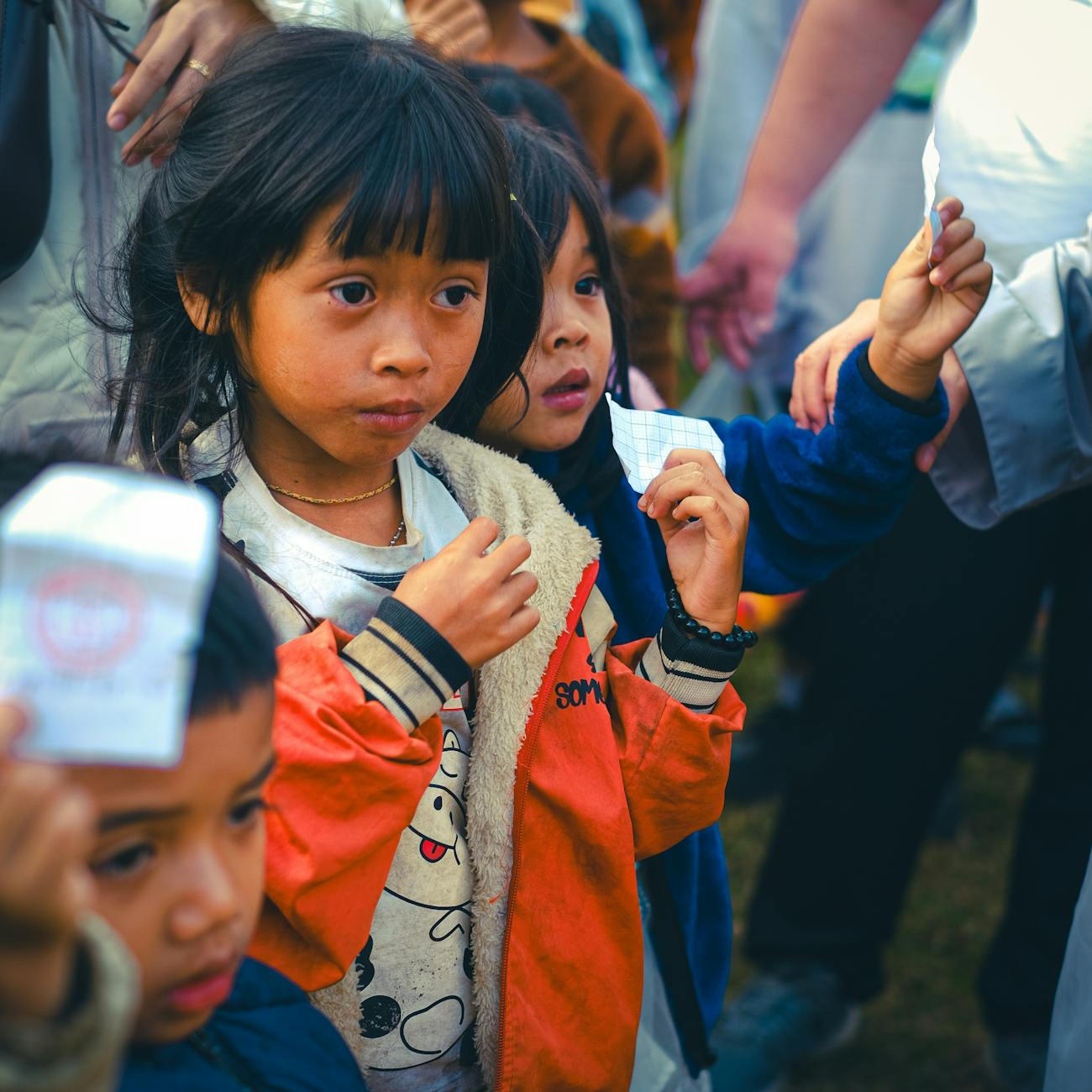
Cultural diversity refers to the presence of different cultures, religions, languages, and traditions within a given society or community. In the context of education, cultural diversity is a crucial aspect to consider, as it can significantly impact the learning experience and outcomes of students from diverse backgrounds. Cultural competence is essential for educators to understand and appreciate the differences among their students, and to create an inclusive learning environment that caters to the needs of all students.
One of the key terms in multicultural education is acculturation, which refers to the process of adapting to a new culture, while still maintaining one's original cultural identity. This can be a challenging experience for students who are new to a country or community, and educators can play a significant role in supporting them through this process. For example, educators can provide cultural orientation programs, language support, and counseling services to help students adjust to their new environment.
Another important concept in multicultural education is assimilation, which refers to the process of abandoning one's original cultural identity and adopting the dominant culture of the society. This can be a problematic approach, as it can lead to the loss of cultural heritage and identity. Educators should strive to promote cultural diversity and inclusion, rather than assimilation, by recognizing and valuing the unique cultural backgrounds and experiences of their students.
Diversity is a broad term that encompasses not only cultural differences but also other forms of diversity, such as racial, ethnic, linguistic, ability, and socio-economic diversity. Educators should be aware of these different forms of diversity and strive to create an inclusive learning environment that caters to the needs of all students. For example, educators can use inclusive language and materials, provide accommodations for students with disabilities, and address issues of racism and discrimination in the classroom.
Cultural sensitivity is critical in multicultural education, as it allows educators to understand and appreciate the cultural differences among their students. This can involve being aware of cultural norms, values, and practices, and avoiding stereotypes and biases that can perpetuate discrimination and inequality. For instance, educators should be aware of cultural differences in communication styles, learning preferences, and family values, and adapt their teaching practices accordingly.
Equity is another key concept in multicultural education, as it refers to the principle of fairness and justice in education. Educators should strive to provide equal opportunities and resources to all students, regardless of their cultural background, race, or socio-economic status. This can involve addressing issues of inequality and discrimination in the classroom, providing support services for students who are disadvantaged, and promoting critical thinking and media literacy to help students navigate the complexities of a diverse society.
In multicultural education, language plays a critical role, as it is a key aspect of cultural identity and expression. Educators should recognize the importance of language diversity and provide support services for students who are non-native speakers of the dominant language. This can involve providing language classes, bilingual education programs, and interpretation services to help students access the curriculum and participate fully in the learning process.
Racism and discrimination are significant challenges in multicultural education, as they can create barriers to learning and perpetuate inequality and exclusion. Educators should be aware of these issues and take steps to address them, such as promoting cultural awareness and understanding, addressing stereotypes and biases, and providing support services for students who are affected by racism and discrimination.
Socio-economic status is another important factor to consider in multicultural education, as it can impact access to education and learning outcomes. Educators should be aware of the socio-economic backgrounds of their students and provide support services to help students from disadvantaged backgrounds access the curriculum and participate fully in the learning process. For example, educators can provide financial assistance, counseling services, and mentoring programs to help students overcome the barriers to learning that are associated with poverty and disadvantage.
Power dynamics are also significant in multicultural education, as they can impact the learning experience and outcomes of students from diverse backgrounds. Educators should be aware of the power dynamics that exist in the classroom and strive to create an inclusive learning environment that empowers all students to participate and learn. For instance, educators can use participatory teaching methods, provide choices and autonomy to students, and address issues of oppression and domination in the classroom.
In addition to these key terms and concepts, multicultural education also requires an understanding of critical pedagogy, which involves critiquing the dominant culture and promoting social justice and equity in education. Educators should be aware of the historical and systemic inequalities that exist in education and strive to address them through their teaching practices. For example, educators can use critical literacy approaches, provide counter-narratives to dominant discourses, and promote activism and advocacy among their students.
Furthermore, multicultural education requires an understanding of intersectionality, which refers to the ways in which different forms of oppression and discrimination intersect and impact the lives of individuals and groups. Educators should be aware of the multiple identities and experiences of their students and strive to create an inclusive learning environment that recognizes and values these differences. For instance, educators can use intersectional approaches to teaching, provide safe spaces for students to share their experiences, and address issues of privilege and oppression in the classroom.
Privilege is another important concept in multicultural education, as it refers to the unearned advantages and benefits that are bestowed upon individuals and groups based on their social status, race, gender, sexuality, and other factors. Educators should be aware of their own privilege and strive to create an inclusive learning environment that recognizes and values the differences among their students. For example, educators can use reflective practices to examine their own biases and assumptions, provide opportunities for students to share their experiences, and address issues of inequality and discrimination in the classroom.
In terms of practical applications, multicultural education can involve a range of strategies and approaches, such as culturally responsive teaching, differentiated instruction, and inclusive curriculum design. Educators can use these strategies to create an inclusive learning environment that recognizes and values the differences among their students. For instance, educators can use culturally responsive teaching methods, such as incorporating cultural artifacts and music into the curriculum, providing choices and autonomy to students, and addressing issues of racism and discrimination in the classroom.
Moreover, multicultural education can involve community engagement and collaboration, as educators work with families, communities, and other stakeholders to create an inclusive learning environment that recognizes and values the differences among their students. For example, educators can establish partnerships with community organizations, provide workshops and training for parents and caregivers, and engage in advocacy efforts to promote equity and social justice in education.
However, multicultural education also poses a range of challenges, such as resistance to change, lack of resources, and conflict among different groups. Educators should be aware of these challenges and strive to address them through their teaching practices. For instance, educators can use strategic planning approaches, provide professional development opportunities for teachers, and engage in dialogue and negotiation with different stakeholders to promote equity and social justice in education.
In addition to these challenges, multicultural education also requires an understanding of policy and legislation that impact education, such as civil rights laws, language policies, and education reform initiatives. Educators should be aware of these policies and laws and strive to create an inclusive learning environment that recognizes and values the differences among their students. For example, educators can use policy analysis approaches, provide training and support for teachers, and engage in advocacy efforts to promote equity and social justice in education.
Furthermore, multicultural education requires an understanding of technology and its impact on education, such as digital divides, online learning platforms, and social media. Educators should be aware of these technologies and strive to create an inclusive learning environment that recognizes and values the differences among their students. For instance, educators can use technology integration approaches, provide access to digital tools and resources, and address issues of cyberbullying and online harassment in the classroom.
Globalization is another important concept in multicultural education, as it refers to the increasing interconnectedness of the world and the impact of global events on local communities. Educators should be aware of these global trends and strive to create an inclusive learning environment that recognizes and values the differences among their students. For example, educators can use global perspectives approaches, provide opportunities for study abroad and cultural exchange, and address issues of immigration and refugee resettlement in the classroom.
In terms of assessment and evaluation, multicultural education requires an understanding of culturally responsive assessment approaches, such as performance tasks, portfolios, and self-assessment. Educators should be aware of these assessment approaches and strive to create an inclusive learning environment that recognizes and values the differences among their students. For instance, educators can use culturally responsive assessment methods, provide feedback and support to students, and address issues of bias and equity in assessment and evaluation.
Teacher education is also critical in multicultural education, as it provides educators with the knowledge, skills, and dispositions necessary to create an inclusive learning environment. Educators should be aware of the importance of teacher education and strive to provide professional development opportunities for teachers, such as workshops, conferences, and mentoring programs.
Moreover, multicultural education requires an understanding of leadership and management, as educators work to create an inclusive learning environment that recognizes and values the differences among their students. Educators should be aware of the importance of leadership and management and strive to provide vision and direction for their schools and communities. For example, educators can use strategic planning approaches, provide coaching and mentoring for teachers, and engage in advocacy efforts to promote equity and social justice in education.
In addition to these concepts and strategies, multicultural education also requires an understanding of research and evaluation methods, such as qualitative and quantitative research approaches. Educators should be aware of these research approaches and strive to create an inclusive learning environment that recognizes and values the differences among their students. For instance, educators can use action research approaches, provide professional development opportunities for teachers, and engage in collaboration with other stakeholders to promote equity and social justice in education.
Furthermore, multicultural education requires an understanding of policy analysis and advocacy strategies, such as lobbying, community organizing, and social movement building. Educators should be aware of these policy analysis and advocacy strategies and strive to create an inclusive learning environment that recognizes and values the differences among their students.
Community engagement is also critical in multicultural education, as it provides educators with the opportunity to work with families, communities, and other stakeholders to create an inclusive learning environment. Educators should be aware of the importance of community engagement and strive to establish partnerships with local organizations, provide workshops and training for parents and caregivers, and engage in advocacy efforts to promote equity and social justice in education.
In terms of challenges and barriers, multicultural education poses a range of obstacles, such as resistance to change, lack of resources, and conflict among different groups. Educators should be aware of these challenges and barriers and strive to address them through their teaching practices.
Moreover, multicultural education requires an understanding of accountability and evaluation methods, such as standards-based assessment and accountability systems. Educators should be aware of these accountability and evaluation methods and strive to create an inclusive learning environment that recognizes and values the differences among their students. For example, educators can use data-driven approaches, provide feedback and support to students, and address issues of bias and equity in assessment and evaluation.
In addition to these concepts and strategies, multicultural education also requires an understanding of technology integration and digital literacy, such as online learning platforms and social media.
Global perspectives are also essential in multicultural education, as they provide educators with the opportunity to explore global issues and cultural differences. Educators should be aware of the importance of global perspectives and strive to provide opportunities for study abroad and cultural exchange, address issues of immigration and refugee resettlement, and engage in advocacy efforts to promote equity and social justice in education.
Furthermore, multicultural education requires an understanding of social justice and activism, such as protest movements and community organizing. Educators should be aware of the importance of social justice and activism and strive to create an inclusive learning environment that recognizes and values the differences among their students. For example, educators can use social justice approaches, provide opportunities for activism and advocacy, and engage in collaboration with other stakeholders to promote equity and social justice in education.
In terms of future directions, multicultural education is likely to continue to evolve and adapt to the changing needs of students and communities. Educators should be aware of these future directions and strive to create an inclusive learning environment that recognizes and values the differences among their students. For instance, educators can use futures thinking approaches, provide professional development opportunities for teachers, and engage in advocacy efforts to promote equity and social justice in education.
Moreover, multicultural education requires an understanding of intersectionality and intersectional approaches, such as critical race theory and feminist theory. Educators should be aware of these intersectional approaches and strive to create an inclusive learning environment that recognizes and values the differences among their students. For example, educators can use intersectional approaches, provide opportunities for activism and advocacy, and engage in collaboration with other stakeholders to promote equity and social justice in education.
Policy and legislation are also essential in multicultural education, as they provide the framework for creating an inclusive learning environment. Educators should be aware of the importance of policy and legislation and strive to create an inclusive learning environment that recognizes and values the differences among their students. For instance, educators can use policy analysis approaches, provide training and support for teachers, and engage in advocacy efforts to promote equity and social justice in education.
In addition to these concepts and strategies, multicultural education also requires an understanding of community engagement and partnership development, such as collaboration with local organizations and community groups. Educators should be aware of the importance of community engagement and partnership development and strive to create an inclusive learning environment that recognizes and values the differences among their students. For example, educators can use community engagement approaches, provide opportunities for volunteer work and service-learning, and engage in collaboration with other stakeholders to promote equity and social justice in education.
Teacher education and professional development are also critical in multicultural education, as they provide educators with the knowledge, skills, and dispositions necessary to create an inclusive learning environment. Educators should be aware of the importance of teacher education and professional development and strive to provide opportunities for professional growth and development. For instance, educators can use teacher education approaches, provide training and support for teachers, and engage in collaboration with other stakeholders to promote equity and social justice in education.
Furthermore, multicultural education requires an understanding of assessment and evaluation methods, such as standards-based assessment and accountability systems. Educators should be aware of these assessment and evaluation methods and strive to create an inclusive learning environment that recognizes and values the differences among their students.
Future directions in multicultural education are likely to involve a range of innovations and initiatives, such as online and blended learning, gamification and simulation, and artificial intelligence and machine learning. For example, educators can use futures thinking approaches, provide professional development opportunities for teachers, and engage in collaboration with other stakeholders to promote equity and social justice in education.
In addition to these concepts and strategies, multicultural education also requires an understanding of social justice and activism, such as protest movements and community organizing. For instance, educators can use social justice approaches, provide opportunities for activism and advocacy, and engage in collaboration with other stakeholders to promote equity and social justice in education.
Community engagement and partnership development are also critical in multicultural education, as they provide educators with the opportunity to work with families, communities, and other stakeholders to create an inclusive learning environment.
Teacher education and professional development are also essential in multicultural education, as they provide educators with the knowledge, skills, and dispositions necessary to create an inclusive learning environment.
In terms of research and evaluation methods, multicultural education requires an understanding of qualitative and quantitative research approaches, such as case studies and surveys. For example, educators can use action research approaches, provide opportunities for professional development, and engage in collaboration with other stakeholders to promote equity and social justice in education.
Policy and legislation are also critical in multicultural education, as they provide the framework for creating an inclusive learning environment.
In addition to these concepts and strategies, multicultural education also requires an understanding of global perspectives and global issues, such as globalization and international development. Educators should be aware of the importance of global perspectives and global issues and strive to create an inclusive learning environment that recognizes and values the differences among their students. For example, educators can use global perspectives approaches, provide opportunities for study abroad and cultural exchange, and engage in collaboration with other stakeholders to promote equity and social justice in education.
For instance, educators can use futures thinking approaches, provide professional development opportunities for teachers, and engage in collaboration with other stakeholders to promote equity and social justice in education.
Community engagement and partnership development are also essential in multicultural education, as they provide educators with the opportunity to work with families, communities, and other stakeholders to create an inclusive learning environment.
Key takeaways
- Cultural competence is essential for educators to understand and appreciate the differences among their students, and to create an inclusive learning environment that caters to the needs of all students.
- One of the key terms in multicultural education is acculturation, which refers to the process of adapting to a new culture, while still maintaining one's original cultural identity.
- Another important concept in multicultural education is assimilation, which refers to the process of abandoning one's original cultural identity and adopting the dominant culture of the society.
- For example, educators can use inclusive language and materials, provide accommodations for students with disabilities, and address issues of racism and discrimination in the classroom.
- This can involve being aware of cultural norms, values, and practices, and avoiding stereotypes and biases that can perpetuate discrimination and inequality.
- Educators should strive to provide equal opportunities and resources to all students, regardless of their cultural background, race, or socio-economic status.
- This can involve providing language classes, bilingual education programs, and interpretation services to help students access the curriculum and participate fully in the learning process.