
Multicultural Curriculum Development
Multicultural curriculum refers to an organized plan of instruction that intentionally integrates the histories, perspectives, contributions, and experiences of diverse cultural groups into every subject area. The purpose is to move beyond …
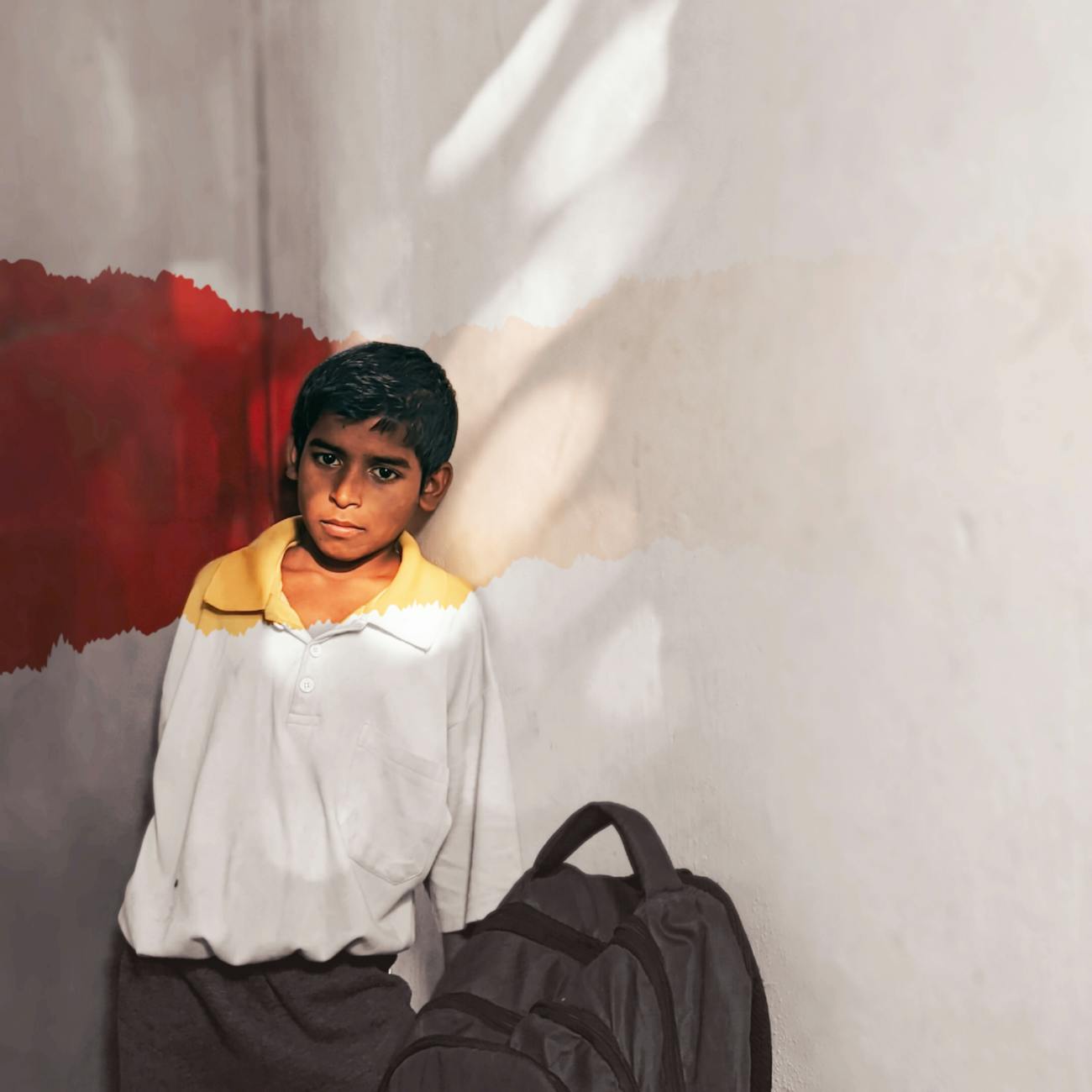
Multicultural curriculum refers to an organized plan of instruction that intentionally integrates the histories, perspectives, contributions, and experiences of diverse cultural groups into every subject area. The purpose is to move beyond tokenistic inclusion of a single holiday or a brief “world cultures” unit, and to embed cultural relevance throughout the learning objectives, content selection, teaching strategies, and assessment practices. For example, a social studies lesson on the civil rights movement might include not only the well‑known narratives of African‑American leaders but also the parallel struggles of Native American activists, women’s suffrage advocates, and LGBTQ+ pioneers. By doing so, students encounter a more accurate and complex picture of historical change.
The term culturally responsive pedagogy describes teaching methods that recognize the cultural backgrounds of students as assets for learning. Teachers who practice this approach draw on students’ home languages, traditions, and ways of knowing to make instruction more meaningful. A practical application could involve a science teacher asking students to investigate local environmental issues, such as water quality in a community river, and encouraging them to incorporate indigenous ecological knowledge alongside scientific data. Challenges often arise when educators lack sufficient training to translate cultural insights into rigorous academic content, leading to superficial adaptations that do not deepen understanding.
Cultural competence is the set of skills, attitudes, and knowledge that enable educators to interact effectively with students from diverse cultural backgrounds. It includes self‑reflection on one’s own cultural assumptions, awareness of power dynamics, and the ability to adapt instructional practices accordingly. For instance, a teacher who discovers that a student’s family observes a lunar calendar may adjust assignment deadlines to respect important cultural observances, thereby demonstrating respect and flexibility. Developing cultural competence is an ongoing process; educators may encounter resistance when institutional policies or standardized testing schedules limit the flexibility needed for such accommodations.
The concept of funds of knowledge originates from anthropology and emphasizes that families and communities possess rich bodies of knowledge that can be leveraged in school learning. Teachers who tap into these funds of knowledge validate students’ lived experiences and create bridges between home and school. A concrete example is a mathematics teacher who asks students to share how they help their families calculate market prices or measure ingredients in traditional cooking, then uses those examples to illustrate proportional reasoning. The challenge lies in the time required for teachers to learn about each student’s background, which can be constrained by large class sizes and heavy curriculum demands.
Curriculum mapping is the systematic process of aligning learning goals, instructional materials, teaching strategies, and assessment methods across grade levels and subject areas. In a multicultural context, curriculum mapping ensures that diversity and equity are not isolated to a single unit but are embedded throughout the entire program. For example, a district might develop a map that specifies where perspectives of African diaspora, Asian diaspora, Indigenous peoples, and other groups will appear in language arts, social studies, and the arts. Implementing such a map can be challenging when existing textbooks lack diverse representation, requiring educators to supplement with external resources or create original content.
The term representation refers to the visibility and accuracy of diverse groups within educational materials and classroom discussion. Authentic representation means that cultural groups are portrayed as complex, multidimensional individuals rather than stereotypes. A textbook that includes a chapter on Indian mathematics that merely lists famous mathematicians without contextualizing their contributions within broader cultural practices would be considered a limited representation. Teachers can address this by incorporating primary sources, oral histories, and multimedia that depict the lived realities of those groups. However, limited access to such resources and budget constraints often impede the ability to provide fully representative content.
Equity in education denotes the principle that all students receive the resources, support, and opportunities they need to succeed, taking into account differing starting points and systemic barriers. Equity differs from equality, which treats every student the same regardless of need. A practical application of equity might involve providing additional language support for English language learners while also offering advanced enrichment for gifted students from underrepresented backgrounds. Challenges to achieving equity include entrenched institutional biases, standardized testing pressures, and the tendency to view equity initiatives as “special treatment” rather than as necessary corrective measures.
The notion of inclusion extends equity by emphasizing the active participation of all students in learning activities, rather than merely placing them in the same physical space. Inclusive practices involve designing lessons that accommodate diverse learning styles, abilities, and cultural backgrounds simultaneously. For example, a music teacher might incorporate rhythms from African drumming traditions alongside Western notation, allowing students to engage through movement, auditory listening, and visual reading. Barriers to inclusion often stem from rigid curricular standards that limit flexibility, as well as from educators’ lack of training in differentiated instruction.
Bias refers to the systematic preference or prejudice that influences judgments, decisions, and actions. In the context of curriculum development, bias can manifest in the selection of texts, the framing of historical events, or the language used in assessment rubrics. An example of bias is the omission of contributions by women scientists in a biology curriculum, which can signal to students that scientific achievement is primarily male. Mitigating bias requires critical review of all curriculum components, collaboration with diverse stakeholders, and ongoing professional development focused on recognizing and challenging hidden assumptions.
The term stereotype threat describes the anxiety that individuals may experience when they fear confirming negative stereotypes about their social group. This phenomenon can negatively affect academic performance, particularly in high‑stakes testing situations. A teacher can reduce stereotype threat by affirming the abilities of all students, using growth‑mindset language, and providing role models from diverse backgrounds. Implementing such strategies may be difficult in environments where test scores are heavily weighted and teachers feel pressured to prioritize rapid content coverage over relational teaching.
Critical pedagogy is an educational philosophy that encourages students to question and transform oppressive social structures. It aligns closely with multicultural curriculum development by foregrounding issues of power, privilege, and social justice. In practice, a literature class might analyze a novel through the lens of colonialism, discussing how language reflects dominance and resistance. The challenge with critical pedagogy is that it can be perceived as politically charged, leading to pushback from administrators, parents, or policymakers who favor “neutral” instruction.
The concept of anti‑bias curriculum involves deliberately designing instructional content and activities that counteract prejudice and promote social harmony. This includes selecting texts that depict diverse cultures positively, creating collaborative projects that require cross‑cultural communication, and teaching students how to recognize and challenge discriminatory language. A school might implement an anti‑bias program by having students conduct community interviews that highlight stories of migration and resilience, then presenting their findings in a schoolwide exhibition. Obstacles often include limited time for teachers to redesign units and a lack of clear guidelines on how to evaluate anti‑bias outcomes.
Intersectionality is a framework that examines how multiple social identities—such as race, gender, class, sexuality, and ability—interact to produce unique experiences of advantage or disadvantage. In curriculum development, an intersectional approach ensures that content does not treat categories in isolation but explores their interconnections. For example, a health education lesson on nutrition might discuss how low‑income Latina mothers face specific barriers related to food deserts, cultural dietary preferences, and limited access to healthcare. Applying intersectionality can be complex, as it requires teachers to navigate a multitude of overlapping factors without oversimplifying or essentializing any group.
The term cultural relevance describes the degree to which instructional materials and practices resonate with the cultural backgrounds and lived experiences of learners. Culturally relevant instruction helps students see the value of their identities in academic contexts, thereby increasing engagement and achievement. A teacher might achieve cultural relevance by using literature written by authors from the same community as the students, or by framing math problems around local community issues such as public transportation routes. One challenge is that educators may lack familiarity with the cultural texts and community contexts needed to create truly relevant lessons.
Pedagogical content knowledge (PCK) is the blend of subject‑matter expertise and teaching methodology that enables instructors to convey complex concepts effectively. When infused with multicultural awareness, PCK includes understanding how cultural backgrounds influence students’ prior knowledge and misconceptions. A mathematics teacher with strong PCK might anticipate that students from a collectivist culture will approach problem‑solving collaboratively, and therefore design group tasks that leverage this tendency. Building such nuanced PCK requires sustained professional learning communities and reflective practice.
The notion of pluralistic pedagogy emphasizes the coexistence of multiple ways of knowing and learning within the classroom. It encourages educators to validate both Western academic traditions and alternative epistemologies, such as oral storytelling, community‑based learning, and experiential knowledge. For instance, a history teacher could pair textbook analysis with a community elder’s oral narrative about a local historical event, allowing students to compare written and spoken accounts. Pluralistic pedagogy can be challenged by standardized curricula that privilege a single dominant epistemology and by assessment systems that do not capture alternative forms of knowledge.
Social justice education is an approach that prepares students to recognize and act upon inequities in society. It is closely linked to multicultural curriculum development because it requires the inclusion of diverse perspectives on power, rights, and responsibilities. A classroom project on environmental justice might explore how industrial pollution disproportionately affects marginalized neighborhoods, integrating scientific data, community activism, and policy analysis. Teachers may encounter resistance when social justice topics intersect with controversial political debates, necessitating careful navigation of school policies and community expectations.
The term culturally sustaining pedagogy builds on culturally responsive teaching by emphasizing the preservation and development of cultural practices, rather than merely adapting to them. It involves supporting students in maintaining their cultural identities while engaging with academic content. A language arts teacher could assign creative writing projects that allow bilingual students to write in both their heritage language and English, thereby reinforcing linguistic heritage. Implementing culturally sustaining practices may be limited by assessment structures that reward monolingual proficiency and by insufficient resources for multilingual publishing.
Identity development in education refers to the process through which learners form a sense of self in relation to cultural, social, and academic domains. Curriculum that acknowledges and validates students’ identities can foster positive self‑concept and motivation. For example, a social studies unit on immigration might include reflective journals where students articulate their own family migration stories, connecting personal narratives to broader historical trends. Challenges arise when curricula are overly prescriptive, leaving little room for personal expression, or when teachers inadvertently impose dominant cultural narratives.
The concept of cultural humility asks educators to adopt an attitude of lifelong learning, openness, and respect toward cultural differences. Unlike cultural competence, which can imply mastery, cultural humility acknowledges the limits of one’s knowledge and encourages collaborative learning with students and communities. A teacher practicing cultural humility might regularly solicit feedback from families about the relevance of classroom materials and be willing to adjust practices based on that input. Institutional constraints, such as rigid curricula and limited time for community engagement, can hinder the practice of cultural humility.
Pedagogical pluralism refers to the intentional use of multiple teaching methods to address diverse learning preferences and cultural backgrounds. It may involve combining direct instruction, inquiry‑based learning, storytelling, and collaborative projects within a single unit. For instance, a science teacher might begin with a lecture on the water cycle, then guide students in conducting a community water‑testing project, and finally have them create visual art that represents water’s cultural symbolism. Managing such varied approaches can be demanding for teachers who must balance curriculum coverage with depth of exploration.
The term cultural responsiveness is often used interchangeably with culturally responsive pedagogy, but it specifically highlights the alignment of school policies, resources, and climate with the cultural needs of students. This includes hiring diverse staff, celebrating cultural holidays, and providing language support services. A school district that adopts a culturally responsive policy might allocate funding for bilingual counselors and develop a curriculum audit process to ensure equitable representation. Obstacles include budgetary limitations and the need for sustained leadership commitment.
Decolonizing the curriculum involves critically examining and dismantling Eurocentric biases that marginalize Indigenous knowledge systems and histories. It requires integrating Indigenous perspectives, languages, and pedagogies into mainstream education. A history teacher might replace a standard colonial narrative with a unit that foregrounds Indigenous resistance, treaties, and contemporary sovereignty movements. Deconstructing entrenched curricula can be met with institutional inertia, lack of expertise, and concerns about meeting standardized testing requirements.
The concept of cultural latency describes the delayed recognition or activation of cultural knowledge within classroom settings. It occurs when teachers overlook or undervalue the cultural resources students bring, leading to missed opportunities for learning. For example, a student who is skilled in traditional weaving may not be asked to share that expertise in a art class, resulting in cultural latency. Overcoming this requires teachers to actively seek out and incorporate students’ cultural strengths, which can be challenging without systematic strategies for cultural asset identification.
Multilingual education supports the development of proficiency in more than one language, recognizing that language diversity is a resource rather than a barrier. It can include dual‑language programs, heritage language courses, and instructional scaffolding that leverages students’ home languages. A practical application is a bilingual classroom where content is taught in both English and Spanish, allowing students to deepen conceptual understanding while maintaining linguistic heritage. Challenges include standardized assessments that are monolingual, limited qualified bilingual teachers, and policy restrictions that prioritize English‑only instruction.
The term cultural adaptation refers to the process of modifying instructional materials, assessments, and classroom practices to align with the cultural contexts of learners. This may involve translating texts, contextualizing examples, or adjusting classroom norms to respect cultural customs. For instance, a teacher might modify a group‑work protocol to accommodate cultural norms around hierarchy and deference, ensuring that all voices are heard. Over‑adaptation, however, can dilute academic rigor if not carefully balanced with learning goals.
Equitable assessment is the practice of designing and implementing evaluation methods that fairly measure the knowledge and skills of all students, accounting for cultural and linguistic differences. It includes using varied assessment formats, providing accommodations, and ensuring that test items are free from cultural bias. A teacher could offer a project‑based assessment where students demonstrate understanding through oral presentations, visual artifacts, or written reports, allowing each student to showcase strengths. Implementing equitable assessment often clashes with high‑stakes testing regimes that prioritize uniformity and may not allow for alternative assessment models.
The notion of culturally sustaining assessment extends equitable assessment by ensuring that assessment practices also reinforce students’ cultural identities. This means allowing students to draw on cultural narratives, symbols, and languages in their work. For example, a language arts assessment might permit a student to write a poem in their native language and provide an English translation, thereby valuing both linguistic forms. Institutional constraints, such as limited grading rubrics for multilingual work, can impede the adoption of culturally sustaining assessment.
Community partnership in curriculum development involves collaboration between schools and local community organizations, cultural groups, and families to co‑create learning experiences. This partnership can enrich curriculum content, provide authentic resources, and foster mutual respect. A school might partner with a local museum to develop a history unit that includes artifacts and curator talks, aligning classroom learning with community heritage. Barriers include coordinating schedules, aligning goals, and ensuring that community voices are genuinely valued rather than tokenized.
The term cultural audit describes a systematic review of curriculum materials, policies, and practices to determine the extent to which they reflect cultural diversity and equity. It often involves checking for representation, bias, and inclusivity across texts, images, and examples. Conducting a cultural audit may reveal that a science textbook predominantly features Western scientists, prompting the addition of profiles of women and scientists from the Global South. The audit process can be resource‑intensive and may encounter resistance if stakeholders perceive it as a critique of existing materials.
Pedagogical equity emphasizes the fairness of teaching methods and classroom interactions, ensuring that all students have equal opportunities to engage, ask questions, and receive feedback. It goes beyond content equity to examine the distribution of teacher attention, the structure of classroom discourse, and the inclusivity of learning environments. A teacher might use random call techniques to ensure that all students are equally likely to be called upon, thereby reducing the tendency to favor more outspoken or culturally dominant students. Implementing pedagogical equity can be challenging when teachers unconsciously favor certain communication styles.
The concept of cultural reflexivity involves ongoing self‑examination by educators about how their own cultural identities, biases, and assumptions shape their teaching. It encourages teachers to question how their perspectives influence curriculum choices and student interactions. For example, a teacher reflecting on their own cultural background may recognize that they have unintentionally prioritized Western literary canon over non‑Western works, prompting a revision of reading lists. Engaging in cultural reflexivity requires time, support, and a safe environment for honest dialogue, which may be limited in high‑pressure school contexts.
Inclusive language refers to the use of words and expressions that avoid marginalizing or excluding any group of people based on race, gender, ability, sexuality, or other identities. In curriculum materials, inclusive language promotes respect and acknowledges diversity. A textbook that uses gender‑neutral terms such as “students” instead of “boys and girls” demonstrates inclusive language. Teachers must also be vigilant about terminology that may evolve, ensuring that language remains respectful and up‑to‑date. Resistance can arise when traditional terminology is deeply embedded in curricula and teachers feel uncertain about making changes.
The term cultural scaffolding describes instructional supports that build on students’ cultural knowledge to facilitate learning of new concepts. This can include using familiar cultural references, analogies, or artifacts to introduce abstract ideas. A mathematics teacher might use a traditional game of counting beads to illustrate place value, connecting the new concept to a culturally familiar activity. Effective scaffolding requires teachers to possess deep knowledge of students’ cultural contexts, which may be limited by time constraints and lack of professional development.
Differentiated instruction is an approach that tailors teaching methods, content, and assessments to meet the varied readiness levels, interests, and learning profiles of students. In a multicultural setting, differentiation also considers cultural backgrounds as factors influencing learning preferences. For instance, a reading lesson might offer multiple text options—one that reflects a student’s cultural heritage, another that aligns with the standard curriculum, and a third that presents a contrasting viewpoint—allowing each learner to engage at an appropriate level. The challenge lies in managing the logistical complexity of providing multiple pathways while maintaining curriculum coherence.
The notion of culturally mediated learning emphasizes that learning is shaped by cultural tools, symbols, and practices that mediate cognition. Vygotskian theory highlights the role of language, artifacts, and social interaction in development. A classroom that incorporates cultural artifacts such as traditional musical instruments or storytelling mats provides students with concrete cultural mediators that support conceptual understanding. Teachers must be adept at selecting appropriate mediators and integrating them meaningfully; otherwise, they risk superficial inclusion that does not enhance learning.
Social‑cognitive development in multicultural education acknowledges that children’s thinking about self and others is influenced by cultural norms and values. Curriculum that addresses social‑cognitive development may include activities that promote empathy, perspective‑taking, and collaborative problem‑solving across cultural lines. A project where students design a community garden together, negotiating design choices that reflect diverse cultural food traditions, nurtures social‑cognitive skills. Potential obstacles include entrenched stereotypes that limit students’ willingness to engage with peers from different backgrounds.
The term cultural immersion describes instructional experiences that deeply expose students to another culture’s language, practices, and worldview. Immersion can be short‑term, such as a field trip to a cultural festival, or long‑term, such as an exchange program. In curriculum development, planning for cultural immersion involves aligning objectives, ensuring safety, and providing reflective activities that help students process their experiences. Logistical costs, travel restrictions, and equity concerns about who can participate often limit the feasibility of immersion experiences.
Multicultural competence encompasses the knowledge, attitudes, and skills needed to interact effectively with people from diverse cultural backgrounds. It includes understanding cultural dimensions such as collectivism versus individualism, power distance, and communication styles. Educators with multicultural competence can design lessons that respect cultural norms—for example, allowing group discussion formats that align with collectivist preferences. Developing this competence may be hindered by limited exposure to diverse cultures, reliance on stereotypes, and insufficient institutional support for ongoing learning.
The concept of cultural capital refers to the non‑material assets—such as language proficiency, cultural knowledge, and social connections—that individuals possess and can use to gain advantage in educational settings. Recognizing students’ cultural capital means valuing the knowledge they bring from home and integrating it into academic tasks. A teacher might ask students to share family recipes, using them as data for a mathematics lesson on fractions, thereby converting cultural capital into academic capital. Challenges arise when standardized assessments do not capture or reward this type of capital, reinforcing a narrow definition of academic success.
Critical multiculturalism is an approach that not only celebrates diversity but also interrogates the power structures that produce inequality. It encourages learners to question dominant narratives, analyze systemic oppression, and envision transformative alternatives. In a social studies classroom, critical multiculturalism might involve analyzing how immigration policies reflect racialized power dynamics and discussing activist strategies for reform. Teachers may find it difficult to balance critical inquiry with curriculum mandates that limit the depth of sociopolitical analysis.
The term cultural safety originates in health education and refers to an environment where individuals feel respected and free from discrimination. In schools, cultural safety means that students can express their cultural identities without fear of ridicule or marginalization. Creating cultural safety may involve establishing classroom norms that prohibit cultural jokes, providing spaces for cultural expression, and responding promptly to microaggressions. Institutional barriers such as lack of clear policies or insufficient staff training can undermine efforts to maintain cultural safety.
Pedagogical agency describes the capacity of teachers to make informed decisions about curriculum design, instructional methods, and assessment practices. In a multicultural context, pedagogical agency allows educators to adapt materials to reflect student diversity, advocate for resources, and collaborate with community partners. A teacher exercising agency might redesign a unit on global trade to include case studies from students’ own families’ businesses, thereby personalizing learning. Constraints on agency often stem from rigid curriculum standards, high‑stakes testing accountability, and limited professional autonomy.
The notion of culturally sustaining assessment (repeated for emphasis) underscores the importance of evaluation practices that not only measure learning but also affirm cultural identities. It requires assessment designs that permit expression in multiple languages, incorporate culturally relevant criteria, and recognize diverse ways of demonstrating mastery. For example, a science fair rubric could include criteria for community relevance, allowing students to showcase projects that address local environmental concerns rooted in Indigenous stewardship practices. Implementing such rubrics may clash with district policies that prioritize uniform scoring scales.
Ethnic studies is a field of inquiry that focuses on the histories, cultures, and experiences of specific ethnic groups, often with the goal of fostering empowerment and social change. Integrating ethnic studies into a multicultural curriculum provides depth and specificity, moving beyond generic multicultural overviews. A high school program might offer an elective on African diaspora literature, exploring themes of resistance, diaspora, and identity formation. Institutional barriers include limited staffing expertise, scheduling constraints, and political opposition to curricula perceived as “identity politics.”
The term culturally relevant assessment (similar to culturally sustaining) refers to evaluation tools that align with students’ cultural contexts, ensuring that content, language, and format are appropriate. It may involve using culturally familiar scenarios in test items, such as framing a word‑problem about measuring ingredients for a traditional festival dish. While such alignment can improve validity, teachers must guard against reinforcing stereotypes or oversimplifying cultural complexity.
Inclusive pedagogy encompasses teaching strategies that ensure all students, regardless of background or ability, can participate fully and benefit from instruction. It involves differentiated instruction, collaborative learning structures, and classroom climates that honor diversity. An inclusive pedagogy might include using visual aids, storytelling, and hands‑on activities to accommodate varied learning styles and cultural preferences. Challenges include the need for extensive teacher preparation, ongoing reflection, and supportive school leadership.
The concept of cultural bridging refers to linking students’ home cultures with academic content, creating connections that enhance relevance and motivation. Teachers can bridge cultures by drawing parallels between curricular themes and cultural practices. For instance, a literature teacher might compare the narrative structure of a Western novel with the oral storytelling traditions of a student’s community, highlighting shared patterns such as hero’s journey motifs. Effective cultural bridging requires teachers to possess deep cultural knowledge and to avoid superficial analogies that may misrepresent either tradition.
Social identity theory explains how individuals derive part of their self‑concept from membership in social groups, influencing attitudes and behaviors toward in‑group and out‑group members. In curriculum design, awareness of social identity can guide the selection of materials that promote positive identification with diverse groups. A classroom discussion that celebrates multiple cultural holidays can strengthen students’ sense of belonging and reduce intergroup bias. However, teachers must navigate the complexity of intersecting identities to avoid essentializing any group.
The term cultural responsiveness (again emphasized) highlights the need for educators to adapt instruction to the cultural contexts of learners, ensuring relevance and equity. It involves ongoing learning, collaboration with families, and reflective practice. For example, a teacher might adjust classroom seating arrangements to align with cultural preferences for group versus individual work. Institutional constraints, such as standardized curricula and limited professional development time, may impede sustained responsiveness.
Critical race theory (CRT) is an analytical framework that examines how race and racism are embedded within legal, social, and educational structures. While controversial, CRT provides tools for understanding systemic inequities in curriculum content, resource allocation, and student outcomes. A teacher applying CRT might analyze how textbook narratives marginalize the contributions of people of color, and then redesign lessons to foreground those contributions. Implementing CRT-informed practices can be challenging due to political pushback, lack of teacher preparation, and restrictive policies that limit discussions of race.
The notion of cultural validation involves affirming the worth and legitimacy of students’ cultural backgrounds within the educational setting. Validation can be achieved through curriculum choices that highlight cultural achievements, classroom displays that celebrate diversity, and teacher language that respects cultural naming conventions. For instance, using a student’s preferred cultural name on a roster rather than an Anglicized version signals respect. Barriers include institutional inertia, limited awareness of cultural naming practices, and the tendency to default to majority cultural norms.
Multicultural literacy extends the concept of literacy beyond reading and writing to include the ability to interpret, critique, and create cultural texts. It encompasses understanding symbols, narratives, and values from multiple cultures. A language arts curriculum that develops multicultural literacy might require students to analyze media representations of different cultures, produce counter‑narratives, and reflect on their own cultural assumptions. Challenges include the need for teachers to be proficient in analyzing diverse cultural texts and to have access to a wide array of resources.
The term culturally sustaining curriculum (reiterated for emphasis) underscores the importance of designing learning experiences that not only respect but also nurture cultural identities over time. It moves beyond short‑term inclusion toward long‑term support for cultural practices within schooling. A curriculum that includes ongoing projects on community oral histories, language maintenance, and cultural arts demonstrates this sustaining approach. Institutional obstacles include pressure to conform to standardized testing timelines, limited funding for long‑term projects, and a lack of continuity when staff turnover is high.
Pedagogical transformation describes the process of fundamentally changing teaching practices to align with new educational goals, such as multicultural equity. It involves shifting from teacher‑centered delivery to student‑centered inquiry, integrating diverse perspectives, and rethinking assessment. A school undertaking pedagogical transformation may provide professional learning communities focused on redesigning units to incorporate multiple cultural lenses. Resistance can emerge from teachers accustomed to traditional methods, from administrators concerned about curriculum coverage, and from parents wary of change.
The concept of cultural literacy refers to the knowledge of cultural references, symbols, and practices that enable individuals to navigate and participate in a broader society. In multicultural education, fostering cultural literacy includes exposing students to a wide range of cultural artifacts, idioms, and historical events. For example, a music class that teaches both jazz standards and traditional African rhythms expands cultural literacy. The difficulty lies in balancing depth with breadth, ensuring that students gain meaningful insight rather than superficial awareness.
Equity audits are systematic examinations of school policies, practices, and outcomes to identify disparities based on race, ethnicity, language, gender, and other identity markers. Conducting an equity audit in curriculum development can reveal gaps in representation, unequal resource distribution, and biased assessment results. Findings from an equity audit may prompt targeted interventions, such as revising reading lists to include more diverse authors. Implementing audits requires data collection expertise, administrative support, and a commitment to act on identified inequities.
The term culturally responsive assessment (again) emphasizes that assessment design must reflect the cultural contexts of learners, ensuring fairness and relevance. This may involve offering assessment options that allow students to demonstrate learning through oral presentations, artistic creations, or community projects, rather than relying solely on written tests. Teachers must develop rubrics that capture cultural dimensions of student work while maintaining academic standards. The tension between flexibility and accountability often complicates adoption of culturally responsive assessment practices.
Social capital describes the networks of relationships, trust, and norms that facilitate collective action and access to resources. In schools, social capital can be built through partnerships with families, community organizations, and peer networks that support student learning. A multicultural curriculum that leverages social capital might involve mentorship programs where community elders guide students in cultural projects, thereby strengthening connections and enhancing learning outcomes. Barriers include time constraints, limited staff capacity to manage partnerships, and potential mismatches between school and community expectations.
The notion of cultural continuity refers to the ongoing transmission of cultural knowledge, practices, and values across generations. In education, preserving cultural continuity means integrating traditions, languages, and customs into the curriculum in ways that support their vitality. A classroom that celebrates seasonal festivals, teaches traditional crafts, and invites elders to share stories contributes to cultural continuity. However, curriculum pacing guides and standardized test schedules often limit the time available for such sustained cultural activities.
Pedagogical inclusivity involves designing classroom environments where diverse learners feel welcomed, respected, and encouraged to participate fully. It includes physical arrangements, language use, and interaction patterns that accommodate varied cultural norms. For example, arranging desks in circles can reflect collectivist cultural preferences for group discussion, while also fostering a sense of community. Implementing inclusivity may be hindered by rigid classroom layouts, limited flexibility in scheduling, and insufficient teacher awareness of cultural interaction styles.
The term cultural negotiation describes the process by which educators and students navigate differences in cultural expectations, values, and communication styles. Successful cultural negotiation requires openness, mutual respect, and compromise. A teacher may negotiate classroom expectations with a student whose cultural background emphasizes deference to authority, encouraging the student to voice ideas while honoring their cultural comfort with listening. Missteps in cultural negotiation can lead to misunderstandings, reduced engagement, or conflict.
Multicultural pedagogy is an overarching approach that embeds cultural awareness, respect, and equity into teaching practices across disciplines. It integrates the principles of culturally responsive teaching, critical pedagogy, and inclusive education. A school adopting multicultural pedagogy might redesign its science curriculum to include Indigenous ecological knowledge, while also providing professional development on bias awareness for teachers. Challenges include aligning multicultural pedagogy with existing standards, securing resources for curriculum redesign, and ensuring consistent implementation across grade levels.
The concept of cultural empowerment involves providing students with the tools, confidence, and opportunities to assert their cultural identities and influence their learning environments. Empowerment can be fostered through student‑led projects that explore heritage, advocacy initiatives that address social inequities, and platforms for sharing cultural expertise. For instance, a student council might organize a cultural showcase where peers present music, dance, and storytelling from their backgrounds, thereby affirming cultural pride. Institutional resistance may arise when empowerment activities are perceived as extracurricular rather than integral to academic achievement.
Intercultural competence denotes the ability to communicate effectively and appropriately with individuals from different cultural backgrounds. In curriculum development, fostering intercultural competence means creating learning experiences that require collaboration across cultural lines, encouraging perspective‑taking, and teaching conflict‑resolution strategies. A project where students from diverse linguistic backgrounds co‑author a bilingual newsletter develops such competence. Obstacles include limited exposure to authentic intercultural interactions and curriculum constraints that prioritize content mastery over skill development.
The term cultural integration refers to the deliberate blending of students’ cultural backgrounds with academic content, creating a cohesive learning experience that acknowledges and utilizes cultural diversity. Integration can occur through thematic units that connect curriculum standards with cultural themes, such as exploring geometric patterns in Islamic art while teaching geometry concepts. Effective cultural integration demands careful planning to ensure that cultural elements enhance rather than distract from learning objectives. Potential pitfalls include tokenistic inclusion and superficial connections that fail to deepen understanding.
Equitable resource allocation is the process of distributing educational materials, technology, staffing, and funding in a manner that addresses the specific needs of diverse student populations. In a multicultural curriculum, equitable allocation might involve providing bilingual books for English language learners, hiring cultural liaison officers, and investing in community partnership programs. Data‑driven decision‑making, such as analyzing enrollment demographics and achievement gaps, informs equitable allocation. However, budgetary limitations and competing priorities often create tension between equitable distribution and overall resource scarcity.
The concept of culturally attuned assessment emphasizes the alignment of evaluation methods with the cultural contexts of learners, ensuring that assessments accurately reflect student understanding without cultural bias. This may involve designing test items that use culturally relevant scenarios, offering multiple modes of expression, and providing accommodations that respect cultural communication styles. For example, an assessment on persuasive writing could allow students to present arguments in a format familiar to their cultural tradition, such as a spoken debate or a visual poster. Institutional pressures for uniformity can restrict the flexibility needed for culturally attuned assessment.
Community cultural assets are the strengths, knowledge, traditions, and resources available within a community that can support educational goals. Identifying and leveraging these assets enriches curriculum relevance and fosters reciprocal relationships between schools and families. A teacher might map community assets by cataloguing local artisans, historical sites, and language programs, then incorporating them into project‑based learning. Barriers include limited time for asset mapping, lack of community outreach expertise, and potential mismatches between school schedules and community activity times.
The term cultural praxis combines theory and action, urging educators to translate multicultural theory into concrete classroom practices. It involves reflective planning, implementation, and evaluation of culturally responsive strategies. For instance, a teacher may study frameworks of anti‑bias education, design a lesson that challenges stereotypes, and then assess student responses to gauge impact. The iterative nature of praxis requires sustained commitment, supportive leadership, and opportunities for professional collaboration. Constraints such as heavy teaching loads and limited reflective time can impede the full realization of cultural praxis.
Pedagogical diversity refers to the variety of teaching methods, instructional materials, and learning experiences that cater to the heterogeneous needs of students. Embracing pedagogical diversity means moving beyond a one‑size‑fits‑all approach and integrating multiple modalities—visual, auditory, kinesthetic, and cultural—to engage learners. A curriculum that includes video documentaries, hands‑on experiments, storytelling circles, and digital simulations exemplifies pedagogical diversity. Challenges include ensuring coherence across diverse methods, maintaining alignment with standards, and providing adequate teacher training.
The notion of cultural reciprocity describes the mutual exchange of knowledge and respect between educators and students’ cultural communities. It moves beyond extraction of cultural content toward a partnership where both parties benefit. For example, a school might invite community artists to conduct workshops, while teachers share classroom outcomes with the artists, fostering a two‑way flow of ideas. Institutional barriers such as rigid scheduling, lack of funding for community collaborators, and limited recognition of community expertise can hinder reciprocal relationships.
Multicultural curriculum audit is a systematic examination of existing curricular materials to assess the extent and quality of cultural representation, inclusivity, and equity.
Key takeaways
- The purpose is to move beyond tokenistic inclusion of a single holiday or a brief “world cultures” unit, and to embed cultural relevance throughout the learning objectives, content selection, teaching strategies, and assessment practices.
- Challenges often arise when educators lack sufficient training to translate cultural insights into rigorous academic content, leading to superficial adaptations that do not deepen understanding.
- For instance, a teacher who discovers that a student’s family observes a lunar calendar may adjust assignment deadlines to respect important cultural observances, thereby demonstrating respect and flexibility.
- A concrete example is a mathematics teacher who asks students to share how they help their families calculate market prices or measure ingredients in traditional cooking, then uses those examples to illustrate proportional reasoning.
- For example, a district might develop a map that specifies where perspectives of African diaspora, Asian diaspora, Indigenous peoples, and other groups will appear in language arts, social studies, and the arts.
- A textbook that includes a chapter on Indian mathematics that merely lists famous mathematicians without contextualizing their contributions within broader cultural practices would be considered a limited representation.
- Challenges to achieving equity include entrenched institutional biases, standardized testing pressures, and the tendency to view equity initiatives as “special treatment” rather than as necessary corrective measures.