
Diversity And Inclusion In The Classroom
Diversity in the classroom refers to the presence of differences among students and staff in terms of race, ethnicity, language, gender, sexual orientation, socioeconomic status, ability, religion, culture, and many other dimensions. When a…
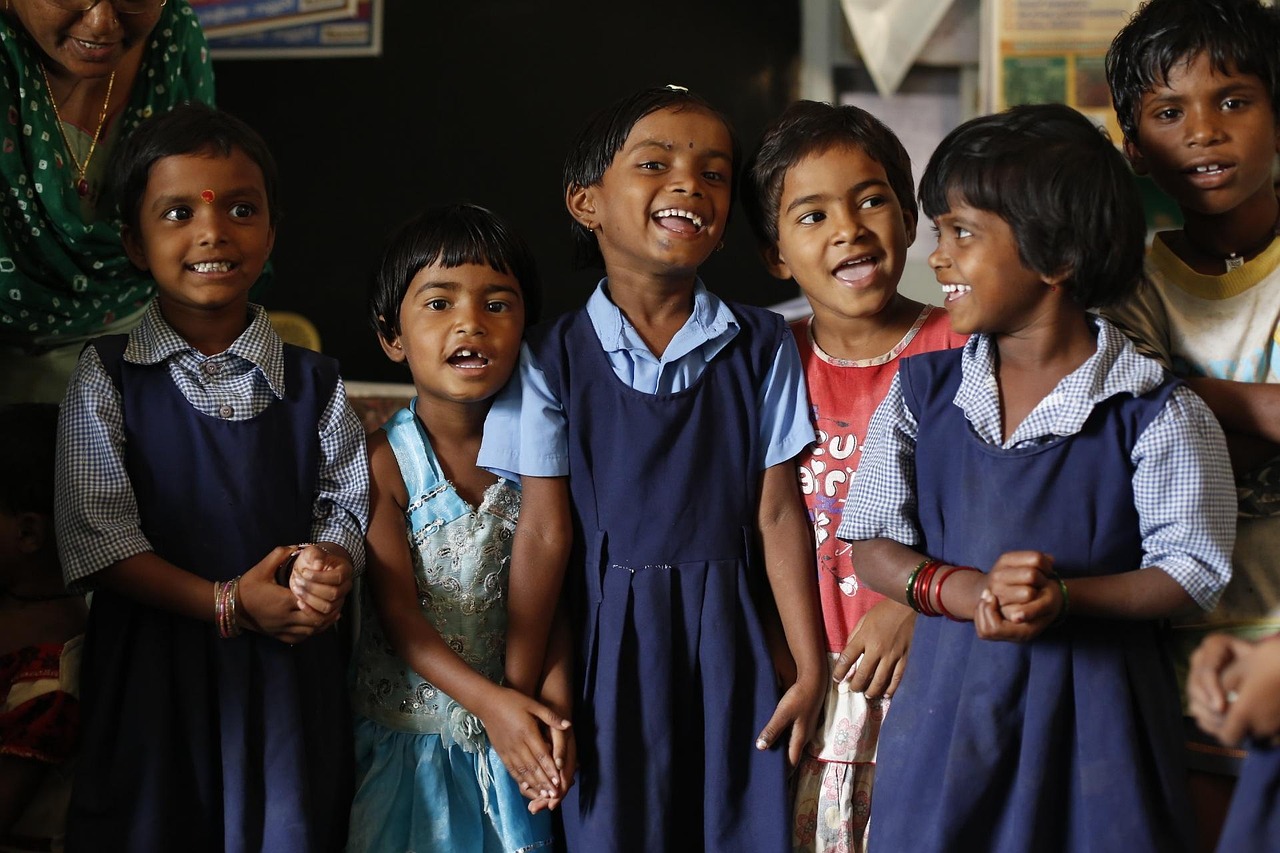
Diversity in the classroom refers to the presence of differences among students and staff in terms of race, ethnicity, language, gender, sexual orientation, socioeconomic status, ability, religion, culture, and many other dimensions. When a teacher recognizes that each learner brings a unique set of experiences, the classroom becomes a richer environment for dialogue and discovery. For example, a student who speaks Spanish at home may offer a perspective on a literary text that a monolingual English speaker would not consider. By intentionally acknowledging these differences, educators lay the groundwork for deeper learning and mutual respect.
Inclusion is the active process of ensuring that every learner feels welcomed, valued, and able to participate fully. Inclusion goes beyond simply having a diverse group present; it requires deliberate strategies, policies, and practices that remove barriers to participation. A practical illustration is the use of collaborative group work that mixes students of varying abilities, allowing each member to contribute according to their strengths. When inclusion is successful, students develop a sense of belonging that can improve academic achievement and social development.
Equity focuses on fairness and justice in the distribution of resources, opportunities, and support. It acknowledges that students do not start from the same place, and therefore may need different types or amounts of assistance to succeed. An equitable approach might involve providing additional tutoring for a newcomer who is still mastering academic language, while also offering enrichment activities for advanced learners. Equity differs from equality, which would give every student the same resources regardless of differing needs.
Cultural competence describes the ability of educators to understand, communicate with, and effectively interact with people across cultures. It includes knowledge of cultural norms, values, and communication styles, as well as the skill to adapt teaching methods accordingly. For instance, a teacher who knows that certain cultures place high value on collective achievement may design classroom projects that emphasize teamwork rather than individual competition. Developing cultural competence is an ongoing process that requires reflection, learning, and openness.
Implicit bias refers to attitudes or stereotypes that affect our understanding, actions, and decisions unconsciously. In an educational setting, implicit bias can influence how teachers interpret student behavior, grade assignments, or call on participants. A teacher might, without realizing it, call on boys more often in a science class because of an unconscious association of males with scientific aptitude. Recognizing and mitigating implicit bias involves self‑assessment tools, professional development, and structured reflection.
Microaggressions are subtle, often unintentional, comments or actions that convey derogatory or negative slights toward a marginalized group. In the classroom, a microaggression could be a teacher who assumes a student of Asian descent is good at mathematics without evidence, or a peer who repeatedly mispronounces a classmate’s name despite correction. While each incident may seem minor, the cumulative effect can erode confidence and create a hostile learning environment. Addressing microaggressions requires clear policies, open dialogue, and restorative practices.
Intersectionality is a framework for understanding how multiple social identities (such as race, gender, class, sexuality, and ability) intersect to create unique experiences of advantage or disadvantage. A student who is a Black, transgender, low‑income individual experiences oppression differently than a White, cisgender, middle‑class peer. In curriculum design, intersectionality encourages educators to explore how overlapping identities shape narratives, histories, and power structures. Using intersectional lenses helps avoid one‑dimensional portrayals and supports more authentic representation.
Stereotype threat describes the risk of confirming negative stereotypes about one’s group, which can impair performance. For example, when female students are reminded of the stereotype that women are poorer at math before a test, their scores often decline. Teachers can reduce stereotype threat by emphasizing a growth mindset, providing diverse role models, and framing assessments as opportunities for learning rather than judgment.
Culturally responsive teaching (CRT) is an instructional approach that integrates students’ cultural references in all aspects of learning. CRT involves selecting texts, examples, and activities that reflect the cultural backgrounds of learners, thereby making content more relevant and engaging. A teacher employing CRT might use folk tales from students’ heritage to teach narrative structure, or incorporate music from different cultures when exploring rhythm in mathematics. This approach validates students’ identities and promotes deeper conceptual understanding.
Differentiated instruction is the practice of tailoring teaching methods, materials, and assessments to meet individual learner needs. Differentiation can occur along three primary dimensions: Content (what is taught), process (how it is taught), and product (how learning is demonstrated). For example, a reading assignment might be offered at multiple Lexile levels (content), while students work in groups to discuss themes using graphic organizers (process), and then each student creates a different type of final product—such as a written essay, a visual poster, or a digital presentation (product). This flexibility supports diverse learning styles and abilities.
Universal Design for Learning (UDL) is a framework that guides the creation of flexible learning environments that accommodate all learners from the start. UDL rests on three principles: Multiple means of representation (providing information in various formats), multiple means of action and expression (allowing diverse ways to demonstrate knowledge), and multiple means of engagement (offering choices that motivate and sustain interest). Implementing UDL might involve providing audio recordings of lectures, captioned videos, interactive simulations, and options for students to submit work through text, speech, or multimedia.
Allyship is the active support of marginalized groups by individuals who hold privilege. In a school context, allyship can include speaking up when a peer experiences bias, advocating for policy changes, or mentoring students from underrepresented backgrounds. Effective allyship requires listening, learning, and taking responsibility for one’s role in perpetuating systemic inequities. Teachers can model allyship by publicly acknowledging the contributions of diverse scholars and challenging stereotypes when they arise.
Safe space refers to a physical or psychological environment where individuals feel secure to express themselves without fear of ridicule, discrimination, or retaliation. While “safe space” does not imply the absence of challenging ideas, it does require clear norms that protect dignity and promote respectful discourse. In practice, a teacher might establish classroom agreements that prohibit hate speech, encourage active listening, and provide mechanisms for reporting concerns confidentially.
Belonging is the feeling of being an accepted and valued member of a community. Research shows that a strong sense of belonging predicts higher academic motivation, persistence, and emotional well‑being. Strategies to foster belonging include assigning consistent seating groups, celebrating cultural holidays, and using names correctly. When students see their identities reflected in curriculum and school rituals, they are more likely to develop a sense of ownership over their learning.
Anti‑bias curriculum is a deliberately designed set of lessons that confronts prejudice, stereotypes, and systemic inequities. It moves beyond multicultural “awareness” to actively challenge dominant narratives and empower students to become change agents. An anti‑bias unit might explore the historical roots of racism, analyze media portrayals of gender, and engage students in projects that address community inequities. Assessment for an anti‑bias curriculum focuses on critical thinking, empathy, and action planning rather than rote memorization.
Multicultural education is a broader philosophy that seeks to promote equity, social justice, and intercultural understanding through teaching and learning. It encompasses content integration (including diverse perspectives in standard curricula), the knowledge construction process (examining how knowledge is shaped by culture), prejudice reduction (building attitudes that counteract bias), and an empowering school culture (creating policies that support all learners). Multicultural education is both a goal and a set of practices that evolve with societal change.
Critical pedagogy is an approach that encourages students to question and transform oppressive structures. It aligns closely with multicultural education but places greater emphasis on the political dimensions of knowledge. In a critical pedagogy classroom, a teacher might examine how language policies marginalize Indigenous speakers, or how standardized testing reinforces socioeconomic stratification. Students are encouraged to become analysts and advocates, linking classroom learning to real‑world activism.
Social‑emotional learning (SEL) involves developing competencies such as self‑awareness, self‑management, social awareness, relationship skills, and responsible decision‑making. SEL intersects with diversity and inclusion because it equips students to navigate cultural differences, manage conflict, and build empathy. Programs that embed SEL often use cooperative learning, reflective journaling, and role‑play scenarios that highlight diverse perspectives.
Pedagogical content knowledge (PCK) is the blend of subject‑specific expertise and teaching methodology. When applied to diversity, PCK expands to include knowledge of how cultural backgrounds influence students’ conceptions of subject matter. For instance, a mathematics teacher aware of culturally specific counting systems can connect those systems to place‑value concepts, thereby making abstract ideas more concrete for learners.
Language acquisition is the process by which students develop proficiency in a second or additional language. In diverse classrooms, many learners are English language learners (ELLs) or bilingual students. Effective language acquisition strategies include scaffolding (providing temporary support), using visual aids, encouraging peer tutoring, and integrating language goals into content objectives. Recognizing the cognitive benefits of bilingualism—such as enhanced executive function—helps shift the narrative from deficit to asset.
Translanguaging is a pedagogical practice that encourages students to draw upon their full linguistic repertoire, moving fluidly between languages to make meaning. Rather than separating languages into distinct compartments, translanguaging views bilingualism as a resource. A teacher might allow a student to discuss a science concept in their home language before translating key vocabulary, thereby deepening comprehension and affirming linguistic identity.
Ability grouping traditionally separates students based on perceived skill level. While it can provide targeted instruction, it also risks reinforcing inequities if groups are formed along racial or socioeconomic lines. Alternative approaches—such as flexible grouping, heterogeneous teams, or mastery‑based progression—seek to balance the need for differentiated support with the goal of inclusive practice.
Hidden curriculum consists of the implicit messages conveyed through school culture, routines, and teacher expectations. It includes values, norms, and beliefs about who belongs and who succeeds. For example, a hidden curriculum that rewards punctuality without recognizing cultural differences in time perception may disadvantage certain students. Making the hidden curriculum visible involves critical reflection on school policies, classroom rituals, and assessment practices.
Restorative practices emphasize repairing harm and rebuilding relationships rather than punitive discipline. In diverse settings, restorative circles can provide a safe venue for students to share experiences of bias, negotiate solutions, and develop empathy. When a conflict arises from a microaggression, a restorative approach facilitates dialogue, accountability, and collective healing.
Bias incident reporting is a systematic method for documenting and responding to acts of prejudice, harassment, or discrimination. Effective reporting mechanisms are confidential, accessible, and followed by timely investigation. Schools that maintain transparent bias‑incident data can identify patterns, allocate resources, and evaluate the impact of interventions.
Inclusive language is the deliberate use of words and phrases that avoid marginalizing or excluding groups. Examples include using “partner” instead of assuming heterosexual relationships, or “students with disabilities” rather than “handicapped students.” Inclusive language signals respect and can reduce the normalization of stereotypes.
Culture of high expectations refers to the belief that all students can achieve academic excellence when provided with appropriate support. High expectations must be coupled with equitable resources; otherwise, they can become empty rhetoric. Teachers demonstrate a culture of high expectations by setting rigorous standards, providing constructive feedback, and celebrating progress for every learner.
Community partnership involves collaboration between schools and families, local organizations, and cultural institutions. Engaging community partners can enrich curriculum, provide mentorship, and reinforce cultural relevance. For instance, partnering with a local museum to co‑create exhibits that reflect students’ heritage brings authentic voices into the classroom.
Professional development is essential for building educator capacity in diversity and inclusion. Ongoing training should address cultural competence, bias mitigation, inclusive pedagogy, and data‑driven decision making. Effective professional development includes reflective practice, coaching, and opportunities for teachers to experiment with new strategies.
Data disaggregation is the practice of breaking down student achievement data by race, ethnicity, gender, language status, and other categories. Disaggregated data reveal achievement gaps that may be hidden in overall averages. By analyzing this data, schools can target interventions, allocate resources, and monitor progress toward equity goals.
Equity audits are systematic reviews of school policies, practices, and outcomes to assess fairness. An equity audit might examine disciplinary referrals, curriculum representation, and access to advanced courses. Findings from audits inform strategic planning and policy revision.
Multilingual pedagogy embraces teaching methods that support learning in multiple languages. Strategies include dual‑language instruction, content‑based language teaching, and the use of bilingual resources. Multilingual pedagogy recognizes language as a cognitive asset and promotes cross‑cultural communication skills.
Identity‑affirming assessment designs evaluation tools that respect and reflect students’ cultural backgrounds. For example, an assessment that allows students to present findings through oral storytelling aligns with oral traditions in many cultures. Identity‑affirming assessments can increase motivation and authenticity in student work.
Pedagogy of the oppressed is a theoretical framework that highlights the role of education in liberating marginalized peoples. It emphasizes dialogic learning, critical consciousness, and the dismantling of oppressive power structures. Teachers applying this pedagogy encourage students to analyze social injustices and envision transformative action.
Social justice education integrates the study of systemic inequities with action‑oriented learning. It includes topics such as wealth disparity, environmental racism, and gender equity. Projects may involve community research, advocacy letters, or service‑learning that addresses local inequities.
Cross‑cultural communication focuses on the exchange of ideas between individuals from different cultural backgrounds. Effective cross‑cultural communication requires awareness of nonverbal cues, cultural norms, and potential misunderstandings. Teachers can model this skill by explicitly discussing cultural differences in communication styles.
Student voice is the inclusion of learners’ perspectives in decision‑making processes. In a diverse classroom, student voice can be amplified through surveys, focus groups, and classroom meetings. When students feel heard, they develop agency and investment in their learning environment.
Teacher self‑efficacy refers to a teacher’s belief in their ability to influence student outcomes. High self‑efficacy correlates with greater willingness to implement inclusive practices, experiment with new strategies, and persist through challenges. Professional development that builds self‑efficacy includes mentorship, collaborative planning, and success stories.
Implicit association test (IAT) is a tool used to uncover unconscious biases by measuring reaction times to paired concepts. While not a definitive measure, the IAT can raise awareness among educators about hidden preferences that may affect classroom interactions. Using the IAT as a reflective activity can spark conversations about bias.
Critical race theory (CRT) is an academic framework that examines how race and racism intersect with law, policy, and social institutions. In education, CRT encourages scholars and teachers to investigate how curricula, disciplinary policies, and resource allocation perpetuate racial inequities. It also emphasizes the importance of counter‑storytelling to challenge dominant narratives.
Gender‑responsive pedagogy adapts teaching methods to address the distinct experiences and needs of students across the gender spectrum. This includes challenging gender stereotypes, providing inclusive examples, and ensuring that classroom interactions do not reinforce binary norms. For instance, a teacher might use examples of women scientists in a physics lesson to counteract the stereotype that STEM fields are male‑dominated.
Neurodiversity is the concept that neurological differences—such as autism, ADHD, dyslexia, and others—are natural variations of the human brain rather than deficits. Embracing neurodiversity in the classroom means designing supports that accommodate diverse cognitive styles, such as offering sensory breaks, using multimodal instruction, and allowing alternative formats for assignments.
Assistive technology includes tools and devices that support learners with disabilities in accessing curriculum. Examples range from screen readers for visually impaired students to speech‑to‑text software for those with writing difficulties. Integrating assistive technology into everyday instruction normalizes its use and benefits all learners.
Learning accommodations are modifications that enable students with disabilities to participate fully in academic activities. Accommodations may involve extended time on tests, preferential seating, or the provision of note‑taking services. It is crucial that accommodations are individualized, based on documented needs, and communicated clearly to all stakeholders.
Universal design for assessment extends the principles of UDL to evaluation practices. It ensures that assessments are accessible, varied, and fair. Strategies include providing test items in multiple formats (text, audio, visual), allowing choice in response mode (written, oral, digital), and offering scaffolded rubrics.
Pedagogical reflection is the systematic examination of one’s teaching practices, beliefs, and outcomes. Reflective teachers regularly assess how their instructional choices support or hinder diversity and inclusion. Journaling, peer observation, and student feedback are common tools for fostering reflective practice.
Collaborative inquiry involves teachers working together to investigate a shared problem, often related to equity. Teams collect data, analyze student work, and experiment with new strategies. Collaborative inquiry promotes professional growth and can lead to systemic changes within schools.
Equitable funding addresses the distribution of financial resources to ensure that schools serving high‑need populations receive adequate support. Funding formulas that consider poverty rates, language needs, and special education prevalence help close resource gaps that perpetuate achievement disparities.
School climate encompasses the overall atmosphere of safety, respect, and academic focus within a school. A positive climate is essential for fostering inclusion. Climate surveys, focus groups, and observation can provide insights into how students of diverse backgrounds experience the school environment.
Restorative justice circles are structured dialogues where participants share experiences, listen empathetically, and co‑create solutions. In a diverse classroom, circles can be used to discuss cultural misunderstandings, address bias incidents, and reinforce community values. The circle format emphasizes equality, shared responsibility, and collective healing.
Bias‑free curriculum is designed to avoid perpetuating stereotypes or omitting contributions from marginalized groups. This involves reviewing textbooks, media, and instructional materials for representation, language, and perspective. A bias‑free curriculum includes diverse authors, historical figures, and case studies that reflect a multiplicity of experiences.
Community cultural wealth is a concept that recognizes the assets and knowledge that families and communities bring to education. It includes linguistic skills, cultural practices, and social networks. Teachers who tap into community cultural wealth create curricula that are more relevant and affirming for students.
Student‑centered learning places learners’ interests, abilities, and cultural backgrounds at the core of instructional design. It contrasts with teacher‑directed approaches by allowing students to negotiate learning goals, select resources, and determine assessment criteria. Student‑centered learning aligns with inclusion by honoring individual agency.
Collaborative learning encourages students to work together to achieve shared goals. When groups are intentionally heterogeneous, collaborative learning can foster cross‑cultural interaction, empathy, and problem‑solving. Teachers facilitate collaboration by assigning clear roles, providing scaffolds, and monitoring group dynamics.
Project‑based learning (PBL) involves students in extended investigations of real‑world problems. PBL can be harnessed for diversity work by selecting topics that explore social justice, cultural heritage, or environmental equity. The open‑ended nature of PBL allows students to draw on their unique backgrounds to contribute meaningfully.
Multicultural literature includes books, poems, and narratives that represent a wide range of cultures, experiences, and identities. Incorporating multicultural literature into reading curricula exposes students to varied worldviews and promotes empathy. Teachers should select texts that avoid tokenism and instead present nuanced, authentic portrayals.
Critical media literacy equips students to analyze and evaluate media messages for bias, representation, and agenda. In a diverse classroom, critical media literacy helps learners identify stereotypes, understand the impact of advertising on cultural perceptions, and produce counter‑narratives through multimedia projects.
Inclusive classroom management integrates discipline and behavior strategies that respect cultural differences and promote equity. Instead of a one‑size‑fits‑all approach, inclusive management may involve culturally relevant behavior expectations, restorative practices, and teacher awareness of cultural norms around eye contact, personal space, and authority.
Teacher cultural self‑awareness is the ongoing process of recognizing one’s own cultural identity, biases, and assumptions. Self‑awareness enables teachers to avoid imposing their cultural norms on students and to create learning experiences that honor multiple perspectives. Reflective activities such as cultural inventories and narrative writing support self‑awareness development.
Socio‑cultural theory posits that learning occurs through social interaction within cultural contexts. Vygotsky’s concept of the zone of proximal development (ZPD) highlights the role of more knowledgeable others in scaffolding learning. In diverse classrooms, peers, families, and community members serve as valuable resources within the ZPD.
Pedagogy of place emphasizes the importance of local environment, history, and culture in shaping learning. By grounding instruction in the community’s geography and heritage, teachers create relevance and foster pride. For example, a science unit that investigates water quality in a nearby river connects curriculum to students’ lived experience.
Equitable access to technology ensures that all students can use digital tools for learning, regardless of socioeconomic status. Schools may provide devices, internet subsidies, and technical support to bridge the digital divide. Equitable technology access is essential for implementing blended or online learning models that support diverse learners.
Language equity refers to the fair treatment of all language varieties and speakers. In practice, language equity involves valuing students’ home languages, providing translation services, and avoiding language‑based discrimination. It also includes offering multilingual resources and recognizing the academic potential of bilingualism.
Social identity development is the process by which individuals form a sense of belonging to particular groups (e.G., Ethnic, gender, religious). Classroom activities that support positive identity development include cultural sharing circles, mentorship programs, and inclusive curricula that validate students’ heritage.
Collaborative curriculum design engages teachers, students, families, and community members in shaping instructional content. This participatory approach ensures that curriculum reflects local needs, cultural values, and diverse perspectives. Collaborative design can be facilitated through workshops, focus groups, and advisory committees.
Bias‑responsive teaching acknowledges that bias—both conscious and unconscious—affects instruction and learning. Teachers who practice bias‑responsive teaching regularly examine their expectations, language, and classroom practices for hidden prejudices. They also implement corrective measures such as counter‑stereotype exposure and equitable grading.
Equitable grading practices aim to assess student learning fairly, taking into account diverse backgrounds and learning styles. Strategies include using rubrics that focus on mastery rather than speed, offering multiple assessment formats, and providing feedback that emphasizes growth. Grading policies should be transparent and consistent.
Student advocacy empowers learners to speak up for themselves and others. In a diverse classroom, advocacy projects may involve researching school policies that affect marginalized groups, creating awareness campaigns, or lobbying for inclusive changes. Advocacy builds leadership skills and reinforces the relevance of social justice.
Professional learning communities (PLCs) bring teachers together to share expertise, analyze data, and develop instructional strategies. PLCs focused on diversity and inclusion can examine case studies, co‑create lesson plans, and monitor equity outcomes. Sustained collaboration in PLCs promotes systemic change.
Equity‑focused leadership involves administrators who prioritize fairness, representation, and inclusive decision‑making. Such leaders allocate resources for diversity initiatives, model inclusive language, and hold staff accountable for equity goals. Leadership that embraces equity sets the tone for an entire school culture.
Mentoring programs pair students with mentors who share similar cultural backgrounds or interests. Effective mentorship supports academic achievement, social integration, and identity formation. Schools may develop peer‑to‑peer mentoring, alumni networks, or community‑based mentorships.
Intersectional data analysis examines how multiple identities interact to affect outcomes. For instance, disaggregating test scores by race and gender reveals disparities that single‑axis analysis may miss. Intersectional analysis informs targeted interventions that address the specific needs of sub‑groups.
Inclusive policy development ensures that school rules, codes of conduct, and curricula reflect diverse values. Policy development processes that invite input from families, students, and community representatives lead to more equitable outcomes. Policies should be reviewed regularly for unintended bias.
Culture of respect is cultivated through explicit norms that honor differences, discourage harassment, and promote courteous interaction. Teachers model respect by actively listening, acknowledging contributions, and correcting disrespectful behavior promptly. A respectful culture reduces conflict and fosters collaboration.
Equity dashboards are visual tools that display key metrics related to diversity, such as achievement gaps, disciplinary disproportionality, and enrollment in advanced courses. Dashboards provide administrators and teachers with real‑time data to monitor progress toward equity targets.
Multilingual assessment allows students to demonstrate knowledge in their strongest language(s). This may involve offering test items in multiple languages or allowing oral responses. Multilingual assessment acknowledges language as an asset and reduces barriers for English language learners.
Student‑led conferences give learners responsibility for presenting their progress, goals, and reflections to parents and teachers. In diverse settings, student‑led conferences empower voices that might otherwise be marginalized and promote ownership of learning.
Anti‑racist pedagogy actively opposes racism through curriculum, instruction, and school culture. It includes teaching about the history of racism, highlighting contributions of Black scholars, and challenging racist narratives. Anti‑racist pedagogy requires continuous reflection and commitment to systemic change.
Inclusive extracurricular activities provide opportunities for all students to explore interests beyond the classroom. Clubs, sports, and arts programs should be accessible, culturally relevant, and free from discrimination. Inclusive extracurriculars reinforce a sense of belonging and broaden skill development.
Community asset mapping identifies strengths, resources, and expertise within the local community. Teachers can use asset maps to connect classroom content with community knowledge, such as inviting local artisans to demonstrate cultural crafts or partnering with cultural centers for field trips.
Teacher collaboration across grade levels and subject areas facilitates the integration of diversity themes throughout the curriculum. Collaborative planning allows for interdisciplinary units that weave cultural perspectives into mathematics, science, language arts, and social studies.
Equitable student support services ensure that counseling, health, and special education resources are distributed fairly. Support services should be culturally responsive, linguistically accessible, and attuned to the unique needs of each student. Data monitoring helps identify gaps in service provision.
Pedagogical flexibility refers to the willingness to adjust instructional methods in response to student needs. Flexible teachers may switch from lecture to discussion, incorporate hands‑on activities, or provide alternative assignments when learners encounter barriers. Flexibility is essential for meeting the diverse needs of a heterogeneous classroom.
Critical consciousness is the awareness of social, political, and economic forces that shape individual experiences. In education, developing critical consciousness enables students to question dominant narratives, recognize oppression, and envision transformative possibilities. Teachers foster critical consciousness through dialogue, analysis of power structures, and action projects.
Inclusive school governance involves families, students, and community members in decision‑making bodies such as school boards or advisory councils. When governance structures reflect the diversity of the school population, policies are more likely to address the concerns of marginalized groups.
Equitable recruitment and retention of staff focuses on hiring teachers who reflect the demographic composition of the student body and supporting them through mentorship, professional development, and inclusive work environments. Diverse faculty provide role models and bring varied perspectives to instruction.
Social capital encompasses the networks, relationships, and resources that individuals can draw upon for support and opportunity. Schools can enhance students’ social capital by connecting families with community organizations, facilitating peer networking, and providing access to mentorship.
Curriculum audit systematically reviews instructional materials for representation, bias, and alignment with equity goals. Audits may involve checking for diverse authors, balanced gender representation, and inclusion of historically marginalized perspectives. Findings guide revisions to create a more inclusive curriculum.
Student‑centered assessment shifts the focus from teacher‑generated tests to assessments that reflect students’ interests, strengths, and cultural contexts. Portfolios, performance tasks, and self‑assessment rubrics allow learners to showcase knowledge in authentic ways.
Equity‑focused teacher evaluation incorporates criteria related to inclusive practice, cultural competence, and equitable outcomes. Evaluators assess how teachers differentiate instruction, address bias, and support diverse learners. This alignment reinforces the importance of equity in professional standards.
Collaborative problem‑solving engages students in identifying challenges, generating solutions, and implementing actions. When problems are rooted in social inequities, collaborative problem‑solving can become a vehicle for social change. For example, a class may investigate food insecurity in the community and develop a service‑learning project to address it.
Multicultural competency is the ability to interact effectively with people from diverse cultural backgrounds. It includes cultural awareness, knowledge, and skills. Developing multicultural competency requires ongoing learning, exposure to diverse experiences, and reflective practice.
Equitable distribution of advanced coursework ensures that high‑ability, underrepresented students have access to honors, AP, or gifted programs. Barriers such as biased referral processes or lack of information can be mitigated through transparent criteria, outreach, and support structures.
Inclusive school branding reflects the values of diversity and equity in visual symbols, slogans, and communication. Branding that celebrates multiculturalism signals a commitment to inclusion and can influence community perception and student pride.
Teacher‑student cultural contracts are agreements that outline expectations for cultural respect, language use, and mutual learning. By co‑creating contracts, teachers and students establish shared responsibility for maintaining an inclusive environment.
Equity‑driven instructional coaching pairs teachers with coaches who specialize in culturally responsive pedagogy, data analysis, and inclusive practices. Coaching sessions focus on goal setting, lesson planning, and reflective dialogue to improve equity outcomes.
Community‑based research involves students conducting investigations that address real‑world issues within their neighborhoods. Projects may examine environmental hazards, historical preservation, or health disparities, fostering authentic learning and civic engagement.
Pedagogical transparency means that teachers openly share learning objectives, assessment criteria, and expectations with students. Transparency reduces ambiguity, supports all learners, and aligns with inclusive practice by ensuring that no student is disadvantaged by hidden expectations.
Inclusive language policies provide guidelines for respectful communication within schools. Policies may address pronoun usage, name pronunciation, and avoidance of derogatory terms. Establishing clear language policies creates a supportive climate for all identities.
Equity‑focused budgeting allocates financial resources to address disparities in facilities, technology, staffing, and program availability. Budget decisions informed by equity data prioritize investments in under‑served schools and programs that benefit marginalized students.
Student‑led cultural showcases give learners the platform to present traditions, arts, and stories from their backgrounds. Showcases celebrate diversity, promote cross‑cultural appreciation, and strengthen community ties.
Teacher‑student cultural exchange activities encourage mutual sharing of cultural practices, such as holiday traditions, food, music, or storytelling. Exchanges deepen understanding, break down stereotypes, and create a sense of shared humanity.
Equitable discipline practices aim to reduce disproportionate referrals of certain groups to punitive measures. Strategies include restorative circles, positive behavior supports, and bias training for staff. Data monitoring helps identify patterns and adjust practices.
Multilingual parent engagement ensures that families can participate in school activities regardless of language proficiency. Schools may provide translation services, bilingual newsletters, and culturally relevant outreach events to strengthen home‑school connections.
Inclusive technology design involves creating digital tools that are accessible to learners with diverse abilities and languages. Features such as adjustable font sizes, screen reader compatibility, and multilingual interfaces promote equitable access.
Community‑school partnership models vary from service‑learning collaborations to joint curriculum development. Effective models involve shared decision‑making, mutual benefit, and sustained interaction that respects community expertise.
Equity‑focused strategic planning integrates diversity goals into the school’s long‑term vision. Plans outline specific objectives, timelines, responsible parties, and evaluation metrics to track progress toward inclusive outcomes.
Critical pedagogy of language examines how language policies and practices reproduce power dynamics. Teachers who adopt a critical language pedagogy challenge the dominance of monolingual norms and value multilingualism as a source of knowledge.
Intersectional mentorship pairs students with mentors who share multiple identity dimensions, such as race, gender, and disability. Intersectional mentors can provide nuanced guidance, role modeling, and advocacy that resonates deeply with mentees.
Inclusive school rituals adapt traditions such as assemblies, award ceremonies, and graduation to reflect diverse cultures and identities. Inclusive rituals celebrate the entire school community and avoid alienating any group.
Equity‑oriented research investigates the causes and consequences of educational inequalities. Researchers use mixed methods, community‑based participatory approaches, and longitudinal studies to inform policy and practice.
Multicultural arts integration weaves artistic expression from various cultures into core subjects. For example, using African drumming patterns to teach mathematical fractions connects cultural heritage with academic concepts.
Bias‑aware classroom layout considers how seating arrangements, display materials, and visual cues influence inclusion. Arranging desks in flexible configurations, displaying diverse images, and providing inclusive signage can signal respect for all identities.
Student‑driven equity audits empower learners to collect and analyze data on school climate, representation, and resource allocation. Student auditors develop research skills, critical thinking, and a sense of agency in shaping their environment.
Professional learning pathways offer teachers progressive opportunities to deepen expertise in diversity and inclusion. Pathways may include workshops, certifications, mentorship, and leadership roles focused on equity.
Equitable technology integration ensures that digital learning tools are used in ways that benefit all students, not just those with prior access or experience. Teachers provide scaffolding, varied entry points, and culturally relevant content when incorporating technology.
Inclusive decision‑making structures embed diverse voices in committees that shape curriculum, budgeting, and policy. Structures that rotate membership, provide training, and value lived experience promote authentic participation.
Community‑informed curriculum draws on local histories, traditions, and expertise to shape instructional units. By collaborating with community elders, activists, and cultural organizations, teachers create curricula that resonate with students’ lived realities.
Equity‑centered teacher induction introduces new educators to the principles, practices, and expectations of inclusive teaching from the outset. Induction programs include mentorship, bias training, and collaborative planning focused on equity.
Student‑led advocacy coalitions bring together groups of learners who share concerns about representation, policy, or resources. Coalitions develop action plans, communicate with administrators, and organize events to raise awareness.
Multilingual digital portfolios enable students to compile work in multiple languages, showcasing linguistic strengths and cultural knowledge. Portfolios support self‑reflection, college applications, and personal branding.
Inclusive assessment rubrics articulate clear criteria that recognize diverse ways of demonstrating mastery. Rubrics may include categories for creativity, cultural insight, and collaborative contribution, ensuring that assessment values varied strengths.
Equity‑driven teacher recruitment adopts strategies such as targeted outreach, bias‑free job postings, and community partnerships to attract candidates from underrepresented backgrounds. A diverse faculty enriches the learning environment and serves as role models.
Pedagogical justice frames teaching as an act of fairness, where educators strive to correct historical imbalances and empower marginalized learners. Pedagogical justice aligns with anti‑racist and anti‑bias frameworks, emphasizing transformative outcomes.
Community‑school cultural festivals celebrate the traditions of families and neighborhoods, fostering pride and intercultural exchange. Festivals may feature music, dance, food, and storytelling, creating a vibrant, inclusive atmosphere.
Equitable resource allocation involves auditing textbooks, lab equipment, and extracurricular funding to ensure that schools serving high‑need populations receive comparable support. Resource equity reduces opportunity gaps and promotes academic success.
Teacher‑student power sharing redistributes authority by involving students in lesson planning, rule setting, and evaluation. Power sharing nurtures autonomy, responsibility, and mutual respect, especially for students who have historically been disempowered.
Key takeaways
- Diversity in the classroom refers to the presence of differences among students and staff in terms of race, ethnicity, language, gender, sexual orientation, socioeconomic status, ability, religion, culture, and many other dimensions.
- A practical illustration is the use of collaborative group work that mixes students of varying abilities, allowing each member to contribute according to their strengths.
- An equitable approach might involve providing additional tutoring for a newcomer who is still mastering academic language, while also offering enrichment activities for advanced learners.
- For instance, a teacher who knows that certain cultures place high value on collective achievement may design classroom projects that emphasize teamwork rather than individual competition.
- A teacher might, without realizing it, call on boys more often in a science class because of an unconscious association of males with scientific aptitude.
- In the classroom, a microaggression could be a teacher who assumes a student of Asian descent is good at mathematics without evidence, or a peer who repeatedly mispronounces a classmate’s name despite correction.
- Intersectionality is a framework for understanding how multiple social identities (such as race, gender, class, sexuality, and ability) intersect to create unique experiences of advantage or disadvantage.