
Diversity and Inclusion in Aviation
Expert-defined terms from the Professional Certificate in Aviation Human Resources Management course at London School of Planning and Management. Free to read, free to share, paired with a professional course.
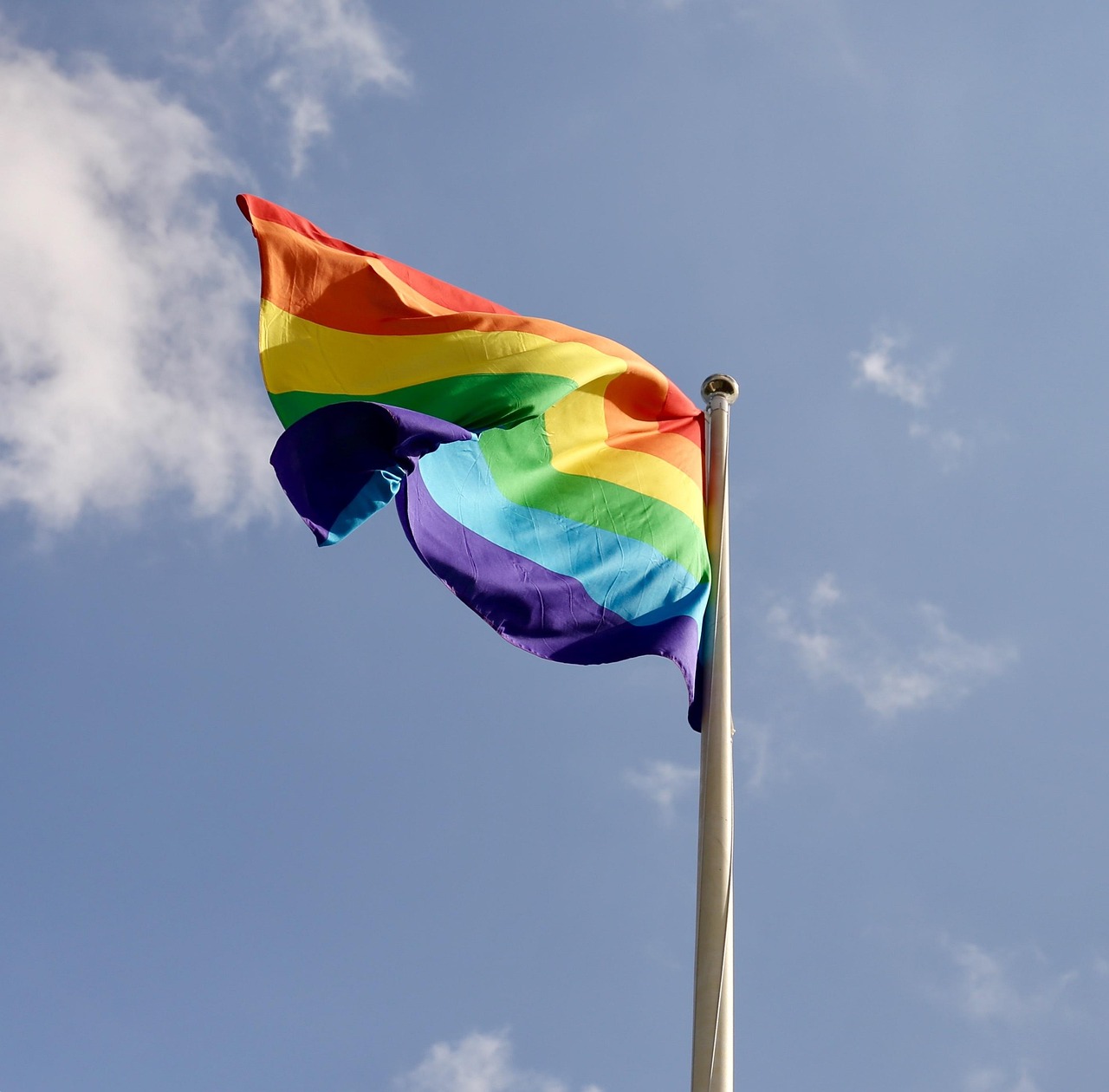
Diversity and Inclusion in Aviation #
Diversity and Inclusion in Aviation
Diversity and Inclusion in Aviation is a critical concept that focuses on creati… #
It encompasses a wide range of factors, including but not limited to race, ethnicity, gender, age, sexual orientation, disability, and socio-economic status.
Diversity #
Diversity refers to the variety of differences that individuals bring to the workplace. This can include differences in race, ethnicity, gender, age, sexual orientation, disability, religion, and socio-economic status. Embracing diversity in aviation is essential for promoting innovation, creativity, and a positive work environment.
Inclusion #
Inclusion is the practice of ensuring that all individuals feel valued, respected, and supported within the aviation industry. It involves creating a culture where everyone has an equal opportunity to contribute, develop, and succeed. Inclusion goes beyond simply acknowledging diversity; it is about actively promoting a sense of belonging for all employees.
Unconscious Bias #
Unconscious bias refers to the automatic, unintentional judgments and stereotypes that individuals hold about others. These biases can impact decision-making, behavior, and interactions in the workplace. In aviation, unconscious bias can influence hiring practices, promotions, and overall employee experiences. Training programs and awareness initiatives are essential for addressing and mitigating unconscious bias.
Equal Employment Opportunity #
Equal Employment Opportunity (EEO) refers to the principle that all individuals should have equal access to employment opportunities, regardless of their background. EEO laws prohibit discrimination based on factors such as race, gender, age, disability, and religion. Compliance with EEO regulations is essential for promoting diversity and inclusion in aviation.
Affirmative Action #
Affirmative Action is a set of policies and initiatives designed to promote the inclusion of underrepresented groups in the workplace. These programs aim to address historical discrimination and create opportunities for individuals who have been marginalized. Affirmative Action measures can include targeted recruitment efforts, training programs, and mentorship opportunities.
Intersectionality #
Intersectionality is the concept that individuals experience multiple forms of discrimination and oppression based on the intersection of their various identities. For example, a woman of color may face different challenges in the workplace compared to a white woman or a man of color. Understanding intersectionality is crucial for creating inclusive policies and practices in aviation.
Cultural Competence #
Cultural competence refers to the ability to effectively interact and communicate with individuals from diverse cultural backgrounds. In aviation, cultural competence is essential for providing excellent customer service, building strong teams, and fostering a welcoming work environment. Training programs on cultural competence can help employees develop the skills needed to navigate multicultural settings.
Employee Resource Groups #
Employee Resource Groups (ERGs) are internal groups within organizations that are formed based on shared characteristics or interests. ERGs can focus on promoting diversity and inclusion, providing networking opportunities, and offering support to employees. In aviation, ERGs can play a crucial role in building a sense of community and belonging among employees.
Microaggressions #
Microaggressions are subtle, often unintentional behaviors or comments that communicate derogatory or negative messages to individuals based on their identity. These actions can be harmful and contribute to a hostile work environment. In aviation, addressing and preventing microaggressions is essential for creating a respectful and inclusive workplace.
Supplier Diversity #
Supplier Diversity is the practice of sourcing goods and services from businesses owned by individuals from underrepresented groups. By prioritizing supplier diversity, aviation companies can support small businesses, promote economic growth in diverse communities, and enhance their reputation as socially responsible organizations.
Implicit Bias Training #
Implicit Bias Training is a form of education that aims to raise awareness of unconscious biases and provide strategies for mitigating their impact. In aviation, implicit bias training can help employees recognize and address their biases, leading to more equitable decision-making processes and improved relationships among team members.
Recruitment and Retention #
Recruitment and retention strategies are essential for building a diverse and inclusive workforce in aviation. By implementing targeted recruitment efforts, offering competitive benefits and career development opportunities, and creating a supportive work environment, organizations can attract and retain top talent from all backgrounds.
Mentorship and Sponsorship #
Mentorship and sponsorship programs are valuable tools for supporting the professional development of employees from underrepresented groups in aviation. Mentors provide guidance, advice, and support to individuals as they navigate their careers, while sponsors advocate for their mentees and help them access opportunities for advancement.
Accessibility and Inclusivity #
Accessibility and inclusivity in aviation involve ensuring that facilities, services, and technology are designed to accommodate individuals with disabilities. By prioritizing accessibility, aviation companies can create a welcoming environment for employees and passengers of all abilities, promoting a culture of inclusivity and equality.
Gender Equality #
Gender equality is the principle that individuals of all genders should have equal rights, opportunities, and treatment in all aspects of society. In aviation, promoting gender equality involves addressing gender disparities in leadership roles, pay equity, and opportunities for career advancement. Creating a more inclusive and equitable industry benefits everyone.
Work #
Life Balance - Work-life balance refers to the ability of employees to effectively manage their professional responsibilities and personal life. In aviation, offering flexible work arrangements, wellness programs, and support services can help employees achieve a healthy balance and reduce stress. Prioritizing work-life balance contributes to a more engaged and productive workforce.
Leadership Commitment #
Leadership commitment is essential for driving diversity and inclusion initiatives in aviation. When leaders prioritize diversity, set clear goals, and hold themselves and others accountable, they create a culture where all employees feel valued and respected. Strong leadership support is key to fostering a diverse and inclusive workplace.
Employee Engagement #
Employee engagement refers to the level of commitment, motivation, and satisfaction that employees have in their work. In aviation, promoting diversity and inclusion can enhance employee engagement by creating a sense of belonging, fostering collaboration, and celebrating individual contributions. Engaged employees are more likely to be productive and loyal to their organization.
Corporate Social Responsibility #
Corporate Social Responsibility (CSR) is the practice of operating a business in a sustainable and ethical manner, while also contributing to the well-being of society. In aviation, CSR initiatives can include supporting local communities, reducing environmental impact, and promoting diversity and inclusion. By prioritizing CSR, aviation companies can build trust with stakeholders and make a positive impact on society.
Emotional Intelligence #
Emotional Intelligence (EI) is the ability to recognize, understand, and manage one's own emotions, as well as the emotions of others. In aviation, employees with high emotional intelligence are better equipped to navigate complex social interactions, communicate effectively, and build strong relationships with colleagues and customers. Developing emotional intelligence skills can enhance teamwork and promote a positive work environment.
Conflict Resolution #
Conflict resolution is the process of addressing and resolving disagreements or disputes in a constructive manner. In aviation, conflict can arise between employees, teams, or departments due to differences in opinions, values, or communication styles. Effective conflict resolution strategies, such as active listening, compromise, and mediation, are essential for maintaining a harmonious work environment and promoting collaboration.
Training and Development #
Training and development programs are crucial for equipping employees with the knowledge, skills, and tools needed to succeed in their roles. In aviation, offering training on diversity and inclusion topics, cultural competence, unconscious bias, and communication skills can help employees build a more inclusive mindset and interact effectively with colleagues and customers from diverse backgrounds.
Employee Feedback #
Employee feedback is essential for fostering a culture of openness, transparency, and continuous improvement in aviation. By soliciting feedback from employees on diversity and inclusion initiatives, policies, and practices, organizations can gain valuable insights, identify areas for improvement, and make informed decisions that support the well-being and engagement of their workforce.
Organizational Culture #
Organizational culture refers to the shared values, beliefs, and norms that shape the behavior and attitudes of employees within an organization. In aviation, creating a culture that values diversity, inclusion, and respect is essential for attracting and retaining top talent, fostering innovation, and promoting a positive workplace environment. Leaders play a critical role in shaping and reinforcing organizational culture.
Psychological Safety #
Psychological safety is the belief that individuals can express themselves, take risks, and share their ideas without fear of retribution or judgment. In aviation, promoting psychological safety is essential for fostering creativity, innovation, and collaboration among team members. Creating a culture where employees feel psychologically safe leads to greater engagement and productivity.
Workplace Wellness #
Workplace wellness programs are initiatives designed to support the physical, mental, and emotional well-being of employees. In aviation, offering wellness benefits, resources, and activities can help employees manage stress, improve their health, and enhance their overall quality of life. Prioritizing workplace wellness contributes to a more engaged and productive workforce.
Employee Resource Group (ERG) #
Employee Resource Group (ERG)
Employee Resource Groups (ERGs) are internal groups within organizations that ar… #
ERGs can play a crucial role in promoting diversity and inclusion in aviation by providing networking opportunities, support, and advocacy for employees from underrepresented groups. These groups can focus on a variety of dimensions of diversity, including race, ethnicity, gender, sexual orientation, disability, and more. ERGs offer a platform for employees to connect, share experiences, and drive positive change within the organization.
ERG Leadership #
ERG Leadership
ERG leadership refers to the individuals who oversee and guide the activities of… #
ERG leaders are responsible for fostering a sense of community, promoting diversity and inclusion, and advocating for the needs of employees from underrepresented groups. Strong ERG leadership is essential for driving initiatives that support the professional development, well-being, and advancement of ERG members. Leaders of ERGs often collaborate with senior management to align ERG goals with organizational objectives and drive positive change.
ERG Events #
ERG Events
ERG events are activities, programs, or initiatives organized by an Employee Res… #
These events provide opportunities for ERG members to connect, learn, and engage with each other and the broader workforce. ERG events can include workshops, networking sessions, cultural celebrations, volunteer activities, and educational seminars. By hosting a variety of events, ERGs can create a sense of belonging, foster collaboration, and raise awareness of diversity and inclusion issues in the workplace.
ERG Allies #
ERG Allies
ERG allies are individuals within an organization who support and advocate for t… #
Allies play a crucial role in promoting diversity and inclusion by amplifying the voices of ERG members, raising awareness of key issues, and driving positive change within the organization. Allies may not identify with the specific dimensions of diversity represented by the ERG but are committed to advancing equity, respect, and inclusion for all employees. Building a network of allies is essential for creating a more inclusive and supportive workplace environment.
ERG Collaboration #
ERG Collaboration
ERG collaboration involves partnerships and alliances between Employee Resource… #
Collaborating with other ERGs, departments, affinity groups, and community organizations allows ERGs to leverage resources, share best practices, and amplify their impact. By working together, ERGs can address complex challenges, drive organizational change, and foster a culture of inclusion that benefits all employees. Collaboration is a key strategy for maximizing the effectiveness and reach of ERG efforts.
ERG Impact #
ERG Impact
ERG impact refers to the positive outcomes and influence that an Employee Resour… #
The impact of ERGs can be measured in various ways, including increased employee engagement, improved retention rates, enhanced diversity in leadership, and a more inclusive workplace culture. ERGs play a vital role in driving change, raising awareness, and advocating for the needs of underrepresented groups. By demonstrating their impact, ERGs can secure support from senior leadership, attract new members, and contribute to the overall success of the organization.
ERG Best Practices #
ERG Best Practices
ERG best practices are strategies, approaches, and guidelines that Employee Reso… #
Best practices for ERGs may include establishing clear goals and objectives, engaging with senior leadership, measuring outcomes, promoting diversity and inclusion, and cultivating a sense of belonging among members. By adopting best practices, ERGs can enhance their visibility, credibility, and influence, leading to greater support and recognition from the organization. Sharing best practices among ERGs can also help drive continuous improvement and innovation in diversity and inclusion efforts.