
Introduction To Expressive Arts
Welcome to this episode of the London School of Planning and Management podcast, where we're exploring the fascinating world of trauma healing through expressive arts. I'm your host, and I'm excited to dive into the topic of Introduction to…
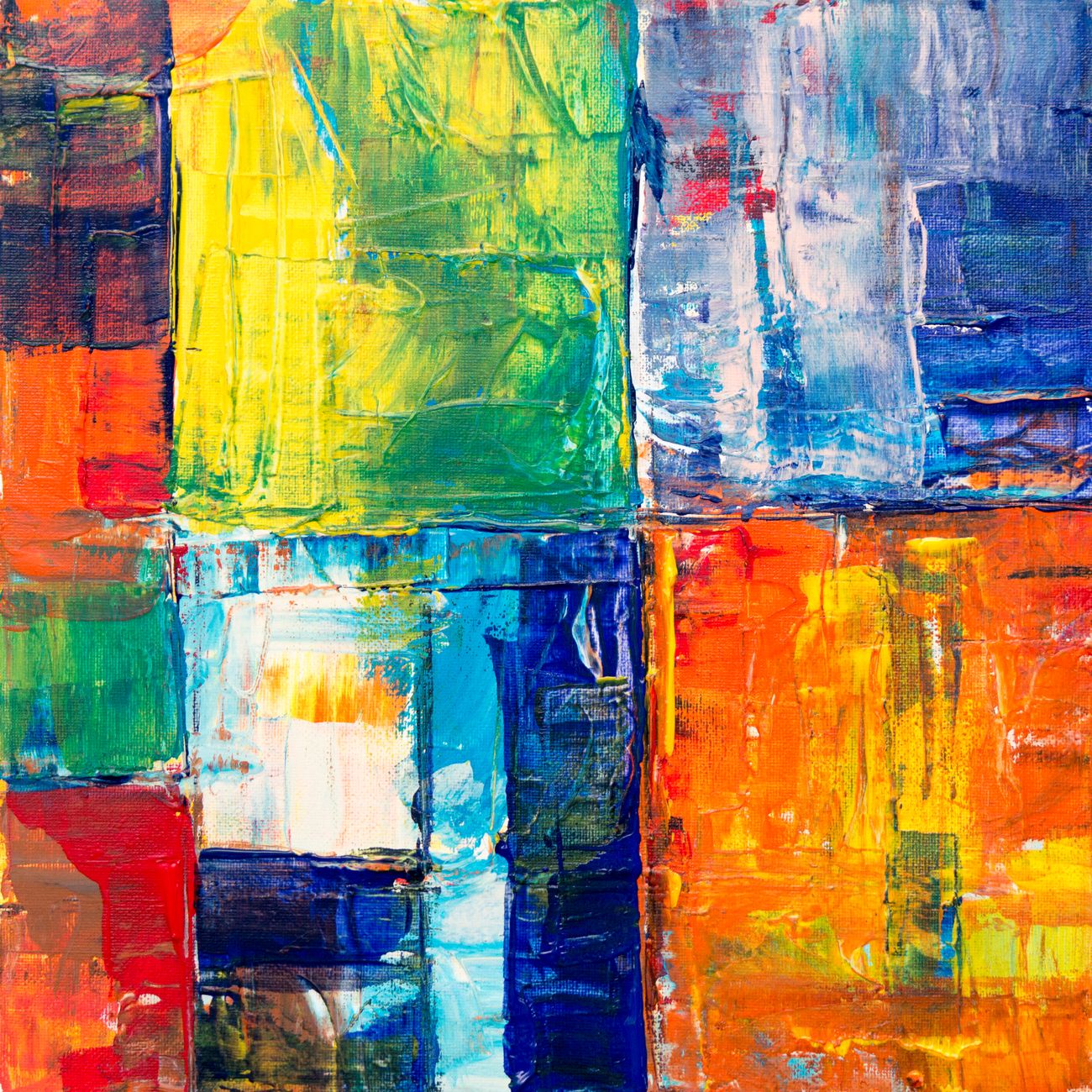
Photo from Pexels
Welcome to this episode of the London School of Planning and Management podcast, where we're exploring the fascinating world of trauma healing through expressive arts. I'm your host, and I'm excited to dive into the topic of Introduction to Expressive Arts, a fundamental unit in our Certificate in Trauma Healing Through Expressive Arts course. As we embark on this journey, I want you to imagine yourself in a world where creativity knows no bounds, and the arts become a powerful tool for healing and transformation.
The concept of expressive arts has been around for centuries, with roots in ancient cultures that used art, music, and movement to express emotions, tell stories, and connect with others. From the tribal rituals of Africa to the poetic traditions of Asia, expressive arts have played a vital role in human expression and communication. Fast-forward to the present day, and we see a growing recognition of the therapeutic benefits of expressive arts in modern psychology and healthcare. This is where our journey begins, as we explore the principles and practices of Introduction to Expressive Arts, and how they can be applied in real-life situations.
So, what exactly is Introduction to Expressive Arts? Simply put, it's an approach that combines various art forms, such as painting, drawing, music, dance, and drama, to facilitate emotional expression, healing, and personal growth. By tapping into our creative potential, we can access and process deep-seated emotions, gain new insights, and develop a greater sense of self-awareness. This unit is essential for anyone looking to work with individuals who have experienced trauma, as it provides a safe and supportive environment for them to express themselves and begin the healing process.
Now, let's talk about some practical applications of Introduction to Expressive Arts. Imagine working with a client who has experienced trauma, and they're struggling to put their emotions into words. By introducing a creative activity, such as painting or drawing, you can help them express and process their feelings in a non-verbal way. This can be a powerful tool for building trust, establishing a sense of safety, and creating a foundation for further healing. Another example is using music or movement to help individuals release tension, manage stress, and regulate their emotions. The key is to approach each individual with sensitivity and compassion, and to create a space that feels safe and supportive.
This unit is essential for anyone looking to work with individuals who have experienced trauma, as it provides a safe and supportive environment for them to express themselves and begin the healing process.
As we explore the world of Introduction to Expressive Arts, it's essential to be aware of common pitfalls to avoid. One of the most significant mistakes is to push individuals to express themselves in a way that feels forced or artificial. This can lead to feelings of discomfort, anxiety, or even re-traumatization. Instead, we need to approach each individual with empathy and understanding, and allow them to express themselves in a way that feels authentic and natural. Another pitfall is to underestimate the power of creative expression, and to view it as simply a "fun" or "relaxing" activity. While it's true that creative expression can be enjoyable, it's also a potent tool for healing and transformation, and should be approached with respect and sensitivity.
As we conclude this episode, I want to leave you with an inspiring message. The world of Introduction to Expressive Arts is a vast and wondrous place, full of creative possibilities and healing potential. By embracing this approach, you can become a catalyst for growth, healing, and transformation in the lives of others. So, I encourage you to continue your journey of exploration and discovery, and to apply the principles and practices of Introduction to Expressive Arts in your own life and work. If you're interested in learning more, I invite you to subscribe to our podcast, where we'll be exploring more topics related to trauma healing and expressive arts. You can also share this episode with others, and join the conversation on social media using the hashtag #LSPM. Thank you for joining me on this journey, and I look forward to connecting with you again soon. The London School of Planning and Management is committed to providing high-quality education and resources, and we're excited to have you as part of our community.
Key takeaways
- I'm your host, and I'm excited to dive into the topic of Introduction to Expressive Arts, a fundamental unit in our Certificate in Trauma Healing Through Expressive Arts course.
- The concept of expressive arts has been around for centuries, with roots in ancient cultures that used art, music, and movement to express emotions, tell stories, and connect with others.
- This unit is essential for anyone looking to work with individuals who have experienced trauma, as it provides a safe and supportive environment for them to express themselves and begin the healing process.
- By introducing a creative activity, such as painting or drawing, you can help them express and process their feelings in a non-verbal way.
- While it's true that creative expression can be enjoyable, it's also a potent tool for healing and transformation, and should be approached with respect and sensitivity.
- So, I encourage you to continue your journey of exploration and discovery, and to apply the principles and practices of Introduction to Expressive Arts in your own life and work.