
Group Trauma Healing Through Expressive Arts
Welcome to this episode of the London School of Planning and Management podcast, where we're exploring the powerful world of trauma healing through expressive arts. I'm your host, and I'm excited to dive into the topic of Group Trauma Heali…
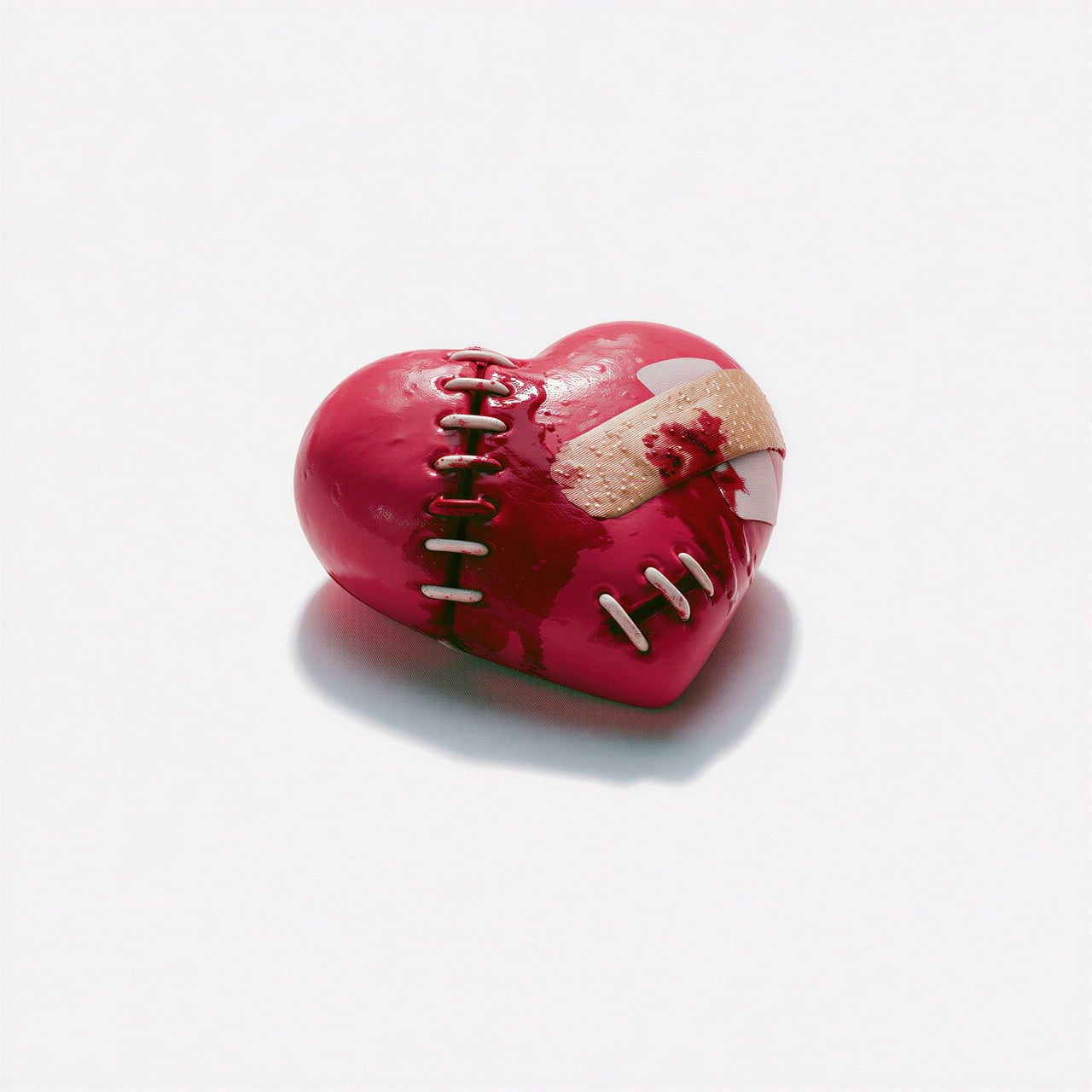
Photo from Pexels
Welcome to this episode of the London School of Planning and Management podcast, where we're exploring the powerful world of trauma healing through expressive arts. I'm your host, and I'm excited to dive into the topic of Group Trauma Healing Through Expressive Arts, a crucial unit in our Certificate in Trauma Healing Through Expressive Arts course. This unit is all about harnessing the collective energy of a group to facilitate healing, growth, and transformation, and I must say, it's a game-changer.
As we delve into the world of group trauma healing, it's essential to understand the historical context that has led us to this point. The use of expressive arts in therapy dates back to the early 20th century, when pioneers like Carl Jung and Sigmund Freud began exploring the connection between creativity and the human psyche. Over the years, this field has evolved, and we've seen the emergence of various forms of expressive arts therapy, from art and music to drama and movement. Today, we recognize the profound impact that group trauma healing through expressive arts can have on individuals and communities, and it's an honor to be a part of this journey.
So, what makes group trauma healing through expressive arts so powerful? For one, it provides a safe and supportive environment where individuals can share their experiences, connect with others, and process their emotions in a creative and non-verbal way. This can be particularly helpful for those who struggle to express themselves through traditional talk therapy. By using expressive arts, we can tap into the subconscious mind, unlocking deep-seated emotions and memories that may be difficult to access through words alone.
Now, let's talk about some practical applications of group trauma healing through expressive arts. One of the most effective strategies is to use a combination of art forms, such as painting, drawing, and sculpture, to create a collaborative piece that represents the group's collective energy. This can be a powerful way to build trust, foster connection, and promote a sense of community. Another approach is to use movement and dance to release tension and emotions, allowing participants to express themselves in a non-verbal way. We've seen incredible results from this approach, with participants reporting a significant reduction in stress and anxiety.
One of the most effective strategies is to use a combination of art forms, such as painting, drawing, and sculpture, to create a collaborative piece that represents the group's collective energy.
Of course, as with any form of therapy, there are potential pitfalls to avoid. One common mistake is to push participants too hard, forcing them to confront emotions or memories that they're not ready to face. This can be damaging and even trigger further trauma. To avoid this, it's essential to create a safe and supportive environment, where participants feel comfortable sharing their experiences and emotions at their own pace. At London School of Planning and Management, we emphasize the importance of establishing clear boundaries and guidelines, ensuring that all participants feel secure and supported throughout the process.
As we explore the world of group trauma healing through expressive arts, it's essential to remember that this is a journey, not a destination. It's a process that requires patience, compassion, and understanding. By embracing this approach, we can create a ripple effect of healing and growth, impacting not just individuals but entire communities. So, I encourage you to join us on this journey, to explore the transformative power of group trauma healing through expressive arts, and to discover the incredible impact it can have on your life and the lives of those around you.
As we conclude this episode, I want to leave you with a message of hope and inspiration. Remember that healing is possible, and that you are not alone. By embracing the power of expressive arts, you can unlock your full potential, overcome trauma and adversity, and live a life that is authentic, meaningful, and fulfilling. If you're as passionate about this topic as I am, I invite you to subscribe to our podcast, share this episode with others, and join the conversation on social media using the hashtag #LSPM. Together, let's create a community that promotes healing, growth, and transformation, and let's continue to explore the incredible world of trauma healing through expressive arts. Thank you for joining me on this journey, and I look forward to connecting with you again soon.
Key takeaways
- I'm your host, and I'm excited to dive into the topic of Group Trauma Healing Through Expressive Arts, a crucial unit in our Certificate in Trauma Healing Through Expressive Arts course.
- The use of expressive arts in therapy dates back to the early 20th century, when pioneers like Carl Jung and Sigmund Freud began exploring the connection between creativity and the human psyche.
- For one, it provides a safe and supportive environment where individuals can share their experiences, connect with others, and process their emotions in a creative and non-verbal way.
- One of the most effective strategies is to use a combination of art forms, such as painting, drawing, and sculpture, to create a collaborative piece that represents the group's collective energy.
- At London School of Planning and Management, we emphasize the importance of establishing clear boundaries and guidelines, ensuring that all participants feel secure and supported throughout the process.
- So, I encourage you to join us on this journey, to explore the transformative power of group trauma healing through expressive arts, and to discover the incredible impact it can have on your life and the lives of those around you.
- If you're as passionate about this topic as I am, I invite you to subscribe to our podcast, share this episode with others, and join the conversation on social media using the hashtag #LSPM.