
Dance Movement Therapy
Welcome to this episode of the London School of Planning and Management podcast, where we're exploring the fascinating world of trauma healing through expressive arts, and today, we're diving into the incredible realm of Dance Movement Ther…
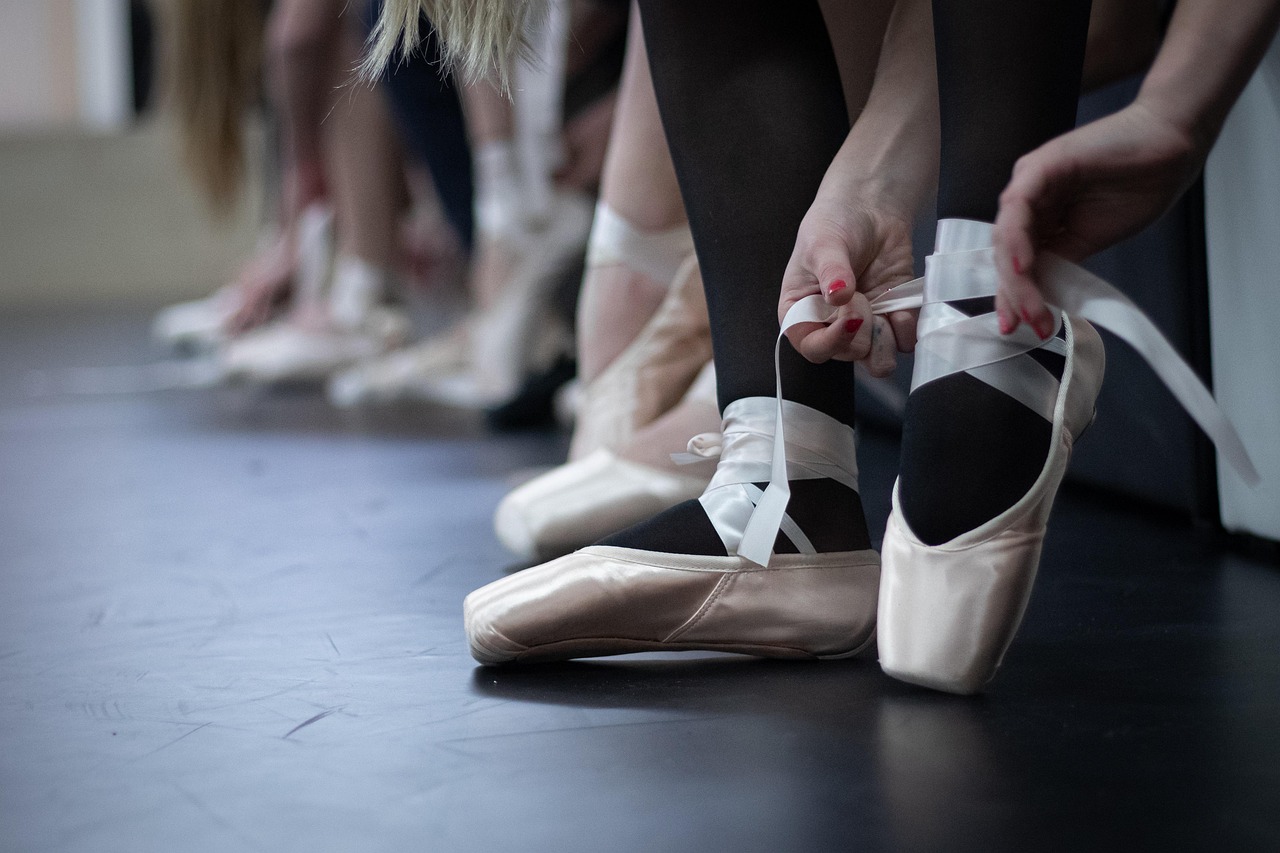
Photo from Pexels
Welcome to this episode of the London School of Planning and Management podcast, where we're exploring the fascinating world of trauma healing through expressive arts, and today, we're diving into the incredible realm of Dance Movement Therapy. I'm your host, and I'm thrilled to take you on this journey, as we uncover the power of dance and movement in transforming lives.
As we delve into this unit, it's essential to understand the significance of Dance Movement Therapy in the context of trauma healing. This approach has been gaining recognition for its unique ability to tap into the subconscious mind, allowing individuals to express and process emotions in a way that traditional talk therapy may not. With roots dating back to the 1940s, Dance Movement Therapy has evolved over the years, influenced by pioneers like Marian Chace, who pioneered the use of dance as a therapeutic tool. Today, it's an integral part of the Certificate in Trauma Healing Through Expressive Arts program offered by the London School of Planning and Management, and we're excited to share its practical applications with you.
So, how can Dance Movement Therapy be used in real-life situations? Imagine being able to help someone who's struggling to express their emotions, or working with a client who's experienced trauma and is finding it challenging to verbalize their feelings. By using dance and movement, you can create a safe space for them to explore and release their emotions, promoting healing and growth. For instance, you could use mirroring techniques, where you mirror the client's movements, creating a sense of connection and understanding. Or, you could use improvisation, allowing the client to express themselves freely, without judgment.
As we explore the practical applications of Dance Movement Therapy, it's crucial to be aware of common pitfalls to avoid. One of the most significant challenges is ensuring that the client feels comfortable and safe, as dance and movement can be intimidating, especially for those who are not familiar with it. To overcome this, it's essential to establish a trusting relationship, create a non-judgmental space, and provide clear guidelines and boundaries. For example, you could start with simple exercises, like breathing or gentle stretching, to help the client relax and become more comfortable with their body.
One of the most significant challenges is ensuring that the client feels comfortable and safe, as dance and movement can be intimidating, especially for those who are not familiar with it.
As you embark on this journey of discovering Dance Movement Therapy, remember that it's not just about the physical movement, but about the emotional and psychological transformation that occurs through the process. It's about creating a sense of empowerment, self-awareness, and healing. So, take a moment to reflect on how you can apply these principles in your own life or work. Perhaps you're working with clients who are struggling with anxiety or depression, or maybe you're looking for a new way to express yourself creatively. Whatever your goal, remember that Dance Movement Therapy is a powerful tool that can be adapted to suit various needs and contexts.
As we come to the end of this episode, I want to leave you with an inspiring message: the power to heal and transform is within you, and Dance Movement Therapy can be a potent catalyst for this journey. Don't be afraid to explore, experiment, and express yourself through movement. Remember, the London School of Planning and Management is committed to providing you with the knowledge, skills, and support you need to become a skilled practitioner in the field of trauma healing through expressive arts.
If you're as passionate about this topic as I am, I invite you to subscribe to our podcast, share this episode with someone who may benefit from it, and join the conversation on our social media channels. Together, let's continue to explore the incredible world of expressive arts and trauma healing, and let's inspire each other to grow, learn, and thrive. Thank you for tuning in, and we look forward to embarking on this journey with you, as part of the London School of Planning and Management community.
Key takeaways
- I'm your host, and I'm thrilled to take you on this journey, as we uncover the power of dance and movement in transforming lives.
- Today, it's an integral part of the Certificate in Trauma Healing Through Expressive Arts program offered by the London School of Planning and Management, and we're excited to share its practical applications with you.
- Imagine being able to help someone who's struggling to express their emotions, or working with a client who's experienced trauma and is finding it challenging to verbalize their feelings.
- One of the most significant challenges is ensuring that the client feels comfortable and safe, as dance and movement can be intimidating, especially for those who are not familiar with it.
- As you embark on this journey of discovering Dance Movement Therapy, remember that it's not just about the physical movement, but about the emotional and psychological transformation that occurs through the process.
- Remember, the London School of Planning and Management is committed to providing you with the knowledge, skills, and support you need to become a skilled practitioner in the field of trauma healing through expressive arts.
- If you're as passionate about this topic as I am, I invite you to subscribe to our podcast, share this episode with someone who may benefit from it, and join the conversation on our social media channels.