
Human Factors in Architectural Design
Human Factors in Architectural Design
Human Factors in Architectural Design
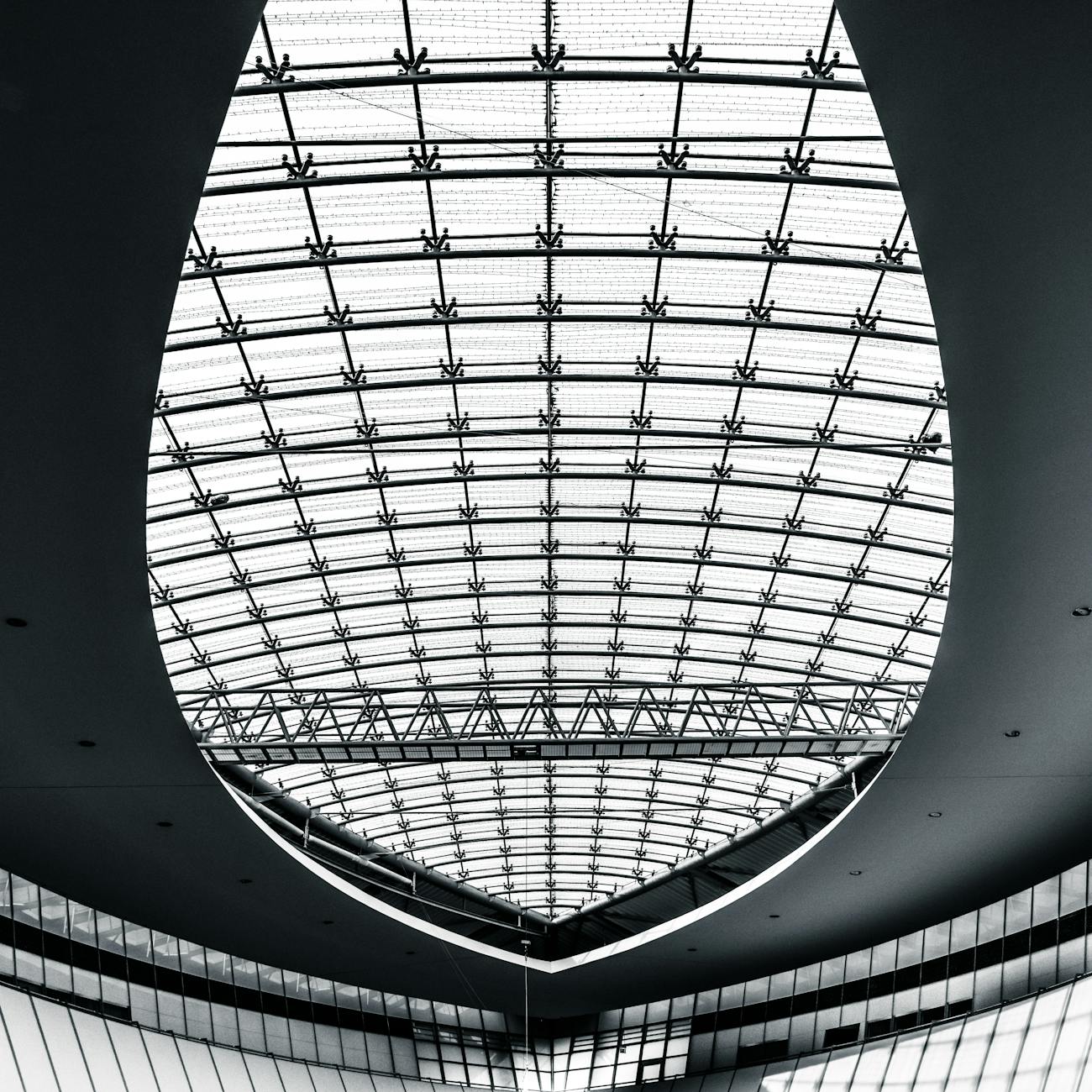
Human Factors in Architectural Design is a critical aspect of creating spaces that are not only aesthetically pleasing but also functional and comfortable for the people who will be using them. It involves understanding how people interact with their environment and designing spaces that support their needs, behaviors, and well-being. In the context of the Postgraduate Certificate in Environmental Psychology in Architecture, this course delves into the various factors that influence human behavior in built environments and how architects can leverage this knowledge to create more user-centric designs.
Key Terms and Vocabulary
1. **Environmental Psychology**: Environmental psychology is the study of how the physical environment impacts human behavior, emotions, and well-being. It explores the relationship between people and their surroundings, including buildings, landscapes, and urban spaces.
2. **User-Centered Design**: User-centered design is an approach that involves designing products, services, or spaces based on the needs and preferences of the end-users. In architectural design, this means creating spaces that prioritize the comfort and usability of the people who will be using them.
3. **Anthropometry**: Anthropometry is the study of human body measurements, proportions, and sizes. Architects use anthropometric data to ensure that spaces are designed to accommodate the average human body and provide comfort and accessibility for users.
4. **Wayfinding**: Wayfinding refers to the process of navigating through a built environment. Effective wayfinding design helps users understand their surroundings, find their way to desired locations, and navigate spaces with ease.
5. **Biophilic Design**: Biophilic design is an approach that incorporates elements of nature into the built environment to enhance human well-being. This can include natural light, greenery, water features, and natural materials that mimic outdoor settings.
6. **Universal Design**: Universal design is the concept of designing products, environments, and services that are accessible and usable by people of all ages, abilities, and backgrounds. In architecture, universal design aims to create spaces that are inclusive and accommodating for everyone.
7. **Ergonomics**: Ergonomics is the science of designing products and systems to optimize human well-being and performance. In architectural design, ergonomics focuses on creating spaces that are comfortable, efficient, and supportive of human activities.
8. **Sensory Design**: Sensory design considers how the sensory experiences of sight, sound, touch, smell, and taste influence human perception and behavior in the built environment. Architects use sensory design principles to create immersive and engaging spaces.
9. **Cognitive Mapping**: Cognitive mapping is the mental process of organizing and remembering spatial information to navigate and interact with the environment. Architects use cognitive mapping principles to design spaces that are intuitive and easy to understand for users.
10. **Social Interaction**: Social interaction in architectural design refers to the ways in which people engage with each other within a built environment. Architects consider social interaction patterns to create spaces that foster communication, collaboration, and community building.
11. **Emotional Impact**: Emotional impact in architectural design refers to the feelings and emotions evoked by a space. Architects aim to create environments that elicit positive emotions, such as joy, relaxation, and inspiration, to enhance the well-being of users.
12. **Human Scale**: Human scale is the proportion and size of elements within a space relative to the human body. Designing at a human scale ensures that spaces feel comfortable, inviting, and appropriately sized for users.
13. **Visual Comfort**: Visual comfort in architectural design refers to the quality of light, color, and visual stimuli in a space. Architects consider visual comfort to reduce glare, improve visibility, and create visually appealing environments for users.
14. **Acoustic Design**: Acoustic design focuses on controlling sound levels, reverberation, and noise in a space to create a comfortable auditory environment. Architects use acoustic design principles to enhance speech intelligibility and reduce distractions for users.
15. **Thermal Comfort**: Thermal comfort is the sensation of feeling neither too hot nor too cold in a space. Architects consider factors such as temperature, humidity, and air circulation to create environments that are thermally comfortable for users.
Practical Applications
1. **Workspace Design**: In office buildings, architects can use human factors principles to design workspaces that promote productivity, collaboration, and well-being. This can include incorporating natural light, flexible furniture arrangements, and acoustic treatments to create a comfortable and inspiring work environment.
2. **Healthcare Facilities**: In hospitals and clinics, architects can apply human factors in design to create healing environments that support patient recovery and staff efficiency. This may involve designing patient rooms with access to nature, clear wayfinding signage, and comfortable waiting areas to reduce stress and promote healing.
3. **Educational Spaces**: In schools and universities, architects can use human factors to design classrooms and learning environments that enhance student engagement, focus, and learning outcomes. This can include optimizing lighting, acoustics, and furniture layouts to create spaces that support diverse teaching and learning styles.
4. **Residential Design**: In residential buildings, architects can apply human factors to create homes that are functional, comfortable, and personalized to the needs of the occupants. This may involve designing living spaces with ample natural light, well-ventilated bedrooms, and flexible layouts to accommodate different lifestyles and preferences.
5. **Retail Environments**: In shopping malls and retail stores, architects can leverage human factors to design spaces that attract customers, promote exploration, and facilitate shopping experiences. This can include using sensory design elements, clear wayfinding systems, and comfortable seating areas to create inviting and engaging retail environments.
Challenges
1. **Budget Constraints**: One of the challenges in applying human factors in architectural design is balancing user needs with budget constraints. Incorporating features such as biophilic design or universal design principles may require additional costs, which can be a barrier for some projects.
2. **Changing User Preferences**: Another challenge is keeping up with the evolving needs and preferences of users. As society changes, so do expectations for built environments, requiring architects to stay current with trends in human behavior and design innovations.
3. **Regulatory Requirements**: Meeting building codes and regulations while also optimizing for human factors can be a challenge for architects. Balancing safety, accessibility, and user comfort within the constraints of regulatory frameworks can require careful planning and coordination.
4. **Interdisciplinary Collaboration**: Human factors in architectural design often involves collaboration with experts from various fields such as psychology, anthropology, and engineering. Coordinating different perspectives and expertise can be challenging but is essential for creating holistic and user-centric designs.
5. **Evaluation and Feedback**: Assessing the effectiveness of human factors principles in architectural design requires feedback from users and stakeholders. Obtaining meaningful feedback and using it to inform future design decisions can be a challenge, especially in large-scale projects with diverse user groups.
Conclusion
In conclusion, Human Factors in Architectural Design is a multidisciplinary field that integrates principles of psychology, design, and engineering to create spaces that are responsive to human needs and behaviors. By understanding key terms and concepts such as environmental psychology, user-centered design, and sensory design, architects can enhance the usability, comfort, and well-being of users in built environments. Practical applications in workspace design, healthcare facilities, educational spaces, residential design, and retail environments demonstrate the importance of applying human factors principles in diverse architectural contexts. Despite challenges such as budget constraints, changing user preferences, regulatory requirements, interdisciplinary collaboration, and evaluation, architects can overcome these obstacles by prioritizing user needs and engaging in continuous learning and innovation in their design practice.
Key takeaways
- Human Factors in Architectural Design is a critical aspect of creating spaces that are not only aesthetically pleasing but also functional and comfortable for the people who will be using them.
- **Environmental Psychology**: Environmental psychology is the study of how the physical environment impacts human behavior, emotions, and well-being.
- **User-Centered Design**: User-centered design is an approach that involves designing products, services, or spaces based on the needs and preferences of the end-users.
- Architects use anthropometric data to ensure that spaces are designed to accommodate the average human body and provide comfort and accessibility for users.
- Effective wayfinding design helps users understand their surroundings, find their way to desired locations, and navigate spaces with ease.
- **Biophilic Design**: Biophilic design is an approach that incorporates elements of nature into the built environment to enhance human well-being.
- **Universal Design**: Universal design is the concept of designing products, environments, and services that are accessible and usable by people of all ages, abilities, and backgrounds.