
Sustainable Design Principles
Sustainable Design Principles
Sustainable Design Principles
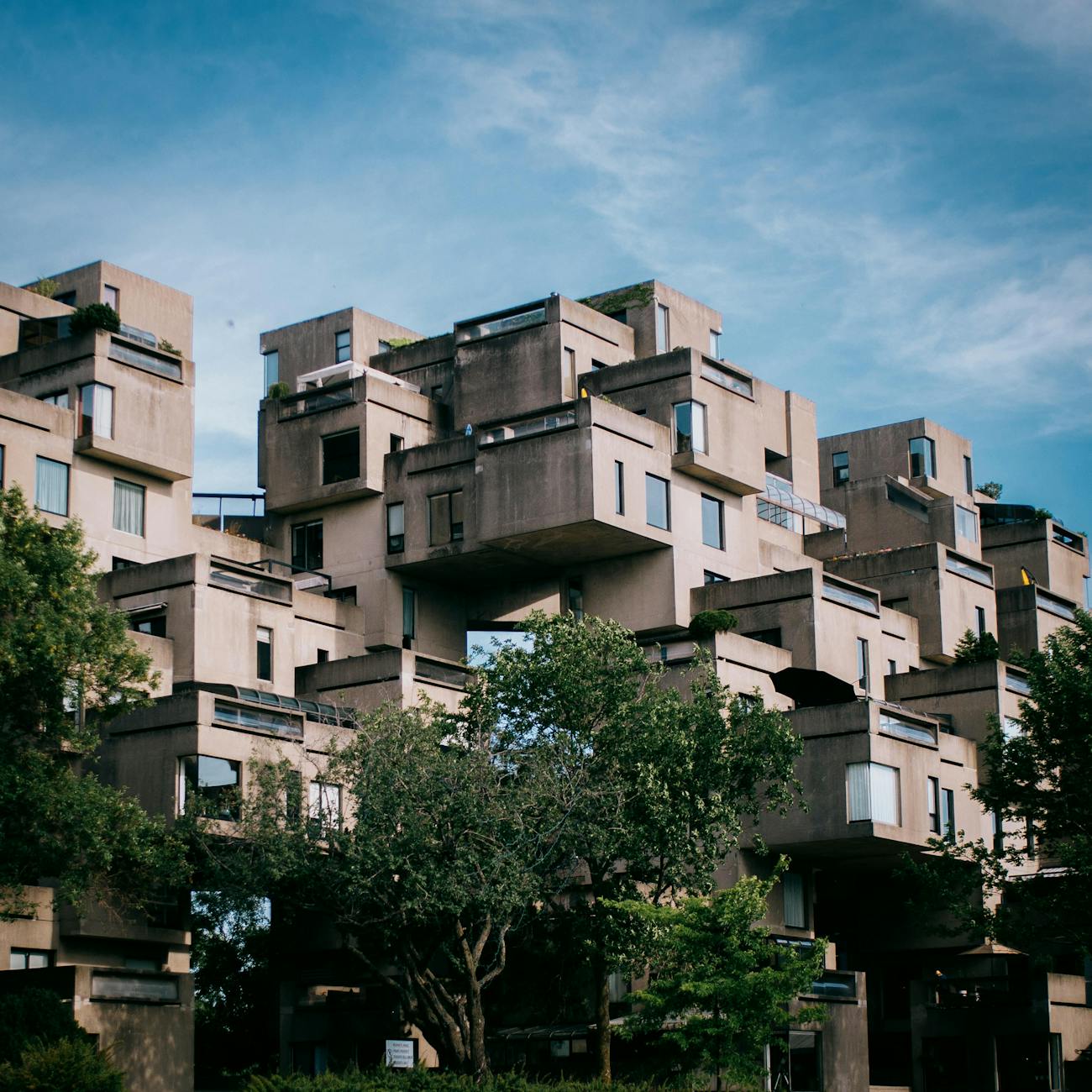
Sustainable design principles are essential in creating environmentally friendly and energy-efficient buildings. These principles focus on reducing the negative impact of construction and operation on the environment while promoting healthy and comfortable spaces for occupants. Incorporating sustainable design principles in architecture is crucial for addressing global challenges such as climate change, resource depletion, and pollution. By implementing these principles, architects can create buildings that are not only aesthetically pleasing but also contribute to a more sustainable future.
Environmental Psychology
Environmental psychology is the study of how individuals interact with their physical environment and how the environment impacts human behavior, well-being, and performance. In architecture, environmental psychology plays a significant role in understanding how design elements such as lighting, ventilation, color, and layout influence occupants' mood, productivity, and overall experience within a space. By applying principles of environmental psychology, architects can create buildings that enhance occupants' quality of life and promote well-being.
Sustainability
Sustainability refers to the ability to meet present needs without compromising the ability of future generations to meet their own needs. In architecture, sustainability involves designing buildings that minimize resource consumption, reduce waste generation, and promote the use of renewable energy sources. Sustainable buildings aim to create a healthy indoor environment, reduce carbon emissions, and contribute to a more sustainable built environment overall.
Green Building
Green building refers to the practice of designing, constructing, and operating buildings in an environmentally responsible and resource-efficient manner. Green buildings incorporate sustainable design principles to reduce energy consumption, water usage, and environmental impact. They often feature energy-efficient systems, renewable energy sources, and materials with low environmental impact. Green buildings aim to create healthy and comfortable indoor environments while minimizing their carbon footprint.
Passive Design
Passive design is a design approach that utilizes natural elements such as sunlight, wind, and thermal mass to create comfortable indoor environments without the need for mechanical heating or cooling. Passive design strategies include orientation, shading, insulation, and natural ventilation to optimize energy efficiency and occupant comfort. By incorporating passive design principles, architects can reduce energy consumption and enhance the sustainability of buildings.
Net-Zero Energy
Net-zero energy buildings are designed to produce as much energy as they consume over the course of a year. These buildings typically incorporate energy-efficient systems, renewable energy sources, and passive design strategies to minimize energy consumption. Net-zero energy buildings contribute to reducing greenhouse gas emissions and promoting energy independence. Achieving net-zero energy requires a holistic approach to design, construction, and operation.
Biophilic Design
Biophilic design is an approach that integrates nature and natural elements into the built environment to improve occupants' well-being and connection to the natural world. Biophilic design principles include incorporating natural light, views of nature, indoor plants, and natural materials to create spaces that support human health and well-being. By incorporating biophilic design elements, architects can create buildings that enhance occupants' mental and physical health.
Life Cycle Assessment
Life cycle assessment (LCA) is a method for evaluating the environmental impact of a product or building over its entire life cycle, from raw material extraction to disposal. LCA considers factors such as energy consumption, resource depletion, greenhouse gas emissions, and waste generation to assess the sustainability of a building. By conducting a life cycle assessment, architects can identify opportunities to reduce environmental impact and improve the overall sustainability of a project.
Carbon Footprint
A carbon footprint is the total amount of greenhouse gas emissions produced directly and indirectly by an individual, organization, or product. In architecture, the carbon footprint of a building includes emissions from construction, operation, maintenance, and demolition. Architects can reduce a building's carbon footprint by incorporating energy-efficient systems, renewable energy sources, and sustainable materials into the design.
LEED Certification
Leadership in Energy and Environmental Design (LEED) certification is a green building certification program that recognizes buildings for their sustainable design, construction, and operation. LEED certification is based on criteria such as energy efficiency, water conservation, indoor air quality, and materials selection. Buildings can achieve different levels of LEED certification, from Certified to Platinum, based on their environmental performance.
Challenges in Sustainable Design
While sustainable design principles offer numerous benefits, architects may face challenges in implementing them effectively. Some common challenges include cost constraints, limited availability of sustainable materials, complex building codes, and lack of awareness or expertise in sustainable design practices. Overcoming these challenges requires a commitment to innovation, collaboration with experts, and continuous learning to develop sustainable solutions that meet both environmental and economic goals.
Conclusion
In conclusion, sustainable design principles are essential in creating buildings that are environmentally friendly, energy-efficient, and healthy for occupants. By incorporating principles of sustainability, green building, passive design, and biophilic design, architects can design buildings that minimize environmental impact and promote occupant well-being. Achieving sustainability in architecture requires a holistic approach that considers the entire life cycle of a building and addresses challenges such as cost constraints and regulatory requirements. By embracing sustainable design principles, architects can contribute to a more sustainable built environment and create spaces that enhance the quality of life for current and future generations.
Key takeaways
- These principles focus on reducing the negative impact of construction and operation on the environment while promoting healthy and comfortable spaces for occupants.
- In architecture, environmental psychology plays a significant role in understanding how design elements such as lighting, ventilation, color, and layout influence occupants' mood, productivity, and overall experience within a space.
- In architecture, sustainability involves designing buildings that minimize resource consumption, reduce waste generation, and promote the use of renewable energy sources.
- Green building refers to the practice of designing, constructing, and operating buildings in an environmentally responsible and resource-efficient manner.
- Passive design is a design approach that utilizes natural elements such as sunlight, wind, and thermal mass to create comfortable indoor environments without the need for mechanical heating or cooling.
- These buildings typically incorporate energy-efficient systems, renewable energy sources, and passive design strategies to minimize energy consumption.
- Biophilic design principles include incorporating natural light, views of nature, indoor plants, and natural materials to create spaces that support human health and well-being.