
Psychological Aspects of Space and Place
Psychological Aspects of Space and Place: The Psychological Aspects of Space and Place is a crucial concept within the field of Environmental Psychology in Architecture. It encompasses a wide range of factors that influence human behavior, …
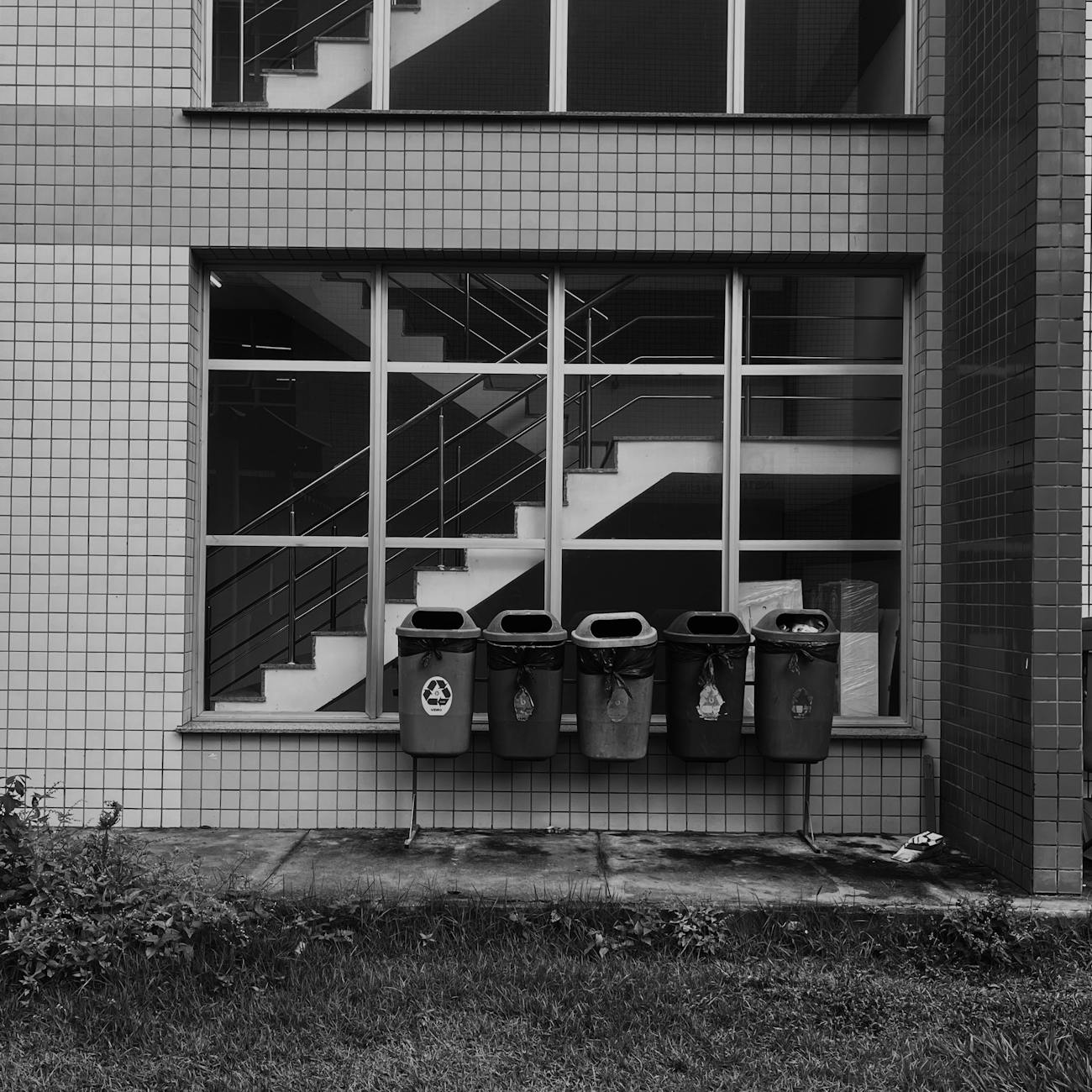
Psychological Aspects of Space and Place: The Psychological Aspects of Space and Place is a crucial concept within the field of Environmental Psychology in Architecture. It encompasses a wide range of factors that influence human behavior, emotions, and well-being in built environments. Understanding these psychological aspects is essential for creating spaces that are conducive to human needs and preferences.
Space: Space refers to the physical dimensions and boundaries of an area, including its size, shape, and layout. In architecture and design, space is a fundamental element that influences how individuals perceive and interact with their surroundings. Different spatial configurations can evoke specific emotions and behaviors in people.
For example, an open space with high ceilings and ample natural light may create a sense of freedom and openness, while a small, enclosed space with low ceilings and dim lighting may evoke feelings of confinement and discomfort. The spatial layout of a room or building can impact social interactions, privacy, and overall comfort levels for occupants.
Place: Place goes beyond the physical attributes of space and incorporates the subjective meanings and experiences associated with a particular location. Places are imbued with personal, cultural, and social significance that shape our perceptions and behaviors within them. People develop emotional attachments to certain places based on their memories, experiences, and relationships.
For instance, a childhood home holds sentimental value for an individual because of the memories and emotions tied to that specific place. Places can also have symbolic meanings that reflect cultural values or historical events. Understanding the unique qualities of a place is essential for designing environments that resonate with their users and foster a sense of belonging and identity.
Environmental Psychology: Environmental Psychology is a branch of psychology that examines the interplay between individuals and their physical environments. It explores how people perceive, experience, and respond to the spaces and places around them. Environmental psychologists study how environmental factors influence human behavior, emotions, cognition, and well-being.
One of the key goals of environmental psychology is to design environments that support human needs and enhance quality of life. By understanding the psychological processes that underlie our interactions with the built environment, designers and architects can create spaces that promote health, well-being, and sustainability.
Architecture: Architecture is the art and science of designing and constructing buildings and other structures. Architects are responsible for creating spaces that are functional, aesthetically pleasing, and responsive to human needs. Architecture plays a crucial role in shaping the quality of our built environment and influencing how we perceive and interact with spaces.
Architectural design can impact our mood, behavior, and overall sense of well-being. Factors such as natural light, ventilation, acoustics, and spatial layout all play a role in determining the quality of a built environment. Architects must consider the psychological aspects of space and place to create environments that are both functional and emotionally satisfying for their users.
Behavior: Behavior refers to the actions and reactions of individuals in response to their environment. Our behavior is influenced by a variety of factors, including our thoughts, emotions, and social interactions. In architectural settings, behavior can be influenced by the design of a space, its functionality, and the social dynamics at play.
For example, the layout of a workplace can impact employee productivity and collaboration. A well-designed office space with designated areas for focused work and team meetings can improve communication and workflow among employees. Understanding how design elements influence behavior is essential for creating environments that support positive interactions and activities.
Emotions: Emotions play a significant role in shaping our responses to the spaces and places we inhabit. The design of a space can evoke a range of emotional responses in individuals, from joy and tranquility to stress and anxiety. Our emotional experiences within a built environment are influenced by factors such as aesthetics, functionality, and sensory stimuli.
For instance, a well-designed park with lush greenery and peaceful surroundings can evoke feelings of relaxation and happiness in visitors. On the other hand, a crowded and noisy shopping mall may trigger feelings of overwhelm and discomfort. Designers must consider the emotional impact of their spaces to create environments that promote positive experiences and well-being.
Well-being: Well-being refers to the overall quality of life and satisfaction that individuals experience in their daily lives. The built environment plays a crucial role in shaping our well-being by providing spaces that support physical, emotional, and social needs. Well-designed environments can enhance our sense of comfort, safety, and connectedness to others.
For example, a healthcare facility that incorporates natural light, soothing colors, and comfortable furnishings can promote healing and reduce stress for patients. Public spaces that encourage social interaction and physical activity can enhance community well-being and sense of belonging. Designing for well-being requires an understanding of the psychological aspects of space and place to create environments that support health and happiness.
Sensory Perception: Sensory perception refers to how we interpret and make sense of the world around us through our senses, including sight, hearing, touch, taste, and smell. The design of a space can influence our sensory experiences and shape our perceptions of that environment. Architects and designers can use sensory elements to create immersive and engaging environments that resonate with users.
For instance, the use of natural materials like wood and stone can create a warm and inviting atmosphere in a building. The strategic placement of windows to capture views of nature can enhance visual connections to the outdoors and promote a sense of tranquility. By appealing to our senses, designers can create spaces that evoke specific moods and emotions in people.
Cognitive Mapping: Cognitive mapping refers to the mental representation we create of our physical environment, including its spatial layout, landmarks, and routes. These mental maps help us navigate and orient ourselves within a space, enabling us to move from one location to another efficiently. Cognitive mapping is influenced by our perceptions, memories, and experiences in a particular environment.
For example, individuals develop cognitive maps of their home, workplace, or neighborhood to help them navigate familiar surroundings. Architects can use principles of cognitive mapping to design spaces that are intuitive and easy to navigate for users. By considering how people perceive and remember spatial information, designers can create environments that support wayfinding and spatial awareness.
Place Attachment: Place attachment refers to the emotional bond and sense of belonging that individuals develop with a particular location. People form attachments to places based on their experiences, memories, and relationships within that environment. Place attachment influences how we perceive and interact with our surroundings, shaping our sense of identity and connection to a place.
For example, residents of a tight-knit neighborhood may feel a strong sense of attachment to their community because of the social connections and shared history they have with neighbors. Place attachment can also be fostered through design features that evoke positive emotions and support social interactions. Understanding place attachment is essential for creating environments that resonate with their users and foster a sense of community and belonging.
Environmental Stressors: Environmental stressors are factors in the built environment that can negatively impact our well-being and quality of life. These stressors can include noise pollution, air pollution, overcrowding, and lack of privacy. Environmental stressors can trigger physiological and psychological responses in individuals, leading to feelings of discomfort, anxiety, and fatigue.
For example, a noisy and chaotic urban environment can heighten stress levels and impair cognitive performance for residents. Poor indoor air quality in buildings can contribute to respiratory problems and decrease overall health and well-being. Designers must address environmental stressors in their projects to create environments that promote comfort, safety, and health for occupants.
Biophilic Design: Biophilic design is an approach to architecture and urban planning that incorporates elements of nature into the built environment to enhance human health and well-being. Biophilic design principles emphasize the connection between people and nature, recognizing the innate human need to interact with natural elements. By integrating natural materials, light, vegetation, and views of nature, designers can create environments that promote physical and psychological benefits for occupants.
For example, a biophilic office building with green walls, indoor plants, and access to natural light can improve air quality, reduce stress, and boost productivity for employees. Biophilic design strategies can also enhance creativity, concentration, and overall satisfaction with the built environment. Incorporating biophilic elements into architectural projects can create spaces that support human health and well-being.
Social Interaction: Social interaction refers to the communication and engagement between individuals within a social context. The design of a space can influence the quality and frequency of social interactions among people. Well-designed environments can facilitate social connections, collaboration, and a sense of community among users.
For example, a public park with seating areas, walking paths, and recreational amenities can encourage social interaction and physical activity among visitors. Shared spaces in residential buildings, such as community gardens or rooftop terraces, can foster relationships and a sense of belonging among residents. Designers must consider the social dynamics of a space to create environments that support positive interactions and relationships among users.
Environmental Behavior: Environmental behavior refers to the actions and decisions individuals make in relation to their physical surroundings. Our behavior in the built environment is influenced by a variety of factors, including our attitudes, beliefs, and values. Designers can shape environmental behavior through the design of spaces that encourage sustainable practices, resource conservation, and pro-environmental actions.
For example, a building with energy-efficient features like solar panels and passive design strategies can motivate occupants to reduce their energy consumption and carbon footprint. Public spaces with recycling bins, bike racks, and green infrastructure can promote environmentally friendly behaviors among visitors. By promoting sustainable practices through design, architects can help create a more eco-conscious and resilient built environment.
Human-Centered Design: Human-centered design is an approach to architecture and design that prioritizes the needs, preferences, and experiences of users. By placing human values at the center of the design process, architects can create spaces that are intuitive, inclusive, and responsive to user needs. Human-centered design involves engaging with stakeholders, conducting user research, and iteratively testing and refining design solutions to ensure they meet user requirements.
For example, a healthcare facility designed using human-centered principles would consider the comfort, privacy, and dignity of patients when creating patient rooms and treatment areas. A school designed with human-centered principles would involve students and teachers in the design process to create learning environments that support diverse learning styles and abilities. Human-centered design is essential for creating inclusive and user-friendly spaces that enhance quality of life for all occupants.
Community Participation: Community participation involves engaging stakeholders, residents, and users in the design and planning of built environments. By involving community members in decision-making processes, designers can create spaces that reflect the needs, values, and aspirations of the people who will use them. Community participation fosters a sense of ownership, empowerment, and social cohesion among residents.
For example, a neighborhood revitalization project that incorporates input from local residents can create public spaces and amenities that meet the needs and preferences of the community. A participatory design process for a new public building, such as a library or community center, can ensure that the facility serves as a hub for social interaction and cultural exchange. Community participation is essential for creating inclusive and sustainable environments that promote social equity and well-being for all.
Universal Design: Universal design is an approach to creating products and environments that are accessible and usable by people of all ages, abilities, and backgrounds. Universal design principles aim to eliminate barriers and create inclusive spaces that accommodate the diverse needs and preferences of users. By designing for inclusivity from the start, architects can create environments that are welcoming, functional, and equitable for everyone.
For example, a universal design approach to a public building would incorporate features such as ramps, elevators, tactile signage, and accessible restrooms to ensure that individuals with disabilities can navigate the space independently. Universal design strategies can also benefit older adults, children, and individuals with temporary or situational impairments. By embracing universal design principles, architects can create environments that promote diversity, independence, and social inclusion for all users.
Challenges: Designing spaces that effectively address the psychological aspects of space and place can present several challenges for architects and designers. Some of the key challenges include:
- Balancing aesthetics with functionality: Achieving a balance between aesthetic appeal and functional requirements can be a challenge in architectural design. Designers must consider both the visual impact of a space and its practical use to create environments that are both beautiful and functional.
- Meeting diverse user needs: Designing spaces that accommodate the diverse needs and preferences of users can be challenging. Architects must consider factors such as age, ability, culture, and lifestyle when creating inclusive environments that cater to a wide range of users.
- Addressing environmental constraints: Designing sustainable and environmentally friendly spaces requires careful consideration of factors such as energy efficiency, resource conservation, and eco-friendly materials. Architects must navigate environmental constraints to create spaces that minimize negative impacts on the planet.
- Engaging stakeholders and communities: Involving stakeholders and community members in the design process can be challenging due to differing opinions, priorities, and interests. Architects must effectively communicate with stakeholders and solicit feedback to create spaces that reflect the values and aspirations of the people who will use them.
- Adapting to changing needs and technologies: Designing spaces that are flexible and adaptable to changing needs and technologies can be a challenge. Architects must anticipate future trends and developments to create environments that remain relevant and functional over time.
Despite these challenges, addressing the psychological aspects of space and place is essential for creating environments that support human well-being, promote social interaction, and enhance quality of life for all users. By understanding the complex interplay between people and their built environments, architects can design spaces that are not only visually appealing but also emotionally satisfying and functional for their occupants.
Key takeaways
- Psychological Aspects of Space and Place: The Psychological Aspects of Space and Place is a crucial concept within the field of Environmental Psychology in Architecture.
- In architecture and design, space is a fundamental element that influences how individuals perceive and interact with their surroundings.
- For example, an open space with high ceilings and ample natural light may create a sense of freedom and openness, while a small, enclosed space with low ceilings and dim lighting may evoke feelings of confinement and discomfort.
- Place: Place goes beyond the physical attributes of space and incorporates the subjective meanings and experiences associated with a particular location.
- Understanding the unique qualities of a place is essential for designing environments that resonate with their users and foster a sense of belonging and identity.
- Environmental Psychology: Environmental Psychology is a branch of psychology that examines the interplay between individuals and their physical environments.
- By understanding the psychological processes that underlie our interactions with the built environment, designers and architects can create spaces that promote health, well-being, and sustainability.