
International Oil Trade Regulations
Welcome back to the London School of Planning and Management podcast, where we dive deep into the complexities of global commerce and strategy. I am your host, and today we are tackling a subject that might sound dry on paper but is actuall…
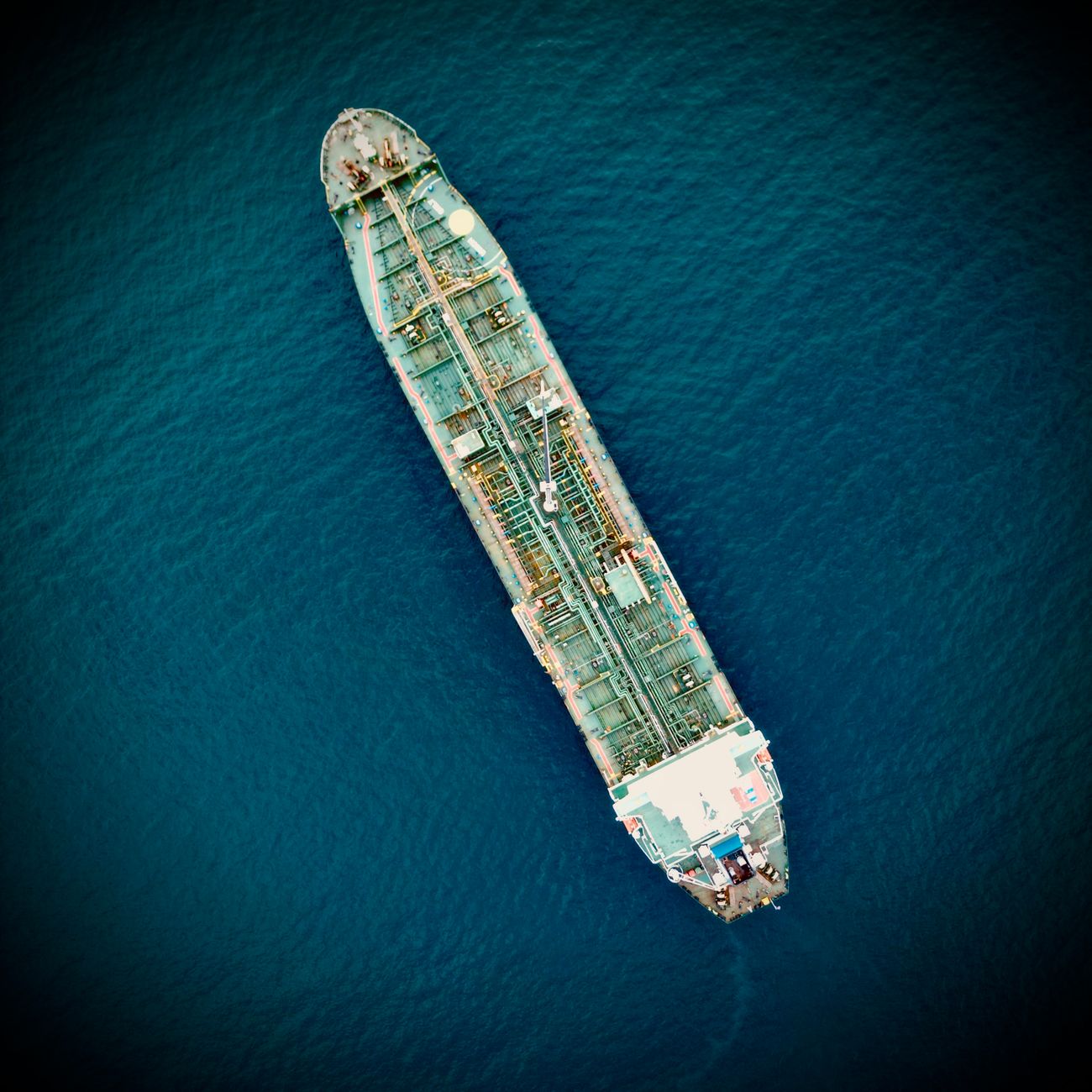
Photo from Pexels
Welcome back to the London School of Planning and Management podcast, where we dive deep into the complexities of global commerce and strategy. I am your host, and today we are tackling a subject that might sound dry on paper but is actually the heartbeat of the global economy. We are exploring International Oil Trade Regulations within our Advanced Certificate in Global Petroleum Markets and Trade Policy course. Now, before you tune out thinking this is just about legal jargon, let me ask you this. Have you ever wondered why the price at the pump fluctuates so wildly, or why certain countries can trade oil freely while others are cut off from the global market? The answer lies in a complex web of rules, sanctions, and agreements that govern how black gold moves across borders. This unit is not just about memorizing laws; it is about understanding the invisible architecture that shapes geopolitics, corporate strategy, and yes, even your morning commute.
To really grasp the weight of these regulations, we have to look back. Imagine the world before the nineteen seventies. Oil was largely a commodity controlled by a handful of massive corporations, often referred to as the Seven Sisters. The rules were simple, dictated by private contracts and colonial-era agreements. But then came the rise of OPEC and the oil embargoes of the seventies. Suddenly, oil became a political weapon. Nations realized that control over supply was control over power. This shift forced the creation of international regulatory frameworks. We moved from a free-for-all to a system governed by the International Maritime Organization, environmental protocols like MARPOL, and increasingly, complex sanctions regimes enforced by bodies like the UN and the US Treasury. It was a dramatic evolution from private business to a matter of national security and global stability.
So, how does this translate to your world, whether you are a student, a policy analyst, or a trading professional? Understanding these regulations is your competitive edge. Let’s talk about practical application. Imagine you are advising a shipping company that wants to transport crude from West Africa to Asia. You cannot just book a vessel and go. You must navigate the London Oil Desk benchmarks, ensure compliance with the IMO’s sulfur cap regulations, and verify that the specific grade of oil is not subject to secondary sanctions. A common pitfall many beginners fall into is assuming that if a country is not under a primary ban, all its oil is free to trade. This is a dangerous assumption. Due to complex supply chains, oil from sanctioned entities can be mixed with non-sanctioned oil, creating a legal minefield. The solution? Rigorous due diligence. Use blockchain-enabled tracking systems where available, and always verify the chain of custody. At the London School of Planning and Management, we emphasize that compliance is not a hurdle; it is a value-add service that builds trust with partners.
Another critical area is the concept of price caps. Recently, we’ve seen G7 nations implement price caps on Russian oil. This is a novel regulatory tool. It allows the oil to flow, preventing global prices from skyrocketing, but caps the profit the seller can make. For a trader, this requires a nuanced understanding of insurance markets. If you cannot get insurance for a vessel carrying capped oil, you cannot trade it. So, your strategy must include identifying which insurers are compliant with these caps. It’s a delicate dance. If you ignore these nuances, you risk massive fines, reputational damage, and being blacklisted from major financial institutions. The key takeaway here is agility. Regulations in the oil market change faster than in almost any other industry. You must stay informed, network with legal experts, and never rely on last year’s playbook.
You must navigate the London Oil Desk benchmarks, ensure compliance with the IMO’s sulfur cap regulations, and verify that the specific grade of oil is not subject to secondary sanctions.
Let’s share a quick story to make this stick. Consider a mid-sized trading firm in Rotterdam a few years ago. They secured a great deal for discounted crude. The price was too good to be true, and indeed, it was. The oil had been transshipped through a third country to obscure its origin, a practice known as washing. Because the firm failed to conduct proper origin verification, they inadvertently violated EU sanctions. The result was not just a fine, but a loss of their banking relationships. They had to shut down operations for six months while they rebuilt their compliance framework. Contrast this with a competitor who invested heavily in regulatory technology and expert training. When the sanctions tightened, that competitor pivoted instantly to compliant sources, gaining market share while their rivals were paralyzed. This is the power of knowledge. It turns regulatory risk into strategic opportunity.
As we wrap up this episode, I want to leave you with a thought. The global petroleum market is not just about barrels and billions; it is about balance. It is about balancing energy security with environmental responsibility, and economic growth with geopolitical stability. The regulations we discuss are the tools we use to maintain that balance. As you continue your journey through the Advanced Certificate in Global Petroleum Markets and Trade Policy here at the London School of Planning and Management, remember that you are not just learning rules. You are learning how to navigate the most dynamic and impactful market in the world. You are becoming the architects of a more transparent and efficient global trade system.
So, what’s your next step? Don’t just listen and forget. Take one concept from today’s discussion, perhaps the importance of chain of custody or the nuances of price caps, and research a current case study. Apply it. Share your findings with your peers. And if you found this episode insightful, please subscribe to our channel and share it with a colleague who might benefit from this perspective. Your engagement helps us create more content that matters. Thank you for listening, and keep pushing the boundaries of what’s possible in global trade. Until next time.
Key takeaways
- This unit is not just about memorizing laws; it is about understanding the invisible architecture that shapes geopolitics, corporate strategy, and yes, even your morning commute.
- We moved from a free-for-all to a system governed by the International Maritime Organization, environmental protocols like MARPOL, and increasingly, complex sanctions regimes enforced by bodies like the UN and the US Treasury.
- You must navigate the London Oil Desk benchmarks, ensure compliance with the IMO’s sulfur cap regulations, and verify that the specific grade of oil is not subject to secondary sanctions.
- If you ignore these nuances, you risk massive fines, reputational damage, and being blacklisted from major financial institutions.
- When the sanctions tightened, that competitor pivoted instantly to compliant sources, gaining market share while their rivals were paralyzed.
- As you continue your journey through the Advanced Certificate in Global Petroleum Markets and Trade Policy here at the London School of Planning and Management, remember that you are not just learning rules.
- Take one concept from today’s discussion, perhaps the importance of chain of custody or the nuances of price caps, and research a current case study.