
Petroleum Refining and Processing
Welcome to this episode of the Advanced Certificate in Global Petroleum Markets and Trade Policy, brought to you by the London School of Planning and Management, or LSPM. Today, we're going to dive into one of the most critical components o…
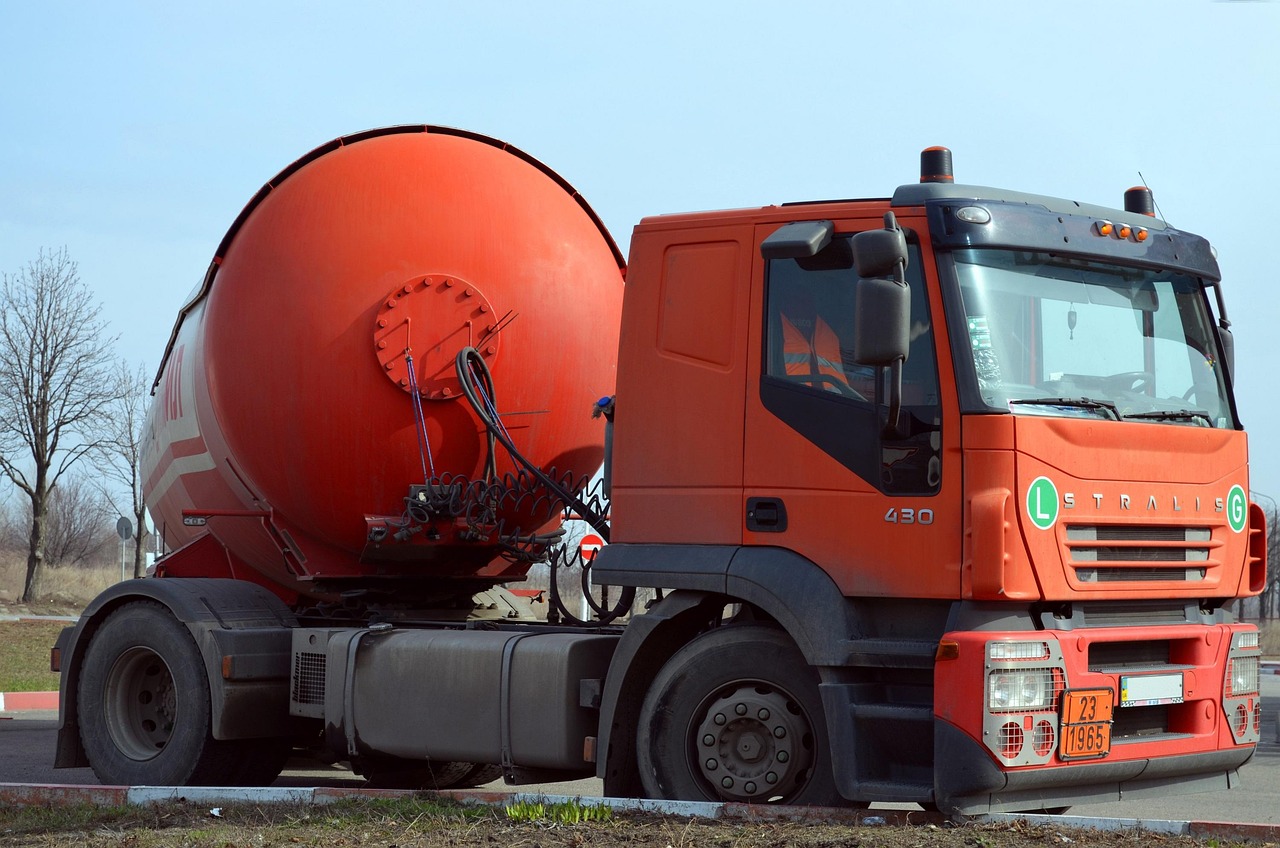
Photo from Pexels
Welcome to this episode of the Advanced Certificate in Global Petroleum Markets and Trade Policy, brought to you by the London School of Planning and Management, or LSPM. Today, we're going to dive into one of the most critical components of the petroleum industry: Petroleum Refining and Processing. This unit is not just a crucial part of the course, but it's also a vital aspect of the global energy landscape. The evolution of petroleum refining and processing is a fascinating story that spans over a century, from the early days of simple distillation to the complex, high-tech processes we see today.
As we explore this topic, you'll begin to appreciate the incredible journey that crude oil takes, from the moment it's extracted from the ground to the point where it's transformed into the fuels, plastics, and countless other products that power our modern world. The importance of petroleum refining and processing cannot be overstated, as it's the backbone of the global energy supply chain. Without efficient and effective refining and processing, our cars wouldn't run, our homes wouldn't be heated, and our industries wouldn't be able to function.
Now, let's talk about the practical applications of petroleum refining and processing. Imagine you're a refinery manager, tasked with optimizing production to meet the ever-changing demands of the market. You need to balance the delicate equation of supply and demand, while also ensuring that your operations are safe, efficient, and environmentally sustainable. This is where the concepts of cracking, reforming, and blending come into play. By understanding these processes, you can develop strategies to improve yields, reduce waste, and create higher-value products.
For example, let's consider the case of a refinery that's struggling to meet the demand for low-sulfur diesel fuel. By implementing a new hydrotreating process, they can remove impurities and improve the quality of their fuel, making it more competitive in the market. This is just one of the many actionable strategies that you can apply in your own work, whether you're working in the petroleum industry or simply looking to make more informed decisions about energy and the environment.
As we navigate the complex world of petroleum refining and processing, it's also important to be aware of the common pitfalls that can trip us up. One of the biggest mistakes is failing to stay up-to-date with the latest technologies and trends. The petroleum industry is constantly evolving, with new innovations and regulations emerging all the time. By staying ahead of the curve, you can avoid costly mistakes and stay competitive in the market.
This is just one of the many actionable strategies that you can apply in your own work, whether you're working in the petroleum industry or simply looking to make more informed decisions about energy and the environment.
Another common pitfall is neglecting the importance of safety and environmental sustainability. The petroleum industry has a significant impact on the environment, and it's our responsibility to minimize that impact while also ensuring the safety of our workers and communities. By prioritizing sustainability and safety, you can build trust with your stakeholders, reduce your risks, and create long-term value for your business.
As we conclude this episode, I want to leave you with an inspiring message. The world of petroleum refining and processing is complex, challenging, and constantly evolving. But with the right knowledge, skills, and mindset, you can navigate this landscape with confidence and success. Remember, the skills you're developing through this course are not just about understanding the technical aspects of the industry – they're about developing a deeper understanding of the global energy landscape and your place within it.
So, I encourage you to apply what you've learned today, to continue your journey of growth and exploration, and to stay curious about the world of energy and beyond. If you've enjoyed this episode, please subscribe to our podcast, share it with your friends and colleagues, and engage with us on social media. The London School of Planning and Management, or LSPM, is committed to providing you with the highest-quality education and resources, and we're excited to be a part of your journey. Thanks for joining us, and we look forward to exploring more exciting topics with you in the future.
Key takeaways
- The evolution of petroleum refining and processing is a fascinating story that spans over a century, from the early days of simple distillation to the complex, high-tech processes we see today.
- Without efficient and effective refining and processing, our cars wouldn't run, our homes wouldn't be heated, and our industries wouldn't be able to function.
- You need to balance the delicate equation of supply and demand, while also ensuring that your operations are safe, efficient, and environmentally sustainable.
- This is just one of the many actionable strategies that you can apply in your own work, whether you're working in the petroleum industry or simply looking to make more informed decisions about energy and the environment.
- As we navigate the complex world of petroleum refining and processing, it's also important to be aware of the common pitfalls that can trip us up.
- The petroleum industry has a significant impact on the environment, and it's our responsibility to minimize that impact while also ensuring the safety of our workers and communities.
- Remember, the skills you're developing through this course are not just about understanding the technical aspects of the industry – they're about developing a deeper understanding of the global energy landscape and your place within it.