
Defence Policy And Strategy
Defence policy and strategy are critical components of a nation's security framework, designed to protect its interests, citizens, and territory from external threats. At the heart of defence policy is the national interest , which refers t…
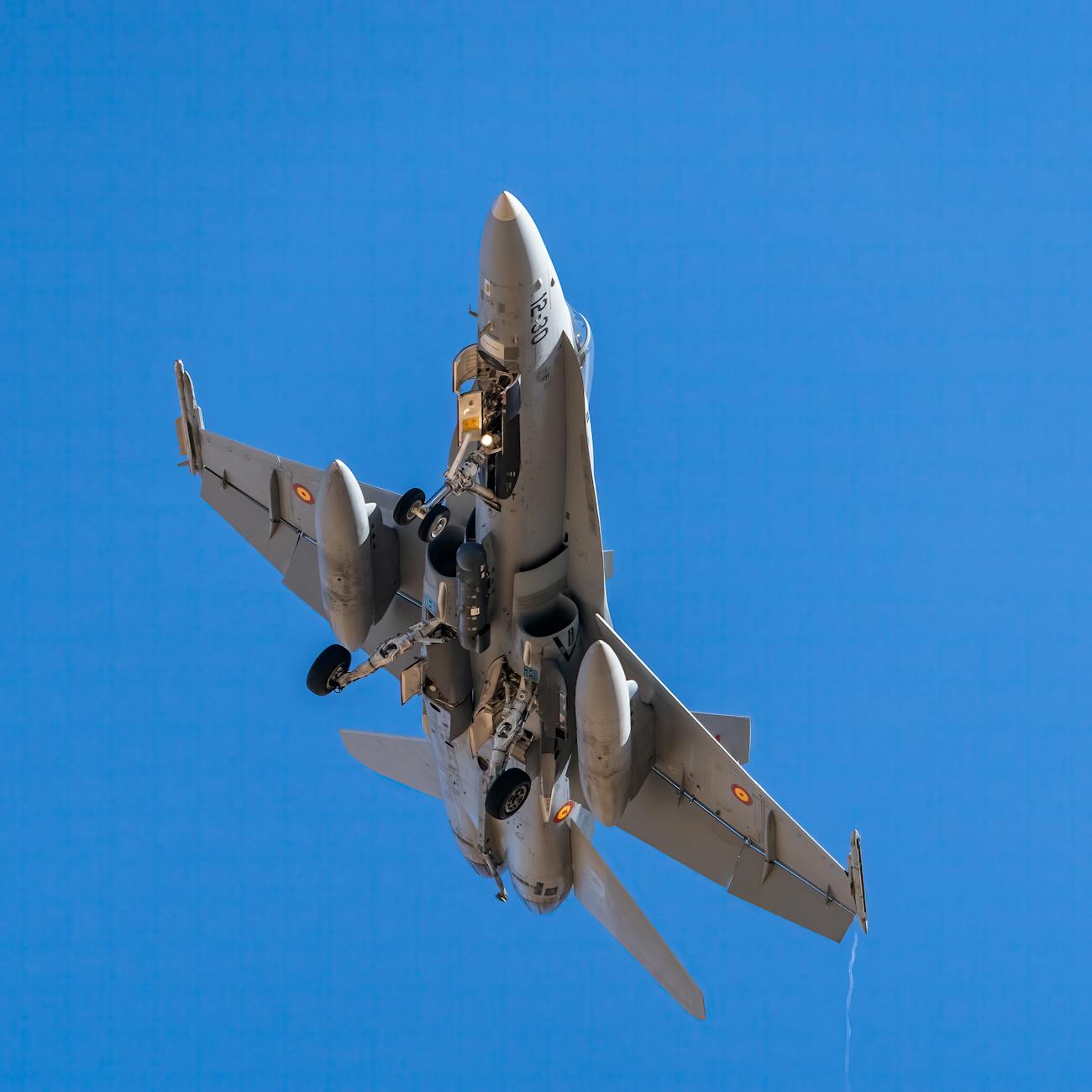
Defence policy and strategy are critical components of a nation's security framework, designed to protect its interests, citizens, and territory from external threats. At the heart of defence policy is the national interest, which refers to the long-term goals and objectives that a nation seeks to achieve in its relations with other countries. Defence strategy, on the other hand, is the plan of action designed to achieve these objectives, taking into account the nation's military capabilities, economic resources, and diplomatic relationships.
A key concept in defence policy is deterrence, which refers to the ability of a nation to prevent an adversary from taking a particular action by threatening to impose unacceptable costs or consequences. Deterrence can be achieved through a variety of means, including military power, economic sanctions, and diplomatic isolation. For example, during the Cold War, the United States and the Soviet Union maintained a policy of mutual deterrence, where each side possessed sufficient nuclear weapons to destroy the other, thereby preventing either side from launching a nuclear attack.
Another important concept in defence policy is security cooperation, which refers to the collaboration between nations to achieve common security objectives. Security cooperation can take many forms, including joint military exercises, intelligence sharing, and defence technology cooperation. For instance, the North Atlantic Treaty Organization (NATO) is a collective defence alliance where member states agree to come to the aid of any member state that is attacked. This cooperation enhances the security of all member states and provides a strong deterrent against potential aggressors.
Defence strategy is also influenced by the concept of asymmetric warfare, which refers to conflicts where one side has a significant advantage in terms of military power, but the other side uses unconventional tactics, such as guerrilla warfare or terrorism, to counter this advantage. Asymmetric warfare poses significant challenges for conventional military forces, as they may struggle to adapt to the unconventional tactics employed by their adversaries. For example, the insurgency in Iraq and Afghanistan highlighted the difficulties that conventional military forces face in dealing with asymmetric threats.
In addition to these concepts, defence policy and strategy are also shaped by the principles of war, which are fundamental rules that guide military planning and operations. These principles include the objective, which refers to the clear definition of the mission or task; the initiative, which refers to the ability to take action and dictate the pace of operations; and the mass, which refers to the concentration of military forces at the decisive point. Understanding these principles is essential for effective military planning and execution.
The development of defence policy and strategy is also influenced by the defence planning process, which involves a series of steps, including threat assessment, capability planning, and resource allocation. The defence planning process begins with a threat assessment, which identifies potential security risks and threats to the nation. This assessment is then used to inform capability planning, which involves identifying the military capabilities required to address these threats. Finally, resource allocation involves allocating the necessary resources, including personnel,!Equipment, and funding, to support the development and maintenance of these capabilities.
Defence policy and strategy are also shaped by the operational environment, which refers to the physical and social context in which military operations are conducted. The operational environment includes factors such as terrain, weather, and the presence of non-combatants, which can all impact the conduct of military operations. For example, the urban warfare environment poses significant challenges for military forces, as they must navigate complex cityscapes and avoid causing harm to civilians.
Furthermore, defence policy and strategy are influenced by the technological advancements in the field of military technology. The development of new technologies, such as cyber warfare capabilities, unmanned aerial vehicles, and hypersonic missiles, has significant implications for defence policy and strategy. These technologies can provide new capabilities and opportunities for military forces, but they also pose significant challenges, such as the need to adapt to new forms of warfare and the potential for technological surprise.
The implementation of defence policy and strategy is also dependent on the organization and management of military forces. Effective organization and management are critical to ensuring that military forces can operate efficiently and effectively. This includes the command and control structure, which refers to the system of authority and decision-making within military organizations. It also includes the logistics and supply chain management, which refers to the systems and processes used to support military operations, including the provision of food, fuel, and ammunition.
In addition to these factors, defence policy and strategy are also shaped by the political and social context in which they are developed and implemented. Defence policy and strategy must take into account the political will of the nation, which refers to the willingness of the government and the population to support military action. They must also consider the social cohesion of the nation, which refers to the degree to which the population is united and supportive of military action.
The development and implementation of defence policy and strategy are also influenced by the international relations between nations. Defence policy and strategy must take into account the diplomatic relationships between nations, which can impact the ability of military forces to operate effectively. They must also consider the international law, which refers to the rules and norms that govern the conduct of military operations.
Defence policy and strategy are also shaped by the economic factors, which refer to the financial resources available to support military operations. The defence budget is a critical component of defence policy and strategy, as it determines the level of resources available to support military operations. Defence policy and strategy must also consider the opportunity cost of military spending, which refers to the trade-offs that must be made between military spending and other national priorities.
In terms of practical applications, defence policy and strategy are critical to the national security of a nation. They provide a framework for understanding the security threats and challenges faced by the nation and for developing effective responses to these threats. Defence policy and strategy are also essential for crisis management, which refers to the ability of a nation to respond effectively to unexpected security crises.
However, the development and implementation of defence policy and strategy are not without challenges. One of the key challenges is the complexity of the security environment, which can make it difficult to anticipate and prepare for emerging threats. Another challenge is the resource constraints, which can limit the ability of military forces to operate effectively. Defence policy and strategy must also contend with the uncertainty of the security environment, which can make it difficult to predict the outcomes of military operations.
Despite these challenges, defence policy and strategy remain essential components of a nation's security framework. By understanding the key concepts and principles of defence policy and strategy, nations can develop effective defence policies and strategies that protect their interests and ensure their security.
The study of defence policy and strategy is also critical for professional military education, which refers to the education and training of military officers and personnel. Professional military education provides military personnel with the knowledge and skills necessary to develop and implement effective defence policies and strategies. It also provides them with the critical thinking and problem-solving skills necessary to adapt to the complex and dynamic security environment.
In terms of examples, the United States has a well-developed defence policy and strategy, which is outlined in the National Security Strategy and the National Defence Strategy. These documents provide a framework for understanding the security threats and challenges faced by the United States and for developing effective responses to these threats. The NATO alliance also has a well-developed defence policy and strategy, which is outlined in the NATO Strategic Concept. This document provides a framework for understanding the security threats and challenges faced by NATO member states and for developing effective responses to these threats.
The defence policy and strategy of a nation are also influenced by its history and culture. For example, the United Kingdom has a long history of military intervention and has developed a defence policy and strategy that reflects this history. The Chinese defence policy and strategy, on the other hand, are influenced by the country's unique cultural and historical context, including the concept of "active defence", which refers to the use of military power to deter and defeat adversaries.
In addition to these examples, the defence policy and strategy of a nation are also influenced by its economy and technology. For example, the United States has a strong economy and a highly developed technology sector, which provides it with significant advantages in terms of military power and capabilities. The Russian defence policy and strategy, on the other hand, are influenced by the country's more limited economic resources and its focus on asymmetric warfare capabilities.
The study of defence policy and strategy is also critical for defence analysis, which refers to the analysis and evaluation of defence policies and strategies. Defence analysis provides a framework for understanding the effectiveness of defence policies and strategies and for identifying areas for improvement. It also provides a framework for evaluating the cost-effectiveness of defence policies and strategies, which is critical for ensuring that defence spending is efficient and effective.
In terms of challenges, the development and implementation of defence policy and strategy are not without difficulties.
Despite these challenges, the study of defence policy and strategy remains essential for national security and defence planning. It provides a framework for understanding the security threats and challenges faced by a nation and for developing effective responses to these threats.
The development and implementation of defence policy and strategy are also influenced by the international security environment, which refers to the global security context in which nations operate. The international security environment is characterized by a range of security threats and challenges, including terrorism, cyber warfare, and weapons of mass destruction. Defence policy and strategy must take into account these threats and challenges and develop effective responses to them.
In addition to these factors, the development and implementation of defence policy and strategy are also influenced by the domestic politics of a nation, which refers to the internal political context in which defence policy and strategy are developed and implemented. Domestic politics can have a significant impact on defence policy and strategy, as different political parties and interest groups may have competing visions for national security and defence.
The study of defence policy and strategy is also critical for defence reform, which refers to the process of reforming and modernizing defence institutions and policies. Defence reform is essential for ensuring that defence policies and strategies are effective and efficient, and that they reflect the changing security environment. It also provides a framework for evaluating the effectiveness of defence policies and strategies and for identifying areas for improvement.
In terms of examples, the Australian defence policy and strategy are influenced by the country's unique cultural and historical context, including its location in the Asia-Pacific region and its history of military intervention. The Canadian defence policy and strategy, on the other hand, are influenced by the country's more limited economic resources and its focus on peacekeeping and humanitarian intervention.
The development and implementation of defence policy and strategy are also influenced by the technological advancements in the field of military technology. The development of new technologies, such as artificial intelligence and hypersonic missiles, has significant implications for defence policy and strategy.
In addition to these factors, the development and implementation of defence policy and strategy are also influenced by the environmental factors, which refer to the physical and social context in which military operations are conducted. The environmental factors include factors such as climate change and natural disasters, which can have a significant impact on military operations.
The study of defence policy and strategy is also critical for defence education, which refers to the education and training of military officers and personnel. Defence education provides military personnel with the knowledge and skills necessary to develop and implement effective defence policies and strategies.
The development and implementation of defence policy and strategy are also influenced by the global governance framework, which refers to the system of rules and norms that govern international relations. The global governance framework includes institutions such as the United Nations and the International Committee of the Red Cross, which play a critical role in promoting international peace and security.
In addition to these factors, the development and implementation of defence policy and strategy are also influenced by the regional security dynamics, which refer to the security context in specific regions of the world. The regional security dynamics include factors such as regional conflicts and territorial disputes, which can have a significant impact on defence policy and strategy.
The study of defence policy and strategy is also critical for defence cooperation, which refers to the collaboration between nations to achieve common security objectives. Defence cooperation can take many forms, including joint military exercises and defence technology cooperation. It provides a framework for understanding the security threats and challenges faced by nations and for developing effective responses to these threats.
In terms of examples, the European Union has a well-developed defence policy and strategy, which is outlined in the Common Security and Defence Policy. This policy provides a framework for understanding the security threats and challenges faced by EU member states and for developing effective responses to these threats. The African Union also has a well-developed defence policy and strategy, which is outlined in the African Peace and Security Architecture. This architecture provides a framework for understanding the security threats and challenges faced by African nations and for developing effective responses to these threats.
The development and implementation of defence policy and strategy are also influenced by the non-state actors, which refer to organizations and individuals that are not part of a nation-state. Non-state actors include terrorist organizations and criminal groups, which can pose significant security threats to nations. Defence policy and strategy must take into account these threats and develop effective responses to them.
In addition to these factors, the development and implementation of defence policy and strategy are also influenced by the public opinion, which refers to the attitudes and beliefs of the general public regarding defence policy and strategy. Public opinion can have a significant impact on defence policy and strategy, as it can influence the political will of a nation to support military action.
The study of defence policy and strategy is also critical for defence leadership, which refers to the leadership and management of military forces. Defence leadership provides military personnel with the knowledge and skills necessary to develop and implement effective defence policies and strategies.
Key takeaways
- Defence strategy, on the other hand, is the plan of action designed to achieve these objectives, taking into account the nation's military capabilities, economic resources, and diplomatic relationships.
- A key concept in defence policy is deterrence, which refers to the ability of a nation to prevent an adversary from taking a particular action by threatening to impose unacceptable costs or consequences.
- For instance, the North Atlantic Treaty Organization (NATO) is a collective defence alliance where member states agree to come to the aid of any member state that is attacked.
- Asymmetric warfare poses significant challenges for conventional military forces, as they may struggle to adapt to the unconventional tactics employed by their adversaries.
- In addition to these concepts, defence policy and strategy are also shaped by the principles of war, which are fundamental rules that guide military planning and operations.
- The development of defence policy and strategy is also influenced by the defence planning process, which involves a series of steps, including threat assessment, capability planning, and resource allocation.
- For example, the urban warfare environment poses significant challenges for military forces, as they must navigate complex cityscapes and avoid causing harm to civilians.