
Military Organization And Management
The study of military organization and management is crucial for effective leadership and administration in the armed forces. It involves understanding the hierarchical structure of military units, from the smallest teams to the largest bra…
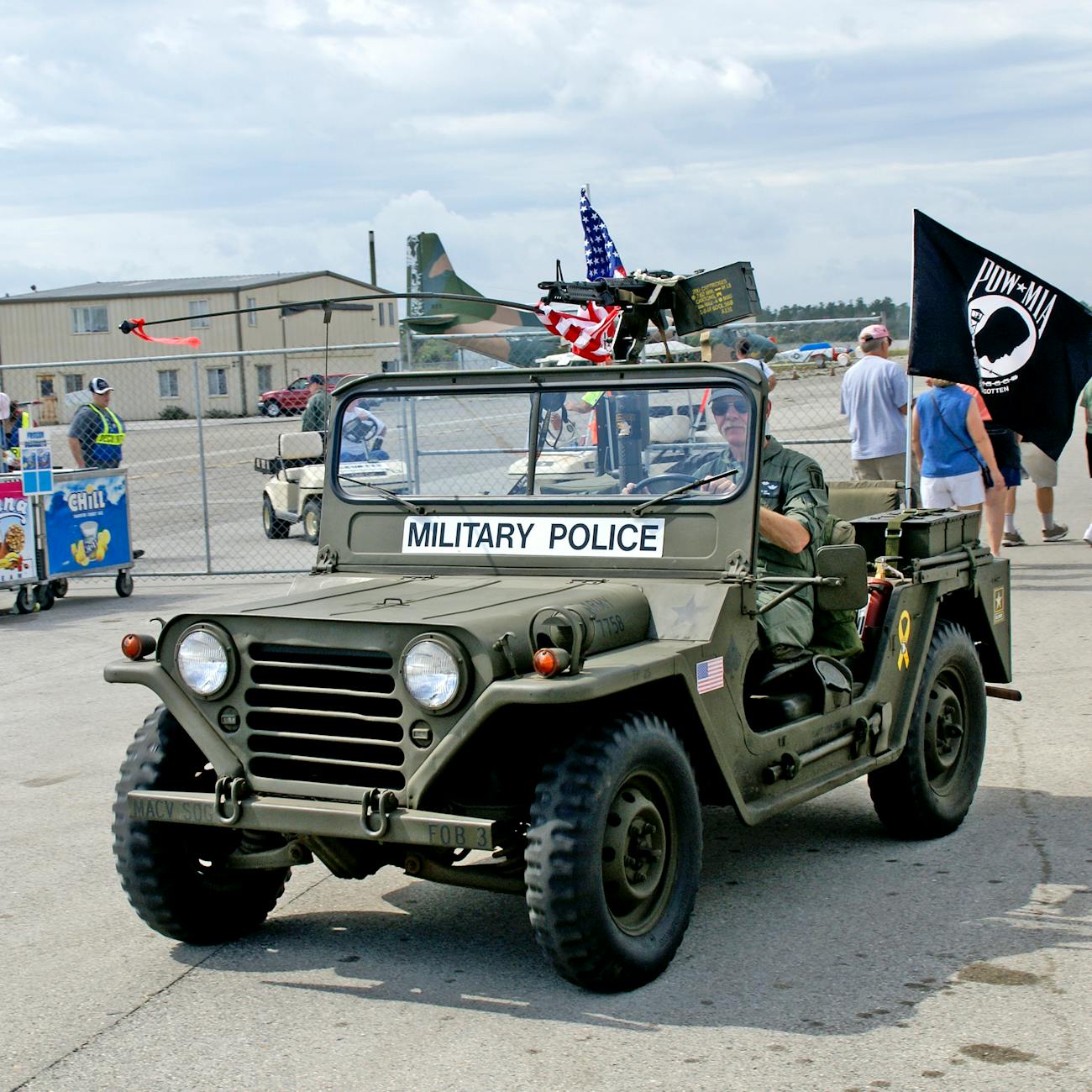
The study of military organization and management is crucial for effective leadership and administration in the armed forces. It involves understanding the hierarchical structure of military units, from the smallest teams to the largest branches of service. At the foundation of this structure are squads, which are typically composed of 9-12 soldiers and are led by a non-commissioned officer. These squads are then grouped into platoons, which consist of 16-44 soldiers and are commanded by a lieutenant.
As the size of the unit increases, so does the complexity of its organization and management. Companies are composed of 60-200 soldiers and are led by a captain. These companies are then grouped into battalions, which consist of 300-1,200 soldiers and are commanded by a lieutenant colonel. The next level of organization is the brigade, which is composed of 3,000-5,000 soldiers and is led by a brigadier general.
At the highest level of organization are the divisions, which consist of 10,000-20,000 soldiers and are commanded by a major general. These divisions are then grouped into corps, which are composed of 20,000-50,000 soldiers and are led by a lieutenant general. The largest unit of organization is the field army, which can consist of 50,000-100,000 soldiers and is commanded by a general.
Understanding the chain of command is essential for effective military organization and management. The chain of command refers to the line of authority that extends from the highest-ranking officer to the lowest-ranking soldier. It is the means by which orders are given and responsibility is assigned. A clear understanding of the chain of command is necessary for ensuring that decisions are made efficiently and that actions are taken effectively.
In addition to the chain of command, military organization and management also involve understanding the staff functions that support the command structure. These staff functions include personnel, intelligence, operations, and logistics. The personnel staff is responsible for managing the manpower needs of the unit, including recruitment, training, and assignment of soldiers. The intelligence staff is responsible for gathering and analyzing information about the enemy and the environment in which the unit will be operating.
The operations staff is responsible for planning and executing the tactical and strategic operations of the unit. This includes developing plans and orders for the unit, as well as coordinating with other units and agencies. The logistics staff is responsible for managing the supply chain and ensuring that the unit has the resources it needs to operate effectively. This includes managing the procurement, storage, and distribution of equipment and supplies.
Effective military organization and management also require a deep understanding of leadership and communication. Leaders must be able to motivate and inspire their soldiers, as well as make decisions quickly and effectively. They must also be able to communicate clearly and concisely, both verbally and in writing. This includes being able to write clear and concise orders and reports, as well as being able to present information effectively to superiors and subordinates.
In addition to these skills, military leaders must also be able to adapt to changing circumstances and environments. This includes being able to think critically and creatively, as well as being able to problem-solve and make decisions quickly. They must also be able to work effectively in teams and build strong relationships with their soldiers and other leaders.
The study of military organization and management is not without its challenges. One of the biggest challenges is the need to balance the needs of the individual soldier with the needs of the unit. This can be particularly difficult in high-stress environments, where the welfare of the soldier may be at risk. Another challenge is the need to adapt to changing circumstances and environments, which can require significant changes to the way the unit is organized and managed.
Despite these challenges, the study of military organization and management is essential for effective leadership and administration in the armed forces. It provides leaders with the knowledge and skills they need to lead their units effectively, as well as the ability to adapt to changing circumstances and environments. By understanding the hierarchical structure of military units, the chain of command, and the staff functions that support the command structure, leaders can make informed decisions and take effective action.
The practical application of military organization and management can be seen in a variety of contexts. For example, during combat operations, the ability to adapt quickly to changing circumstances and environments is crucial. This requires strong leadership and effective communication, as well as the ability to think critically and make decisions quickly.
In peacekeeping and humanitarian operations, the ability to work effectively in teams and build strong relationships with local leaders and communities is essential. This requires strong leadership and effective communication, as well as the ability to adapt to changing circumstances and environments.
In addition to these contexts, the study of military organization and management is also relevant to business and industry. Many of the principles and concepts that are used in military organization and management, such as the chain of command and the staff functions, are also applicable to business and industry.
For example, the ability to lead and manage teams, as well as the ability to communicate effectively and make decisions quickly, are essential skills for any leader or manager. The ability to adapt to changing circumstances and environments is also crucial in business and industry, where the ability to innovate and respond to change is essential for success.
The study of military organization and management is also relevant to international relations and global security. The ability to understand and analyze the military capabilities and strategies of other nations is essential for national security and global stability.
The ability to work effectively in teams and build strong relationships with other nations and organizations is also essential for international cooperation and global security.
In emergency management and disaster response, the ability to respond quickly and effectively to emergencies and disasters is crucial.
The ability to work effectively in teams and build strong relationships with other agencies and organizations is also essential for emergency management and disaster response.
The future of warfare is likely to be characterized by increased complexity and uncertainty. This will require military leaders to be able to adapt quickly to changing circumstances and environments, as well as to think critically and make decisions quickly.
The ability to lead and manage teams, as well as the ability to communicate effectively and make decisions quickly, will be essential skills for any leader or manager. The ability to work effectively in teams and build strong relationships with other agencies and organizations will also be crucial for success in the future of warfare.
The impact of technology on military organization and management will also be significant. Advances in technology will provide new capabilities and new challenges for military leaders. The ability to adapt to these changes and to leverage the benefits of technology will be essential for success in the future of warfare.
The role of leadership in military organization and management will also be critical. Effective leaders will be able to inspire and motivate their soldiers, as well as to make decisions quickly and effectively. They will also be able to adapt to changing circumstances and environments, and to think critically and make decisions quickly.
The importance of communication in military organization and management cannot be overstated. Effective communication is essential for success in any context, and it will be particularly crucial in the future of warfare. The ability to communicate clearly and concisely, both verbally and in writing, will be essential for any leader or manager.
The challenges of military organization and management are significant, but they can be overcome with strong leadership, effective communication, and a deep understanding of the principles and concepts that underlie military organization and management. By studying and applying these principles and concepts, military leaders can develop the knowledge and skills they need to lead their units effectively and to achieve success in the future of warfare.
The application of military organization and management principles to business and industry is also significant.
By studying and applying these principles and concepts, business leaders can develop the knowledge and skills they need to lead their organizations effectively and to achieve success in their respective fields. The importance of leadership in business and industry cannot be overstated, and the principles and concepts of military organization and management can provide valuable insights and guidance for business leaders.
The future of military organization and management will be shaped by a variety of factors, including technological advances, changing global security environments, and shifts in societal values.
The role of education and training in military organization and management will also be critical. Effective education and training programs will be essential for developing the knowledge and skills that military leaders need to lead their units effectively and to achieve success in the future of warfare.
The importance of communication in military organization and management cannot be overstated.
In addition to these challenges, military leaders will also need to be able to balance the needs of the individual soldier with the needs of the unit.
Key takeaways
- At the foundation of this structure are squads, which are typically composed of 9-12 soldiers and are led by a non-commissioned officer.
- These companies are then grouped into battalions, which consist of 300-1,200 soldiers and are commanded by a lieutenant colonel.
- At the highest level of organization are the divisions, which consist of 10,000-20,000 soldiers and are commanded by a major general.
- A clear understanding of the chain of command is necessary for ensuring that decisions are made efficiently and that actions are taken effectively.
- In addition to the chain of command, military organization and management also involve understanding the staff functions that support the command structure.
- The logistics staff is responsible for managing the supply chain and ensuring that the unit has the resources it needs to operate effectively.
- This includes being able to write clear and concise orders and reports, as well as being able to present information effectively to superiors and subordinates.