
* Energy Policy and Regulation
Energy Policy and Regulation are crucial aspects of the petroleum industry, and a solid understanding of related key terms and vocabulary is essential for success in the Certificate in Petroleum Economics and Policy. Here, we delve into the…
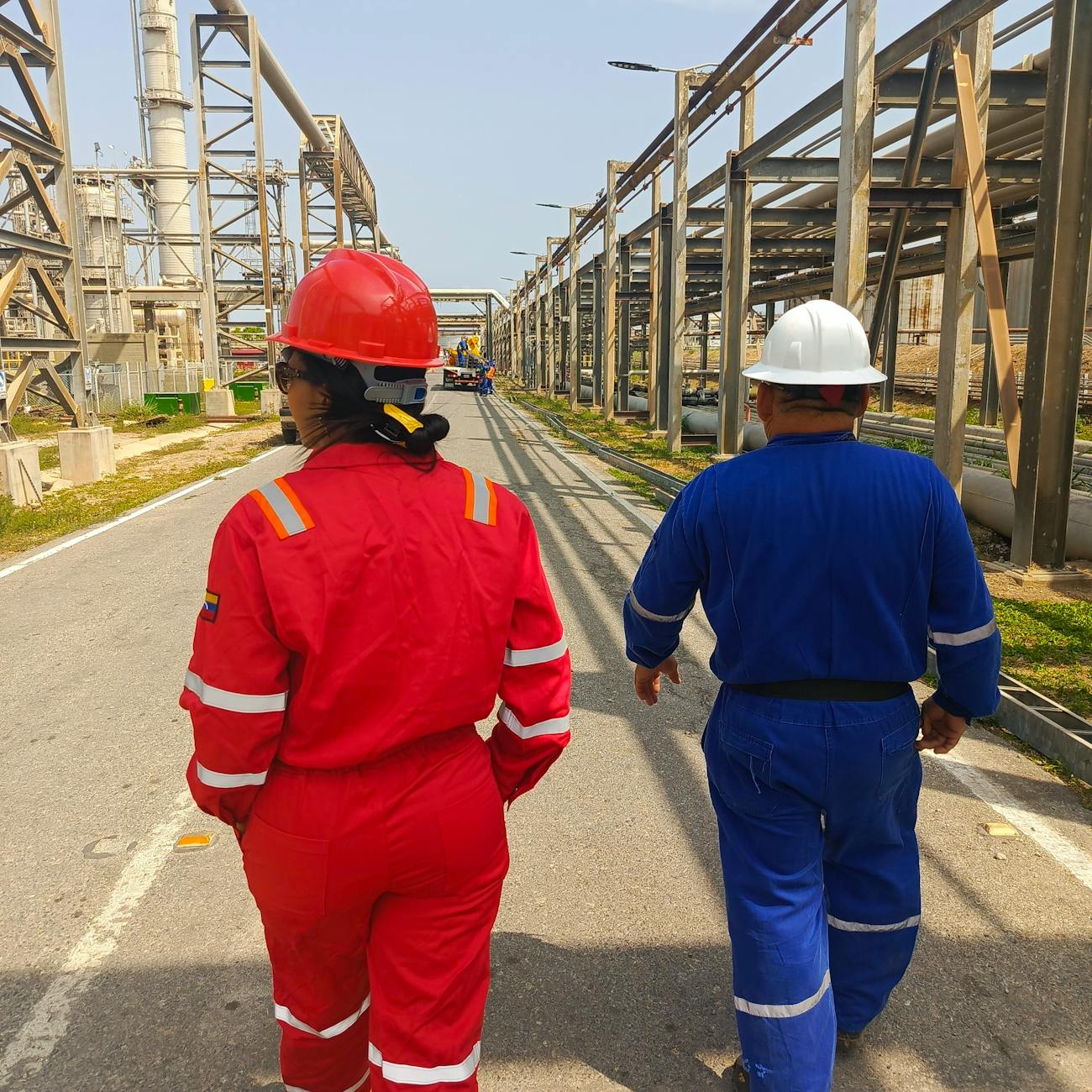
Energy Policy and Regulation are crucial aspects of the petroleum industry, and a solid understanding of related key terms and vocabulary is essential for success in the Certificate in Petroleum Economics and Policy. Here, we delve into the most important concepts, providing detailed explanations, examples, and practical applications.
1. Energy Policy: Energy policy refers to the decisions, laws, and regulations enacted by governments to manage the production, distribution, and consumption of energy resources. These policies aim to balance economic, social, and environmental objectives, such as ensuring energy security, fostering economic growth, and reducing greenhouse gas emissions.
Example: The United States' energy policy includes promoting domestic energy production, investing in renewable energy sources, and enhancing energy efficiency.
1. Regulation: Regulation refers to the rules and guidelines established by governmental bodies to govern specific industries, including the petroleum sector. Regulations aim to protect consumers, promote fair competition, ensure safety, and safeguard the environment.
Example: The Oil and Gas Conservation Commission in Colorado regulates the exploration, drilling, and production of oil and gas resources in the state.
1. Upstream, Midstream, and Downstream: These terms describe different stages of the petroleum industry value chain.
a. Upstream: The upstream sector includes exploration, drilling, and production of crude oil and natural gas.
Example: An oil company acquiring drilling rights for a new offshore field is engaged in upstream activities.
b. Midstream: The midstream sector involves the transportation, storage, and processing of crude oil, natural gas, and natural gas liquids (NGLs).
Example: A natural gas pipeline company that transports gas from production sites to processing facilities and consumers is involved in midstream activities.
c. Downstream: The downstream sector includes refining, marketing, and distribution of petroleum products, such as gasoline, diesel, and jet fuel.
Example: A refinery that produces gasoline and diesel from crude oil is engaged in downstream activities.
1. Petroleum Economics: Petroleum economics is the study of the economic principles, theories, and practices that influence the petroleum industry. It encompasses the analysis of market trends, pricing mechanisms, resource allocation, and investment decisions in the petroleum sector.
Example: An economist studying the impact of OPEC production cuts on global oil prices is engaged in petroleum economics.
1. Fiscal Regime: A fiscal regime refers to the system of taxes, royalties, and other financial mechanisms that governments use to collect revenues from the petroleum sector.
Example: Norway's petroleum fiscal regime includes a high tax rate and a state-owned oil company to maximize government revenues.
1. Oil and Gas Reserves: Oil and gas reserves are the estimated quantities of crude oil and natural gas that can be extracted and sold under existing economic and technological conditions.
Example: Saudi Arabia has the largest proven oil reserves in the world, with an estimated 266 billion barrels.
1. Quota: A quota is a limit on the production or export of a particular commodity, such as oil, imposed by a government or international organization.
Example: OPEC members often agree on production quotas to stabilize global oil prices.
1. Subsidy: A subsidy is a financial incentive provided by a government to support specific industries or activities, such as petroleum production or consumption.
Example: Iran provides substantial fuel subsidies to keep domestic gasoline prices low.
1. Carbon Pricing: Carbon pricing refers to the strategies used to incorporate the cost of greenhouse gas emissions into the price of goods and services, such as carbon taxes or cap-and-trade systems.
Example: The European Union Emissions Trading System (EU ETS) is a cap-and-trade system that sets a limit on greenhouse gas emissions and allows companies to trade emission allowances.
1. Energy Security: Energy security refers to the uninterrupted availability of energy resources at an affordable price to ensure the economic and social well-being of a country or region.
Example: Diversifying energy sources and suppliers is a common strategy to enhance energy security.
1. Renewables: Renewables, or renewable energy sources, refer to energy resources that are naturally replenished and virtually inexhaustible, such as solar, wind, hydro, and geothermal energy.
Example: Germany is a global leader in renewable energy, with more than 40% of its electricity generated from renewable sources.
1. Energy Efficiency: Energy efficiency refers to the reduction of energy waste and the optimization of energy use in various sectors, such as buildings, transportation, and industry.
Example: Implementing energy-efficient lighting and appliances in residential and commercial buildings can significantly reduce energy consumption and costs.
1. Decarbonization: Decarbonization refers to the process of reducing greenhouse gas emissions, particularly carbon dioxide, in various sectors, such as energy, transportation, and industry.
Example: Transitioning from coal-fired power plants to renewable energy sources is a key strategy for decarbonizing the electricity sector.
1. Stranded Assets: Stranded assets refer to the investments that become obsolete or lose significant value due to regulatory, technological, or market changes, rendering them unviable for their intended purpose.
Example: Coal-fired power plants that become uneconomical due to carbon pricing or competition from renewable energy sources can be considered stranded assets.
1. Peak Oil: Peak oil refers to the point at which the maximum rate of global oil production is reached, after which production begins to decline due to depleting reserves and increasing production costs.
Example: Some experts predict that peak oil will occur within the next few decades, leading to higher oil prices and increased demand for alternative energy sources.
1. Energy Transition: Energy transition refers to the shift from fossil fuel-based energy systems to low-carbon or zero-carbon energy systems, driven by environmental, economic, and social factors.
Example: The ongoing energy transition involves the widespread adoption of renewable energy sources, energy efficiency measures, and electrification of transportation and industry.
1. Deregulation: Deregulation refers to the removal or reduction of government regulations in a specific industry, such as the petroleum sector, to promote competition and market efficiency.
Example: The deregulation of the U.S. natural gas market in the 1980s and 1990s led to increased competition, lower prices, and improved infrastructure.
1. National Oil Companies (NOCs): National oil companies (NOCs) are state-owned or state-controlled entities responsible for managing a country's petroleum resources and operations.
Example: Saudi Aramco, the national oil company of Saudi Arabia, is the world's largest oil producer.
1. International Oil Companies (IOCs): International oil companies (IOCs) are privately-owned or publicly-traded entities that engage in petroleum exploration, development, and production activities in multiple countries.
Example: ExxonMobil, Chevron, and BP are examples of prominent IOCs.
1. Independent Oil Companies (Indies): Independent oil companies (Indies) are privately-owned entities that focus on petroleum exploration, development, and production activities, often in partnership with NOCs or IOCs.
Example: Apache Corporation and EOG Resources are examples of prominent indies.
1. Oil and Gas Majors: Oil and gas majors refer to the largest and most influential IOCs in the global petroleum industry.
Example: ExxonMobil, Chevron, BP, Shell, and Total are among the world's leading oil and gas majors.
These key terms and vocabulary are essential for understanding Energy Policy and Regulation in the Certificate in Petroleum Economics and Policy. Mastering these concepts will provide a solid foundation for further study and success in the petroleum industry.
Key takeaways
- Energy Policy and Regulation are crucial aspects of the petroleum industry, and a solid understanding of related key terms and vocabulary is essential for success in the Certificate in Petroleum Economics and Policy.
- These policies aim to balance economic, social, and environmental objectives, such as ensuring energy security, fostering economic growth, and reducing greenhouse gas emissions.
- Example: The United States' energy policy includes promoting domestic energy production, investing in renewable energy sources, and enhancing energy efficiency.
- Regulation: Regulation refers to the rules and guidelines established by governmental bodies to govern specific industries, including the petroleum sector.
- Example: The Oil and Gas Conservation Commission in Colorado regulates the exploration, drilling, and production of oil and gas resources in the state.
- Upstream, Midstream, and Downstream: These terms describe different stages of the petroleum industry value chain.
- Upstream: The upstream sector includes exploration, drilling, and production of crude oil and natural gas.