
* Introduction to Petroleum Economics
Petroleum Economics is a field of study that deals with the economics of the petroleum industry, including the exploration, extraction, refining, and marketing of oil and gas. Here are some key terms and vocabulary that are important in und…
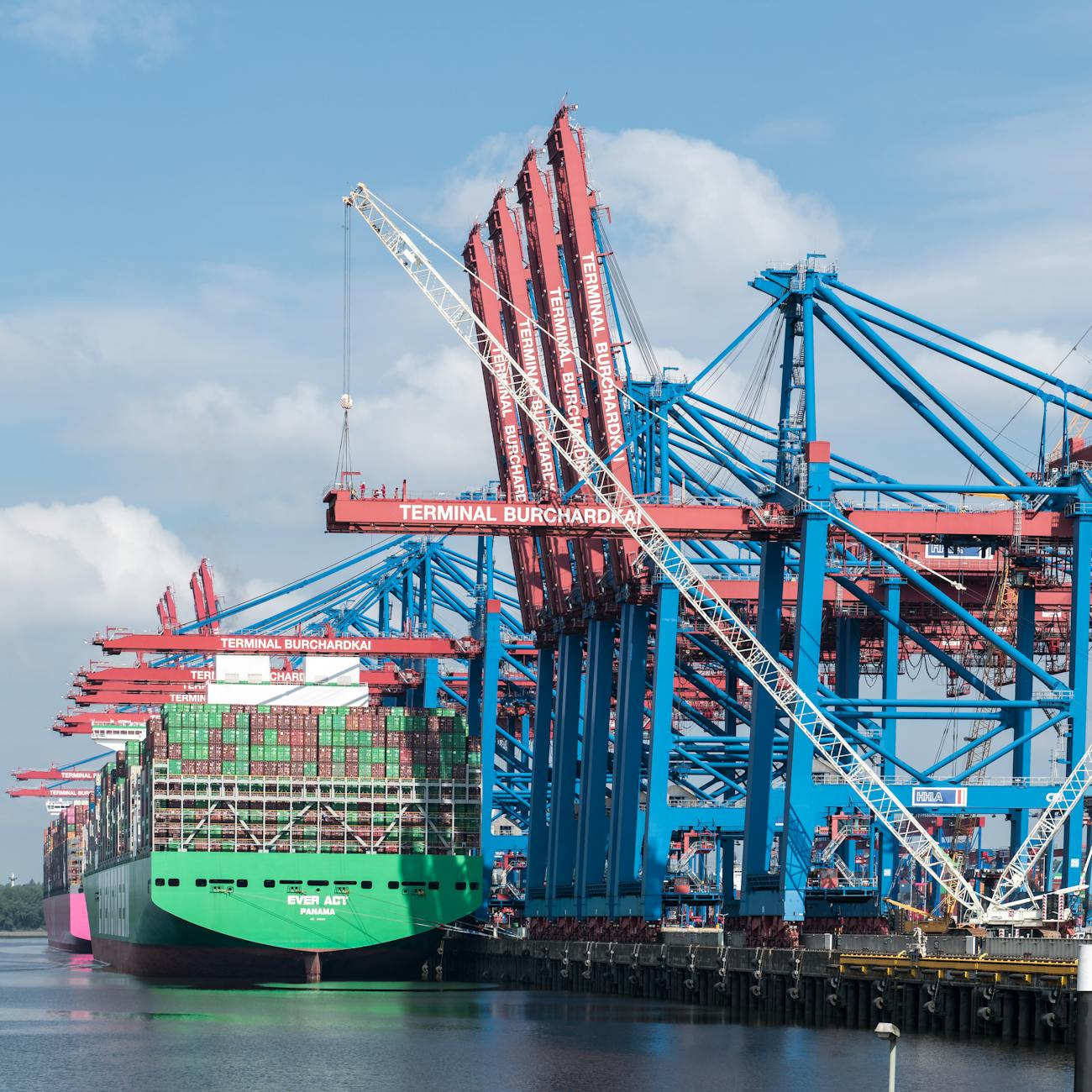
Petroleum Economics is a field of study that deals with the economics of the petroleum industry, including the exploration, extraction, refining, and marketing of oil and gas. Here are some key terms and vocabulary that are important in understanding Petroleum Economics:
1. Reserves: Refers to the estimated quantity of oil and gas that can be recovered from known reservoirs under existing economic and operating conditions. Reserves are classified as proved, probable, and possible, based on the level of certainty associated with the estimates. 2. Exploration: The process of searching for new oil and gas fields. This involves the use of geological and geophysical data to identify potential reservoirs, followed by the drilling of exploratory wells to confirm the presence of hydrocarbons. 3. Extraction: The process of producing oil and gas from reservoirs. This involves the drilling of production wells, the installation of production facilities, and the operation of these facilities to recover the hydrocarbons. 4. Refining: The process of converting crude oil into refined products such as gasoline, diesel, and jet fuel. This involves the use of various processing units such as distillation columns, cracking units, and treatment units. 5. Marketing: The process of selling refined products to customers. This involves the establishment of a distribution network, the pricing of products, and the promotion of sales. 6. Upstream: Refers to the exploration and extraction phase of the petroleum industry. 7. Midstream: Refers to the transportation and storage phase of the petroleum industry. 8. Downstream: Refers to the refining and marketing phase of the petroleum industry. 9. Exploration and Production (E&P) Companies: Companies that are involved in the exploration and extraction of oil and gas. 10. Integrated Oil Companies (IOCs): Companies that are involved in all aspects of the petroleum industry, from exploration and extraction to refining and marketing. 11. National Oil Companies (NOCs): Companies that are owned and operated by governments, typically in countries that have significant oil and gas resources. 12. Oil Price: The price at which oil is traded in the global market. Oil prices are influenced by a variety of factors, including supply and demand, geopolitical events, and economic indicators. 13. OPEC: The Organization of the Petroleum Exporting Countries, a cartel of oil-producing countries that seeks to coordinate production levels and maintain stable oil prices. 14. Fiscal Regime: The system of taxes, royalties, and other payments that governments impose on oil and gas companies operating in their territories. 15. Risk: The possibility of loss or injury associated with oil and gas activities. Risks can be classified as technical, commercial, political, or regulatory. 16. Royalty: A payment made to the owner of oil and gas resources, typically in the form of a percentage of the value of production. 17. Profit Sharing Agreement (PSA): A contract between a government and an oil and gas company, in which the company is allowed to explore and extract oil and gas resources in exchange for a share of the profits. 18. Production Sharing Agreement (PSA): A contract between a government and an oil and gas company, in which the company is allowed to explore and extract oil and gas resources, and is paid a share of the production. 19. Cost Recovery: The process of recovering the costs of exploration and extraction from the sale of oil and gas resources. 20. Price Deck: A table that shows the prices at which oil and gas companies are allowed to sell their products in a particular market. 21. Lifting Costs: The costs associated with producing oil and gas, including drilling, completion, and operating expenses. 22. Findings and Development Costs (F&D Costs): The costs associated with finding and developing new oil and gas reserves. 23. Operating Costs: The costs associated with operating oil and gas facilities, including maintenance, labor, and materials. 24. Capital Expenditures (CAPEX): The costs associated with investing in new oil and gas projects, including the drilling of new wells, the construction of production facilities, and the acquisition of equipment. 25. Net Present Value (NPV): A financial metric that measures the present value of future cash flows, taking into account the time value of money. 26. Internal Rate of Return (IRR): A financial metric that measures the expected rate of return on an investment. 27. Discounted Cash Flow (DCF): A financial analysis technique that involves estimating the future cash flows of an investment and discounting them to their present value. 28. Hedging: The use of financial instruments such as futures and options to manage the risks associated with oil and gas prices. 29. Arbitrage: The simultaneous purchase and sale of oil and gas products in different markets to take advantage of price discrepancies. 30. Vertical Integration: The ownership and control of multiple stages of the petroleum value chain by a single company. 31. Horizontal Integration: The ownership and control of multiple assets within the same stage of the petroleum value chain by a single company. 32. Mergers and Acquisitions (M&A): The combination of two or more companies through a merger or acquisition. 33. Joint Ventures (JVs): Collaborative arrangements between two or more companies to pursue a specific project or business opportunity. 34. Alliance: A strategic partnership between two or more companies to achieve mutual benefits. 35. Partnership: A legal relationship between two or more individuals or entities to carry on a business together. 36. Licensing: The granting of permission by a company to another company to use its technology, know-how, or other intellectual property. 37. Fracking: The process of hydraulic fracturing, which involves the injection of high-pressure fluids into rock formations to create fractures and release oil and gas. 38. Enhanced Oil Recovery (EOR): The use of various techniques to increase the recovery of oil and gas from reservoirs. 39. Carbon Capture and Storage (CCS): The capture and storage of carbon dioxide emissions from industrial processes to reduce greenhouse gas emissions. 40. Renewable Energy: Energy sources that are replenished naturally, such as solar, wind, and hydro power. 41. Energy Transition: The shift from fossil fuels to renewable energy sources. 42. Climate Change: The long-term changes in the Earth's climate, including global warming, caused by human activities. 43. Sustainability: The ability to meet the needs of the present without compromising the ability of future generations to meet their own needs. 44. Circular Economy: An economic system that is restorative and regenerative by design, aiming to keep products and materials in use for as long as possible. 45. Energy Security: The uninterrupted availability of energy sources at an affordable price. 46. Geopolitics: The study of the relationship between politics and geography, including the impact of geography on political and economic relations. 47. Resource Nationalism: The assertion of control by governments over natural resources, often in response to perceived exploitation by foreign companies. 48. Regulation: The rules and restrictions imposed by governments on the petroleum industry. 49. Competition Policy: The rules and regulations that govern competition in the petroleum industry. 50. Trade Policy: The rules and regulations that govern international trade in the petroleum industry.
These are some of the key terms and vocabulary in Petroleum Economics. Understanding these terms is essential for anyone who wants to work in the
Key takeaways
- Petroleum Economics is a field of study that deals with the economics of the petroleum industry, including the exploration, extraction, refining, and marketing of oil and gas.
- Production Sharing Agreement (PSA): A contract between a government and an oil and gas company, in which the company is allowed to explore and extract oil and gas resources, and is paid a share of the production.
- These are some of the key terms and vocabulary in Petroleum Economics.