
Renewable Energy Systems
Renewable Energy Systems: Renewable energy systems refer to technologies that harness energy from resources that are naturally replenished, such as sunlight, wind, rain, tides, waves, and geothermal heat. These systems provide an alternativ…
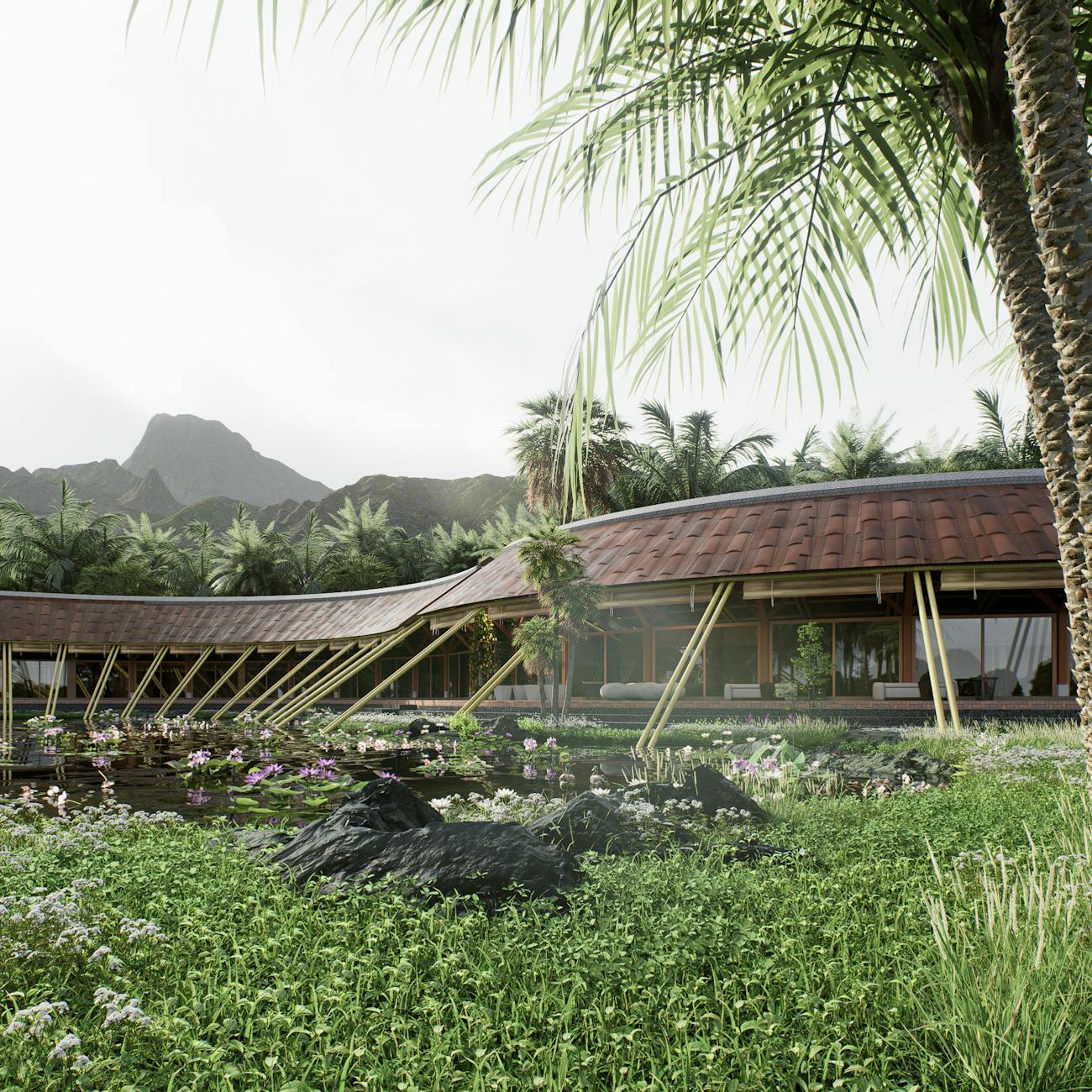
Renewable Energy Systems: Renewable energy systems refer to technologies that harness energy from resources that are naturally replenished, such as sunlight, wind, rain, tides, waves, and geothermal heat. These systems provide an alternative to traditional fossil fuels and have a lower environmental impact, making them crucial in the transition to a more sustainable energy future.
Sustainable Architecture: Sustainable architecture focuses on creating buildings and structures that minimize their environmental impact while maximizing efficiency and comfort for occupants. It involves using renewable materials, energy-efficient design, and incorporating renewable energy systems to reduce the overall carbon footprint of a building.
Key Terms and Vocabulary:
1. Photovoltaic (PV) Systems: Photovoltaic systems convert sunlight into electricity using solar panels made up of photovoltaic cells. These systems are commonly installed on rooftops and can be used to power homes, businesses, and even entire communities.
2. Solar Thermal Systems: Solar thermal systems use sunlight to heat water or air for residential or commercial use. They are often used for hot water heating, space heating, and even cooling through absorption chillers.
3. Wind Turbines: Wind turbines convert the kinetic energy of the wind into electricity. They consist of blades that spin a rotor connected to a generator, producing clean and renewable energy.
4. Geothermal Heat Pumps: Geothermal heat pumps utilize the constant temperature of the earth below the surface to heat and cool buildings. They are highly efficient and can significantly reduce energy consumption for heating and cooling.
5. Biomass Energy: Biomass energy is derived from organic materials such as wood, crop residues, and animal waste. It can be used for heating, electricity generation, and even transportation fuels like biofuels.
6. Hydropower: Hydropower harnesses the energy of moving water to generate electricity. It can be produced from large-scale dams or smaller run-of-river installations, providing a reliable source of renewable energy.
7. Net Zero Energy Buildings: Net zero energy buildings produce as much energy as they consume over the course of a year. They achieve this through a combination of energy-efficient design, renewable energy systems, and energy conservation measures.
8. Energy Efficiency: Energy efficiency refers to using less energy to perform the same tasks or achieve the same level of comfort. It involves designing buildings and systems to minimize energy waste and optimize performance.
9. Passive Solar Design: Passive solar design uses the sun's energy to heat and cool buildings without the need for mechanical systems. It involves orienting buildings, using thermal mass, and optimizing natural ventilation to maximize energy efficiency.
10. Energy Storage: Energy storage technologies store excess energy generated from renewable sources for later use. This is crucial for balancing supply and demand, especially with intermittent sources like solar and wind power.
11. Microgrids: Microgrids are localized energy systems that can operate independently or connect to the main grid. They often incorporate renewable energy sources and energy storage to increase reliability and resilience.
12. Life Cycle Assessment (LCA): Life cycle assessment is a method for evaluating the environmental impacts of a product or system throughout its entire life cycle, from raw material extraction to disposal. It helps identify opportunities for improvement and inform decision-making.
13. Carbon Footprint: A carbon footprint is the total amount of greenhouse gases emitted directly or indirectly by an individual, organization, event, or product. It is a measure of the impact on global warming and climate change.
14. Green Building Certifications: Green building certifications such as LEED (Leadership in Energy and Environmental Design) and BREEAM (Building Research Establishment Environmental Assessment Method) recognize buildings that meet certain sustainability criteria. They promote best practices in sustainable architecture and construction.
15. Grid Integration: Grid integration involves connecting renewable energy systems to the existing electrical grid. It requires coordination and communication to ensure a stable and reliable supply of electricity while maximizing the use of renewable energy sources.
16. Smart Grids: Smart grids use advanced technologies to optimize the generation, distribution, and consumption of electricity. They enable real-time communication between utilities and customers, improving efficiency and reliability.
17. Energy Management Systems: Energy management systems monitor, control, and optimize energy use in buildings and facilities. They help identify energy-saving opportunities, track performance, and ensure efficient operation of renewable energy systems.
18. Energy Modeling: Energy modeling involves simulating the energy performance of buildings using computer software. It helps architects and engineers optimize design decisions, evaluate different scenarios, and predict energy consumption and savings.
19. Demand Response: Demand response programs incentivize consumers to reduce or shift their electricity usage during peak periods. This helps balance supply and demand, prevent blackouts, and reduce the need for expensive peaking power plants.
20. Green Roofs: Green roofs are covered with vegetation, providing insulation, reducing stormwater runoff, and improving air quality. They can help reduce the urban heat island effect and enhance biodiversity in urban areas.
21. Net Metering: Net metering allows customers with renewable energy systems to offset their electricity consumption with excess generation. It involves a two-way connection to the grid, enabling customers to receive credit for surplus energy fed back into the grid.
22. Off-Grid Systems: Off-grid systems operate independently of the main electrical grid, relying on renewable energy sources and energy storage. They are common in remote locations or for buildings seeking energy independence.
23. Energy Audits: Energy audits assess the energy performance of buildings, identifying opportunities for improvement and cost-effective energy-saving measures. They help prioritize investments in energy efficiency and renewable energy systems.
24. Renewable Portfolio Standards (RPS): Renewable portfolio standards require utilities to generate a certain percentage of their electricity from renewable sources. They help drive the adoption of renewable energy and reduce greenhouse gas emissions.
25. Distributed Energy Resources (DERs): Distributed energy resources are small-scale energy technologies located close to where electricity is consumed. They include solar panels, wind turbines, and energy storage systems, providing flexibility and resilience to the grid.
26. Greywater Recycling: Greywater recycling involves treating and reusing wastewater from sinks, showers, and washing machines for non-potable purposes like irrigation and toilet flushing. It helps conserve water and reduce the strain on municipal water systems.
27. Passive House Design: Passive house design focuses on creating ultra-low energy buildings that require minimal heating and cooling. It involves airtight construction, high levels of insulation, and heat recovery ventilation to achieve exceptional energy efficiency.
28. Embodied Energy: Embodied energy is the total energy consumed in the extraction, processing, manufacturing, transportation, and disposal of building materials. It is an important consideration in sustainable architecture to minimize the environmental impact of construction.
29. Carbon Neutral: Carbon neutral refers to achieving a balance between the amount of carbon emissions produced and removed from the atmosphere. It involves reducing emissions through energy efficiency and offsetting remaining emissions through carbon offset projects.
30. Resilient Design: Resilient design focuses on creating buildings and infrastructure that can withstand and recover from disruptions like extreme weather events, natural disasters, and power outages. It involves incorporating redundancy, flexibility, and adaptive strategies to enhance resilience.
31. Renewable Energy Credits (RECs): Renewable energy credits represent the environmental benefits of one megawatt-hour of electricity generated from renewable sources. They can be bought and sold to support renewable energy production and meet sustainability goals.
32. Circular Economy: The circular economy aims to minimize waste and maximize resource efficiency by designing products and systems that can be reused, repaired, and recycled. It promotes a closed-loop system that reduces the consumption of finite resources and minimizes environmental impact.
33. Decentralized Energy Systems: Decentralized energy systems distribute energy generation and storage across a network of interconnected nodes. They increase energy resilience, reduce transmission losses, and support the integration of renewable energy sources.
34. Life-Cycle Cost Analysis: Life-cycle cost analysis considers the total cost of owning and operating a building or system over its entire life cycle, including initial costs, maintenance, energy consumption, and disposal. It helps decision-makers evaluate the long-term economic benefits of sustainable design strategies.
35. Renewable Heat Systems: Renewable heat systems use renewable energy sources like solar, geothermal, biomass, and heat pumps to provide heating and hot water for buildings. They help reduce reliance on fossil fuels and lower carbon emissions in the heating sector.
36. Climate Resilience: Climate resilience involves adapting to the impacts of climate change to minimize risks and protect people, buildings, and infrastructure. It includes strategies to address extreme weather events, sea-level rise, and changing temperatures to ensure long-term sustainability.
37. Energy Monitoring and Control Systems: Energy monitoring and control systems track energy consumption in real-time and allow users to adjust settings for optimal efficiency. They help identify energy-saving opportunities, detect anomalies, and optimize the performance of renewable energy systems.
38. Building Information Modeling (BIM): Building Information Modeling is a digital representation of the physical and functional characteristics of a building. It helps architects, engineers, and contractors collaborate, visualize design concepts, and analyze the performance of buildings before construction.
39. Electric Vehicles (EVs): Electric vehicles run on electricity stored in batteries, reducing greenhouse gas emissions from transportation. They can be charged using renewable energy sources, further decreasing their environmental impact and promoting sustainability.
40. Energy Codes and Standards: Energy codes and standards set minimum requirements for energy efficiency in buildings and systems. They help drive innovation, promote best practices, and ensure that new construction meets sustainability goals.
41. Microgeneration: Microgeneration refers to small-scale generation of electricity or heat by individual buildings or households. It includes technologies like rooftop solar panels, small wind turbines, and micro combined heat and power (CHP) systems.
42. Daylighting: Daylighting involves using natural light to illuminate interior spaces, reducing the need for artificial lighting. It enhances visual comfort, improves productivity, and saves energy by minimizing electricity use during daylight hours.
43. Demand-Side Management: Demand-side management involves strategies to modify electricity consumption patterns to match supply and demand more efficiently. It includes incentives for shifting usage to off-peak hours, energy efficiency programs, and demand response initiatives.
44. Thermal Mass: Thermal mass refers to the ability of a material to store heat and release it slowly over time. It helps regulate indoor temperatures, reducing the need for mechanical heating and cooling systems and improving energy efficiency.
45. Solar Shading: Solar shading devices like overhangs, awnings, and louvers block direct sunlight from entering a building, reducing heat gain and glare. They help maintain comfortable indoor temperatures and reduce the load on cooling systems.
46. Green Infrastructure: Green infrastructure includes natural systems like green roofs, rain gardens, and permeable pavement that manage stormwater, reduce urban heat island effects, and improve biodiversity. It enhances sustainability and resilience in urban environments.
47. Renewable Energy Incentives: Renewable energy incentives like tax credits, rebates, and feed-in tariffs encourage the adoption of renewable energy systems by reducing upfront costs and providing financial benefits for generating clean energy.
48. Energy Performance Contracting: Energy performance contracting involves partnering with an energy services company to implement energy-saving measures in buildings. The company guarantees energy savings, and payments are based on the actual performance of the installed systems.
49. Building Envelope: The building envelope is the physical separation between the interior and exterior environments of a building. It includes walls, windows, doors, and roofs that help control heat flow, air leakage, and moisture infiltration for energy efficiency.
50. Renewable Energy Auctions: Renewable energy auctions are competitive processes where developers bid to provide renewable energy capacity at the lowest cost. They help drive down prices, promote innovation, and accelerate the deployment of renewable energy projects.
Key takeaways
- Renewable Energy Systems: Renewable energy systems refer to technologies that harness energy from resources that are naturally replenished, such as sunlight, wind, rain, tides, waves, and geothermal heat.
- Sustainable Architecture: Sustainable architecture focuses on creating buildings and structures that minimize their environmental impact while maximizing efficiency and comfort for occupants.
- Photovoltaic (PV) Systems: Photovoltaic systems convert sunlight into electricity using solar panels made up of photovoltaic cells.
- Solar Thermal Systems: Solar thermal systems use sunlight to heat water or air for residential or commercial use.
- They consist of blades that spin a rotor connected to a generator, producing clean and renewable energy.
- Geothermal Heat Pumps: Geothermal heat pumps utilize the constant temperature of the earth below the surface to heat and cool buildings.
- Biomass Energy: Biomass energy is derived from organic materials such as wood, crop residues, and animal waste.