
Urban Sustainability
Urban Sustainability: Urban sustainability refers to the ability of a city or urban area to maintain and improve the quality of life for its residents while minimizing its impact on the environment. It involves finding a balance between soc…
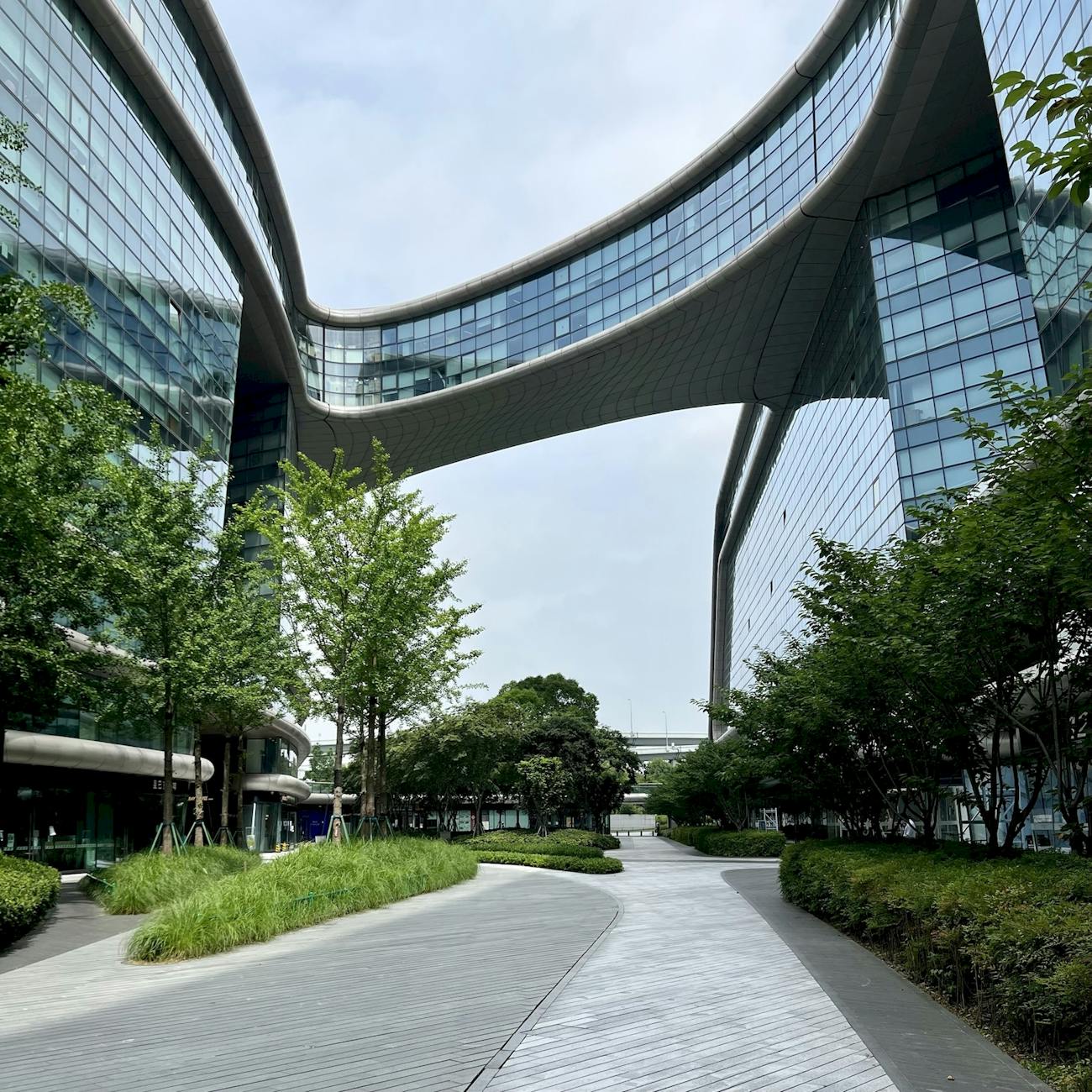
Urban Sustainability: Urban sustainability refers to the ability of a city or urban area to maintain and improve the quality of life for its residents while minimizing its impact on the environment. It involves finding a balance between social, economic, and environmental factors to create a city that is livable, resilient, and resource-efficient.
Sustainable Architecture: Sustainable architecture is an approach to building design and construction that aims to minimize the environmental impact of buildings while creating healthy and comfortable spaces for occupants. It focuses on energy efficiency, use of sustainable materials, and consideration of the building's impact on the surrounding environment.
Key Terms and Vocabulary for Urban Sustainability:
1. Green Building: Green building refers to the practice of designing, constructing, and operating buildings in an environmentally responsible and resource-efficient manner. This includes using sustainable materials, optimizing energy and water usage, and reducing waste.
2. LEED Certification: LEED stands for Leadership in Energy and Environmental Design. It is a certification program developed by the U.S. Green Building Council that recognizes buildings that meet certain sustainability standards. Buildings can achieve different levels of LEED certification based on their environmental performance.
3. Urban Heat Island Effect: The urban heat island effect is a phenomenon where urban areas experience higher temperatures than surrounding rural areas due to human activities. This can lead to increased energy consumption for cooling, poorer air quality, and negative impacts on human health.
4. Transit-Oriented Development: Transit-oriented development (TOD) is a type of urban development that focuses on creating compact, mixed-use communities around public transportation hubs. TOD aims to reduce car dependency, promote walking and cycling, and create vibrant, sustainable neighborhoods.
5. Urban Resilience: Urban resilience refers to the ability of a city to withstand and recover from shocks and stresses, such as natural disasters, climate change, or economic downturns. Resilient cities are able to adapt and bounce back quickly in the face of challenges.
6. Green Infrastructure: Green infrastructure refers to natural and semi-natural systems that provide environmental, social, and economic benefits to urban areas. This can include parks, green roofs, rain gardens, and urban forests that help manage stormwater, improve air quality, and enhance biodiversity.
7. Carbon Footprint: A carbon footprint is the total amount of greenhouse gases, particularly carbon dioxide, that are emitted directly or indirectly by an individual, organization, or product. Understanding and reducing carbon footprints is crucial for mitigating climate change.
8. Energy Efficiency: Energy efficiency refers to using less energy to provide the same level of service. In buildings, energy efficiency measures can include improving insulation, using energy-efficient appliances and lighting, and incorporating renewable energy sources.
9. Sustainable Transportation: Sustainable transportation involves promoting modes of transportation that are environmentally friendly, socially equitable, and economically viable. This can include public transit, cycling, walking, carpooling, and electric vehicles.
10. Urban Agriculture: Urban agriculture involves growing, processing, and distributing food within or around urban areas. This can include rooftop gardens, community gardens, and urban farms that help increase food security, promote local food production, and reduce food miles.
11. Circular Economy: A circular economy is an economic system that aims to eliminate waste and promote the continual use of resources. It involves designing products for longevity, reusing materials, and recycling waste to create a closed-loop system.
12. Smart Cities: Smart cities use technology and data to improve efficiency, sustainability, and quality of life for residents. This can include smart grid systems, sensors for monitoring air quality, and smart transportation systems to reduce congestion.
13. Biodiversity: Biodiversity refers to the variety of plant and animal species in a particular habitat or ecosystem. Urban areas can support biodiversity through green spaces, wildlife corridors, and habitat restoration projects.
14. Resilient Design: Resilient design involves designing buildings and infrastructure to withstand and recover from disasters and other disturbances. This can include using resilient materials, incorporating green infrastructure, and planning for climate change impacts.
15. Social Equity: Social equity refers to the fair distribution of resources, opportunities, and services within a community. Sustainable urban development should prioritize social equity to ensure that all residents have access to affordable housing, healthcare, education, and transportation.
16. Water Conservation: Water conservation involves reducing water waste and using water more efficiently. This can include installing low-flow fixtures, harvesting rainwater, and implementing water reuse systems to minimize water consumption.
17. Resilient Infrastructure: Resilient infrastructure refers to the systems and structures that support urban life and can withstand and recover from disasters. This can include transportation networks, water and wastewater systems, and energy grids designed to be resilient to climate change impacts.
18. Passive Design: Passive design is an approach to building design that uses natural elements such as sunlight, shade, and ventilation to reduce the need for mechanical heating and cooling. Passive design strategies can help improve energy efficiency and occupant comfort.
19. Renewable Energy: Renewable energy sources, such as solar, wind, and hydropower, are sources of energy that can be replenished naturally. Using renewable energy can help reduce greenhouse gas emissions and dependence on fossil fuels in urban areas.
20. Zero Waste: Zero waste is a philosophy that aims to eliminate waste from the production and consumption cycle. This can include reducing waste at the source, recycling and composting materials, and promoting a circular economy to minimize landfill disposal.
21. Green Roofs: Green roofs are roofs that are covered with vegetation, which can help reduce stormwater runoff, improve air quality, and reduce urban heat island effects. Green roofs can also provide insulation and habitat for wildlife in urban areas.
22. Mixed-Use Development: Mixed-use development combines residential, commercial, and recreational spaces within a single neighborhood or building. This can reduce the need for car trips, promote walkability, and create vibrant, sustainable communities.
23. Adaptive Reuse: Adaptive reuse involves repurposing existing buildings or structures for new uses instead of demolishing them. This can help preserve historic buildings, reduce waste, and promote sustainable development in urban areas.
24. Life Cycle Assessment: Life cycle assessment (LCA) is a method for evaluating the environmental impacts of a product or building throughout its entire life cycle, from raw material extraction to disposal. LCA can help identify opportunities for reducing environmental impacts and improving sustainability.
25. Urban Planning: Urban planning involves the design and organization of urban spaces to create sustainable, livable communities. This can include zoning regulations, transportation planning, green space design, and community engagement to shape the future of cities.
26. Green Building Materials: Green building materials are materials that are environmentally friendly, energy-efficient, and non-toxic. This can include recycled materials, sustainably sourced wood, low-VOC paints, and energy-efficient insulation that help reduce the environmental impact of buildings.
27. Carbon Neutral: Carbon neutral refers to achieving a balance between the amount of carbon dioxide emitted and the amount removed from the atmosphere. This can be achieved through carbon offsetting, renewable energy use, and energy efficiency measures.
28. Urban Renewal: Urban renewal involves revitalizing older or deteriorating urban areas through redevelopment, infrastructure improvements, and community engagement. Urban renewal projects should aim to improve quality of life, promote economic development, and enhance sustainability.
29. Green Building Standards: Green building standards are guidelines and criteria that define sustainable building practices and performance metrics. This can include energy efficiency standards, water conservation requirements, and indoor air quality guidelines for green building certification.
30. Resilient Cities Initiative: The Resilient Cities Initiative is a global effort to help cities build resilience to climate change, natural disasters, and other challenges. The initiative includes tools, resources, and best practices for cities to enhance their resilience and sustainability.
31. Urban Design: Urban design involves the physical and spatial planning of urban areas to create functional, attractive, and sustainable environments. This can include street layouts, public spaces, building placement, and landscape design to enhance the quality of urban life.
32. Social Cohesion: Social cohesion refers to the sense of belonging, trust, and cooperation among individuals and communities in a society. Sustainable urban development should promote social cohesion by fostering inclusive, diverse, and equitable communities.
33. Green Certifications: Green certifications are third-party labels that recognize buildings, products, or services that meet certain environmental standards. Examples include LEED, BREEAM, and Green Globes certifications that demonstrate a commitment to sustainability and green building practices.
34. Urban Regeneration: Urban regeneration involves revitalizing urban areas through strategic investment, infrastructure improvements, and community engagement. Regeneration projects should aim to create sustainable, inclusive, and resilient neighborhoods that benefit residents and the environment.
35. Energy Performance Certificate: An Energy Performance Certificate (EPC) is a document that rates the energy efficiency of a building based on its design and construction. EPCs provide information on energy use, carbon emissions, and recommendations for improving energy efficiency in buildings.
36. Walkability: Walkability refers to the ease and safety of walking within a neighborhood or urban area. Walkable communities have well-connected sidewalks, pedestrian-friendly streets, and amenities within walking distance, which can promote physical activity, reduce car trips, and improve quality of life.
37. Green Transportation: Green transportation includes modes of transportation that are environmentally friendly and energy-efficient. This can include public transit, cycling infrastructure, electric vehicles, and car-sharing programs that help reduce greenhouse gas emissions and air pollution in urban areas.
38. Urban Forests: Urban forests are areas of trees and vegetation within urban areas that provide environmental, social, and economic benefits. Urban forests can help improve air quality, reduce urban heat island effects, mitigate climate change, and enhance biodiversity in cities.
39. Climate Adaptation: Climate adaptation involves preparing for and responding to the impacts of climate change, such as extreme weather events, sea level rise, and heatwaves. Adaptation strategies can include infrastructure improvements, ecosystem restoration, and community resilience planning to reduce vulnerability to climate risks.
40. Community Engagement: Community engagement involves involving residents, stakeholders, and local organizations in the planning and decision-making processes of urban development projects. Engaging communities can help build trust, promote social equity, and ensure that projects meet the needs and priorities of residents.
41. Urban Mobility: Urban mobility refers to the movement of people and goods within urban areas. Sustainable urban mobility focuses on promoting efficient, safe, and environmentally friendly modes of transportation, such as public transit, walking, cycling, and carpooling.
42. Green Building Practices: Green building practices are construction techniques and design strategies that prioritize energy efficiency, resource conservation, and indoor environmental quality. Examples include passive solar design, rainwater harvesting, green roofs, and use of recycled materials in building construction.
43. Energy Management: Energy management involves monitoring, controlling, and optimizing energy use in buildings and facilities to reduce energy consumption and costs. Energy management strategies can include energy audits, building automation systems, and behavior change programs to promote energy efficiency.
44. Sustainable Communities: Sustainable communities are neighborhoods, towns, or cities that are designed and managed to promote social, economic, and environmental sustainability. Sustainable communities prioritize walkability, access to green space, affordable housing, and community amenities to enhance quality of life for residents.
45. Green Infrastructure Planning: Green infrastructure planning involves integrating natural systems, such as parks, green spaces, and waterways, into urban planning and development. Green infrastructure can help manage stormwater, improve air quality, reduce urban heat island effects, and enhance biodiversity in cities.
46. Urban Water Management: Urban water management involves managing water resources in urban areas to ensure sustainable use, conservation, and quality. This can include water conservation measures, rainwater harvesting, wastewater recycling, and green infrastructure to reduce water demand and protect water resources.
47. Energy Retrofit: An energy retrofit is the process of upgrading existing buildings to improve energy efficiency, comfort, and indoor environmental quality. Energy retrofits can include insulation upgrades, window replacements, lighting retrofits, and HVAC system improvements to reduce energy consumption and greenhouse gas emissions.
48. Sustainable Development Goals: The Sustainable Development Goals (SDGs) are a set of 17 global goals adopted by the United Nations to address social, economic, and environmental challenges and promote sustainable development. The SDGs include targets related to poverty reduction, climate action, sustainable cities, and responsible consumption and production.
49. Urban Governance: Urban governance refers to the systems, processes, and institutions that govern urban areas and make decisions about urban development. Effective urban governance involves transparency, accountability, participation, and collaboration among government, civil society, and private sector stakeholders to promote sustainable and inclusive cities.
50. Environmental Justice: Environmental justice is the fair treatment and meaningful involvement of all people, regardless of race, income, or ethnicity, in environmental decision-making and access to environmental benefits. Environmental justice aims to address environmental inequalities and promote equitable distribution of environmental resources and risks in urban areas.
Key takeaways
- Urban Sustainability: Urban sustainability refers to the ability of a city or urban area to maintain and improve the quality of life for its residents while minimizing its impact on the environment.
- Sustainable Architecture: Sustainable architecture is an approach to building design and construction that aims to minimize the environmental impact of buildings while creating healthy and comfortable spaces for occupants.
- Green Building: Green building refers to the practice of designing, constructing, and operating buildings in an environmentally responsible and resource-efficient manner.
- Buildings can achieve different levels of LEED certification based on their environmental performance.
- Urban Heat Island Effect: The urban heat island effect is a phenomenon where urban areas experience higher temperatures than surrounding rural areas due to human activities.
- Transit-Oriented Development: Transit-oriented development (TOD) is a type of urban development that focuses on creating compact, mixed-use communities around public transportation hubs.
- Urban Resilience: Urban resilience refers to the ability of a city to withstand and recover from shocks and stresses, such as natural disasters, climate change, or economic downturns.