
Strategic Pricing in the Food Industry
Expert-defined terms from the Professional Certificate in Food Marketing and Consumer Behaviour course at London School of Planning and Management. Free to read, free to share, paired with a professional course.
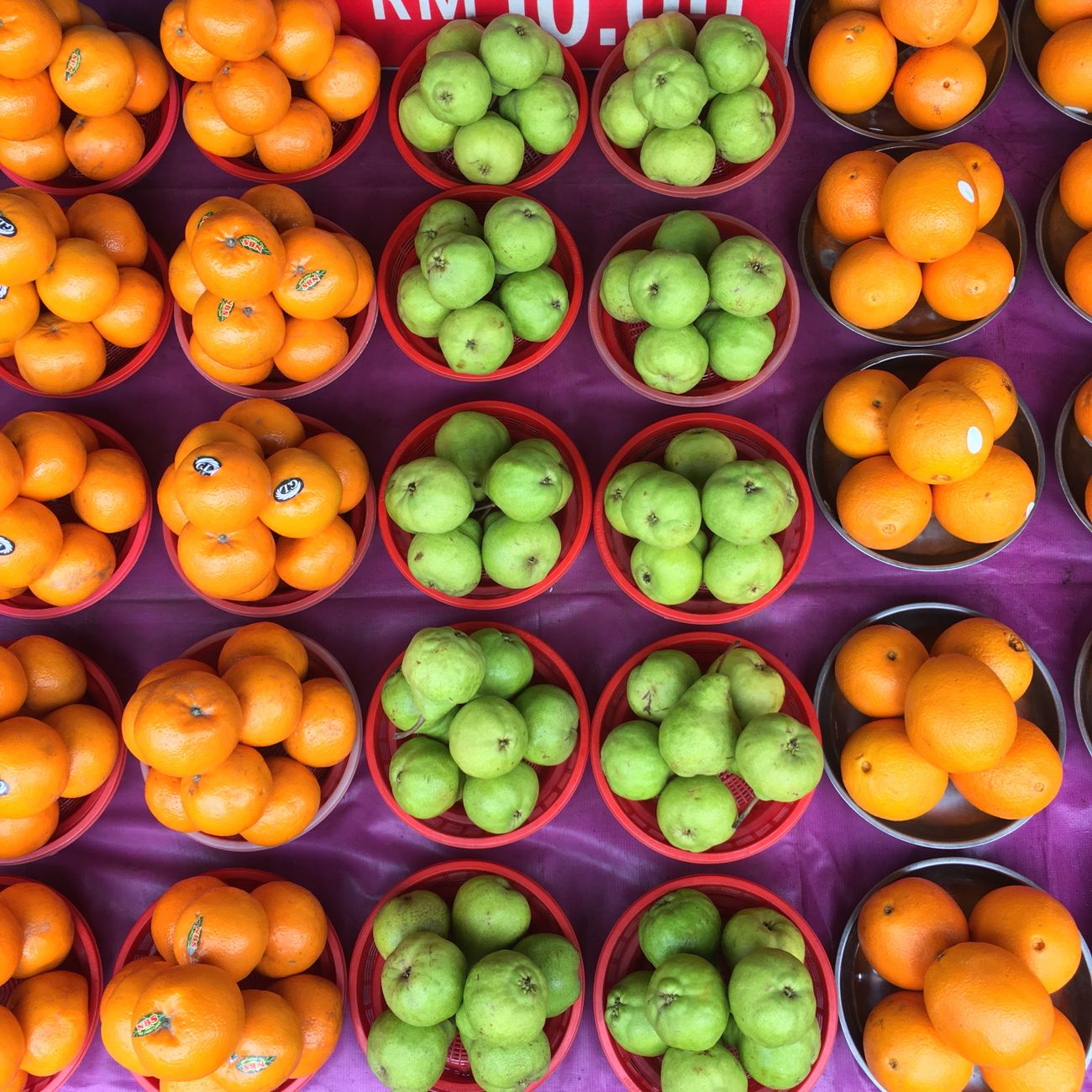
Agricultural Marketing refers to the process of planning, organizing, and handli… #
Agricultural Marketing refers to the process of planning, organizing, and handling of agricultural products in a way that meets the needs of both producers and consumers, it involves the use of strategic pricing to ensure that products are sold at a price that is profitable for the producer while also being affordable for the consumer.
Actionable Insights are key findings or recommendations that are derived… #
Actionable Insights are key findings or recommendations that are derived from data analysis and can be used to inform business decisions, in the context of the food industry, actionable insights can be used to develop targeted marketing campaigns or to identify opportunities for product innovation.
Adaptive Pricing is a dynamic pricing strategy that involves adjusting pr… #
Adaptive Pricing is a dynamic pricing strategy that involves adjusting prices in real-time based on changes in demand or other market conditions, this approach can be used in the food industry to respond to seasonal fluctuations in demand or to capitalize on special events or holidays.
Agricultural Subsidies are payments or other forms of support that are provided… #
Agricultural Subsidies are payments or other forms of support that are provided by governments to farmers or other agricultural producers, these subsidies can have a significant impact on the price of food products and can influence the competitiveness of different countries or regions in the global market.
Average Revenue Per User is a metric that is used to measure the average… #
Average Revenue Per User is a metric that is used to measure the average amount of revenue that is generated per user or customer, in the food industry, this metric can be used to evaluate the effectiveness of different pricing strategies or to identify opportunities for upselling or cross-selling.
B2B Marketing refers to the process of promoting or selling products or services… #
B2B Marketing refers to the process of promoting or selling products or services to other businesses, in the food industry, B2B marketing can involve the use of strategic pricing to attract and retain key accounts or to differentiate oneself from competitors.
B2C Marketing refers to the process of promoting or selling products or services… #
B2C Marketing refers to the process of promoting or selling products or services directly to consumers, in the food industry, B2C marketing can involve the use of emotional appeals or sensory language to create a connection with the consumer and to drive sales.
Behavioral Economics is a field of study that seeks to understand how psy… #
Behavioral Economics is a field of study that seeks to understand how psychological, social, and emotional factors influence economic decisions, in the context of the food industry, behavioral economics can be used to develop targeted marketing campaigns or to design pricing strategies that take into account the biases and heuristics of consumers.
Brand Loyalty refers to the degree to which a consumer is committed to a particu… #
Brand Loyalty refers to the degree to which a consumer is committed to a particular brand or product, in the food industry, brand loyalty can be influenced by factors such as taste, quality, and price, and can be fostered through the use of reward programs or loyalty schemes.
Break #
Even Analysis is a method of analysis that is used to determine the point at which a business or product will become profitable, in the food industry, break-even analysis can be used to evaluate the viability of a new product or to determine the optimal price for a product.
Bundle Pricing is a pricing strategy that involves offering multiple prod… #
Bundle Pricing is a pricing strategy that involves offering multiple products or services together at a discounted price, in the food industry, bundle pricing can be used to increase sales or to promote complementary products.
Business Model refers to the underlying logic or structure of a bu… #
Business Model refers to the underlying logic or structure of a business, including the way in which it creates, delivers, and captures value, in the food industry, business models can range from traditional manufacturing and distribution to innovative approaches such as meal kits or online grocery shopping.
Capacity Utilization refers to the extent to which a business or organization is… #
Capacity Utilization refers to the extent to which a business or organization is using its available resources or capacity, in the food industry, capacity utilization can be influenced by factors such as seasonality, demand, and supply chain disruptions.
Channel Marketing refers to the process of promoting or selling products or serv… #
Channel Marketing refers to the process of promoting or selling products or services through different channels or intermediaries, such as retailers, wholesalers, or online marketplaces, in the food industry, channel marketing can involve the use of strategic pricing to attract and retain key accounts or to differentiate oneself from competitors.
Competitive Advantage refers to a unique or valuable attribute or… #
Competitive Advantage refers to a unique or valuable attribute or capability that sets a business or organization apart from its rivals, in the food industry, competitive advantage can be based on factors such as quality, innovation, or price.
Consumer Behavior refers to the study of how individuals or groups make <… #
Consumer Behavior refers to the study of how individuals or groups make decisions about what products or services to buy, in the context of the food industry, consumer behavior can be
Consumer Insights refer to deep understandings or intuitions about… #
Consumer Insights refer to deep understandings or intuitions about the needs, wants, or behaviors of consumers, in the food industry, consumer insights can be used to develop targeted marketing campaigns or to design products that meet the needs of specific segments of the market.
Contract Farming is a type of agricultural production in which farmers en… #
Contract Farming is a type of agricultural production in which farmers enter into agreements with buyers or processors to produce specific crops or products, in the food industry, contract farming can provide a stable source of income for farmers and can help to reduce the risk of price fluctuations.
Cost #
Benefit Analysis is a method of evaluation that involves comparing the costs and benefits of a particular project or initiative, in the food industry, cost-benefit analysis can be used to evaluate the viability of a new product or to determine the optimal price for a product.
Cross #
Price Elasticity refers to the measure of how the price of one product affects the demand for another product, in the food industry, cross-price elasticity can be used to evaluate the impact of price changes on sales or to identify opportunities for product bundling or promotions.
Customer Lifetime Value refers to the total value of a customer to a busi… #
Customer Lifetime Value refers to the total value of a customer to a business or organization over their lifetime, in the food industry, customer lifetime value can be used to evaluate the effectiveness of different marketing campaigns or to identify opportunities for loyalty programs or retention strategies.
Data #
Driven Decision Making refers to the process of using data and analytics to inform business decisions, in the food industry, data-driven decision making can be used to optimize pricing, inventory, and supply chain management, or to identify opportunities for innovation or growth.
Demand Analysis is the process of studying or analyzing the dem… #
Demand Analysis is the process of studying or analyzing the demand for a particular product or service, in the food industry, demand analysis can be used to evaluate the viability of a new product or to determine the optimal price for a product.
Direct Marketing refers to the process of promoting or selling products o… #
Direct Marketing refers to the process of promoting or selling products or services directly to consumers, in the food industry, direct marketing can involve the use of email, social media, or online advertising to reach targeted audiences or to drive sales.
Distribution Channel refers to the path or route that a product ta… #
Distribution Channel refers to the path or route that a product takes from the manufacturer to the end consumer, in the food industry, distribution channels can range from traditional wholesale and retail to innovative approaches such as online grocery shopping or meal kits.
Dynamic Pricing is a pricing strategy that involves adjusting prices in r… #
Dynamic Pricing is a pricing strategy that involves adjusting prices in real-time based on changes in demand or other market conditions, in the food industry, dynamic pricing can be used to respond to seasonal fluctuations in demand or to capitalize on special events or holidays.
Elasticity of Demand refers to the measure of how responsive the quant… #
Elasticity of Demand refers to the measure of how responsive the quantity demanded of a product is to changes in its price, in the food industry, elasticity of demand can be used to evaluate the impact of price changes on sales or to identify opportunities for price optimization.
Food Safety refers to the handling , preparation , and storage</b… #
Food Safety refers to the handling, preparation, and storage of food in a way that prevents contamination or harm to consumers, in the food industry, food safety is a critical concern and can have a significant impact on consumer trust and loyalty.
Food Security refers to the availability of sufficient , safe</b… #
Food Security refers to the availability of sufficient, safe, and nourishing food for all people, in the context of the food industry, food security can be influenced by factors such as climate change, population growth, and economic development.
Freemium Model is a business model that involves offering a basic product… #
Freemium Model is a business model that involves offering a basic product or service for free and charging for premium features or upgrades, in the food industry, the freemium model can be used to attract new customers or to promote premium products.
Gross Margin refers to the difference between the revenue generate… #
Gross Margin refers to the difference between the revenue generated by a product and the cost of goods sold, in the food industry, gross margin can be used to evaluate the profitability of different products or to identify opportunities for cost reduction.
Household Penetration refers to the percentage of households that purchas… #
Household Penetration refers to the percentage of households that purchase a particular product or brand, in the food industry, household penetration can be used to evaluate the success of a marketing campaign or to identify opportunities for growth.
Incremental Analysis is a method of evaluation that involves comparing th… #
Incremental Analysis is a method of evaluation that involves comparing the costs and benefits of a particular project or initiative to the status quo, in the food industry, incremental analysis can be used to evaluate the viability of a new product or to determine the optimal price for a product.
Input #
Output Analysis is a method of analysis that involves studying the relationships between different sectors or industries in an economy, in the food industry, input-output analysis can be used to evaluate the impact of price changes or policies on different segments of the market.
Inventory Management refers to the process of managing or controlling<… #
Inventory Management refers to the process of managing or controlling the stock of products or materials in a business or organization, in the food industry, inventory management can be used to optimize stock levels, reduce waste, and improve supply chain efficiency.
Just #
In-Time Production is a method of production that involves producing and delivering products just in time to meet customer demand, in the food industry, just-in-time production can be used to reduce waste, improve quality, and increase efficiency.
Key Performance Indicator is a metric or measure that is used to e… #
Key Performance Indicator is a metric or measure that is used to evaluate the performance of a business or organization, in the food industry, key performance indicators can include sales, profit, customer satisfaction, or supply chain efficiency.
Loss Leader is a product that is sold at a loss in order to attrac… #
Loss Leader is a product that is sold at a loss in order to attract customers or to drive sales of other products, in the food industry, loss leaders can be used to promote new products, to clear inventory, or to increase customer traffic.
Market Basket Analysis is a method of analysis that involves studying the… #
Market Basket Analysis is a method of analysis that involves studying the purchasing habits or behavior of consumers, in the food industry, market basket analysis can be used to identify patterns or trends in consumer behavior, to develop targeted marketing campaigns, or to optimize product offerings.
Market Segmentation refers to the process of dividing a market int… #
Market Segmentation refers to the process of dividing a market into distinct groups or segments based on demographic, psychographic, or behavioral characteristics, in the food industry, market segmentation can be used to develop targeted marketing campaigns, to identify opportunities for growth, or to differentiate oneself from competitors.
Marketing Mix refers to the combination of elements that a busines… #
Marketing Mix refers to the combination of elements that a business or organization uses to promote or sell its products or services, in the food industry, the marketing mix can include product, price, promotion, and place.
Micro #
Marketing is a type of marketing that involves targeting small, narrowly defined audiences or segments of the market, in the food industry, micro-marketing can be used to develop targeted marketing campaigns, to identify opportunities for growth, or to differentiate oneself from competitors.
Net Present Value is a metric that is used to evaluate the value o… #
Net Present Value is a metric that is used to evaluate the value of a project or initiative by discounting the cash flows to their present value, in the food industry, net present value can be used to evaluate the viability of a new product or to determine the optimal price for a product.
New Product Development refers to the process of creating or introduci… #
New Product Development refers to the process of creating or introducing new products or services, in the food industry, new product development can involve the use of consumer research, market analysis, or technological innovation to develop products that meet the needs and preferences of target audiences.
Operations Management refers to the process of managing or overseeing<… #
Operations Management refers to the process of managing or overseeing the production and delivery of products or services, in the food industry, operations management can involve the use of supply chain management, inventory control, or quality assurance to ensure that products are safely and efficiently produced and delivered to customers.
Opportunity Cost refers to the value of the next best alternative … #
Opportunity Cost refers to the value of the next best alternative that is given up when a choice is made, in the food industry, opportunity cost can be used to evaluate the trade-offs between different options or to identify the most valuable use of resources.
Penetration Pricing is a pricing strategy that involves setting a low … #
Penetration Pricing is a pricing strategy that involves setting a low initial price for a product in order to attract customers and gain market share, in the food industry, penetration pricing can be used to launch new products, to enter new markets, or to increase sales.
Portfolio Analysis is a method of analysis that involves evaluating the <… #
Portfolio Analysis is a method of analysis that involves evaluating the performance of a portfolio of products or investments, in the food industry, portfolio analysis can be used to identify opportunities for growth, to optimize product offerings, or to diversify risk.
Positioning refers to the process of creating or establishing a un… #
Positioning refers to the process of creating or establishing a unique identity or image for a product or brand in the minds of consumers, in the food industry, positioning can involve the use of branding, packaging, or advertising to differentiate oneself from competitors and to appeal to target audiences.
Price Elasticity refers to the measure of how responsive the quantity<… #
Price Elasticity refers to the measure of how responsive the quantity demanded of a product is to changes in its price, in the food industry, price elasticity can be used to evaluate the impact of price changes on sales or to identify opportunities for price optimization.
Price Skimming is a pricing strategy that involves setting a high init… #
Price Skimming is a pricing strategy that involves setting a high initial price for a product in order to maximize profits, in the food industry, price skimming can be used to launch new products, to target premium segments of the market, or to capitalize on unique or innovative products.
Product Life Cycle refers to the stages that a product goes through from… #
Product Life Cycle refers to the stages that a product goes through from introduction to withdrawal from the market, in the food industry, the product life cycle can be used to evaluate the performance of different products, to identify opportunities for growth, or to optimize product offerings.
Product Placement is a type of marketing that involves placing products o… #
Product Placement is a type of marketing that involves placing products or brands in movies, television shows, or other media in order to promote them to audiences, in the food industry, product placement can be used to increase brand awareness, to differentiate oneself from competitors, or to target specific segments of the market.
Psychographic Segmentation refers to the process of dividing a market<… #
Psychographic Segmentation refers to the process of dividing a market into distinct groups or segments based on psychological or lifestyle characteristics, in the food industry, psychographic segmentation can be used to develop targeted marketing campaigns, to identify opportunities for growth, or to differentiate oneself from competitors.
Quality Control refers to the process of ensuring that products or servic… #
Quality Control refers to the process of ensuring that products or services meet certain standards or specifications, in the food industry, quality control can involve the use of inspections, testing, or certification to ensure that products are safe, wholesome, and consistent with consumer expectations.
Return on Investment is a metric that is used to evaluate the return</… #
Return on Investment is a metric that is used to evaluate the return or profit generated by a project or initiative, in the food industry, return on investment can be used to evaluate the viability of a new product, to determine the optimal price for a product, or to identify opportunities for cost reduction.
Revenue Management refers to the process of managing or optimizing … #
Revenue Management refers to the process of managing or optimizing revenue streams in a business or organization, in the food industry, revenue management can involve the use of pricing, inventory control, or yield management to maximize revenue and profit.
Segmentation refers to the process of dividing a market into disti… #
Segmentation refers to the process of dividing a market into distinct groups or segments based on demographic, psychographic, or behavioral characteristics, in the food industry, segmentation can be used to develop targeted marketing campaigns, to identify opportunities for growth, or to differentiate oneself from competitors.
Sensitivity Analysis is a method of analysis that involves evaluating the… #
Sensitivity Analysis is a method of analysis that involves evaluating the sensitivity of a model or forecast to changes in assumptions or inputs, in the food industry, sensitivity analysis can be used to evaluate the risk or uncertainty associated with different scenarios or strategies.
Shelf Life refers to the length of time that a product can be stored</… #
Shelf Life refers to the length of time that a product can be stored or displayed on a shelf without spoiling or degrading, in the food industry, shelf life can be used to evaluate the quality or safety of products, to optimize inventory management, or to reduce waste.
Skimming refers to a pricing strategy that involves setting a high ini… #
Skimming refers to a pricing strategy that involves setting a high initial price for a product in order to maximize profits, in the food industry, skimming can be used to launch new products, to target premium segments of the market, or to capitalize on unique or innovative products.
Strategic Marketing refers to the process of developing or implementin… #
Strategic Marketing refers to the process of developing or implementing marketing strategies that align with the overall goals and objectives of a business or organization, in the food industry, strategic marketing can involve the use of market research, segmentation, or positioning to develop targeted marketing campaigns or to differentiate oneself from competitors.
Strategic Pricing refers to the process of setting or adjusting pr… #
Strategic Pricing refers to the process of setting or adjusting prices in a way that aligns with the overall goals and objectives of a business or organization, in the food industry, strategic pricing can involve the use of cost analysis, market research, or competitive analysis to develop pricing strategies that maximize revenue and profit.
Supply Chain Management refers to the process of managing or coordinat… #
Supply Chain Management refers to the process of managing or coordinating the flow of goods, services, or information from raw materials to end consumers, in the food industry, supply chain management can involve the use of logistics, inventory control, or quality assurance to ensure that products are safely and efficiently produced and delivered to customers.
Target Marketing refers to the process of developing or implementing</… #
Target Marketing refers to the process of developing or implementing marketing strategies that are tailored to specific segments of the market, in the food industry, target marketing can involve the use of segmentation, positioning, or differentiation to develop targeted marketing campaigns or to appeal to specific audiences.
Trade Promotion refers to the process of promoting or supporting p… #
Trade Promotion refers to the process of promoting or supporting products or brands through trade channels such as wholesalers, distributors, or retailers, in the food industry, trade promotion can involve the use of discounts, allowances, or incentives to increase sales or to improve distribution.
Value Chain refers to the series of activities or processes … #
Value Chain refers to the series of activities or processes that create value for a product or service, in the food industry, the value chain can involve the use of supply chain management, production, processing, packaging, or distribution to create value for consumers.
Vertical Integration refers to the process of integrating or controlli… #
Vertical Integration refers to the process of integrating or controlling multiple stages of the supply chain, in the food industry, vertical integration can involve the use of backward integration, forward integration, or balanced integration to reduce costs, improve efficiency, or increase control.
Yield Management refers to the process of managing or optimizing t… #
Yield Management refers to the process of managing or optimizing the yield or output of a product or process, in the food industry, yield management can involve the use of production planning, inventory control, or quality assurance to maximize yield, reduce waste, or improve efficiency.