
Fundamentals Of Media Law
Welcome to today’s episode of the LSPM podcast, where we dive deep into the world of media law—specifically the Fundamentals of Media Law, a core unit of the Professional Certificate in Film and Media Contract Law. I’m your host, Alex, and …
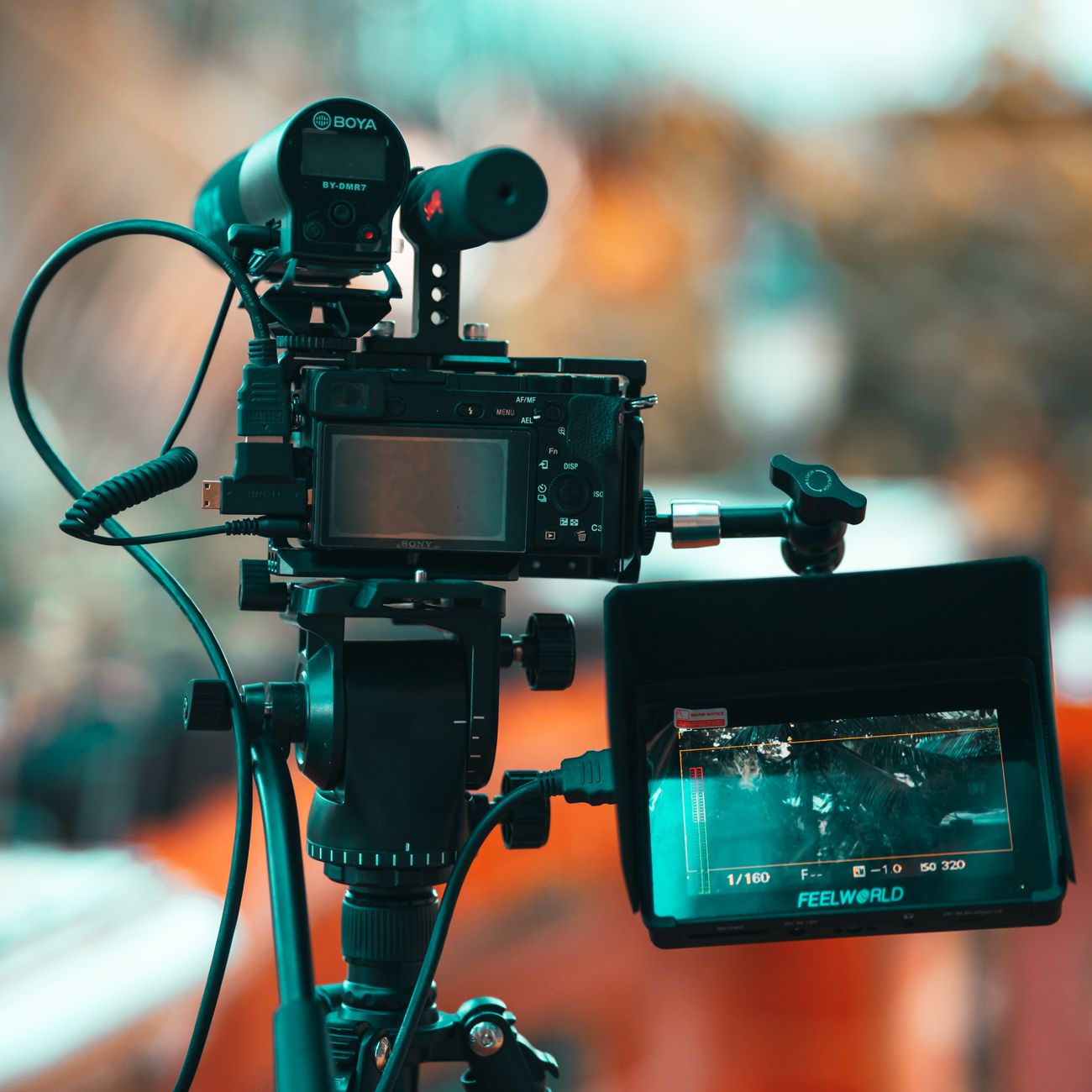
Photo from Pexels
Welcome to today’s episode of the LSPM podcast, where we dive deep into the world of media law—specifically the Fundamentals of Media Law, a core unit of the Professional Certificate in Film and Media Contract Law. I’m your host, Alex, and whether you’re a budding filmmaker, a content creator, a legal professional, or simply someone curious about how the rules of the road shape the stories we tell, this episode is for you. Imagine a bustling movie set: cameras rolling, actors delivering their lines, a director shouting “action!”—all of that magic can vanish in an instant if the legal foundations aren’t solid. That’s why today’s conversation matters—because understanding the fundamentals of media law is the safety net that lets creativity soar without fear of costly missteps.
Let’s start with a quick snapshot of what this unit covers and why it’s essential. At its heart, Fundamentals of Media Law explores the legal framework that governs everything from copyright and defamation to privacy, licensing, and the ever‑evolving digital landscape. It equips you with the knowledge to navigate contracts, protect intellectual property, and avoid the legal pitfalls that can stall a project or tarnish a reputation. In today’s hyper‑connected world, where a single clip can travel across continents in seconds, the stakes are higher than ever. A solid grasp of media law isn’t just a nice‑to‑have—it’s a career‑builder and a shield against unexpected legal trouble.
To appreciate where we are now, let’s take a brief step back in time. In the early days of cinema, the law was playing catch‑up; filmmakers were busy inventing the language of visual storytelling while courts were still figuring out whether moving pictures could be copyrighted. Fast forward to the television boom of the 1950s, and we see the first major battles over broadcast rights and content standards. The digital revolution of the 1990s turned the whole arena upside down, introducing new questions about online distribution, user‑generated content, and global jurisdiction. Today, with streaming platforms, virtual reality, and AI‑generated media, the legal landscape is a living, breathing organism that constantly adapts. Understanding this evolution helps us see why the fundamentals we study aren’t static rules but a dynamic toolkit that evolves alongside technology.
Now, let’s move from theory to practice. How can you apply these fundamentals in your day‑to‑day work? First, think of every media project as a puzzle, and the law as the picture on the box—without it, you might force pieces together that simply don’t fit. Start by conducting a simple yet powerful rights audit before you even pick up a camera. Identify who owns the music, the footage, the script, and any third‑party materials you plan to use. A quick spreadsheet can save you weeks of litigation later. Next, master the art of the clear, concise contract. Use plain language, define key terms, and outline deliverables, timelines, and payment schedules. Remember the old adage: “A contract is a story you both agree to write.” When both parties see the narrative laid out, misunderstandings fade.
Consider copyright, the cornerstone of media law. If you’re creating original content, register your work as early as possible—think of it as planting a flag on your creative island. If you’re using someone else’s material, always secure a license or obtain written permission. Even a short clip from a news broadcast can trigger a copyright claim if you don’t have the right clearance. In the digital age, fair use is a tempting loophole, but it’s a narrow bridge—you need to balance the purpose, nature, amount, and effect on the market. A practical tip: if you’re unsure, treat it as if you need permission. It’s better to spend a few hours seeking clearance than to spend months fighting a takedown notice.
Defamation is another area where many creators stumble. The line between a bold opinion and a damaging false statement can be razor‑thin. A quick way to stay safe is the “truth‑or‑opinion” test: if you can prove the statement is true, you’re likely protected; if it’s presented as a fact but isn’t verifiable, you risk a claim. When in doubt, add a disclaimer or frame the content as opinion. Privacy laws, especially with the rise of deepfakes and facial recognition, demand you obtain consent before featuring identifiable individuals. Think of consent as a handshake—if you don’t get it, you’re stepping on someone’s personal rights.
A quick way to stay safe is the “truth‑or‑opinion” test: if you can prove the statement is true, you’re likely protected; if it’s presented as a fact but isn’t verifiable, you risk a claim.
Let’s talk about common pitfalls and how to sidestep them. One frequent mistake is assuming that “public domain” means “free to use everywhere.” In reality, some works are public domain in one jurisdiction but still protected elsewhere. Always check the territorial scope of the rights you’re relying on. Another trap is overlooking the “moral rights” of creators—rights of attribution and integrity that persist even after you’ve bought a license. Failing to credit a photographer or altering a piece without consent can lead to costly disputes. Lastly, many creators underestimate the power of a good indemnity clause. Including language that passes the risk of third‑party claims back to the licensor can protect you from unexpected lawsuits.
So, how do you put all this into action? Picture yourself as a director of a short film about a local artist. Before you start filming, you sit down with the artist, sign a simple release form that covers image rights, and clarify that you’ll credit them in the opening titles. You then source royalty‑free music, double‑checking the license to ensure it covers commercial use. You draft a short production agreement with your cinematographer, outlining payment, delivery dates, and who owns the footage. Throughout the shoot, you keep a log of all consent forms and license documents, storing them in a cloud folder labeled “Project Legal.” When the film is ready for distribution, you run a final rights audit, confirming that every piece of content is cleared. By following these steps, you’ve built a legal safety net that lets you focus on storytelling, not on last‑minute legal emergencies.
As we wrap up, I want to leave you with a thought: law isn’t a barrier to creativity—it’s the scaffolding that lets your ideas rise higher and stand longer. The Fundamentals of Media Law give you the confidence to push boundaries, knowing you have a solid foundation beneath you. Take what you’ve learned today, apply those practical checks, and watch your projects move from concept to reality with fewer hiccups.
If you enjoyed this episode, please subscribe to the LSPM podcast, share it with fellow creators, and drop us a comment or question on our community forum. Your engagement helps us shape future episodes that dive even deeper into the world of film and media contract law. Keep exploring, keep creating, and remember—every great story deserves a great legal foundation. Until next time, I’m Alex, signing off from the London School of Planning and Management. Stay inspired and stay legally savvy!
Key takeaways
- Welcome to today’s episode of the LSPM podcast, where we dive deep into the world of media law—specifically the Fundamentals of Media Law, a core unit of the Professional Certificate in Film and Media Contract Law.
- At its heart, Fundamentals of Media Law explores the legal framework that governs everything from copyright and defamation to privacy, licensing, and the ever‑evolving digital landscape.
- In the early days of cinema, the law was playing catch‑up; filmmakers were busy inventing the language of visual storytelling while courts were still figuring out whether moving pictures could be copyrighted.
- First, think of every media project as a puzzle, and the law as the picture on the box—without it, you might force pieces together that simply don’t fit.
- In the digital age, fair use is a tempting loophole, but it’s a narrow bridge—you need to balance the purpose, nature, amount, and effect on the market.
- A quick way to stay safe is the “truth‑or‑opinion” test: if you can prove the statement is true, you’re likely protected; if it’s presented as a fact but isn’t verifiable, you risk a claim.
- Another trap is overlooking the “moral rights” of creators—rights of attribution and integrity that persist even after you’ve bought a license.