
Sport And Performance Psychology Foundations
Welcome to today’s episode, a deep dive into the foundations of sport and performance psychology—a subject that sits at the very heart of what drives athletes, coaches, and anyone striving for peak performance. I’m thrilled you’re joining u…
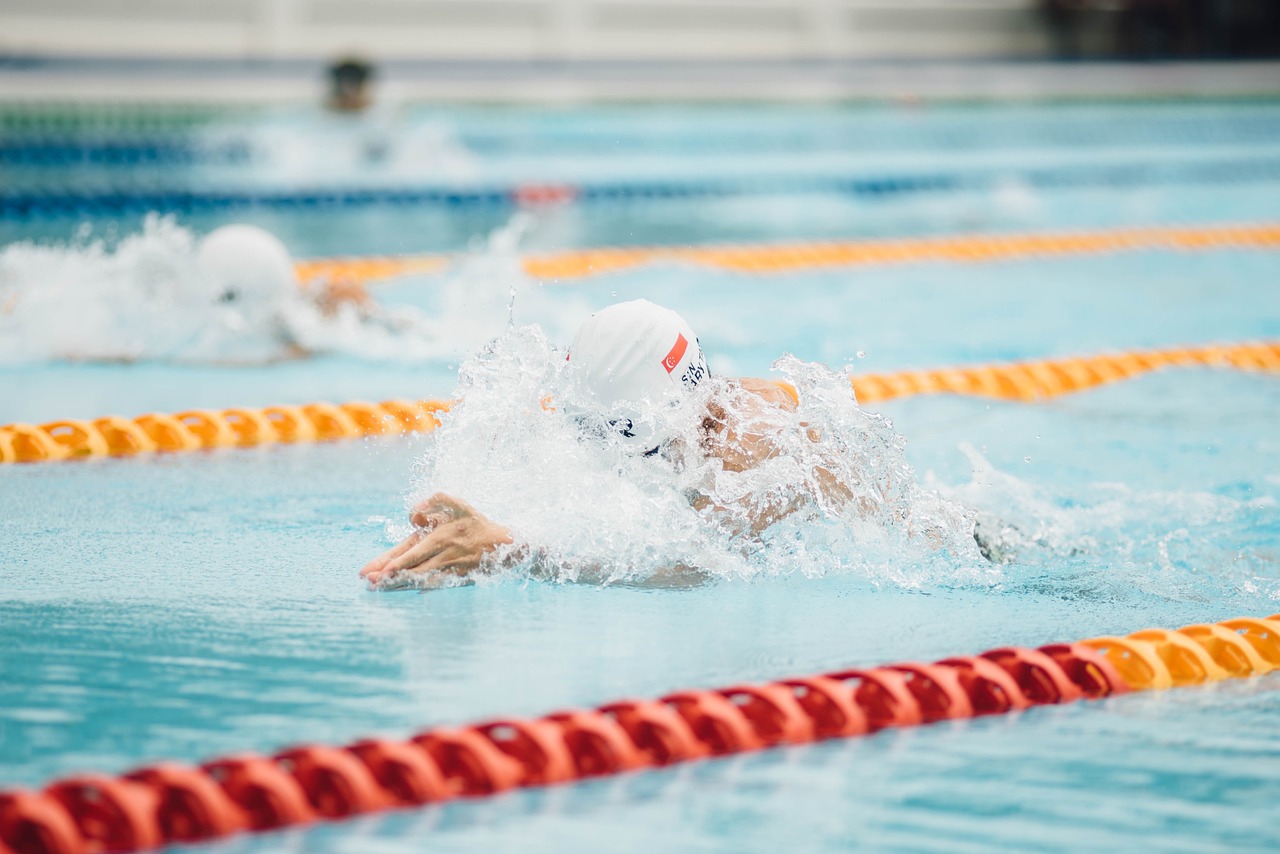
Photo from Pexels
Welcome to today’s episode, a deep dive into the foundations of sport and performance psychology—a subject that sits at the very heart of what drives athletes, coaches, and anyone striving for peak performance. I’m thrilled you’re joining us, whether you’re a student, a practicing professional, or simply curious about how the mind fuels success on the field, the court, or the stage. This episode is brought to you by the London School of Planning and Management, and it’s designed to give you a clear, actionable roadmap that you can start using right now.
Imagine watching a sprinter explode off the blocks, a pianist delivering a flawless concerto, or a CEO guiding a team through a high‑stakes presentation. What you’re seeing isn’t just raw talent or hard work; it’s the result of finely tuned mental skills, deliberate focus, and a resilient mindset. That’s the essence of sport and performance psychology: the study of how thoughts, emotions, and behaviors intersect to shape performance outcomes.
Let’s start with a quick snapshot of the unit you’re about to explore. In “Sport and Performance Psychology Foundations,” we unpack three core pillars: mental skills training, motivation and goal setting, and the science of arousal regulation. Each pillar builds on the other, creating a comprehensive framework that helps you understand why an athlete might freeze under pressure, how a performer can stay motivated during a long season, and what strategies can bring a nervous system back into balance when stakes are high.
Why does this matter? Because performance isn’t just about the physical—whether you’re lifting weights, delivering a speech, or negotiating a contract, the mind often decides whether you’ll excel or falter. By mastering these foundations, you gain the tools to enhance confidence, maintain focus, and bounce back from setbacks. For coaches, this knowledge translates into better training plans; for athletes, it becomes the edge that separates good from great; for anyone in a high‑performance environment, it’s the secret sauce that keeps you at the top of your game.
A brief look back helps us appreciate how far this field has come. Early research in the 1970s treated athletes as purely physical machines, but pioneers like Coleman Griffith started asking, “What does the mind do during competition?” Over the decades, the discipline evolved, integrating insights from cognitive psychology, neuroscience, and even mindfulness traditions. Today, we have evidence‑based techniques—visualization, self‑talk, biofeedback—that are not just buzzwords but proven methods backed by rigorous studies. Understanding this evolution reminds us that we’re standing on a solid foundation of science while still pushing the boundaries of what the mind can achieve.
Now, let’s bring those concepts into the real world with practical strategies you can start applying today.
First, mental skills training. Picture your mind as a muscle. Just as you would schedule weight‑lifting sessions, schedule mental rehearsals. One simple yet powerful technique is the “mental movie.” Close your eyes and run a vivid, slow‑motion replay of your upcoming performance—every movement, every sound, every feeling of success. This not only sharpens neural pathways but also reduces anxiety because your brain has already practiced the scenario. Try doing this for five minutes each night leading up to a big event, and notice how your confidence builds.
Second, motivation and goal setting. The classic SMART framework—Specific, Measurable, Achievable, Relevant, Time‑bound—still holds, but let’s add a twist: make each goal emotionally compelling. Instead of “run 5 km in 30 minutes,” think “run 5 km feeling energized enough to celebrate with my team afterward.” When goals tap into personal values, they become more than checkboxes; they become sources of intrinsic drive. A useful tip is to write your goals on a visible place—like a bathroom mirror—and review them daily. This constant reminder reinforces commitment and activates the brain’s reward circuitry.
Third, arousal regulation. Think of arousal as the thermostat for performance. Too low, and you’re sluggish; too high, and you’re jittery. The “zone of optimal functioning” varies per individual, but a reliable method to find yours is the 4‑7‑8 breathing technique. Inhale for four counts, hold for seven, exhale for eight. This pattern activates the parasympathetic nervous system, calming the mind while maintaining alertness. Use it before a competition, a presentation, or any high‑pressure moment. Pair it with a quick body scan—notice tension in your shoulders, loosen it, and you’ll feel a noticeable shift in readiness.
The classic SMART framework—Specific, Measurable, Achievable, Relevant, Time‑bound—still holds, but let’s add a twist: make each goal emotionally compelling.
Now, let’s talk about common pitfalls—those hidden traps that can sabotage even the best intentions. One frequent mistake is over‑reliance on positive self‑talk without addressing underlying beliefs. Saying “I’ve got this” feels good, but if you subconsciously believe you’re not good enough, the affirmation rings hollow. To counter this, combine positive statements with evidence. After each training session, jot down three concrete examples of progress—maybe you held a stretch longer, or you maintained focus through a distraction. This evidence‑based approach rewires the brain’s belief system more effectively than empty slogans.
Another trap is neglecting recovery. In the quest for improvement, many athletes and performers push themselves nonstop, ignoring mental fatigue. Just as muscles need rest to grow, the mind needs downtime to consolidate learning. Schedule intentional “mental off‑days” where you engage in activities unrelated to your sport or profession—reading fiction, walking in nature, or playing a musical instrument. These periods of unstructured play boost creativity and prevent burnout.
Lastly, beware of the “one‑size‑fits‑all” mentality. Techniques that work for a marathon runner may not suit a shooter or a public speaker. The key is experimentation. Pick one technique—say, visualization—apply it for a week, track how you feel, then tweak the details. Maybe you need a faster tempo, or perhaps you benefit from adding tactile cues like gripping a racket. Iterative testing turns generic advice into personalized mastery.
As we wrap up, I want you to picture yourself at the start line of your next challenge, whether that’s a championship match, a crucial business pitch, or a personal milestone. Feel the confidence that comes from knowing you’ve equipped your mind with the same precision tools you use for your physical training. The foundations we’ve discussed—mental rehearsal, emotionally charged goals, calibrated arousal, and mindful recovery—are the building blocks of lasting performance excellence.
Take one step today: choose a single mental skill—perhaps the mental movie or the 4‑7‑8 breath—and practice it consistently for the next seven days. Notice the subtle shifts in your confidence and focus. Share your experience with a friend or on social media, and invite others to join you on this journey.
If you found this episode valuable, please subscribe to our podcast, leave a review, and share it with anyone who could benefit from strengthening their mental game. Connect with us on the London School of Planning and Management’s platforms, where you’ll find additional resources, discussion forums, and updates on upcoming modules in the Certificate in Sport and Performance Psychology. Your engagement fuels our community, and together we can keep pushing the boundaries of what the mind can achieve.
Thank you for listening, and remember—your performance potential isn’t just about talent; it’s about training the mind as diligently as you train the body. Keep practicing, stay curious, and see you in the next episode.
Key takeaways
- Welcome to today’s episode, a deep dive into the foundations of sport and performance psychology—a subject that sits at the very heart of what drives athletes, coaches, and anyone striving for peak performance.
- Imagine watching a sprinter explode off the blocks, a pianist delivering a flawless concerto, or a CEO guiding a team through a high‑stakes presentation.
- In “Sport and Performance Psychology Foundations,” we unpack three core pillars: mental skills training, motivation and goal setting, and the science of arousal regulation.
- For coaches, this knowledge translates into better training plans; for athletes, it becomes the edge that separates good from great; for anyone in a high‑performance environment, it’s the secret sauce that keeps you at the top of your game.
- Early research in the 1970s treated athletes as purely physical machines, but pioneers like Coleman Griffith started asking, “What does the mind do during competition?
- Now, let’s bring those concepts into the real world with practical strategies you can start applying today.
- ” Close your eyes and run a vivid, slow‑motion replay of your upcoming performance—every movement, every sound, every feeling of success.