
Soil Microbial Ecology
Welcome to today’s episode, brought to you by the London School of Planning and Management. I’m thrilled you’re tuning in, because we’re about to dive into a hidden world right beneath our feet—a world that’s teeming with life, shaping the …
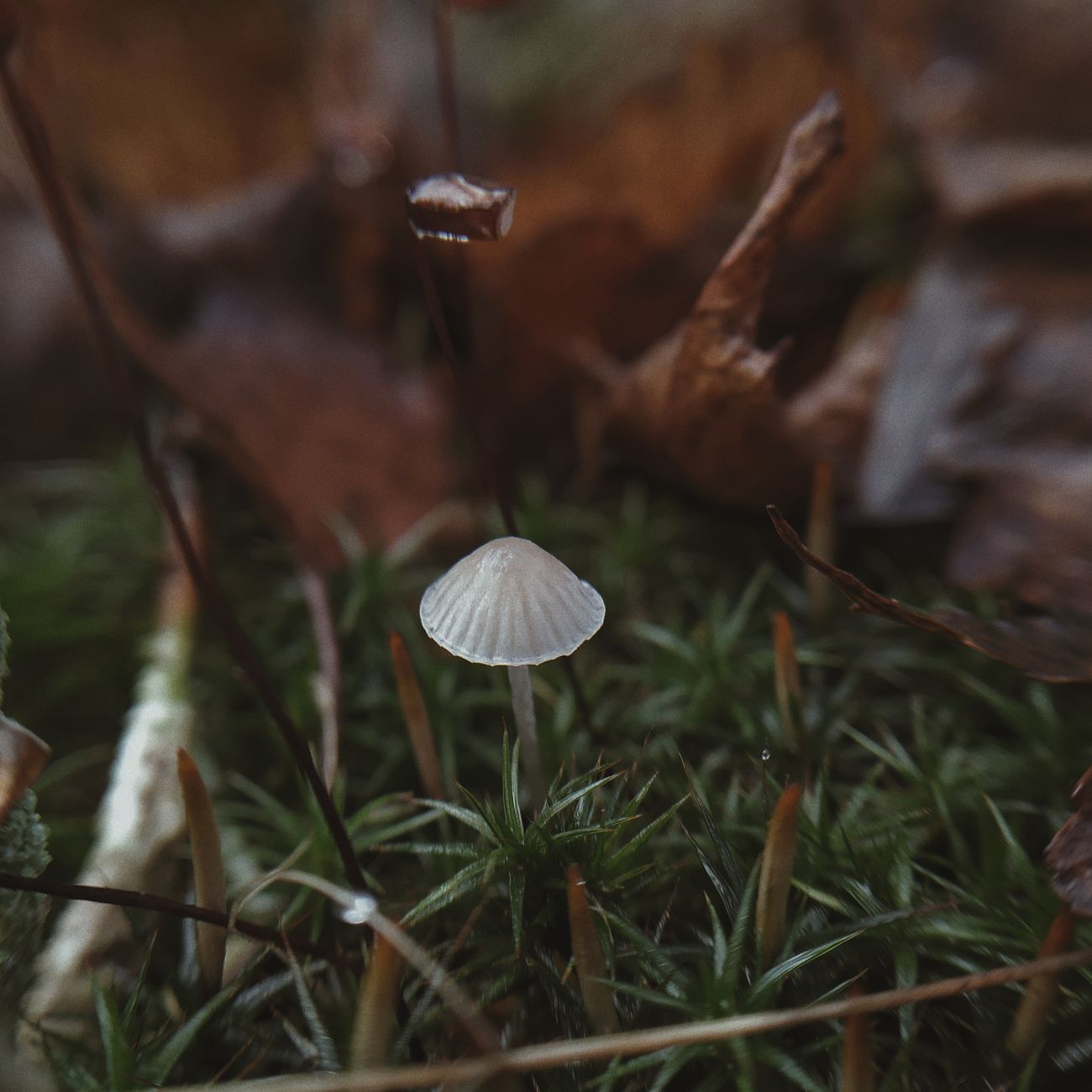
Photo from Pexels
Welcome to today’s episode, brought to you by the London School of Planning and Management. I’m thrilled you’re tuning in, because we’re about to dive into a hidden world right beneath our feet—a world that’s teeming with life, shaping the health of our gardens, farms, and even the climate itself. That world is Soil Microbial Ecology, the focus of our Undergraduate Certificate in Soil Microbiology. Whether you’re a budding agronomist, an environmental enthusiast, or simply curious about what makes soil so fertile, this conversation is for you.
Imagine walking through a lush meadow on a crisp morning. You feel the soft earth under your boots, inhale the fresh scent of damp soil, and perhaps you notice a tiny mushroom sprouting near a stone. What you’re witnessing is the surface of a bustling metropolis of microbes—bacteria, fungi, archaea, and protozoa—all working together in an intricate web of interactions. In the same way that a city’s economy depends on the coordination of countless individuals, the productivity of our soils hinges on the dynamic relationships among these microscopic residents.
Let’s start with a quick snapshot of the unit itself. Soil Microbial Ecology explores the composition, function, and dynamics of microbial communities in the soil. We’ll unpack how microbes decompose organic matter, cycle nutrients like nitrogen and phosphorus, and even influence plant health through symbiotic partnerships. The unit also examines how human activities—tillage, fertilizer use, climate change—reshape these communities, sometimes for better, sometimes for worse. By the end of the course, you’ll be equipped not just with theoretical knowledge, but with practical tools to assess, manage, and enhance soil microbial health in real‑world settings.
Why does this matter? In a world grappling with food security, climate resilience, and biodiversity loss, soil microbes are silent heroes. They help sequester carbon, reduce the need for synthetic inputs, and protect crops from pathogens. Understanding their ecology empowers you to design more sustainable agricultural systems, restore degraded lands, and even contribute to climate mitigation strategies. In short, mastering soil microbial ecology is a passport to making a tangible impact on some of the planet’s most pressing challenges.
A brief look back helps us appreciate how far we’ve come. Early soil scientists in the 19th century, like Justus von Liebig, recognized that plants needed more than just minerals—they required organic matter. Yet the invisible actors behind that organic matter remained a mystery. Fast forward to the mid‑20th century, when the advent of microscopy and culture techniques revealed a dazzling diversity of soil microbes. The real revolution arrived with molecular tools—DNA sequencing, metagenomics, and bioinformatics—that let us peek into the entire microbial genome pool without ever culturing a single organism. Today, we can map entire soil microbiomes, track how they shift over seasons, and even predict how they’ll respond to climate extremes. This historical journey underscores a key lesson: as technology evolves, so does our capacity to steward the soil’s living fabric.
Now, let’s bring this knowledge into the practical realm. How can you, whether you’re a farmer, a garden hobbyist, or a researcher, apply the principles of soil microbial ecology to improve soil health?
First, think of your soil as a garden of relationships, not just a medium for roots. One actionable strategy is to foster diversity. Just as a varied diet supports a healthy gut microbiome in humans, a varied plant community supports a richer soil microbiome. Incorporate cover crops, rotate legumes with cereals, and sprinkle in flowering herbs that attract beneficial insects. These practices introduce a range of organic compounds into the soil, feeding different microbial groups and encouraging a balanced community.
Second, minimize disturbance. Frequent tillage is like constantly rearranging furniture in a house—microbes lose their established niches, and beneficial networks are broken. Conservation tillage or no‑till methods preserve soil structure, allowing fungal hyphae and bacterial colonies to form stable webs. If tillage is unavoidable, consider timing it when microbial activity is naturally lower, such as during cooler, drier periods.
Third, manage organic inputs wisely. Adding compost, manure, or biochar can be a powerful way to boost microbial activity. However, quality matters. Fresh, well‑composted material provides a steady stream of labile carbon for microbes, while poorly decomposed or contaminated inputs can introduce pathogens or lock up nutrients. A good rule of thumb is to aim for a carbon‑to‑nitrogen ratio around 20‑30:1 in your amendments—this ratio offers a sweet spot for microbes to thrive without overwhelming the system.
Fourth, monitor and measure. You don’t need a sophisticated lab to get a sense of your soil’s microbial health. Simple field tests—like measuring soil respiration with a CO₂ probe, or using DIY kits for microbial biomass—can give you feedback on how your management practices are influencing the living soil. For those with access to more advanced tools, DNA‑based soil surveys can reveal the presence of key functional groups, such as nitrogen‑fixing bacteria or mycorrhizal fungi, guiding targeted interventions.
For those with access to more advanced tools, DNA‑based soil surveys can reveal the presence of key functional groups, such as nitrogen‑fixing bacteria or mycorrhizal fungi, guiding targeted interventions.
Let’s talk about common pitfalls, because every journey has its bumps. One frequent mistake is over‑reliance on chemical fertilizers. While they provide quick nutrient boosts, they can suppress microbial processes by flooding the soil with inorganic nitrogen, causing microbes that fix nitrogen to become dormant. The solution? Integrate slow‑release fertilizers and organic sources, and apply chemicals judiciously—only when soil tests indicate a genuine deficiency.
Another trap is monoculture. Planting the same crop year after year creates a narrow food web for microbes, leading to an impoverished community that’s less resilient to pests and diseases. Diversify your cropping system, and when you can’t rotate, intersperse strips of native vegetation or wildflowers to break the monotony.
A third challenge is neglecting soil pH. Microbial activity peaks in a neutral to slightly acidic range (pH 6‑7). Acidic soils can suppress bacterial populations, while overly alkaline conditions favor certain fungi but limit others. Regularly test pH and amend with lime or sulfur as needed to keep the environment hospitable for a broad spectrum of microbes.
Finally, avoid “one‑size‑fits‑all” solutions. Microbial communities are shaped by climate, soil type, and land‑use history. What works in a temperate loam may not translate to a tropical sand. Conduct small‑scale trials, observe outcomes, and adapt your management plan accordingly. Think of yourself as a soil microbiologist‑in‑the‑field, constantly experimenting and learning.
Let’s bring all this together with a short story. Imagine Maya, a small‑scale farmer in the outskirts of London, who struggled with declining yields and increasing pest pressure. She enrolled in the Soil Microbial Ecology unit at LSPM, learning about the power of mycorrhizal fungi. Inspired, she introduced a winter rye cover crop, reduced her tillage, and applied a modest amount of well‑aged compost. Within a season, she noticed her soil felt more crumbly, her crops showed stronger root systems, and the incidence of soil‑borne diseases dropped dramatically. Maya’s experience illustrates how a few informed changes, rooted in microbial ecology, can revitalize an entire farming system.
As we wrap up, I want you to carry forward a simple, yet powerful, mindset: view soil as a living, breathing partner rather than an inert backdrop. Every time you add a compost heap, plant a cover crop, or decide against a heavy till, you’re nurturing a community that, in turn, supports the plants you love, the food you harvest, and the climate you depend on.
Before we part, here’s a quick challenge for you. Pick one of the strategies we discussed—perhaps adding a modest amount of compost or planting a cover crop—and implement it over the next two weeks. Observe any changes in soil texture, plant vigor, or even just the scent after a rain. Share your observations with us on social media using the hashtag #LSPMPodSoil, or drop us a line at the podcast inbox. Your stories could inspire fellow listeners and become part of our collective learning journey.
If you enjoyed this episode, please subscribe so you never miss a deep dive into the fascinating world of soil life. Share it with friends, classmates, or anyone curious about the unseen forces that sustain our planet. And don’t forget to visit the London School of Planning and Management website for more resources, upcoming webinars, and enrollment details for the Undergraduate Certificate in Soil Microbiology.
Thank you for joining me today. Keep your curiosity grounded, your hands in the dirt, and your mind open to the microscopic marvels beneath us. Until next time, happy soil exploring!
Key takeaways
- I’m thrilled you’re tuning in, because we’re about to dive into a hidden world right beneath our feet—a world that’s teeming with life, shaping the health of our gardens, farms, and even the climate itself.
- In the same way that a city’s economy depends on the coordination of countless individuals, the productivity of our soils hinges on the dynamic relationships among these microscopic residents.
- By the end of the course, you’ll be equipped not just with theoretical knowledge, but with practical tools to assess, manage, and enhance soil microbial health in real‑world settings.
- Understanding their ecology empowers you to design more sustainable agricultural systems, restore degraded lands, and even contribute to climate mitigation strategies.
- The real revolution arrived with molecular tools—DNA sequencing, metagenomics, and bioinformatics—that let us peek into the entire microbial genome pool without ever culturing a single organism.
- How can you, whether you’re a farmer, a garden hobbyist, or a researcher, apply the principles of soil microbial ecology to improve soil health?
- These practices introduce a range of organic compounds into the soil, feeding different microbial groups and encouraging a balanced community.