
Machine Learning and Data Analysis
Welcome to the Certificate Programme in AI for Architects, brought to you by London School of Planning and Management, or LSPM. Today, we're going to explore one of the most exciting and rapidly evolving fields in the world of architecture:…
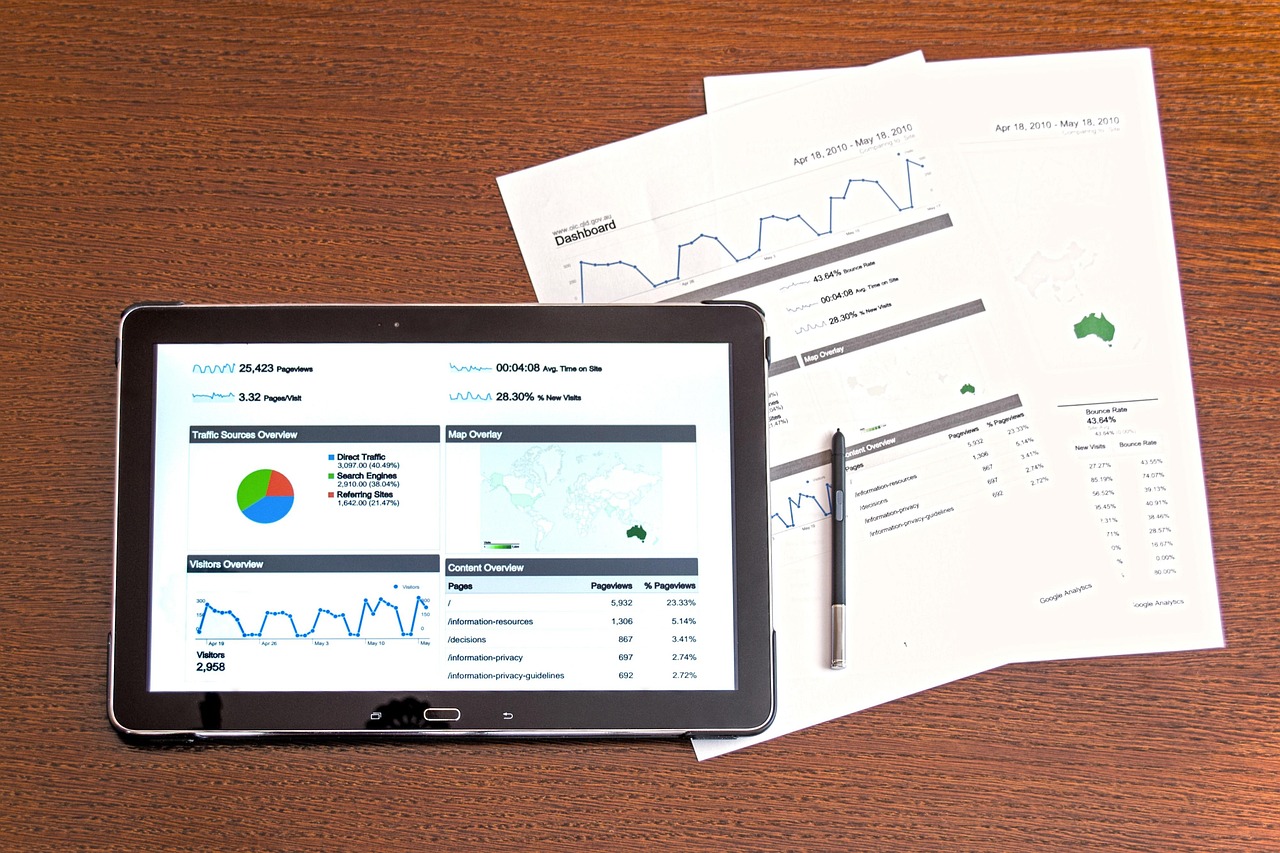
Welcome to the Certificate Programme in AI for Architects, brought to you by London School of Planning and Management, or LSPM. Today, we're going to explore one of the most exciting and rapidly evolving fields in the world of architecture: Machine Learning and Data Analysis. This unit is all about uncovering the hidden patterns and relationships within data, and using that insight to inform and transform your designs.
As architects, you're likely no strangers to data. From building information models to energy efficiency simulations, data has always played a crucial role in the design process. But with the advent of Machine Learning, we're now able to analyze and learn from that data in ways that were previously unimaginable. The concept of Machine Learning has been around for decades, but it wasn't until the 21st century that we saw a significant surge in its development and application. This was largely driven by the availability of large datasets, advances in computing power, and the development of sophisticated algorithms.
So, what does this mean for architects? Well, imagine being able to analyze the energy efficiency of an entire building portfolio, and using that data to identify areas for improvement. Or, picture being able to predict the structural integrity of a building based on real-time sensor data. These are just a few examples of the many practical applications of Machine Learning and Data Analysis in architecture. By applying these techniques, you can optimize your designs, streamline your workflows, and create buildings that are not only more sustainable, but also more responsive to the needs of their occupants.
Now, I know that some of you may be thinking, "But I'm not a data scientist, I'm an architect!" And that's perfectly okay. The beauty of Machine Learning and Data Analysis is that it's not just for experts. With the right tools and techniques, anyone can start analyzing and learning from data. Of course, like with any new skill, there are some common pitfalls to avoid. One of the biggest mistakes people make is trying to analyze too much data at once. This can lead to what's known as "data paralysis," where you become so overwhelmed by the sheer volume of information that you don't know where to start.
So, what's the solution? Start small. Begin by identifying a specific problem or question that you want to answer, and then work backwards to determine what data you need to collect and analyze. Another common pitfall is relying too heavily on automated tools and algorithms, without taking the time to understand the underlying data and assumptions. This can lead to what's known as "black box" syndrome, where you're putting data into a machine and getting answers out, without really understanding how those answers were generated.
By applying these techniques, you can optimize your designs, streamline your workflows, and create buildings that are not only more sustainable, but also more responsive to the needs of their occupants.
To avoid this, it's essential to have a basic understanding of the algorithms and techniques being used, as well as the limitations and potential biases of the data. By being aware of these potential pitfalls, you can start to harness the full power of Machine Learning and Data Analysis, and unlock new insights and opportunities in your work.
As you continue on your journey of learning and growth, I want to leave you with a challenge. What is one area of your work or life where you could start applying the principles of Machine Learning and Data Analysis? Is it optimizing your design workflow, or analyzing the energy efficiency of your buildings? Whatever it is, I encourage you to take the first step, and start exploring the many resources and tools available to you.
Thanks for tuning in to this episode of the Certificate Programme in AI for Architects, brought to you by London School of Planning and Management, or LSPM. If you liked this episode, be sure to subscribe to our podcast, and share it with your friends and colleagues. We'd also love to hear from you, so please don't hesitate to reach out and let us know what you'd like to hear more about in future episodes. Until next time, keep learning, and let's shape the future of architecture together.
Key takeaways
- Today, we're going to explore one of the most exciting and rapidly evolving fields in the world of architecture: Machine Learning and Data Analysis.
- The concept of Machine Learning has been around for decades, but it wasn't until the 21st century that we saw a significant surge in its development and application.
- By applying these techniques, you can optimize your designs, streamline your workflows, and create buildings that are not only more sustainable, but also more responsive to the needs of their occupants.
- This can lead to what's known as "data paralysis," where you become so overwhelmed by the sheer volume of information that you don't know where to start.
- This can lead to what's known as "black box" syndrome, where you're putting data into a machine and getting answers out, without really understanding how those answers were generated.
- By being aware of these potential pitfalls, you can start to harness the full power of Machine Learning and Data Analysis, and unlock new insights and opportunities in your work.
- What is one area of your work or life where you could start applying the principles of Machine Learning and Data Analysis?