
Cruise Industry Fundamentals
Welcome to this episode of the London School of Planning and Management podcast, where we're exploring the fascinating world of cruise ship tourism. I'm your host, and I'm excited to dive into the fundamentals of the cruise industry, a topi…
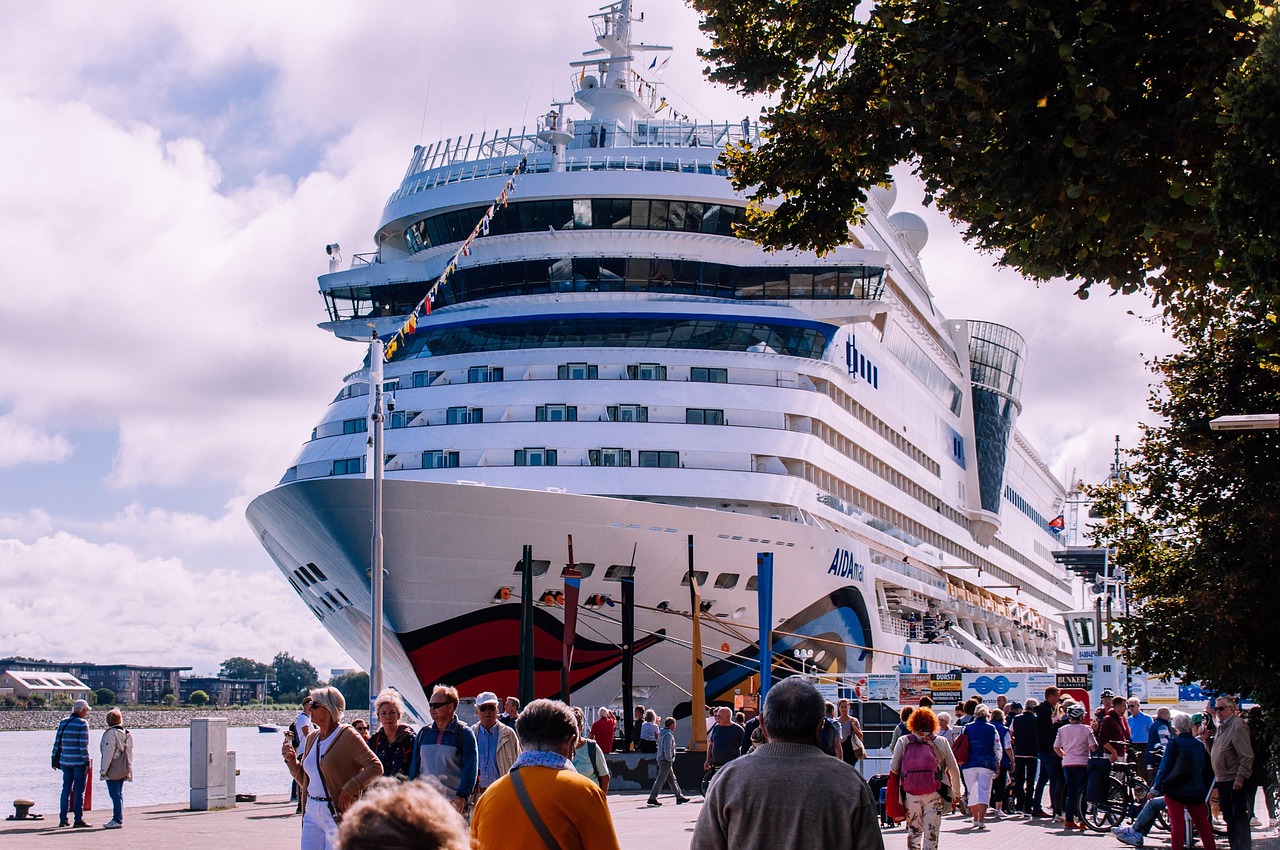
Photo from Pexels
Welcome to this episode of the London School of Planning and Management podcast, where we're exploring the fascinating world of cruise ship tourism. I'm your host, and I'm excited to dive into the fundamentals of the cruise industry, a topic that's not only intriguing but also crucial for anyone looking to make a splash in this sector. As part of the Graduate Certificate in Cruise Ship Tourism offered by the London School of Planning and Management, this unit is designed to give you a comprehensive understanding of the industry's inner workings, and I'm thrilled to share my knowledge with you.
Let's set the stage by taking a step back in time. The concept of cruise ships dates back to the early 20th century, but it wasn't until the 1960s and 1970s that the modern cruise industry began to take shape. The introduction of larger, more luxurious ships and the rise of companies like Carnival and Royal Caribbean transformed the sector, making it more accessible and appealing to a wider audience. Today, the cruise industry is a global phenomenon, with millions of passengers embarking on voyages every year. As a student of the London School of Planning and Management, you're likely interested in understanding the intricacies of this industry, and that's exactly what we'll be exploring in this episode.
So, what are the fundamentals of the cruise industry? At its core, it's about providing an exceptional passenger experience, from the initial booking process to the final disembarkation. It's about creating a seamless, enjoyable, and memorable journey that leaves passengers eager to return. To achieve this, cruise lines must balance a delicate equation of factors, including itinerary planning, ship operations, customer service, and revenue management. As you delve deeper into the world of cruise ship tourism through the Graduate Certificate program at the London School of Planning and Management, you'll discover the importance of understanding these fundamentals and how they impact the success of a cruise line.
Now, let's talk about some practical applications of these fundamentals. Imagine you're a cruise line operator looking to launch a new itinerary in the Mediterranean. You'll need to consider factors like port availability, cultural attractions, and seasonal demand. You'll also need to balance the needs of different passenger segments, from families with young children to retirees looking for a relaxing getaway. By understanding the intricacies of cruise industry fundamentals, you can develop strategies that cater to these diverse needs and preferences, setting your cruise line apart from the competition. As a student of the London School of Planning and Management, you'll have access to a wealth of resources and expertise to help you navigate these complexities.
By understanding the intricacies of cruise industry fundamentals, you can develop strategies that cater to these diverse needs and preferences, setting your cruise line apart from the competition.
However, there are also common pitfalls to avoid. One of the biggest mistakes cruise lines can make is failing to adapt to changing consumer trends and preferences. For example, the rise of sustainable tourism has led to increased demand for eco-friendly and responsible travel options. Cruise lines that fail to respond to this trend risk losing market share and damaging their reputation. Another pitfall is neglecting the importance of customer feedback and reviews. In today's digital age, a single negative review can go viral and deter potential customers. By prioritizing customer satisfaction and continuously monitoring feedback, cruise lines can identify areas for improvement and make data-driven decisions to enhance the passenger experience.
As we conclude this episode, I want to leave you with an inspiring message. The cruise industry is a dynamic, ever-evolving sector that offers countless opportunities for growth and innovation. By mastering the fundamentals of the industry, you can unlock new career paths, develop innovative business strategies, and contribute to the creation of unforgettable passenger experiences. As a student of the London School of Planning and Management, you're already taking the first steps towards becoming a leader in this field. I encourage you to continue your journey of growth and exploration, and to apply the knowledge and insights you've gained from this episode to your own life and work.
If you've enjoyed this episode, I invite you to subscribe to our podcast, share it with your friends and colleagues, and engage with us on social media. At the London School of Planning and Management, we're committed to providing you with the knowledge, skills, and expertise you need to succeed in the world of cruise ship tourism. Join us on this journey, and together, let's explore the exciting possibilities that this industry has to offer. Thank you for listening, and we look forward to welcoming you on board for our next episode.
Key takeaways
- I'm your host, and I'm excited to dive into the fundamentals of the cruise industry, a topic that's not only intriguing but also crucial for anyone looking to make a splash in this sector.
- As a student of the London School of Planning and Management, you're likely interested in understanding the intricacies of this industry, and that's exactly what we'll be exploring in this episode.
- To achieve this, cruise lines must balance a delicate equation of factors, including itinerary planning, ship operations, customer service, and revenue management.
- By understanding the intricacies of cruise industry fundamentals, you can develop strategies that cater to these diverse needs and preferences, setting your cruise line apart from the competition.
- By prioritizing customer satisfaction and continuously monitoring feedback, cruise lines can identify areas for improvement and make data-driven decisions to enhance the passenger experience.
- By mastering the fundamentals of the industry, you can unlock new career paths, develop innovative business strategies, and contribute to the creation of unforgettable passenger experiences.
- At the London School of Planning and Management, we're committed to providing you with the knowledge, skills, and expertise you need to succeed in the world of cruise ship tourism.