
Cancer Pain And Palliative Care
Welcome to this episode of the London School of Planning and Management podcast, where we're exploring the fascinating world of psycho-oncology. I'm your host, and I'm excited to dive into the crucial topic of Cancer Pain And Palliative Car…
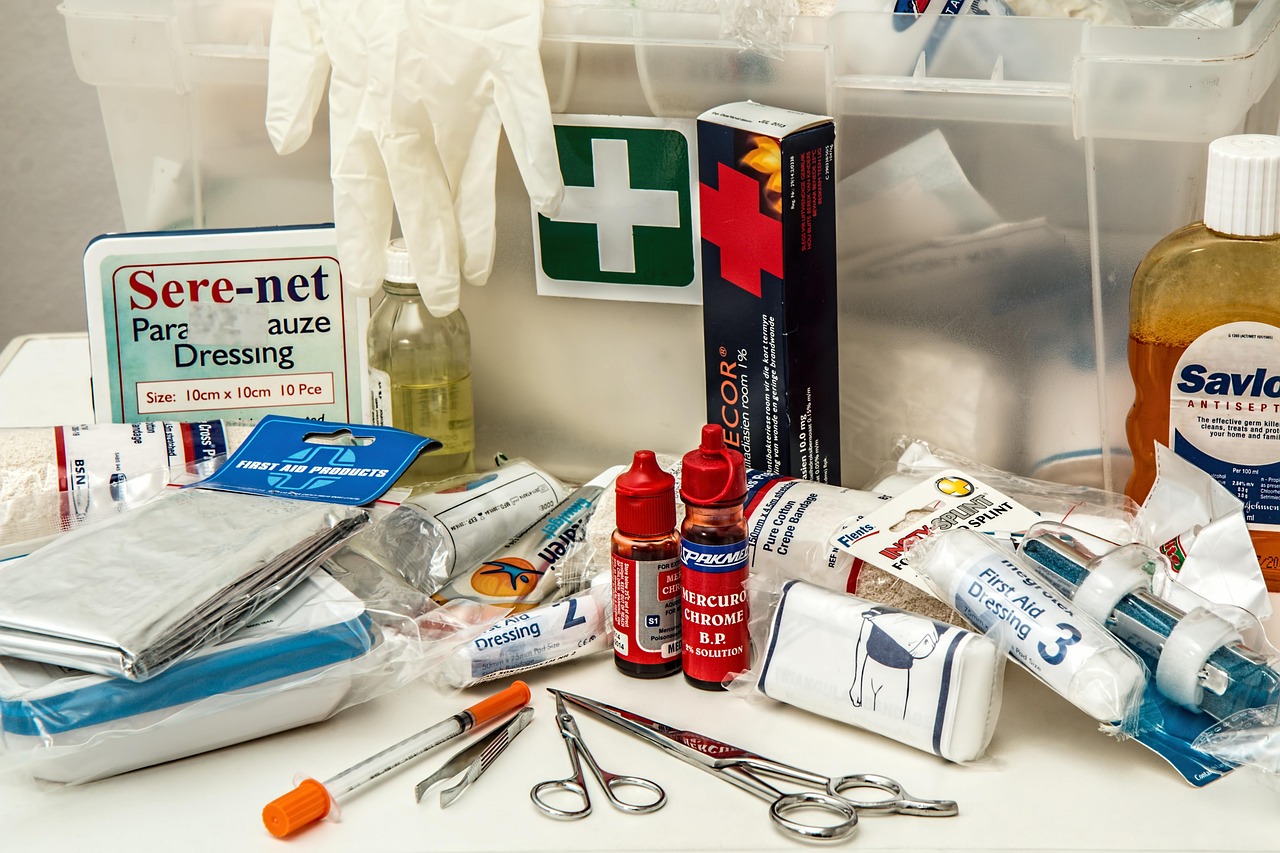
Photo from Pexels
Welcome to this episode of the London School of Planning and Management podcast, where we're exploring the fascinating world of psycho-oncology. I'm your host, and I'm excited to dive into the crucial topic of Cancer Pain And Palliative Care, a unit that's at the heart of our Certificate in Psycho-Oncology program here at the London School of Planning and Management. This unit is all about understanding the complexities of cancer pain and how to provide compassionate, holistic care to those affected by it.
As we delve into this topic, it's essential to acknowledge the significant progress that's been made in the field of palliative care over the years. Historically, cancer pain was often undertreated, and patients suffered in silence. However, with the pioneering work of clinicians and researchers, we've seen a seismic shift in the way we approach cancer pain management. Today, we recognize that palliative care is not just about managing symptoms, but about improving the quality of life for patients and their loved ones.
The importance of Cancer Pain And Palliative Care cannot be overstated. According to the World Health Organization, millions of people worldwide suffer from cancer pain, with many more experiencing distressing symptoms that affect their daily lives. As healthcare professionals, it's our responsibility to provide personalized, patient-centered care that addresses the physical, emotional, and spiritual needs of our patients. This is where the London School of Planning and Management's Certificate in Psycho-Oncology program comes in, equipping you with the knowledge, skills, and confidence to make a meaningful difference in the lives of those affected by cancer.
So, what does this look like in practice? Let's consider the story of Sarah, a 45-year-old mother of two who was diagnosed with stage IV breast cancer. As her disease progressed, Sarah experienced debilitating pain, fatigue, and anxiety. Her healthcare team, however, took a holistic approach, working together to develop a comprehensive care plan that included medication, therapy, and support groups. By addressing Sarah's physical, emotional, and spiritual needs, her team was able to improve her quality of life, even in the face of a life-limiting illness.
As we explore the practical applications of Cancer Pain And Palliative Care, it's essential to highlight some common pitfalls to avoid. One of the most significant mistakes is adopting a one-size-fits-all approach to pain management. Every patient is unique, with their own distinct needs, preferences, and values. By taking the time to listen, empathize, and understand each patient's story, we can develop personalized care plans that address their specific needs.
Effective communication is the foundation of compassionate care, and it's essential to create a safe, supportive environment where patients feel empowered to express their concerns, fears, and hopes.
Another critical aspect of Cancer Pain And Palliative Care is communication. Effective communication is the foundation of compassionate care, and it's essential to create a safe, supportive environment where patients feel empowered to express their concerns, fears, and hopes. By doing so, we can build trust, foster resilience, and promote a sense of control, even in the face of uncertainty.
As you continue on your journey of growth and development, I encourage you to apply the principles of Cancer Pain And Palliative Care in your own life and work. Whether you're a healthcare professional, a caregiver, or simply someone who cares about making a difference, remember that every interaction, every conversation, and every decision has the power to impact someone's life.
In conclusion, I want to leave you with a message of hope and inspiration. As we navigate the complexities of cancer pain and palliative care, let's remember that we're not just treating illnesses; we're caring for people. We're caring for their families, their loved ones, and their communities. By embracing a compassionate, holistic approach to care, we can create a world where everyone has access to high-quality, patient-centered care, regardless of their background, circumstances, or diagnosis.
If you've enjoyed this episode, I invite you to subscribe to our podcast, share it with your friends and colleagues, and join the conversation on social media using the hashtag #LSPM. At the London School of Planning and Management, we're committed to empowering you with the knowledge, skills, and confidence to make a meaningful difference in the world. Thank you for joining me on this journey, and I look forward to exploring more exciting topics with you in the future.
Key takeaways
- I'm your host, and I'm excited to dive into the crucial topic of Cancer Pain And Palliative Care, a unit that's at the heart of our Certificate in Psycho-Oncology program here at the London School of Planning and Management.
- Today, we recognize that palliative care is not just about managing symptoms, but about improving the quality of life for patients and their loved ones.
- This is where the London School of Planning and Management's Certificate in Psycho-Oncology program comes in, equipping you with the knowledge, skills, and confidence to make a meaningful difference in the lives of those affected by cancer.
- Her healthcare team, however, took a holistic approach, working together to develop a comprehensive care plan that included medication, therapy, and support groups.
- By taking the time to listen, empathize, and understand each patient's story, we can develop personalized care plans that address their specific needs.
- Effective communication is the foundation of compassionate care, and it's essential to create a safe, supportive environment where patients feel empowered to express their concerns, fears, and hopes.
- Whether you're a healthcare professional, a caregiver, or simply someone who cares about making a difference, remember that every interaction, every conversation, and every decision has the power to impact someone's life.