
Diversity And Inclusion In The Classroom
Welcome to this episode of the London School of Planning and Management podcast, where we're exploring the fascinating world of multicultural education. I'm your host, and I'm excited to dive into one of the most critical topics in educatio…
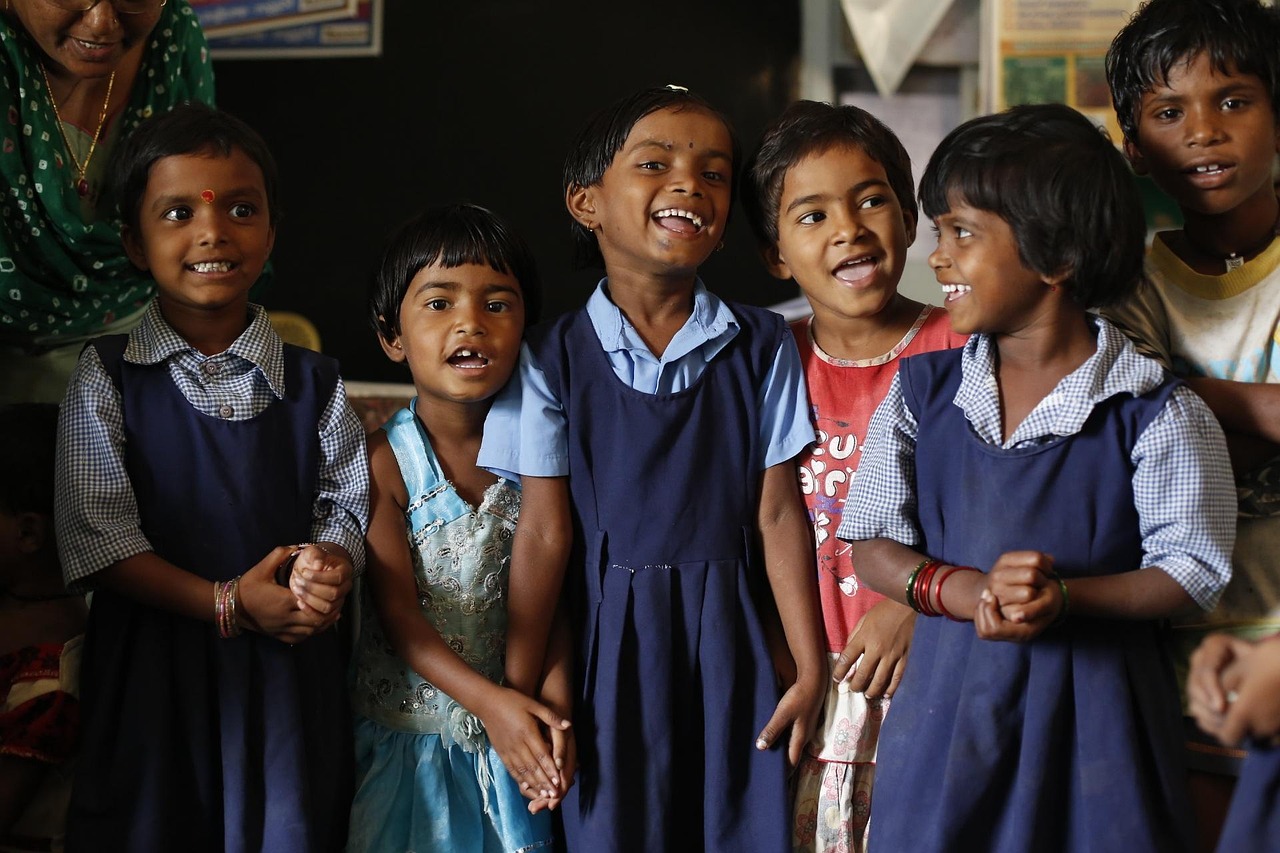
Welcome to this episode of the London School of Planning and Management podcast, where we're exploring the fascinating world of multicultural education. I'm your host, and I'm excited to dive into one of the most critical topics in education today: Diversity And Inclusion In The Classroom. As we navigate the complexities of our increasingly globalized world, it's more important than ever to create learning environments that celebrate our differences and foster a sense of belonging for all students.
The concept of diversity and inclusion in education has undergone significant evolution over the years. If we look back to the mid-20th century, we see a largely homogeneous classroom setting, with little attention paid to the diverse backgrounds and experiences of students. However, as our societies became more multicultural, educators began to recognize the need to adapt their teaching methods to meet the needs of a more diverse student body. Today, we understand that creating an inclusive classroom is not just a moral imperative, but also a crucial factor in promoting academic success and social mobility.
As students of the Certificate in Multicultural Education at the London School of Planning and Management, you're likely already aware of the importance of diversity and inclusion in the classroom. But let's take it a step further. How can you, as educators, create a learning environment that truly reflects the diversity of your students and promotes a sense of belonging? One strategy is to incorporate diverse perspectives and materials into your curriculum. This could mean using textbooks that feature characters from different racial and ethnic backgrounds, or inviting guest speakers from diverse industries and professions.
Another key aspect of creating an inclusive classroom is to establish a safe and respectful dialogue. This means encouraging students to share their thoughts and experiences, while also being mindful of power dynamics and potential biases. For example, you might use restorative circles or small group discussions to facilitate open and honest conversations about sensitive topics. By doing so, you can help break down barriers and build a sense of community among your students.
As students of the Certificate in Multicultural Education at the London School of Planning and Management, you're likely already aware of the importance of diversity and inclusion in the classroom.
Now, I know that creating an inclusive classroom can be challenging, especially when faced with limited resources or resistance from students or colleagues. One common pitfall is to assume that diversity and inclusion are someone else's responsibility, or that they're only relevant in certain subjects or contexts. But the truth is, diversity and inclusion are everyone's responsibility, and they should be integrated into every aspect of your teaching practice. So, what can you do to overcome these challenges? One solution is to seek out support from colleagues, mentors, or professional development opportunities. You might also consider conducting a diversity audit of your classroom or school, to identify areas where you can improve and develop strategies for growth.
As we conclude this episode, I want to leave you with a message of hope and inspiration. Creating a diverse and inclusive classroom is not just a moral imperative, but a powerful tool for transforming the lives of your students and the world around you. By embracing diversity and promoting inclusion, you can help break down barriers, challenge biases, and foster a sense of belonging and empowerment. So, I encourage you to take what you've learned today and apply it in your own life and work. Share your experiences, insights, and challenges with others, and continue to learn and grow on your journey as an educator.
If you've enjoyed this episode, be sure to subscribe to our podcast and join the London School of Planning and Management community. Share your thoughts and feedback with us on social media, and stay tuned for more episodes on topics related to multicultural education. Together, we can create a more just, equitable, and inclusive world, one classroom at a time. Thanks for listening, and we'll see you in the next episode!
Key takeaways
- As we navigate the complexities of our increasingly globalized world, it's more important than ever to create learning environments that celebrate our differences and foster a sense of belonging for all students.
- However, as our societies became more multicultural, educators began to recognize the need to adapt their teaching methods to meet the needs of a more diverse student body.
- As students of the Certificate in Multicultural Education at the London School of Planning and Management, you're likely already aware of the importance of diversity and inclusion in the classroom.
- For example, you might use restorative circles or small group discussions to facilitate open and honest conversations about sensitive topics.
- One common pitfall is to assume that diversity and inclusion are someone else's responsibility, or that they're only relevant in certain subjects or contexts.
- Creating a diverse and inclusive classroom is not just a moral imperative, but a powerful tool for transforming the lives of your students and the world around you.
- Share your thoughts and feedback with us on social media, and stay tuned for more episodes on topics related to multicultural education.