
Quality Assurance and Control in Construction
Welcome to this episode of the London School of Planning and Management podcast, where we're going to explore one of the most crucial aspects of construction - Quality Assurance and Control. As part of our Postgraduate Certificate in Qualit…
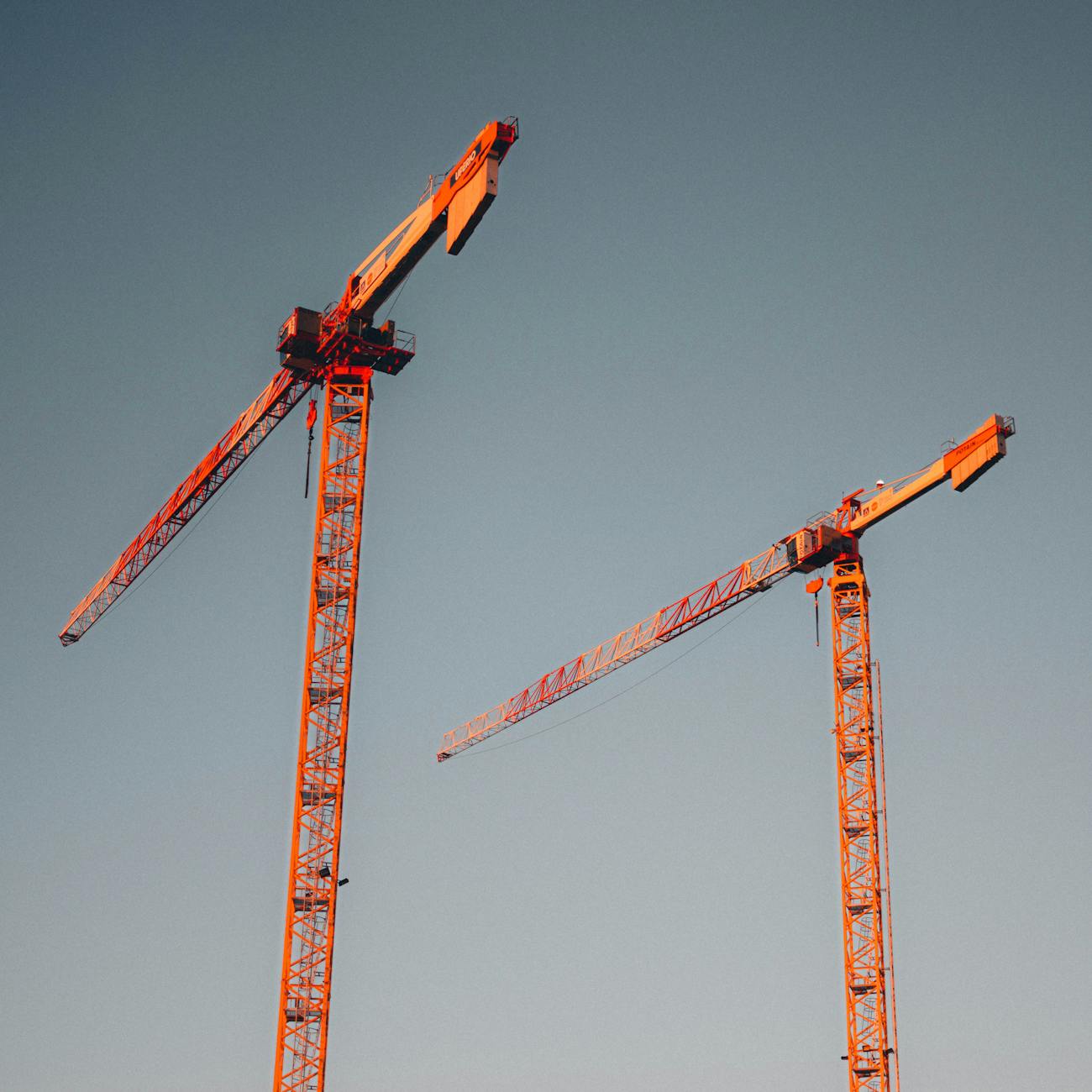
Welcome to this episode of the London School of Planning and Management podcast, where we're going to explore one of the most crucial aspects of construction - Quality Assurance and Control. As part of our Postgraduate Certificate in Quality Management in Construction, this unit is designed to equip you with the knowledge and skills to ensure that construction projects are completed to the highest standards, on time, and within budget.
Imagine being part of a team that's responsible for building a skyscraper, a hospital, or a school. The stakes are high, and the margin for error is tiny. That's where Quality Assurance and Control comes in - it's the backbone of any successful construction project. But have you ever wondered how this concept evolved? Let's take a brief look back in time. The concept of Quality Assurance and Control has its roots in the early 20th century, when manufacturers began to realize the importance of standardizing their production processes. Over the years, this concept has evolved and expanded to various industries, including construction. Today, it's an integral part of any construction project, and its importance cannot be overstated.
So, what exactly is Quality Assurance and Control in Construction? Simply put, it's a set of processes and procedures that ensure that construction projects meet the required standards, codes, and regulations. It's about planning, monitoring, and controlling every aspect of the project, from the initial design to the final inspection. But why is it so important? Well, think about it - a construction project that's not properly managed can lead to delays, cost overruns, and even safety risks. On the other hand, a project that's well-planned and executed can result in a high-quality building that's safe, efficient, and meets the needs of its users.
Now, let's talk about some practical applications of Quality Assurance and Control in Construction. One of the most effective strategies is to implement a robust quality management system. This involves setting clear quality objectives, establishing procedures for monitoring and controlling quality, and providing training to staff on quality-related issues. For example, let's say you're working on a construction project, and you notice that the materials being used don't meet the specified standards. What do you do? You can use a quality control checklist to identify the issue, report it to the relevant authorities, and take corrective action to ensure that the problem is resolved.
Another key aspect of Quality Assurance and Control is risk management. This involves identifying potential risks, assessing their impact, and developing strategies to mitigate them. For instance, let's say you're working on a construction project, and you identify a risk related to site safety. You can develop a risk management plan that includes measures such as providing personal protective equipment, conducting regular safety inspections, and training staff on safety procedures.
This involves setting clear quality objectives, establishing procedures for monitoring and controlling quality, and providing training to staff on quality-related issues.
But, like any other aspect of construction, Quality Assurance and Control is not without its challenges. One of the common pitfalls is the lack of effective communication between team members. This can lead to misunderstandings, errors, and delays. To avoid this, it's essential to establish clear communication channels, provide regular updates, and encourage open feedback. Another pitfall is the lack of adequate training and resources. This can lead to a lack of expertise, which can compromise the quality of the project. To overcome this, it's essential to provide ongoing training and support to staff, and to invest in the latest technologies and tools.
As we conclude this episode, I want to leave you with a message of inspiration. Quality Assurance and Control in Construction is not just about following procedures and protocols - it's about creating something that will stand the test of time, something that will make a positive impact on people's lives. It's about being part of a team that's passionate about delivering excellence, and about being committed to continuous improvement. So, I encourage you to apply what you've learned in this episode, to share your knowledge with others, and to continue your journey of growth and development.
If you've enjoyed this episode, please subscribe to our podcast, share it with your friends and colleagues, and engage with us on social media. At the London School of Planning and Management, we're committed to providing you with the knowledge, skills, and expertise you need to succeed in your career. Join us on this journey, and let's build a better future together. Thank you for listening, and we look forward to welcoming you to our next episode.
Key takeaways
- Welcome to this episode of the London School of Planning and Management podcast, where we're going to explore one of the most crucial aspects of construction - Quality Assurance and Control.
- The concept of Quality Assurance and Control has its roots in the early 20th century, when manufacturers began to realize the importance of standardizing their production processes.
- On the other hand, a project that's well-planned and executed can result in a high-quality building that's safe, efficient, and meets the needs of its users.
- This involves setting clear quality objectives, establishing procedures for monitoring and controlling quality, and providing training to staff on quality-related issues.
- You can develop a risk management plan that includes measures such as providing personal protective equipment, conducting regular safety inspections, and training staff on safety procedures.
- To overcome this, it's essential to provide ongoing training and support to staff, and to invest in the latest technologies and tools.
- Quality Assurance and Control in Construction is not just about following procedures and protocols - it's about creating something that will stand the test of time, something that will make a positive impact on people's lives.