
Mining Environmental Regulations
Imagine yourself standing at the edge of a vast, open-pit mine, the sound of heavy machinery echoing through the air, and the smell of diesel fuel hanging heavy over the landscape. As you gaze out at the sheer scale of the operation, you ca…
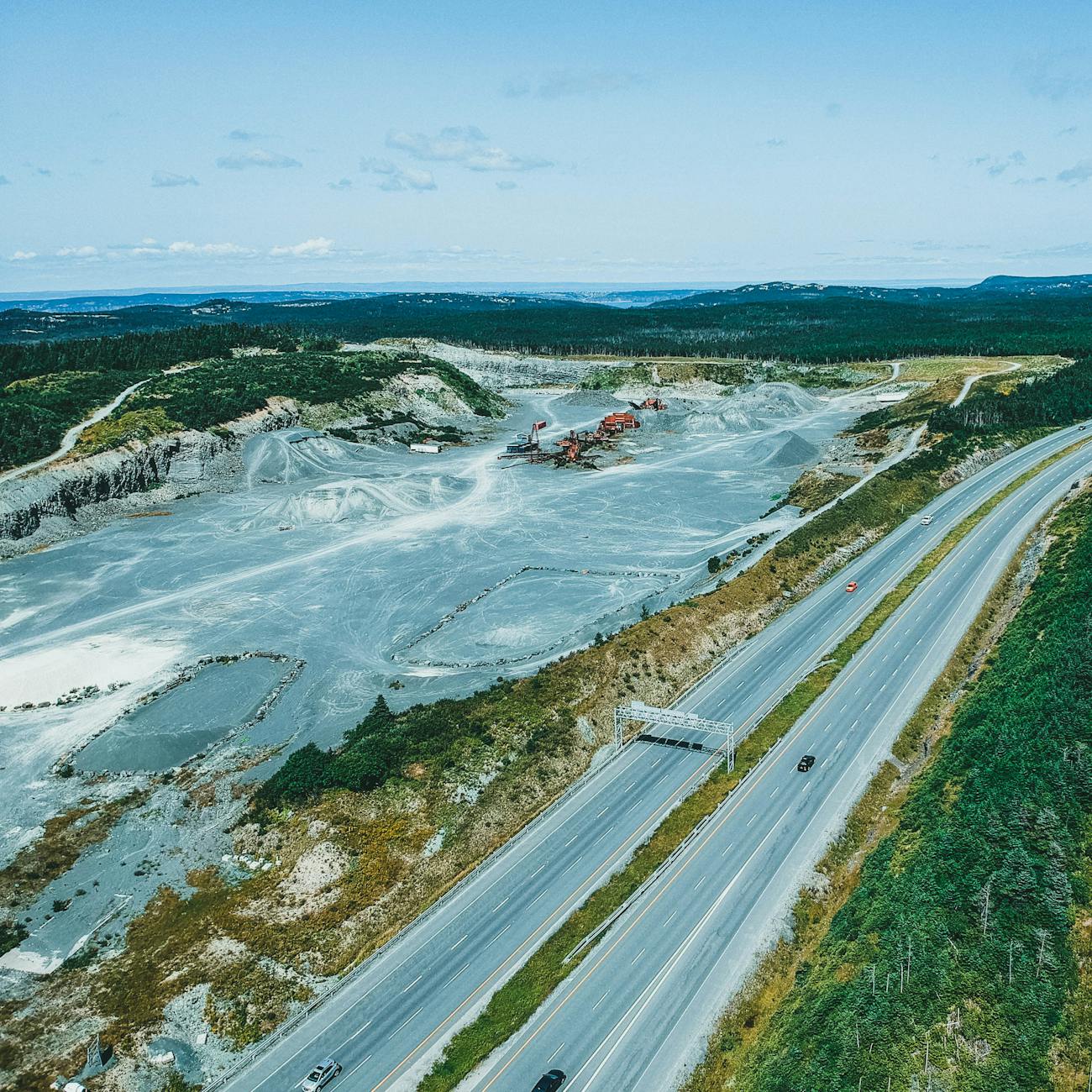
Imagine yourself standing at the edge of a vast, open-pit mine, the sound of heavy machinery echoing through the air, and the smell of diesel fuel hanging heavy over the landscape. As you gaze out at the sheer scale of the operation, you can't help but wonder about the impact it's having on the environment. The truth is, mining has been a cornerstone of human civilization for thousands of years, providing the raw materials we need to build, to innovate, and to power our daily lives. But it's also an industry that's often at odds with the natural world, leaving behind a trail of destruction, pollution, and degradation in its wake.
As we explore the topic of Mining Environmental Regulations, it's essential to understand that this isn't just a modern concern. The history of mining is littered with examples of environmental disasters, from the toxic waste dumps of ancient Rome to the devastating deforestation of the Amazon rainforest. But it wasn't until the mid-20th century, with the advent of modern environmentalism, that governments and industries began to take notice of the need for regulation. Today, we have a complex web of laws, guidelines, and best practices that aim to mitigate the worst effects of mining on the environment.
So, why is this unit so important? The answer is simple: the health of our planet depends on it. As the global demand for minerals and resources continues to grow, the mining industry is under increasing pressure to produce more, faster, and cheaper. But this can't come at the expense of the environment. By understanding and applying Mining Environmental Regulations, we can reduce the risk of accidents, minimize waste, and protect fragile ecosystems. It's not just a moral imperative; it's also a sound business strategy. Companies that prioritize environmental sustainability are more likely to attract investors, retain top talent, and build a positive reputation with their customers and communities.
So, what can you do to make a positive impact? First, it's essential to stay up-to-date with the latest regulations and guidelines. This might involve attending workshops, webinars, or conferences, or simply taking the time to read industry publications and reports. Second, look for opportunities to reduce waste and minimize your environmental footprint. This could involve implementing new technologies, such as renewable energy systems or more efficient extraction methods. Third, engage with your community and stakeholders to build trust and transparency. This might involve conducting environmental impact assessments, hosting public forums, or simply being open and honest about your operations.
Companies that prioritize environmental sustainability are more likely to attract investors, retain top talent, and build a positive reputation with their customers and communities.
Of course, there are also common pitfalls to avoid. One of the biggest mistakes companies make is trying to cut corners or circumvent regulations. Not only is this unethical, but it's also likely to end in disaster. Another mistake is failing to engage with local communities or ignoring their concerns. This can lead to mistrust, conflict, and even violence. Finally, don't assume that environmental regulations are a one-size-fits-all solution. Every mine, every location, and every community is unique, and it's essential to tailor your approach to the specific needs and challenges of your operation.
As we conclude this episode, I want to leave you with a message of hope and inspiration. The journey towards environmental sustainability is a long and winding road, but it's also a journey that's filled with opportunity and promise. By applying what you've learned about Mining Environmental Regulations, you can make a real difference in the world. You can help to reduce pollution, protect biodiversity, and ensure that the mining industry is a force for good, not harm. So, don't be afraid to take the first step, to ask questions, and to seek out new knowledge and expertise. And don't forget to subscribe to our podcast, share this episode with your friends and colleagues, and engage with us on social media. Together, we can create a better future for ourselves, our children, and the planet we call home.
Key takeaways
- Imagine yourself standing at the edge of a vast, open-pit mine, the sound of heavy machinery echoing through the air, and the smell of diesel fuel hanging heavy over the landscape.
- The history of mining is littered with examples of environmental disasters, from the toxic waste dumps of ancient Rome to the devastating deforestation of the Amazon rainforest.
- Companies that prioritize environmental sustainability are more likely to attract investors, retain top talent, and build a positive reputation with their customers and communities.
- This might involve conducting environmental impact assessments, hosting public forums, or simply being open and honest about your operations.
- Every mine, every location, and every community is unique, and it's essential to tailor your approach to the specific needs and challenges of your operation.
- The journey towards environmental sustainability is a long and winding road, but it's also a journey that's filled with opportunity and promise.