
Neuroimaging
Welcome to this exciting episode of our Certificate in Neuroscience program, where we delve into the fascinating world of Neuroimaging! I'm thrilled to have you here, and today we're about to explore a tool that has revolutionized our under…
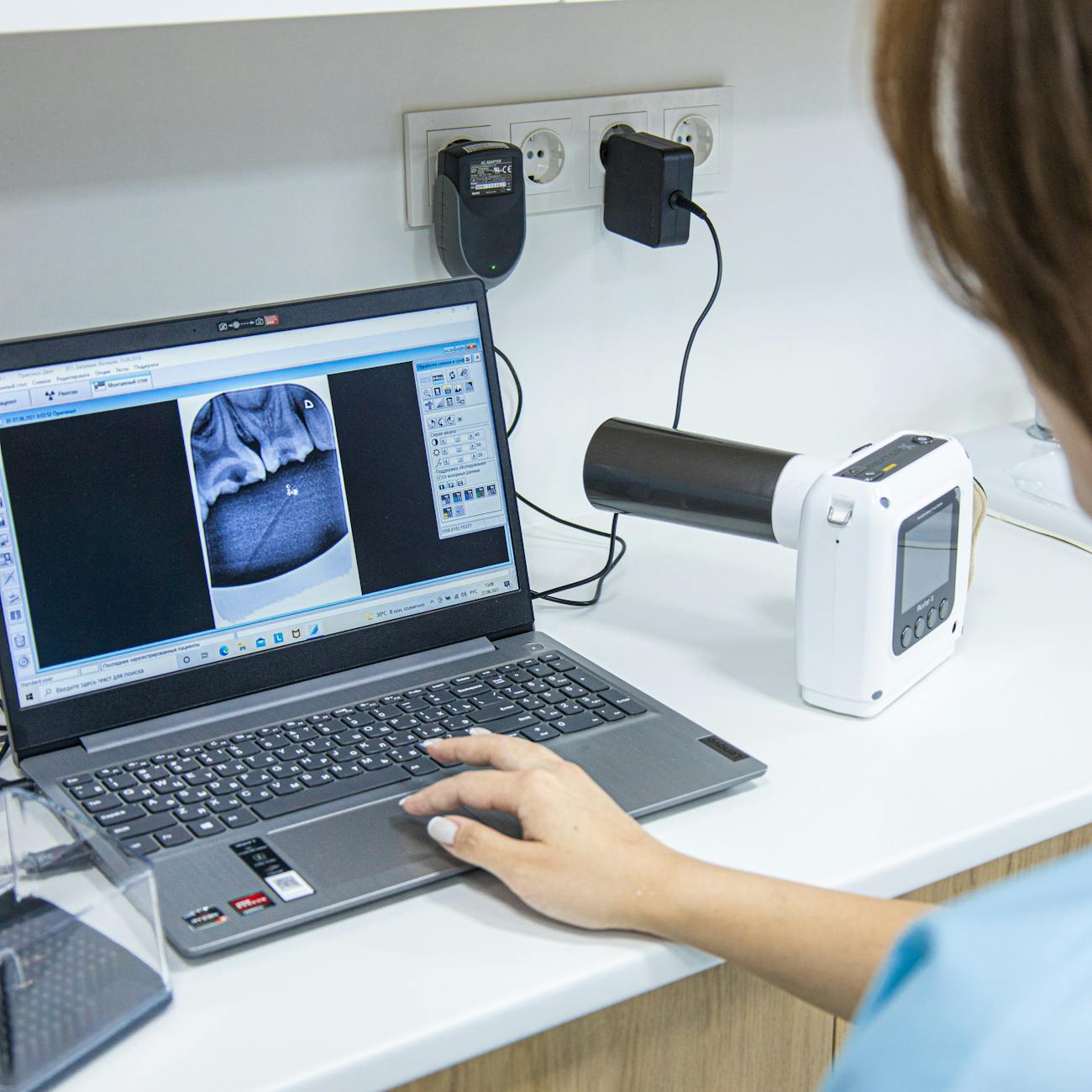
Welcome to this exciting episode of our Certificate in Neuroscience program, where we delve into the fascinating world of Neuroimaging! I'm thrilled to have you here, and today we're about to explore a tool that has revolutionized our understanding of the brain and its functions.
Neuroimaging is a critical unit in our course as it offers us a window into the brain's inner workings, allowing us to see which areas are active during different tasks, emotions, and thoughts. This technology has not only transformed research but also opened doors for clinical applications, such as diagnosing brain disorders, monitoring treatment progress, and even guiding neurosurgery.
To set the stage, let's take a brief stroll down memory lane. Neuroimaging has come a long way since its humble beginnings in the early 20th century, when the first human brain was imaged using X-rays. Fast forward to today, and we have a plethora of non-invasive techniques like functional Magnetic Resonance Imaging (fMRI), Positron Emission Tomography (PET), and Electroencephalography (EEG) at our disposal. These tools empower us to visualize the brain in action, providing unprecedented insights into its structure, function, and connectivity.
Now that we have a foundational understanding of Neuroimaging, let's dive into some practical applications that can make a tangible difference in your life or work.
Imagine being able to pinpoint the precise brain regions responsible for processing emotions, memories, or decision-making. Neuroimaging makes this possible, and understanding these mechanisms can help us optimize our cognitive abilities, enhance learning, and even improve mental health.
For instance, by knowing that meditation activates the prefrontal cortex, associated with attention and self-awareness, we can encourage its use to foster focus and mindfulness. Similarly, recognizing that physical exercise boosts neuroplasticity, or the brain's ability to reorganize itself, can motivate us to maintain an active lifestyle for better cognitive resilience.
Similarly, recognizing that physical exercise boosts neuroplasticity, or the brain's ability to reorganize itself, can motivate us to maintain an active lifestyle for better cognitive resilience.
However, it's essential to avoid common pitfalls when interpreting Neuroimaging data. For example, correlation does not imply causation - just because two brain regions are active together doesn't mean one causes the other. Moreover, individual variability plays a significant role, and results obtained from a group of people might not directly translate to an individual.
To tackle these challenges, always consult multiple sources and seek expert opinions before drawing conclusions. Remember, Neuroimaging is a powerful tool, but it's only one piece of the puzzle. A comprehensive understanding of the brain requires a synthesis of various approaches, including behavioral, genetic, and computational methods.
As we conclude this episode, I want to leave you with an inspiring message: the power of Neuroimaging lies in its ability to illuminate the mysteries of the brain and translate those insights into tangible benefits for society. I encourage you to apply what you've learned today, continue your journey of growth, and share your newfound knowledge with others.
And before I let you go, don't forget to subscribe to our podcast, share it with your friends, and engage with us on social media. Your support helps us bring more exciting content your way, and together, we can unravel the marvels of the human brain.
Thank you for joining me today, and until next time, keep exploring, keep learning, and remember - the world of neuroscience is full of wonder and promise. So, let's dive in and discover its secrets together!
Key takeaways
- I'm thrilled to have you here, and today we're about to explore a tool that has revolutionized our understanding of the brain and its functions.
- This technology has not only transformed research but also opened doors for clinical applications, such as diagnosing brain disorders, monitoring treatment progress, and even guiding neurosurgery.
- Fast forward to today, and we have a plethora of non-invasive techniques like functional Magnetic Resonance Imaging (fMRI), Positron Emission Tomography (PET), and Electroencephalography (EEG) at our disposal.
- Now that we have a foundational understanding of Neuroimaging, let's dive into some practical applications that can make a tangible difference in your life or work.
- Neuroimaging makes this possible, and understanding these mechanisms can help us optimize our cognitive abilities, enhance learning, and even improve mental health.
- Similarly, recognizing that physical exercise boosts neuroplasticity, or the brain's ability to reorganize itself, can motivate us to maintain an active lifestyle for better cognitive resilience.
- Moreover, individual variability plays a significant role, and results obtained from a group of people might not directly translate to an individual.