
Creating Safe and Supportive Learning Environments
Welcome to this exciting episode of our podcast, where we delve into the world of trauma-informed teaching! Today, we're focusing on a crucial unit: Creating Safe and Supportive Learning Environments. I'm thrilled to have you here, and I ca…
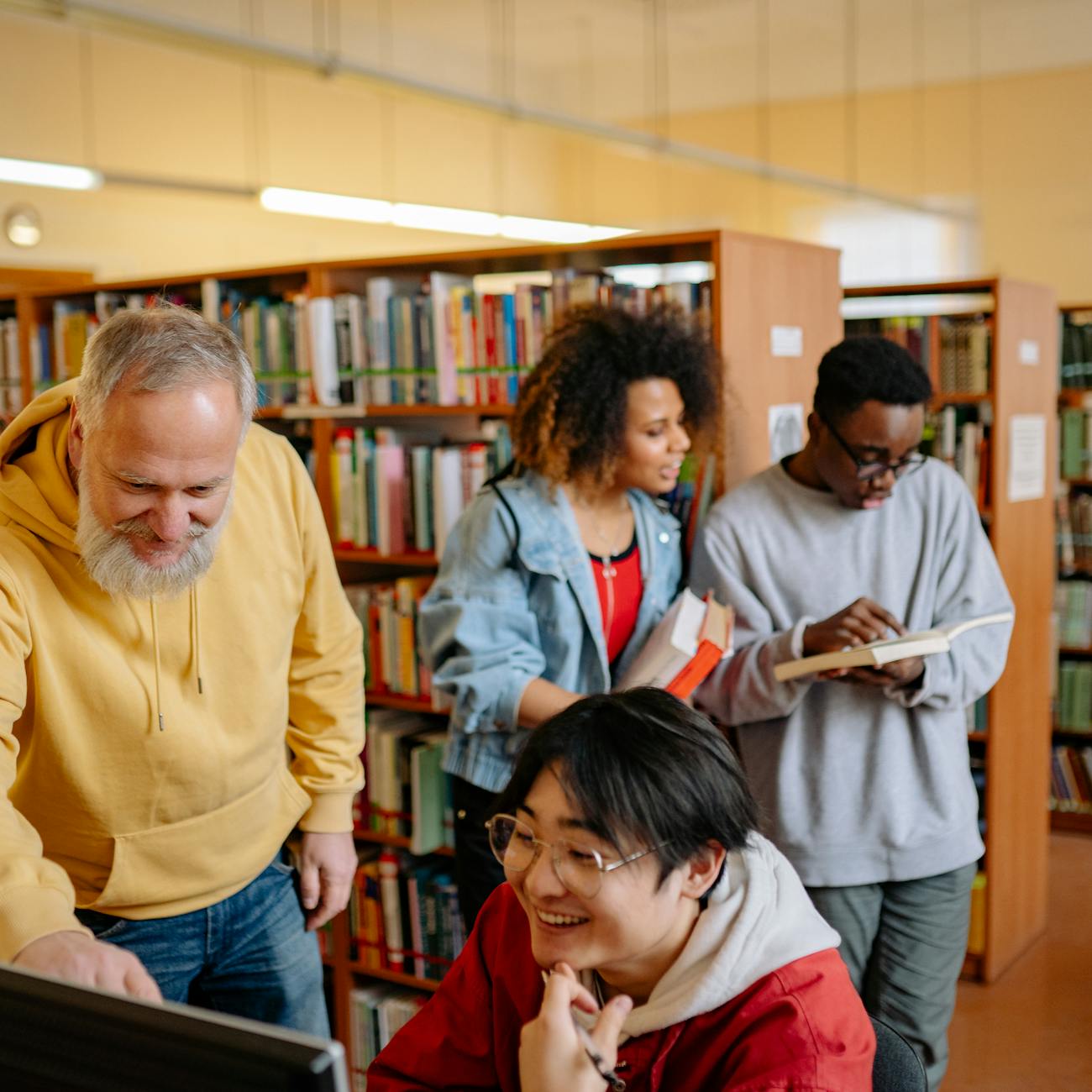
Welcome to this exciting episode of our podcast, where we delve into the world of trauma-informed teaching! Today, we're focusing on a crucial unit: Creating Safe and Supportive Learning Environments. I'm thrilled to have you here, and I can't wait to share why this topic is so important and relevant to all of us.
Imagine a classroom where students feel safe, supported, and empowered to learn. A place where they can bring their whole selves and express their emotions without fear of judgment or repercussions. This is the essence of a trauma-informed learning environment, and it's at the heart of our course.
Historically, education systems have been designed to prioritize academic achievement, often overlooking the emotional well-being of students. However, research now shows that a safe and supportive environment is crucial for students' academic success, mental health, and overall development. In fact, creating such an environment is a key aspect of trauma-informed teaching.
So, how can we make this a reality? Here are some actionable strategies, tips, and examples to help you create a safe and supportive learning environment:
1. Establish clear expectations and routines: Communicate your rules and procedures clearly, and ensure that students understand the reasons behind them. This structure will help students feel more secure and focused. 2. Encourage open communication: Create a culture where students feel comfortable sharing their thoughts, ideas, and concerns. This can be achieved through regular check-ins, anonymous feedback forms, or small group discussions. 3. Practice empathy and active listening: Show genuine interest in your students' experiences, and listen to their stories without judgment. This will help build trust and rapport. 4. Incorporate social-emotional learning (SEL): Teach students skills like self-awareness, self-management, social awareness, relationship skills, and responsible decision-making. SEL helps students better understand and regulate their emotions, fostering a more positive learning environment. 5. Foster a sense of belonging: Encourage students to form connections with one another and with you. This can be done through collaborative projects, team-building activities, or simply by sharing personal stories and interests.
Now, let's discuss some common pitfalls and solutions:
Incorporate social-emotional learning (SEL): Teach students skills like self-awareness, self-management, social awareness, relationship skills, and responsible decision-making.
* Pitfall: Overlooking the importance of relationships and focusing solely on academic achievement. Solution: Prioritize building connections with students and emphasize the value of relationships in the learning process. * Pitfall: Failing to recognize the signs of trauma in students. Solution: Educate yourself on the various forms of trauma and their impacts on learning. Be vigilant for signs that a student may be struggling and provide appropriate support. * Pitfall: Relying on punishment as a disciplinary measure. Solution: Implement restorative justice practices that encourage students to take responsibility for their actions and repair any harm caused.
To conclude, I want to leave you with an inspiring message: the power to change lives lies within each of us. By creating safe and supportive learning environments, we can make a profound difference in the lives of our students, helping them heal, grow, and thrive.
Before you go, I'd like to ask for your support. If you find our podcast valuable, please subscribe, share it with others, and engage with us on social media. Your feedback and interaction help us continue creating content that resonates with and empowers you.
Thank you for joining me on this journey, and I look forward to our next episode together. Until then, keep learning, growing, and making a difference in the lives of those around you!
Key takeaways
- I'm thrilled to have you here, and I can't wait to share why this topic is so important and relevant to all of us.
- A place where they can bring their whole selves and express their emotions without fear of judgment or repercussions.
- However, research now shows that a safe and supportive environment is crucial for students' academic success, mental health, and overall development.
- Incorporate social-emotional learning (SEL): Teach students skills like self-awareness, self-management, social awareness, relationship skills, and responsible decision-making.
- Solution: Implement restorative justice practices that encourage students to take responsibility for their actions and repair any harm caused.
- By creating safe and supportive learning environments, we can make a profound difference in the lives of our students, helping them heal, grow, and thrive.
- If you find our podcast valuable, please subscribe, share it with others, and engage with us on social media.