
Cultural Competence in Community Development
Welcome to this exciting episode of our podcast, where we delve into the world of Community Development and Engagement. Today, we're focusing on a crucial aspect of this field: Cultural Competence in Community Development.
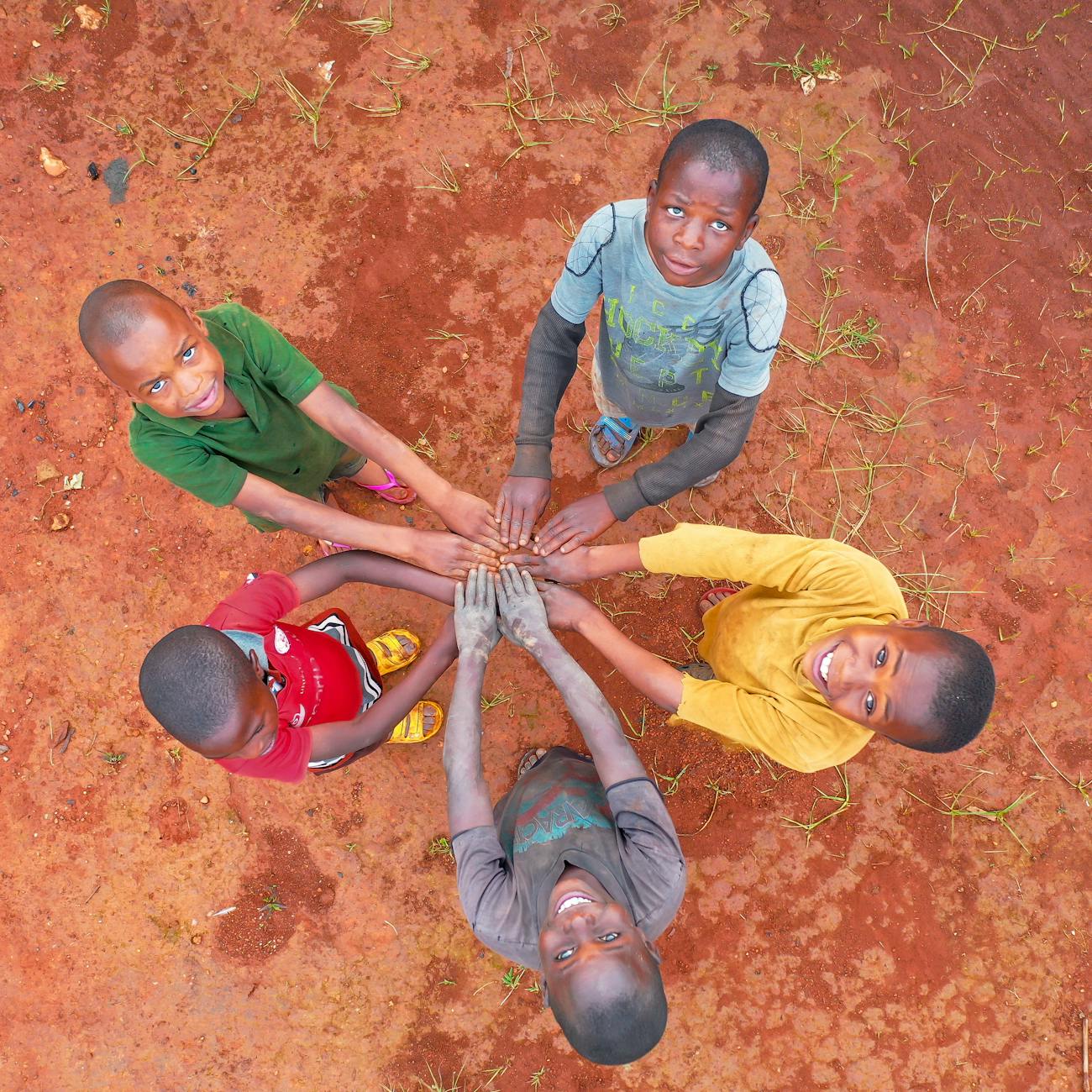
Welcome to this exciting episode of our podcast, where we delve into the world of Community Development and Engagement. Today, we're focusing on a crucial aspect of this field: Cultural Competence in Community Development.
Imagine a world where every community professional could effortlessly connect with people from various cultural backgrounds, fostering an inclusive environment that empowers everyone to thrive. That's the power of cultural competence, and it's more relevant than ever in our increasingly diverse and interconnected world.
Cultural competence is the ability to understand, appreciate, and interact with people from diverse cultures. It's an essential skill for community developers, enabling them to build trust, facilitate dialogue, and create equitable opportunities for all.
Let's take a brief journey through history to understand the evolution of cultural competence. In the past, many community development initiatives were designed with a one-size-fits-all approach, often overlooking the unique needs and perspectives of diverse communities. This led to a growing awareness of the importance of cultural competence and a shift towards more inclusive practices.
Now, let's explore the practical applications of cultural competence in community development. To start, it's essential to recognize and respect the unique cultural identities of the people you're working with. Engage in open and honest dialogue, asking questions and actively listening to understand their experiences and worldviews.
When planning community development initiatives, involve diverse stakeholders in the decision-making process. This not only ensures that the projects are relevant and accessible to various cultural groups but also helps build trust and fosters a sense of ownership among the community members.
A common pitfall to avoid is the tendency to stereotype or make assumptions about individuals based on their cultural background. Instead, treat each person as an individual with their own unique experiences, values, and aspirations.
This not only ensures that the projects are relevant and accessible to various cultural groups but also helps build trust and fosters a sense of ownership among the community members.
To cultivate cultural competence, consider the following strategies:
1. Reflect on your own cultural background and biases, and commit to continuous learning and self-improvement. 2. Seek out training and professional development opportunities, such as workshops, conferences, and online courses. 3. Engage with diverse communities, both professionally and personally, to broaden your understanding and appreciation of different cultures.
In conclusion, remember that cultural competence is a powerful tool for creating inclusive, equitable, and sustainable communities. By applying the strategies and tips we've discussed today, you can make a meaningful difference in the lives of the people you serve.
As you continue your journey of growth, we invite you to subscribe to our podcast, share this episode with your network, and engage with us through social media or our website. Together, we can build stronger, more resilient communities that embrace and celebrate the richness of our diverse cultures.
Thank you for joining us on this enlightening episode. Until our next conversation, keep learning, growing, and striving to make the world a better place for all.
Key takeaways
- Welcome to this exciting episode of our podcast, where we delve into the world of Community Development and Engagement.
- Imagine a world where every community professional could effortlessly connect with people from various cultural backgrounds, fostering an inclusive environment that empowers everyone to thrive.
- It's an essential skill for community developers, enabling them to build trust, facilitate dialogue, and create equitable opportunities for all.
- In the past, many community development initiatives were designed with a one-size-fits-all approach, often overlooking the unique needs and perspectives of diverse communities.
- Engage in open and honest dialogue, asking questions and actively listening to understand their experiences and worldviews.
- This not only ensures that the projects are relevant and accessible to various cultural groups but also helps build trust and fosters a sense of ownership among the community members.
- A common pitfall to avoid is the tendency to stereotype or make assumptions about individuals based on their cultural background.