
Construction Law and Contracts
In the context of Construction Law and Contracts, it is essential to understand the key terms and vocabulary that are commonly used in the industry. One of the primary concepts is the idea of a contract , which is a legally binding agreemen…
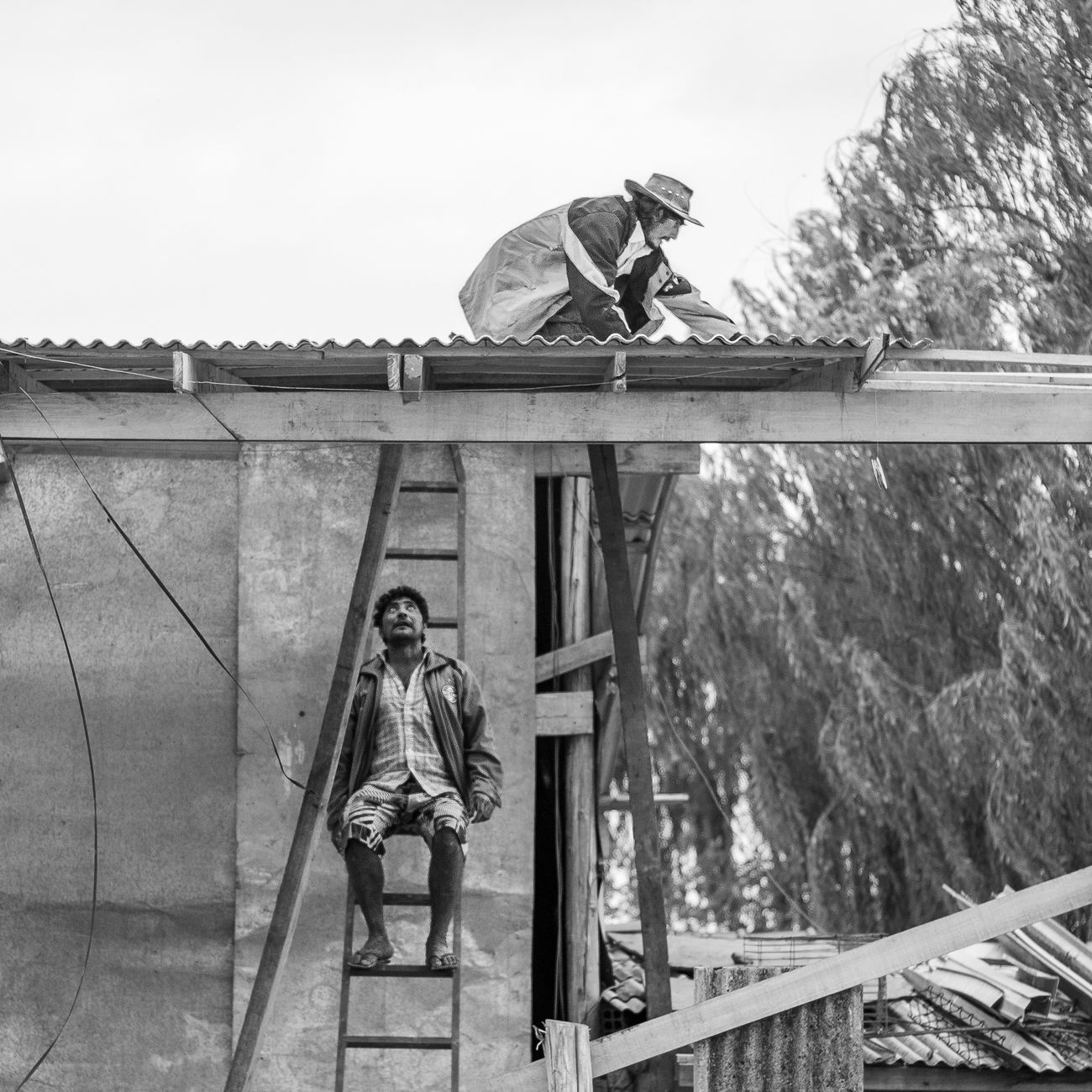
In the context of Construction Law and Contracts, it is essential to understand the key terms and vocabulary that are commonly used in the industry. One of the primary concepts is the idea of a contract, which is a legally binding agreement between two or more parties. This agreement can be oral or written, but it is generally recommended that contracts be in writing to avoid any potential disputes.
A construction contract typically involves a client or employer who commissions a contractor or builder to carry out the work. The contractor may then subcontract certain aspects of the work to other parties, known as subcontractors. The terms and conditions of the contract will outline the scope of work, the payment terms, and the responsibilities of each party.
Another crucial concept in Construction Law and Contracts is the idea of negotiation. This is the process by which the parties involved in a contract discuss and agree on the terms and conditions. Negotiation can be a complex process, especially in large-scale construction projects where there may be multiple stakeholders involved.
In addition to negotiation, it is also essential to understand the concept of mediation. This is a process where a neutral third party helps to resolve disputes between the parties involved in a contract. Mediation can be a cost-effective way to resolve disputes, especially when compared to litigation.
The concept of litigation is also an important one in Construction Law and Contracts. This refers to the process of taking a dispute to court to be resolved. Litigation can be a lengthy and expensive process, which is why many parties involved in construction contracts try to avoid it whenever possible.
One of the key documents in a construction contract is the schedule of work. This outlines the scope of work to be carried out, the timelines for completion, and the payment terms. The schedule of work is often attached to the main contract as an appendix.
Another important document in a construction contract is the specification. This details the requirements for the work to be carried out, including the materials to be used and the standards to be met. The specification is often prepared by the architect or engineer responsible for designing the project.
In addition to the schedule of work and the specification, a construction contract may also include a bill of quantities. This lists the quantities of materials and labour required to complete the work. The bill of quantities is often used to calculate the cost of the work.
The concept of payment is also a critical one in Construction Law and Contracts. This refers to the terms under which the contractor will be paid for the work carried out. Payment terms may include milestone payments, where the contractor is paid at specific stages of the project, or monthly payments, where the contractor is paid on a regular basis.
In some cases, a construction contract may also include a performance bond. This is a type of insurance that protects the client in the event that the contractor fails to complete the work. The performance bond is often provided by a surety company, which guarantees that the work will be completed to the required standard.
Another important concept in Construction Law and Contracts is the idea of termination. This refers to the process of ending a contract before it has been completed. Termination may occur due to breach of contract, where one party fails to meet their obligations, or due to force majeure, where an unforeseen event prevents the work from being completed.
The concept of dispute resolution is also a critical one in Construction Law and Contracts. This refers to the process of resolving disputes that arise during the course of a contract. Dispute resolution may involve mediation, arbitration, or litigation, depending on the terms of the contract and the preferences of the parties involved.
In addition to these concepts, it is also essential to understand the roles and responsibilities of the various parties involved in a construction contract. The client or employer is responsible for commissioning the work and paying the contractor. The contractor or builder is responsible for carrying out the work to the required standard. The architect or engineer is responsible for designing the project and overseeing the work.
The subcontractor is responsible for carrying out specific aspects of the work, such as electrical or plumbing work. The supplier is responsible for providing the materials and equipment required for the work. The consultant is responsible for providing expert advice on specific aspects of the project, such as health and safety.
In practice, construction contracts can be complex and challenging to navigate. One of the major challenges is delay, which can occur due to unforeseen events or disputes between the parties involved. Another challenge is cost overrun, which can occur due to changes in the scope of work or unforeseen expenses.
To mitigate these risks, it is essential to have a clear and comprehensive contract in place. This should outline the scope of work, the timelines for completion, and the payment terms. The contract should also include provisions for dispute resolution and termination.
In addition to having a clear contract, it is also essential to have a good understanding of the law and regulations that govern construction contracts. This includes knowledge of the relevant statutes and case law, as well as any industry standards or best practices.
The construction industry is also subject to a range of regulations and standards, which can impact on the contract and the work being carried out. For example, there may be health and safety regulations that govern the work being carried out, or environmental regulations that impact on the materials and equipment used.
In terms of best practices, it is essential to have a clear and comprehensive project management plan in place. This should outline the scope of work, the timelines for completion, and the resources required. The plan should also include provisions for risk management and quality control.
The use of technology is also becoming increasingly important in the construction industry. For example, building information modelling (BIM) can be used to create detailed models of the project, which can help to identify potential risks and issues before they arise.
In addition to BIM, other technologies such as drones and robotics are also being used in the construction industry. For example, drones can be used to capture aerial photographs and videos of the project, which can help to monitor progress and identify potential issues.
The construction industry is also subject to a range of challenges and risks, which can impact on the contract and the work being carried out. For example, there may be delays due to weather conditions or unforeseen events, or cost overruns due to changes in the scope of work or unforeseen expenses.
To mitigate these risks, it is essential to have a clear and comprehensive risk management plan in place. This should identify the potential risks and develop strategies for mitigating them. The plan should also include provisions for monitoring and reviewing the risks, and for updating the plan as necessary.
In terms of quality control, it is essential to have a clear and comprehensive quality management plan in place. This should outline the standards and specifications for the work, and develop strategies for ensuring that these standards are met. The plan should also include provisions for monitoring and reviewing the quality of the work, and for addressing any defects or issues that arise.
The construction industry is also subject to a range of regulations and standards related to health and safety. For example, there may be regulations governing the use of personal protective equipment, or standards for the design and construction of buildings and structures.
In terms of environmental sustainability, the construction industry is subject to a range of regulations and standards. For example, there may be regulations governing the use of energy and water, or standards for the design and construction of buildings and structures that minimize environmental impact.
The use of sustainable materials and practices is also becoming increasingly important in the construction industry. For example, recycled materials can be used to reduce waste and minimize environmental impact. The use of renewable energy sources, such as solar or wind power, can also help to reduce the environmental impact of the project.
In addition to these technologies and practices, the construction industry is also subject to a range of challenges and risks related to cyber security. For example, hacking and cyber attacks can compromise the security of the project, and data breaches can result in the loss of sensitive information.
To mitigate these risks, it is essential to have a clear and comprehensive cyber security plan in place. The plan should also include provisions for monitoring and reviewing the cyber security of the project, and for updating the plan as necessary.
In terms of insurance, the construction industry is subject to a range of risks and challenges. For example, public liability insurance can provide coverage for accidents and injuries that occur on the project site. Professional indemnity insurance can provide coverage for errors and omissions that occur during the course of the project.
The use of insurance can help to mitigate the risks and challenges associated with the construction industry. For example, insurance can provide coverage for delays and cost overruns, or for damage to the project site or adjacent properties.
In addition to insurance, the construction industry is also subject to a range of regulations and standards related to taxation. For example, value added tax (VAT) may be applicable to the project, or income tax may be payable on the profits earned by the contractor or subcontractor.
The construction industry is also subject to a range of challenges and risks related to employment law. For example, employment contracts may be governed by statute or common law, or collective agreements may be in place to govern the terms and conditions of employment.
In terms of dispute resolution, the construction industry is subject to a range of options and strategies. For example, mediation and arbitration can be used to resolve disputes in a cost-effective and efficient manner. Litigation can also be used to resolve disputes, although this can be a lengthy and expensive process.
The construction industry is also subject to a range of challenges and risks related to international projects. For example, cultural and linguistic differences can create challenges for communication and collaboration. Legal and regulatory differences can also create challenges for compliance and risk management.
In terms of best practices, it is essential to have a clear and comprehensive understanding of the local culture and customs. This can help to build trust and rapport with local stakeholders, and to avoid any cultural or linguistic misunderstandings.
The construction industry is also subject to a range of challenges and risks related to technology and innovation. For example, the use of new and emerging technologies can create challenges for adoption and implementation. The use of data and analytics can also create challenges for interpretation and decision-making.
In terms of future trends and directions, the construction industry is likely to be shaped by a range of factors and trends. For example, the use of sustainable and resilient materials and practices is likely to become increasingly important. The use of digital and data-driven technologies is also likely to become increasingly important, as is the use of collaborative and integrated project delivery methods.
The construction industry is also likely to be shaped by a range of global and regional trends and challenges. For example, the impact of climate change and environmental sustainability is likely to become increasingly important. The need for infrastructure development and investment is also likely to become increasingly important, as is the need for affordable and sustainable housing and development.
In terms of education and training, it is essential to have a clear and comprehensive understanding of the construction industry and its challenges and risks. This can help to build the skills and knowledge required to succeed in the industry, and to stay up-to-date with the latest trends and developments.
The construction industry is also subject to a range of challenges and risks related to diversity and inclusion. For example, the lack of diversity and inclusion can create challenges for recruitment and retention. The need for cultural and linguistic diversity can also create challenges for communication and collaboration.
In terms of best practices, it is essential to have a clear and comprehensive understanding of the importance of diversity and inclusion. This can help to build a culture of respect and inclusion, and to create a workplace that is inclusive and diverse.
The construction industry is also subject to a range of challenges and risks related to mental health and wellbeing. For example, the pressure to meet deadlines and budgets can create challenges for mental health and wellbeing. The need for work-life balance can also create challenges for mental health and wellbeing.
In terms of best practices, it is essential to have a clear and comprehensive understanding of the importance of mental health and wellbeing. This can help to build a culture of support and inclusion, and to create a workplace that is healthy and supportive.
The construction industry is also subject to a range of challenges and risks related to physical health and safety. For example, the risk of personal injury or illness can create challenges for physical health and safety. The need for personal protective equipment can also create challenges for physical health and safety.
In terms of best practices, it is essential to have a clear and comprehensive understanding of the importance of physical health and safety. This can help to build a culture of safety and responsibility, and to create a workplace that is safe and healthy.
In addition to these challenges and risks, the construction industry is also subject to a range of opportunities and benefits. For example, the use of new and emerging technologies can create opportunities for innovation and growth. The need for sustainable and resilient materials and practices can also create opportunities for innovation and growth.
The construction industry is also subject to a range of global and regional trends and challenges.
For example, the use of digital and data-driven technologies is likely to become increasingly important. The need for sustainable and resilient materials and practices is also likely to become increasingly important, as is the need for collaborative and integrated project delivery methods.
Key takeaways
- This agreement can be oral or written, but it is generally recommended that contracts be in writing to avoid any potential disputes.
- A construction contract typically involves a client or employer who commissions a contractor or builder to carry out the work.
- Negotiation can be a complex process, especially in large-scale construction projects where there may be multiple stakeholders involved.
- This is a process where a neutral third party helps to resolve disputes between the parties involved in a contract.
- Litigation can be a lengthy and expensive process, which is why many parties involved in construction contracts try to avoid it whenever possible.
- This outlines the scope of work to be carried out, the timelines for completion, and the payment terms.
- This details the requirements for the work to be carried out, including the materials to be used and the standards to be met.