
Urban Planning Principles
Urban planning principles are essential for creating sustainable and livable cities. The concept of sustainability is central to urban planning, as it involves meeting the needs of the present without compromising the ability of future gene…
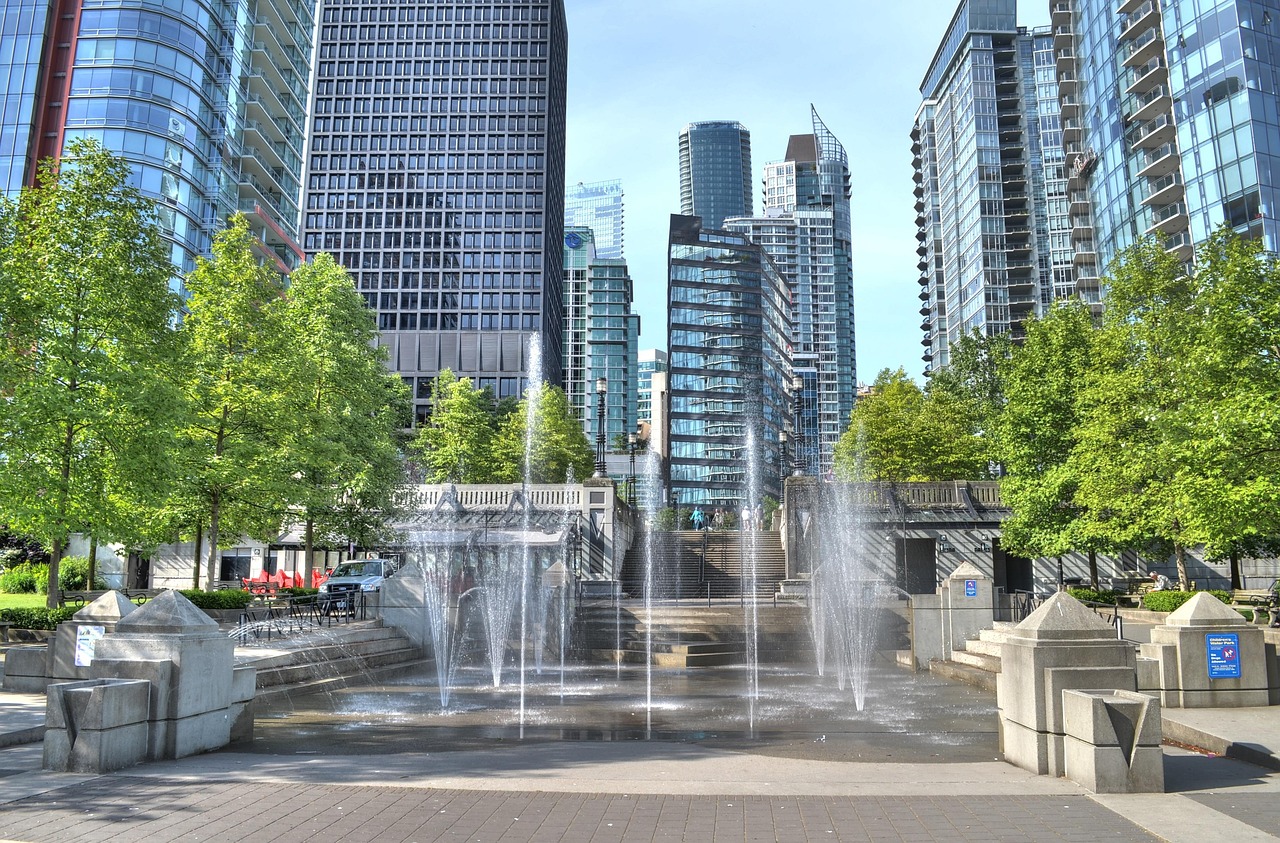
Urban planning principles are essential for creating sustainable and livable cities. The concept of sustainability is central to urban planning, as it involves meeting the needs of the present without compromising the ability of future generations to meet their own needs. This requires careful consideration of environmental factors, such as climate change, air and water quality, and the conservation of natural resources. Urban planners must also balance the needs of different stakeholders, including residents, businesses, and community groups, to create a inclusive and equitable urban environment.
One key principle of urban planning is the concept of mixed-use development, which involves combining different land uses, such as residential, commercial, and recreational, in a single area. This approach can help to reduce the need for personal vehicles, promote walking and cycling, and create more vibrant and dynamic public spaces. For example, a mixed-use development might include a combination of apartments, offices, shops, and restaurants, all located within a short walk of each other. This can help to reduce traffic congestion, improve air quality, and enhance the overall quality of life for residents.
Another important principle of urban planning is the concept of density, which refers to the concentration of people and activities in a given area. Higher density areas can be more efficient and sustainable, as they can support a wider range of public transportation options and reduce the need for personal vehicles. However, high density areas can also be more congested and noisy, which can negatively impact the quality of life for residents. Urban planners must carefully balance the need for density with the need for green spaces, parks, and other recreational areas.
The concept of transit-oriented development (TOD) is also critical in urban planning, as it involves designing communities around public transportation hubs, such as train stations or bus terminals. This approach can help to reduce traffic congestion, promote walking and cycling, and create more compact and connected communities. For example, a TOD might include a mix of residential, commercial, and recreational land uses, all located within a short walk of a train station or bus terminal. This can help to reduce the need for personal vehicles, improve air quality, and enhance the overall quality of life for residents.
Urban planners must also consider the concept of urban design, which refers to the physical layout and appearance of a city or town. Urban design involves the creation of public spaces, such as parks, plazas, and streets, that are safe, attractive, and functional. This can include the use of street furniture, such as benches and lighting, to create a more inviting and pedestrian-friendly environment. Urban planners must also consider the scale and proportion of buildings and other structures, to create a more coherent and harmonious urban landscape.
The concept of community engagement is also essential in urban planning, as it involves working with local residents, businesses, and community groups to create a more inclusive and responsive urban environment. This can include the use of public participation techniques, such as community meetings and surveys, to gather feedback and input from local stakeholders. Urban planners must also be responsive to the needs and concerns of local residents, and work to create a more transparent and accountable planning process.
In addition to these principles, urban planners must also consider the concept of resilience, which refers to the ability of a city or town to withstand and recover from natural disasters, such as hurricanes or earthquakes. This can include the use of green infrastructure, such as parks and green roofs, to reduce the risk of flooding and other environmental hazards. Urban planners must also work to create a more diverse and resilient economy, by promoting a mix of different industries and businesses, and supporting the growth of local entrepreneurship and innovation.
The concept of sustainable development is also critical in urban planning, as it involves meeting the needs of the present without compromising the ability of future generations to meet their own needs. This can include the use of renewable energy sources, such as solar and wind power, to reduce the reliance on fossil fuels and mitigate the impacts of climate change. Urban planners must also work to create a more efficient and sustainable transportation system, by promoting the use of public transportation, walking, and cycling, and reducing the reliance on personal vehicles.
The concept of equity is also essential in urban planning, as it involves creating a more just and fair urban environment, where all residents have access to the same opportunities and resources. This can include the use of inclusive zoning policies, which promote the development of affordable housing and community facilities, and reduce the risk of gentrification and displacement. Urban planners must also work to create a more responsive and accountable planning process, which is sensitive to the needs and concerns of local residents, and promotes the participation and engagement of all stakeholders.
In practice, urban planners can apply these principles in a variety of ways, depending on the specific context and circumstances of a given city or town. For example, a city might use mixed-use development to revitalize a downtown area, by combining residential, commercial, and recreational land uses in a single area. Alternatively, a town might use transit-oriented development to create a more compact and connected community, by designing neighborhoods around public transportation hubs.
Urban planners can also use a variety of tools and techniques to apply these principles in practice, such as geographic information systems (GIS), which can be used to analyze and visualize spatial data, and create more informative and effective plans. Urban planners can also use participatory planning techniques, such as community meetings and surveys, to gather feedback and input from local stakeholders, and create a more inclusive and responsive planning process.
The application of urban planning principles can also be influenced by a variety of factors, such as economic conditions, political context, and social and cultural norms. For example, a city with a strong economy and a high quality of life may be more likely to adopt sustainable and inclusive urban planning principles, while a city with a weaker economy and a lower quality of life may face more challenges in applying these principles.
In addition, urban planners must also consider the challenges and limitations of applying urban planning principles in practice, such as the need to balance competing interests and priorities, and the challenge of creating a more inclusive and responsive planning process. Urban planners must also be aware of the potential risks and uncertainties associated with urban planning, such as the risk of gentrification and displacement, and the uncertainty of future trends and conditions.
The role of technology in urban planning is also becoming increasingly important, as it can be used to analyze and visualize spatial data, and create more informative and effective plans. For example, geographic information systems (GIS) can be used to analyze and visualize spatial data, and create more informative and effective plans. Urban planners can also use data analytics and machine learning to analyze and predict urban trends and patterns, and create more responsive and adaptive plans.
The concept of smart cities is also becoming increasingly important in urban planning, as it involves the use of technology and data to create a more efficient, sustainable, and responsive urban environment. This can include the use of internet of things (IoT) sensors and data analytics to monitor and manage urban systems, such as transportation and energy systems. Urban planners can also use smart city technologies to create more inclusive and responsive urban environments, by providing real-time information and services to residents and visitors.
In terms of case studies, there are many examples of cities and towns that have successfully applied urban planning principles to create more sustainable, inclusive, and responsive urban environments. For example, the city of Copenhagen has implemented a range of sustainable urban planning initiatives, including the use of bicycles and electric vehicles, and the creation of green roofs and walls to reduce the urban heat island effect. The city of Barcelona has also implemented a range of inclusive urban planning initiatives, including the creation of public spaces and parks, and the promotion of community engagement and participation.
The city of Vancouver has also implemented a range of sustainable and inclusive urban planning initiatives, including the use of green buildings and infrastructure, and the creation of public spaces and parks. The city of Curitiba in Brazil has also implemented a range of sustainable and inclusive urban planning initiatives, including the use of bus rapid transit (BRT) systems, and the creation of green spaces and parks.
In terms of future trends and directions, there are many potential opportunities and challenges for urban planning, including the use of technology and data to create more efficient, sustainable, and responsive urban environments.
The concept of resilience is also becoming increasingly important in urban planning, as it involves the ability of a city or town to withstand and recover from natural disasters, such as hurricanes or earthquakes. Urban planners must work to create a more resilient and adaptive urban environment, by promoting the use of green infrastructure, such as parks and green roofs, and creating a more diverse and resilient economy.
The role of community engagement is also essential in urban planning, as it involves working with local residents, businesses, and community groups to create a more inclusive and responsive urban environment. Urban planners must use participatory planning techniques, such as community meetings and surveys, to gather feedback and input from local stakeholders, and create a more transparent and accountable planning process.
The concept of smart growth is also becoming increasingly important in urban planning, as it involves the use of technology and data to create a more efficient, sustainable, and responsive urban environment. This can include the use of geographic information systems (GIS) to analyze and visualize spatial data, and create more informative and effective plans.
In terms of best practices, there are many examples of cities and towns that have successfully applied urban planning principles to create more sustainable, inclusive, and responsive urban environments. For example, the city of Portland has implemented a range of sustainable and inclusive urban planning initiatives, including the use of bicycles and public transportation, and the creation of green spaces and parks. The city of Denver has also implemented a range of sustainable and inclusive urban planning initiatives, including the use of green buildings and infrastructure, and the creation of public spaces and parks.
The city of Seattle has also implemented a range of sustainable and inclusive urban planning initiatives, including the use of green buildings and infrastructure, and the creation of public spaces and parks. The city of Boston has also implemented a range of sustainable and inclusive urban planning initiatives, including the use of green buildings and infrastructure, and the creation of public spaces and parks.
In terms of future research directions, there are many potential opportunities and challenges for urban planning, including the use of technology and data to create more efficient, sustainable, and responsive urban environments.
For example, the city of San Francisco has implemented a range of sustainable and inclusive urban planning initiatives, including the use of green buildings and infrastructure, and the creation of public spaces and parks. The city of Washington D.C. Has also implemented a range of sustainable and inclusive urban planning initiatives, including the use of green buildings and infrastructure, and the creation of public spaces and parks.
The city of Chicago has also implemented a range of sustainable and inclusive urban planning initiatives, including the use of green buildings and infrastructure, and the creation of public spaces and parks. The city of New York has also implemented a range of sustainable and inclusive urban planning initiatives, including the use of green buildings and infrastructure, and the creation of public spaces and parks.
For example, the city of Toronto has implemented a range of sustainable and inclusive urban planning initiatives, including the use of green buildings and infrastructure, and the creation of public spaces and parks. The city of Montreal has also implemented a range of sustainable and inclusive urban planning initiatives, including the use of green buildings and infrastructure, and the creation of public spaces and parks.
The city of Calgary has also implemented a range of sustainable and inclusive urban planning initiatives, including the use of green buildings and infrastructure, and the creation of public spaces and parks.
Key takeaways
- Urban planners must also balance the needs of different stakeholders, including residents, businesses, and community groups, to create a inclusive and equitable urban environment.
- One key principle of urban planning is the concept of mixed-use development, which involves combining different land uses, such as residential, commercial, and recreational, in a single area.
- Higher density areas can be more efficient and sustainable, as they can support a wider range of public transportation options and reduce the need for personal vehicles.
- The concept of transit-oriented development (TOD) is also critical in urban planning, as it involves designing communities around public transportation hubs, such as train stations or bus terminals.
- Urban design involves the creation of public spaces, such as parks, plazas, and streets, that are safe, attractive, and functional.
- The concept of community engagement is also essential in urban planning, as it involves working with local residents, businesses, and community groups to create a more inclusive and responsive urban environment.
- Urban planners must also work to create a more diverse and resilient economy, by promoting a mix of different industries and businesses, and supporting the growth of local entrepreneurship and innovation.