
Introduction To Sensory Play
Sensory play is an essential part of early childhood development, and it is crucial for young children to engage in activities that stimulate their senses. Sensory experiences help children develop their brain, improve their cognitive skill…
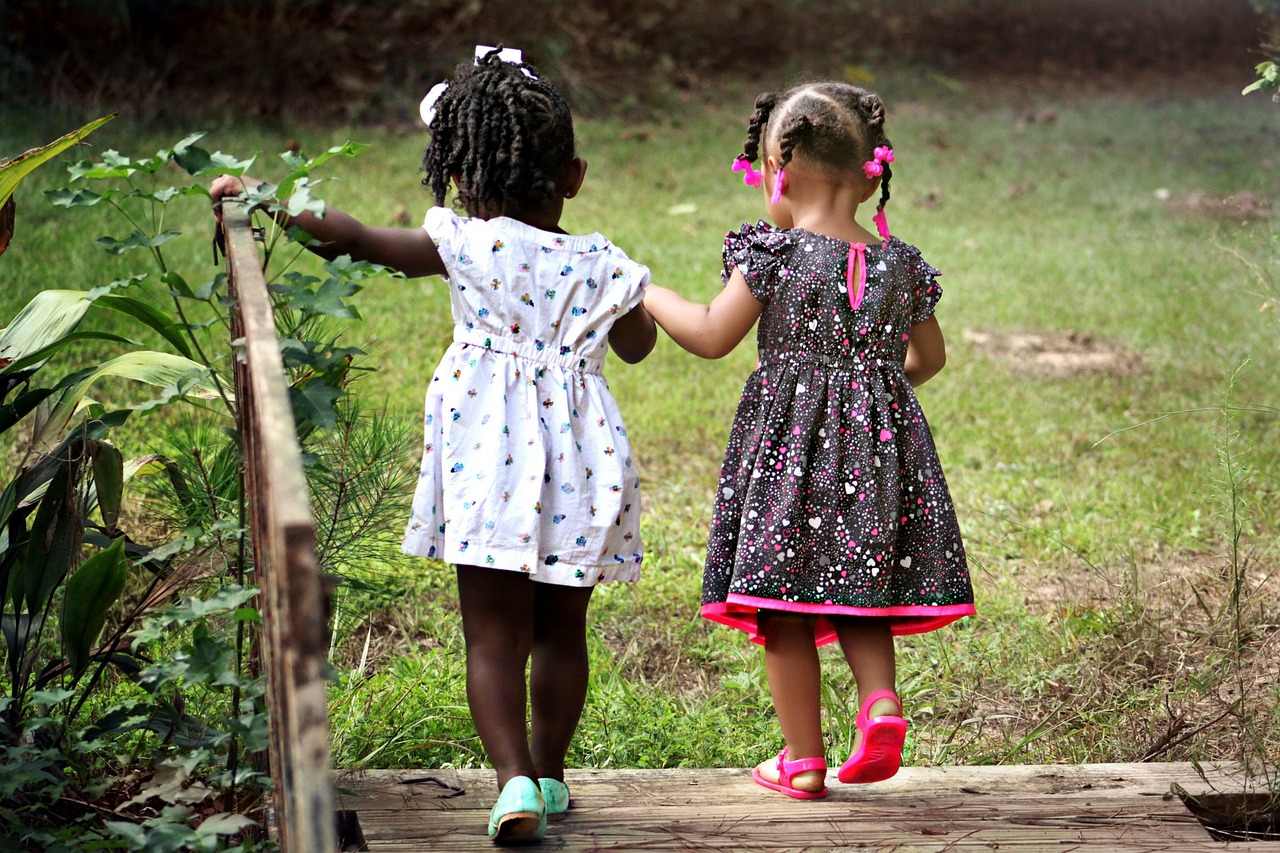
Sensory play is an essential part of early childhood development, and it is crucial for young children to engage in activities that stimulate their senses. Sensory experiences help children develop their brain, improve their cognitive skills, and enhance their creativity. In the context of early childhood education, sensory play refers to activities that allow children to explore and engage with their environment using their senses, including touch, taste, smell, hearing, and sight.
One of the key terms in sensory play is exploration, which refers to the process of discovering and learning about the environment through sensory experiences. Children are natural explorers, and they use their senses to gather information about the world around them. Sensory play provides children with the opportunity to explore and discover new textures, sounds, smells, tastes, and visuals, which helps to develop their sense of curiosity and wonder.
Another important term in sensory play is play-based learning, which refers to the approach of using play as a means of learning and development. Play-based learning is an effective way of teaching children new skills and concepts, as it allows them to learn through hands-on experiences and experimentation. In the context of sensory play, play-based learning involves providing children with a variety of materials and activities that stimulate their senses and encourage them to explore and learn.
Sensory play also involves the use of various materials and tools, such as playdough, sand, water, paint, and music instruments. These materials and tools provide children with a range of sensory experiences, from tactile and kinesthetic to auditory and visual. For example, playdough can be used to develop children's sense of touch and fine motor skills, while music instruments can be used to stimulate their sense of hearing and encourage creativity.
In addition to materials and tools, sensory play also involves the creation of environments that stimulate children's senses. This can include setting up sensory bins filled with rice, beans, or sand, creating a sensory garden with a variety of plants and textures, or designing a light table with colorful materials and objects. These environments provide children with a range of sensory experiences and encourage them to explore and learn.
Sensory play is not just limited to individual activities, but it can also be integrated into curriculum areas such as math, science, and literacy. For example, sensory play can be used to teach children about math concepts such as measurement and geometry, science concepts such as texture and buoyancy, and literacy skills such as reading and writing. By integrating sensory play into the curriculum, teachers can provide children with a more engaging and effective learning experience.
One of the challenges of implementing sensory play in early childhood education is providing children with a safe and supportive environment. This requires teachers to be aware of children's individual needs and abilities, as well as any potential allergies or sensitivities. Teachers must also be able to supervise children during sensory play activities and provide guidance and support when needed.
Another challenge of sensory play is planning and preparation. Teachers need to plan and prepare sensory play activities in advance, taking into account the materials and tools needed, as well as the time and space required. This can be time-consuming, especially for teachers who are new to sensory play or who have limited resources.
Despite these challenges, sensory play is a valuable and essential part of early childhood education. It provides children with a range of benefits, including improved cognitive skills, enhanced creativity, and better social and emotional development. By incorporating sensory play into their teaching practices, teachers can provide children with a more engaging and effective learning experience.
In terms of implementation, sensory play can be incorporated into daily routines and activities, such as circle time, outdoor play, and meal times. For example, teachers can use sensory play activities such as singing songs and playing music instruments during circle time, or providing children with outdoor materials such as sand and water during outdoor play.
Sensory play can also be used to support children's emotional and social development. For example, sensory play activities such as playdough and painting can be used to help children express and manage their emotions, while activities such as role-playing and dramatic play can be used to support children's social skills and relationships.
In addition to its benefits for children, sensory play also has benefits for teachers and practitioners. It provides teachers with a range of tools and strategies for engaging children in learning, as well as opportunities for professional development and growth. By incorporating sensory play into their teaching practices, teachers can improve their own practice and provide children with a more effective and engaging learning experience.
Sensory play is also closely linked to brain development, particularly in the areas of cognitive and motor skills. Research has shown that sensory play activities such as music and movement can stimulate brain development and improve cognitive skills, while activities such as playdough and puzzles can improve fine motor skills and hand-eye coordination.
Furthermore, sensory play can be used to support children's physical development, particularly in the areas of gross and fine motor skills. For example, sensory play activities such as obstacle courses and balance beams can be used to improve children's gross motor skills, while activities such as playdough and puzzles can be used to improve fine motor skills and hand-eye coordination.
In terms of assessment, sensory play can be used to assess children's learning and development, particularly in the areas of cognitive and motor skills. Teachers can use sensory play activities to observe children's behavior and development, and to identify areas where children may need additional support or challenge.
Sensory play can also be used to support children's cultural and linguistic diversity. For example, sensory play activities such as music and dance can be used to celebrate different cultures and languages, while activities such as cooking and food preparation can be used to introduce children to different cultural practices and traditions.
In addition to its benefits for children, sensory play also has benefits for families and communities. It provides families with opportunities to engage in learning and play with their children, and to develop stronger relationships and bonds. By incorporating sensory play into their daily routines and activities, families can improve their overall well-being and quality of life.
Sensory play is also closely linked to technology, particularly in the areas of digital media and virtual reality. Research has shown that digital media and virtual reality can be used to enhance sensory play experiences, particularly in the areas of visual and auditory development. For example, digital media such as apps and games can be used to provide children with interactive and engaging sensory play experiences, while virtual reality can be used to create immersive and interactive environments that simulate real-world experiences.
In terms of research, sensory play is a rapidly growing field, with new studies and findings being published regularly. Research has shown that sensory play has a range of benefits for children, including improved cognitive skills, enhanced creativity, and better social and emotional development. By staying up-to-date with the latest research and findings, teachers and practitioners can provide children with the most effective and engaging sensory play experiences.
Sensory play can also be used to support children's transition to school and other educational settings. For example, sensory play activities such as playdough and puzzles can be used to help children develop their fine motor skills and hand-eye coordination, while activities such as role-playing and dramatic play can be used to support children's social skills and relationships.
In addition to its benefits for children, sensory play also has benefits for teachers and practitioners.
Sensory play is also closely linked to policy and legislation, particularly in the areas of early childhood education and child development. Research has shown that policy and legislation can have a significant impact on the quality and availability of sensory play experiences for children, particularly in the areas of funding and resource allocation. By staying up-to-date with the latest policy and legislation, teachers and practitioners can advocate for children's rights and interests, and provide them with the most effective and engaging sensory play experiences.
In terms of practice, sensory play can be incorporated into daily routines and activities, such as circle time, outdoor play, and meal times.
Sensory play can also be used to support children's wellbeing and mental health.
Sensory play is also closely linked to neuroscience, particularly in the areas of brain development and neuroplasticity.
Furthermore, sensory play can be used to support children's communication and language development. For example, sensory play activities such as singing songs and playing music instruments can be used to stimulate children's auditory development, while activities such as playdough and puzzles can be used to improve children's fine motor skills and hand-eye coordination.
In terms of resources, sensory play can be implemented with a range of materials and tools, from everyday objects such as playdough and paint to more specialized equipment such as light tables and sensory bins. Teachers and practitioners can also use a range of resources such as books, websites, and training courses to support their practice and provide children with the most effective and engaging sensory play experiences.
Sensory play can also be used to support children's inclusion and diversity.
Sensory play is also closely linked to pedagogy, particularly in the areas of teaching and learning. Research has shown that sensory play can be used to support a range of pedagogical approaches, from play-based learning to project-based learning.
In terms of evaluation, sensory play can be evaluated using a range of methods and tools, from observation and assessment to feedback and reflection. Teachers and practitioners can use these methods and tools to evaluate the effectiveness of sensory play experiences, and to identify areas for improvement and development.
Sensory play can also be used to support children's creativity and imagination. For example, sensory play activities such as playdough and painting can be used to stimulate children's creativity and imagination, while activities such as role-playing and dramatic play can be used to support children's social skills and relationships.
Sensory play is also closely linked to education, particularly in the areas of early childhood education and child development. Research has shown that sensory play can be used to support a range of educational outcomes, from cognitive and motor skills to social and emotional development. By incorporating sensory play into their teaching practices, teachers can provide children with a more effective and engaging learning experience.
Furthermore, sensory play can be used to support children's physical and mental health. For example, sensory play activities such as outdoor play and sports can be used to improve children's physical health, while activities such as playdough and painting can be used to support children's mental health and wellbeing.
In terms of implementation, sensory play can be incorporated into daily routines and activities, such as circle time, outdoor play, and meal times.
Sensory play is also closely linked to community, particularly in the areas of family and community engagement. Research has shown that sensory play can be used to support family and community engagement, particularly in the areas of parent-child interaction and community-based learning. By incorporating sensory play into their daily routines and activities, families and communities can improve their overall well-being and quality of life.
In terms of policy, sensory play is closely linked to legislation and regulation, particularly in the areas of early childhood education and child development.
Sensory play can also be used to support children's social and emotional development. For example, sensory play activities such as role-playing and dramatic play can be used to support children's social skills and relationships, while activities such as playdough and painting can be used to help children express and manage their emotions.
Key takeaways
- In the context of early childhood education, sensory play refers to activities that allow children to explore and engage with their environment using their senses, including touch, taste, smell, hearing, and sight.
- Sensory play provides children with the opportunity to explore and discover new textures, sounds, smells, tastes, and visuals, which helps to develop their sense of curiosity and wonder.
- In the context of sensory play, play-based learning involves providing children with a variety of materials and activities that stimulate their senses and encourage them to explore and learn.
- For example, playdough can be used to develop children's sense of touch and fine motor skills, while music instruments can be used to stimulate their sense of hearing and encourage creativity.
- This can include setting up sensory bins filled with rice, beans, or sand, creating a sensory garden with a variety of plants and textures, or designing a light table with colorful materials and objects.
- For example, sensory play can be used to teach children about math concepts such as measurement and geometry, science concepts such as texture and buoyancy, and literacy skills such as reading and writing.
- One of the challenges of implementing sensory play in early childhood education is providing children with a safe and supportive environment.