
Urban Planning Principles
Urban planning principles are a set of guidelines that aim to create livable, sustainable, and equitable cities. These principles are based on the idea that cities should be designed to meet the needs of their inhabitants, while also protec…
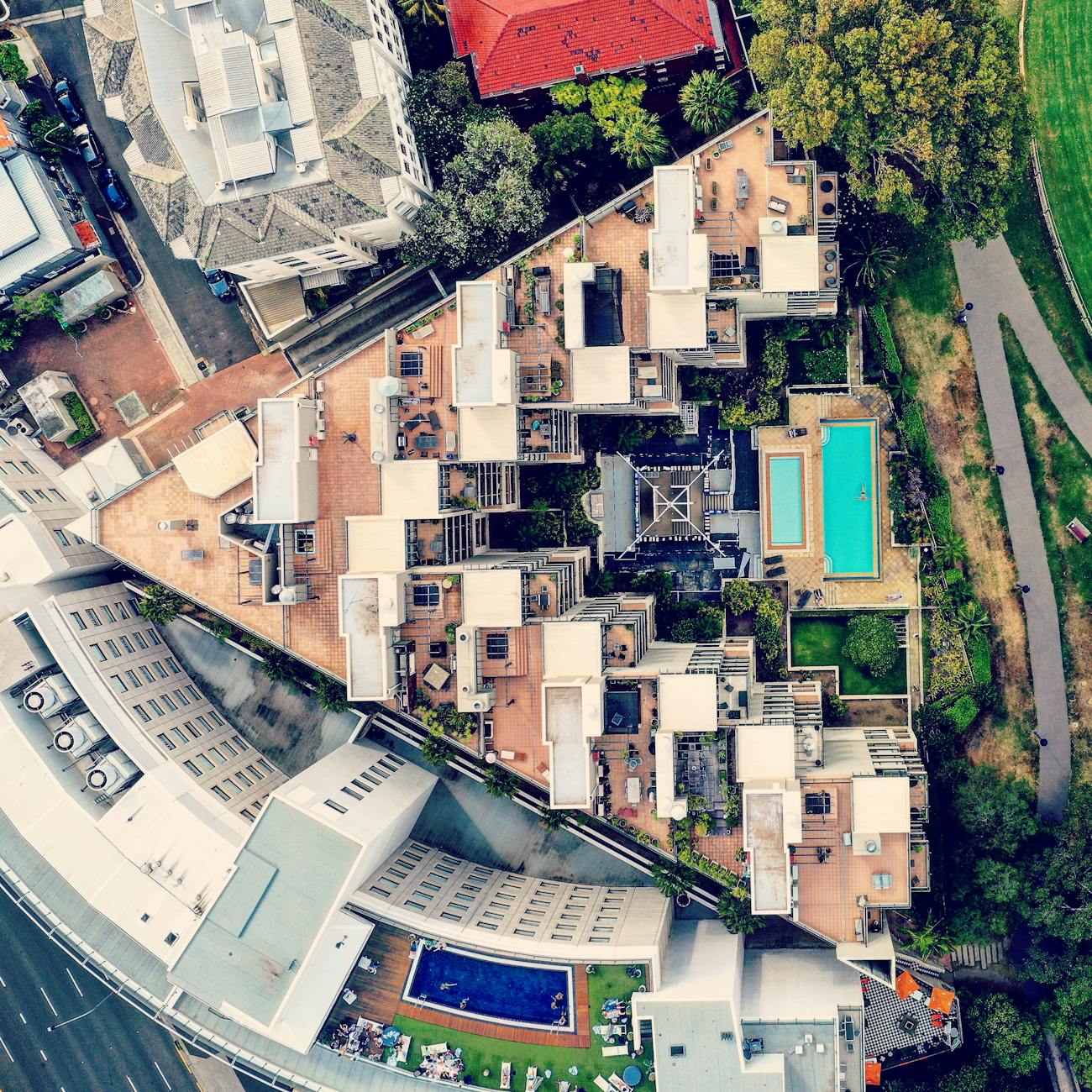
Urban planning principles are a set of guidelines that aim to create livable, sustainable, and equitable cities. These principles are based on the idea that cities should be designed to meet the needs of their inhabitants, while also protecting the environment and promoting economic growth. One of the key terms in urban planning is zoning, which refers to the process of dividing land into different areas for different uses, such as residential, commercial, or industrial. Zoning regulations can help to ensure that land is used in a way that is consistent with the city's overall plan and goals.
Another important concept in urban planning is density, which refers to the number of people or buildings per unit of land. Density can have a significant impact on the character and quality of life in a city, with higher densities often associated with more vibrant and dynamic neighborhoods. However, high densities can also lead to issues such as overcrowding, traffic congestion, and strain on local resources. Urban planners must balance the need for density with the need for green spaces, public amenities, and other community facilities.
The concept of sprawl is also relevant to urban planning, as it refers to the spread of urban development into surrounding rural or natural areas. Sprawl can lead to a range of problems, including traffic congestion, air pollution, and the loss of natural habitats. Urban planners often seek to mitigate the effects of sprawl by promoting more compact and connected forms of urban development, such as transit-oriented development (TOD). TOD involves the creation of dense, walkable neighborhoods around public transportation hubs, such as train stations or bus terminals.
Urban planners also use a range of tools and techniques to analyze and understand the urban environment. One of these tools is the GIS (Geographic Information System), which allows planners to create detailed maps and models of the urban landscape. GIS can be used to analyze data on population density, land use, transportation patterns, and other factors that are relevant to urban planning. Another important tool is the urban growth boundary, which is a line that marks the edge of urban development and separates it from surrounding rural or natural areas.
The concept of sustainability is also central to urban planning, as it refers to the ability of a city to maintain itself over time without depleting natural resources or harming the environment. Sustainable urban planning involves the creation of green spaces, the promotion of energy-efficient buildings, and the use of renewable energy sources. It also involves the creation of green infrastructure, such as parks, green roofs, and green walls, which can help to mitigate the effects of urbanization on the environment.
Urban planners must also consider the social and economic impacts of their decisions, particularly in terms of equity and accessibility. Equity refers to the principle of fairness and justice, and involves ensuring that all members of the community have access to the same opportunities and resources. Accessibility refers to the ability of people to move around the city safely and easily, regardless of their age, ability, or income. Urban planners can promote equity and accessibility by creating inclusive and connected communities, with a range of housing options, transportation choices, and community facilities.
The concept of resilience is also important in urban planning, as it refers to the ability of a city to withstand and recover from natural disasters, economic shocks, and other challenges. Resilient cities are those that are able to adapt and evolve in response to changing circumstances, and that have the capacity to absorb and recover from shocks. Urban planners can promote resilience by creating diverse and adaptable communities, with a range of economic, social, and environmental assets.
In terms of practical applications, urban planners use a range of techniques to engage with the community and involve them in the planning process. One of these techniques is participatory planning, which involves working closely with local residents, businesses, and other stakeholders to identify community needs and priorities. Another technique is visioning, which involves creating a shared vision for the future of the city and identifying the steps that need to be taken to achieve it.
Urban planners also use a range of evaluation techniques to assess the effectiveness of their plans and policies. One of these techniques is cost-benefit analysis, which involves weighing the costs and benefits of different planning options. Another technique is impact assessment, which involves analyzing the potential impacts of different planning decisions on the environment, economy, and community.
Despite the many advances that have been made in urban planning, there are still many challenges that need to be addressed. One of the biggest challenges is the issue of climate change, which is having a significant impact on cities around the world. Urban planners must find ways to mitigate the effects of climate change, such as sea-level rise, heat islands, and extreme weather events. Another challenge is the issue of inequality, which is a major problem in many cities. Urban planners must find ways to promote equity and fairness, and to ensure that all members of the community have access to the same opportunities and resources.
The concept of smart growth is also relevant to urban planning, as it refers to the idea of creating compact, walkable, and mixed-use communities that are designed to promote sustainability and reduce sprawl. Smart growth involves the creation of pedestrian-friendly environments, with a range of transportation options and community facilities. It also involves the promotion of mixed-use development, which involves combining different land uses, such as housing, retail, and office space, in a single development.
Urban planners must also consider the issue of transportation, which is a critical component of urban planning. Transportation systems can have a significant impact on the quality of life in a city, with good transportation systems promoting mobility and accessibility. Urban planners can promote sustainable transportation by investing in public transportation, such as buses, trains, and subways, and by creating pedestrian-friendly and bicycle-friendly environments.
The concept of placemaking is also important in urban planning, as it refers to the process of creating vibrant and dynamic public spaces that promote community engagement and social interaction. Placemaking involves the creation of public spaces, such as parks, plazas, and streets, that are designed to be accessible and enjoyable for all members of the community. It also involves the promotion of community events and activities, such as festivals, markets, and street performances, that help to bring people together and build a sense of community.
In terms of examples, the city of Copenhagen is often cited as a model of sustainable urban planning. Copenhagen has invested heavily in green infrastructure, such as parks, green roofs, and green walls, and has promoted the use of renewable energy sources, such as wind and biomass. The city has also created a range of pedestrian-friendly and bicycle-friendly environments, and has invested in public transportation systems, such as buses and trains.
Another example is the city of Curitiba in Brazil, which has been recognized for its innovative approach to urban planning. Curitiba has created a range of green spaces, such as parks and gardens, and has promoted the use of public transportation systems, such as buses and trains. The city has also invested in pedestrian-friendly and bicycle-friendly environments, and has created a range of community facilities, such as libraries, schools, and community centers.
The city of Barcelona is also a good example of urban planning in action. Barcelona has invested heavily in public spaces, such as parks, plazas, and streets, and has promoted the use of public transportation systems, such as buses and trains. The city has also created a range of pedestrian-friendly and bicycle-friendly environments, and has invested in green infrastructure, such as green roofs and green walls.
In terms of challenges, one of the biggest challenges facing urban planners is the issue of climate change. Climate change is having a significant impact on cities around the world, with rising temperatures, more frequent natural disasters, and changing weather patterns.
This can involve creating affordable housing options, promoting access to education and job training, and investing in community facilities, such as libraries, schools, and community centers.
The issue of transportation is also a major challenge facing urban planners.
In terms of practical applications, urban planners can use a range of techniques to engage with the community and involve them in the planning process.
Urban planners can also use a range of evaluation techniques to assess the effectiveness of their plans and policies.
Overall, urban planning is a complex and multifaceted field that requires a range of skills and knowledge. Urban planners must be able to analyze data, engage with the community, and develop effective plans and policies that promote sustainability, equity, and resilience. By using a range of techniques and tools, such as GIS, urban growth boundaries, and participatory planning, urban planners can help to create livable, sustainable, and equitable cities that meet the needs of all members of the community.
Key takeaways
- One of the key terms in urban planning is zoning, which refers to the process of dividing land into different areas for different uses, such as residential, commercial, or industrial.
- Density can have a significant impact on the character and quality of life in a city, with higher densities often associated with more vibrant and dynamic neighborhoods.
- Urban planners often seek to mitigate the effects of sprawl by promoting more compact and connected forms of urban development, such as transit-oriented development (TOD).
- Another important tool is the urban growth boundary, which is a line that marks the edge of urban development and separates it from surrounding rural or natural areas.
- The concept of sustainability is also central to urban planning, as it refers to the ability of a city to maintain itself over time without depleting natural resources or harming the environment.
- Urban planners can promote equity and accessibility by creating inclusive and connected communities, with a range of housing options, transportation choices, and community facilities.
- The concept of resilience is also important in urban planning, as it refers to the ability of a city to withstand and recover from natural disasters, economic shocks, and other challenges.