
Art Making And Self Expression
Art making and self-expression are fundamental components of the Certificate in Art Therapy program in Canada, as they provide a means for individuals to communicate their thoughts, feelings, and experiences in a unique and personal way. Th…
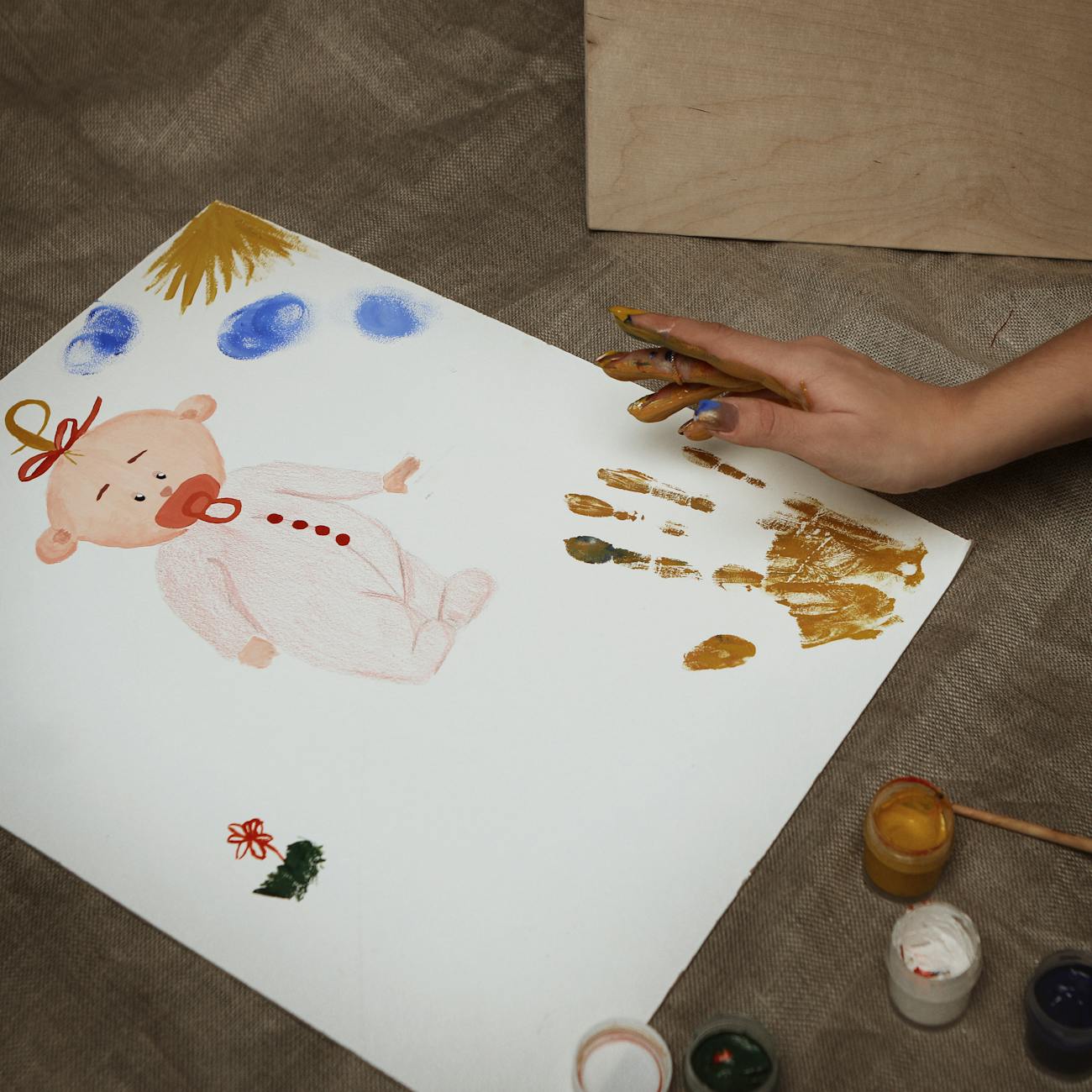
Art making and self-expression are fundamental components of the Certificate in Art Therapy program in Canada, as they provide a means for individuals to communicate their thoughts, feelings, and experiences in a unique and personal way. The process of creating art can be a powerful tool for self-discovery, allowing individuals to tap into their subconscious mind and express themselves in a way that transcends verbal language. Through the use of various art materials and techniques, individuals can convey their emotions, needs, and desires, and gain a deeper understanding of themselves and their place in the world.
The concept of self-expression is central to art making, as it refers to the ability to communicate one's thoughts, feelings, and experiences in a way that is authentic and meaningful. This can involve the use of various art forms, such as painting, drawing, sculpture, or other creative mediums. The process of self-expression can be therapeutic, as it allows individuals to process and release their emotions, and gain a sense of control and empowerment over their lives. For example, an individual who has experienced trauma may use art making as a way to express and process their emotions, and work through their experiences in a safe and supportive environment.
Art therapists use various techniques to facilitate art making and self-expression, including the use of guided imagery and other creative prompts. Guided imagery involves the use of visualization techniques to help individuals imagine and create art that reflects their thoughts, feelings, and experiences. This can involve the use of music, nature sounds, or other sensory stimuli to help individuals access their subconscious mind and tap into their creative potential. For instance, an art therapist may use guided imagery to help an individual imagine a safe and peaceful place, and then ask them to create a piece of art that reflects this image.
The process of art making can also involve the use of symbolism, which refers to the use of objects, colors, or other visual elements to represent abstract ideas or concepts. Symbolism can be a powerful tool for self-expression, as it allows individuals to convey complex emotions and ideas in a way that is both personal and universal. For example, an individual may use the symbol of a tree to represent growth, strength, and resilience, or the symbol of a bird to represent freedom and transcendence. Art therapists may use symbolism to help individuals identify and explore their thoughts, feelings, and experiences, and to gain a deeper understanding of themselves and their place in the world.
In addition to symbolism, art making can also involve the use of metaphor, which refers to the use of one object or concept to represent another. Metaphor can be a powerful tool for self-expression, as it allows individuals to convey complex emotions and ideas in a way that is both personal and universal. For example, an individual may use the metaphor of a journey to represent their life path, or the metaphor of a storm to represent their emotional state. Art therapists may use metaphor to help individuals identify and explore their thoughts, feelings, and experiences, and to gain a deeper understanding of themselves and their place in the world.
The process of art making can also involve the use of color, which can be a powerful tool for self-expression. Different colors can evoke different emotions and associations, and can be used to convey a range of feelings and ideas. For example, the color red may be associated with passion, energy, and excitement, while the color blue may be associated with calmness, serenity, and tranquility. Art therapists may use color to help individuals identify and explore their emotions, and to gain a deeper understanding of themselves and their place in the world.
In addition to color, art making can also involve the use of texture, which refers to the surface quality or "feel" of a material or object. Texture can be a powerful tool for self-expression, as it can evoke different emotions and associations, and can be used to convey a range of feelings and ideas. For example, the texture of sandpaper may be associated with roughness, grit, and determination, while the texture of silk may be associated with smoothness, softness, and luxury. Art therapists may use texture to help individuals identify and explore their emotions, and to gain a deeper understanding of themselves and their place in the world.
The process of art making can also involve the use of form, which refers to the overall shape or structure of a piece of art. Form can be a powerful tool for self-expression, as it can evoke different emotions and associations, and can be used to convey a range of feelings and ideas. For example, the form of a circle may be associated with unity, wholeness, and completeness, while the form of a triangle may be associated with balance, stability, and strength. Art therapists may use form to help individuals identify and explore their emotions, and to gain a deeper understanding of themselves and their place in the world.
In addition to form, art making can also involve the use of space, which refers to the negative areas or empty spaces within a piece of art. Space can be a powerful tool for self-expression, as it can evoke different emotions and associations, and can be used to convey a range of feelings and ideas. For example, the use of empty space may be associated with feelings of isolation, loneliness, or disconnection, while the use of crowded or cluttered space may be associated with feelings of overwhelm, chaos, or anxiety. Art therapists may use space to help individuals identify and explore their emotions, and to gain a deeper understanding of themselves and their place in the world.
The process of art making can also involve the use of line, which refers to the continuous mark or stroke used to create a piece of art. Line can be a powerful tool for self-expression, as it can evoke different emotions and associations, and can be used to convey a range of feelings and ideas. For example, the use of bold, expressive lines may be associated with confidence, energy, and spontaneity, while the use of thin, tentative lines may be associated with uncertainty, hesitation, or fear. Art therapists may use line to help individuals identify and explore their emotions, and to gain a deeper understanding of themselves and their place in the world.
In addition to line, art making can also involve the use of shape, which refers to the self-contained area or form within a piece of art. Shape can be a powerful tool for self-expression, as it can evoke different emotions and associations, and can be used to convey a range of feelings and ideas. For example, the use of geometric shapes may be associated with order, structure, and precision, while the use of organic shapes may be associated with freedom, spontaneity, and creativity. Art therapists may use shape to help individuals identify and explore their emotions, and to gain a deeper understanding of themselves and their place in the world.
The process of art making can also involve the use of value, which refers to the lightness or darkness of a color or object. Value can be a powerful tool for self-expression, as it can evoke different emotions and associations, and can be used to convey a range of feelings and ideas. For example, the use of high contrast values may be associated with drama, tension, or conflict, while the use of low contrast values may be associated with calmness, serenity, or peacefulness. Art therapists may use value to help individuals identify and explore their emotions, and to gain a deeper understanding of themselves and their place in the world.
In addition to value, art making can also involve the use of pattern, which refers to the repetition or arrangement of shapes, colors, or other visual elements within a piece of art. Pattern can be a powerful tool for self-expression, as it can evoke different emotions and associations, and can be used to convey a range of feelings and ideas. For example, the use of repetitive patterns may be associated with order, structure, and predictability, while the use of random or chaotic patterns may be associated with freedom, spontaneity, and creativity. Art therapists may use pattern to help individuals identify and explore their emotions, and to gain a deeper understanding of themselves and their place in the world.
The process of art making can also involve the use of media, which refers to the materials or tools used to create a piece of art. Media can be a powerful tool for self-expression, as it can evoke different emotions and associations, and can be used to convey a range of feelings and ideas. For example, the use of paint may be associated with expressiveness, spontaneity, and creativity, while the use of drawing tools may be associated with precision, control, and attention to detail. Art therapists may use media to help individuals identify and explore their emotions, and to gain a deeper understanding of themselves and their place in the world.
In addition to media, art making can also involve the use of technique, which refers to the methods or skills used to create a piece of art. Technique can be a powerful tool for self-expression, as it can evoke different emotions and associations, and can be used to convey a range of feelings and ideas. For example, the use of layering or glazing techniques may be associated with depth, complexity, and nuance, while the use of bold, expressive brushstrokes may be associated with energy, spontaneity, and creativity. Art therapists may use technique to help individuals identify and explore their emotions, and to gain a deeper understanding of themselves and their place in the world.
The process of art making can also involve the use of composition, which refers to the arrangement or organization of visual elements within a piece of art. Composition can be a powerful tool for self-expression, as it can evoke different emotions and associations, and can be used to convey a range of feelings and ideas. For example, the use of symmetrical composition may be associated with order, balance, and harmony, while the use of asymmetrical composition may be associated with freedom, spontaneity, and creativity. Art therapists may use composition to help individuals identify and explore their emotions, and to gain a deeper understanding of themselves and their place in the world.
In addition to composition, art making can also involve the use of context, which refers to the cultural, social, or personal background or environment in which a piece of art is created. Context can be a powerful tool for self-expression, as it can evoke different emotions and associations, and can be used to convey a range of feelings and ideas. For example, the use of cultural or traditional imagery may be associated with identity, community, and heritage, while the use of personal or autobiographical imagery may be associated with intimacy, vulnerability, and self-revelation. Art therapists may use context to help individuals identify and explore their emotions, and to gain a deeper understanding of themselves and their place in the world.
The process of art making can also involve the use of intention, which refers to the purpose or goal of creating a piece of art. Intention can be a powerful tool for self-expression, as it can evoke different emotions and associations, and can be used to convey a range of feelings and ideas. For example, the intention to create a piece of art that is beautiful or aesthetically pleasing may be associated with pleasure, enjoyment, and satisfaction, while the intention to create a piece of art that is meaningful or expressive may be associated with authenticity, honesty, and self-revelation. Art therapists may use intention to help individuals identify and explore their emotions, and to gain a deeper understanding of themselves and their place in the world.
In addition to intention, art making can also involve the use of reflection, which refers to the process of thinking about, analyzing, or interpreting a piece of art. Reflection can be a powerful tool for self-expression, as it can evoke different emotions and associations, and can be used to convey a range of feelings and ideas. For example, the reflection on a piece of art that is personal or autobiographical may be associated with intimacy, vulnerability, and self-revelation, while the reflection on a piece of art that is cultural or traditional may be associated with identity, community, and heritage. Art therapists may use reflection to help individuals identify and explore their emotions, and to gain a deeper understanding of themselves and their place in the world.
The process of art making can also involve the use of evaluation, which refers to the process of judging or assessing the quality or value of a piece of art. Evaluation can be a powerful tool for self-expression, as it can evoke different emotions and associations, and can be used to convey a range of feelings and ideas. For example, the evaluation of a piece of art that is technically skilled or proficient may be associated with pride, satisfaction, and accomplishment, while the evaluation of a piece of art that is expressive or meaningful may be associated with authenticity, honesty, and self-revelation. Art therapists may use evaluation to help individuals identify and explore their emotions, and to gain a deeper understanding of themselves and their place in the world.
In addition to evaluation, art making can also involve the use of feedback, which refers to the process of receiving or providing information or guidance about a piece of art. Feedback can be a powerful tool for self-expression, as it can evoke different emotions and associations, and can be used to convey a range of feelings and ideas. For example, the feedback on a piece of art that is positive or supportive may be associated with encouragement, motivation, and confidence, while the feedback on a piece of art that is negative or critical may be associated with discouragement, frustration, or self-doubt. Art therapists may use feedback to help individuals identify and explore their emotions, and to gain a deeper understanding of themselves and their place in the world.
The process of art making can also involve the use of iteration, which refers to the process of repeating or revising a piece of art in order to refine or improve it. Iteration can be a powerful tool for self-expression, as it can evoke different emotions and associations, and can be used to convey a range of feelings and ideas. For example, the iteration on a piece of art that is personal or autobiographical may be associated with intimacy, vulnerability, and self-revelation, while the iteration on a piece of art that is cultural or traditional may be associated with identity, community, and heritage. Art therapists may use iteration to help individuals identify and explore their emotions, and to gain a deeper understanding of themselves and their place in the world.
In addition to iteration, art making can also involve the use of experimentation, which refers to the process of trying or testing new materials, techniques, or ideas in order to create a piece of art. Experimentation can be a powerful tool for self-expression, as it can evoke different emotions and associations, and can be used to convey a range of feelings and ideas. For example, the experimentation with new materials or techniques may be associated with creativity, innovation, and risk-taking, while the experimentation with new ideas or concepts may be associated with curiosity, exploration, and discovery. Art therapists may use experimentation to help individuals identify and explore their emotions, and to gain a deeper understanding of themselves and their place in the world.
The process of art making can also involve the use of improvisation, which refers to the process of creating a piece of art spontaneously or without prior planning or preparation. Improvisation can be a powerful tool for self-expression, as it can evoke different emotions and associations, and can be used to convey a range of feelings and ideas. For example, the improvisation on a piece of art that is personal or autobiographical may be associated with intimacy, vulnerability, and self-revelation, while the improvisation on a piece of art that is cultural or traditional may be associated with identity, community, and heritage. Art therapists may use improvisation to help individuals identify and explore their emotions, and to gain a deeper understanding of themselves and their place in the world.
In addition to improvisation, art making can also involve the use of play, which refers to the process of engaging in creative or imaginative activities for enjoyment or pleasure. Play can be a powerful tool for self-expression, as it can evoke different emotions and associations, and can be used to convey a range of feelings and ideas. For example, the play with art materials or techniques may be associated with creativity, spontaneity, and joy, while the play with cultural or traditional imagery may be associated with identity, community, and heritage. Art therapists may use play to help individuals identify and explore their emotions, and to gain a deeper understanding of themselves and their place in the world.
The process of art making can also involve the use of ritual, which refers to the process of creating a piece of art as a way of honoring or acknowledging a particular person, place, or experience. Ritual can be a powerful tool for self-expression, as it can evoke different emotions and associations, and can be used to convey a range of feelings and ideas. For example, the ritual of creating a piece of art to honor a loved one may be associated with love, gratitude, and remembrance, while the ritual of creating a piece of art to acknowledge a particular experience or event may be associated with reflection, insight, and growth. Art therapists may use ritual to help individuals identify and explore their emotions, and to gain a deeper understanding of themselves and their place in the world.
In addition to ritual, art making can also involve the use of storytelling, which refers to the process of creating a narrative or story through a piece of art. Storytelling can be a powerful tool for self-expression, as it can evoke different emotions and associations, and can be used to convey a range of feelings and ideas. For example, the storytelling through a piece of art that is personal or autobiographical may be associated with intimacy, vulnerability, and self-revelation, while the storytelling through a piece of art that is cultural or traditional may be associated with identity, community, and heritage. Art therapists may use storytelling to help individuals identify and explore their emotions, and to gain a deeper understanding of themselves and their place in the world.
The process of art making can also involve the use of journaling, which refers to the process of writing or reflecting on a piece of art in order to gain insight or understanding. Journaling can be a powerful tool for self-expression, as it can evoke different emotions and associations, and can be used to convey a range of feelings and ideas. For example, the journaling about a piece of art that is personal or autobiographical may be associated with intimacy, vulnerability, and self-revelation, while the journaling about a piece of art that is cultural or traditional may be associated with identity, community, and heritage. Art therapists may use journaling to help individuals identify and explore their emotions, and to gain a deeper understanding of themselves and their place in the world.
In addition to journaling, art making can also involve the use of dialogue, which refers to the process of engaging in conversation or discussion about a piece of art. Dialogue can be a powerful tool for self-expression, as it can evoke different emotions and associations, and can be used to convey a range of feelings and ideas. For example, the dialogue about a piece of art that is personal or autobiographical may be associated with intimacy, vulnerability, and self-revelation, while the dialogue about a piece of art that is cultural or traditional may be associated with identity, community, and heritage. Art therapists may use dialogue to help individuals identify and explore their emotions, and to gain a deeper understanding of themselves and their place in the world.
The process of art making can also involve the use of observation, which refers to the process of paying attention to or noticing the details or characteristics of a piece of art. Observation can be a powerful tool for self-expression, as it can evoke different emotions and associations, and can be used to convey a range of feelings and ideas. For example, the observation of a piece of art that is personal or autobiographical may be associated with intimacy, vulnerability, and self-revelation, while the observation of a piece of art that is cultural or traditional may be associated with identity, community, and heritage. Art therapists may use observation to help individuals identify and explore their emotions, and to gain a deeper understanding of themselves and their place in the world.
In addition to observation, art making can also involve the use of description, which refers to the process of describing or characterizing a piece of art in words. Description can be a powerful tool for self-expression, as it can evoke different emotions and associations, and can be used to convey a range of feelings and ideas. For example, the description of a piece of art that is personal or autobiographical may be associated with intimacy, vulnerability, and self-revelation, while the description of a piece of art that is cultural or traditional may be associated with identity, community, and heritage. Art therapists may use description to help individuals identify and explore their emotions, and to gain a deeper understanding of themselves and their place in the world.
The process of art making can also involve the use of analysis, which refers to the process of breaking down or examining a piece of art in order to understand its components or meaning. Analysis can be a powerful tool for self-expression, as it can evoke different emotions and associations, and can be used to convey a range of feelings and ideas. For example, the analysis of a piece of art that is personal or autobiographical may be associated with intimacy, vulnerability, and self-revelation, while the analysis of a piece of art that is cultural or traditional may be associated with identity, community, and heritage. Art therapists may use analysis to help individuals identify and explore their emotions, and to gain a deeper understanding of themselves and their place in the world.
In addition to analysis, art making can also involve the use of interpretation, which refers to the process of assigning meaning or significance to a piece of art. Interpretation can be a powerful tool for self-expression, as it can evoke different emotions and associations, and can be used to convey a range of feelings and ideas. For example, the interpretation of a piece of art that is personal or autobiographical may be associated with intimacy, vulnerability, and self-revelation, while the interpretation of a piece of art that is cultural or traditional may be associated with identity, community, and heritage. Art therapists may use interpretation to help individuals identify and explore their emotions, and to gain a deeper understanding of themselves and their place in the world.
The process of art making can also involve the use of critique, which refers to the process of evaluating or judging a piece of art in order to provide feedback or guidance. Critique can be a powerful tool for self-expression, as it can evoke different emotions and associations, and can be used to convey a range of feelings and ideas. For example, the critique of a piece of art that is personal or autobiographical may be associated with intimacy, vulnerability, and self-revelation, while the critique of a piece of art that is cultural or traditional may be associated with identity, community, and heritage. Art therapists may use critique to help individuals identify and explore their emotions, and to gain a deeper understanding of themselves and their place in the world.
In addition to critique, art making can also involve the use of revision, which refers to the process of revising or reworking a piece of art in order to improve or refine it. Revision can be a powerful tool for self-expression, as it can evoke different emotions and associations, and can be used to convey a range of feelings and ideas. For example, the revision of a piece of art that is personal or autobiographical may be associated with intimacy, vulnerability, and self-revelation, while the revision of a piece of art that is cultural or traditional may be associated with identity, community, and heritage. Art therapists may use revision to help individuals identify and explore their emotions, and to gain a deeper understanding of themselves and their place in the world.
The process of art making can also involve the use of editing, which refers to the process of selecting or refining a piece of art in order to present it in its best or most effective form. Editing can be a powerful tool for self-expression, as it can evoke different emotions and associations, and can be used to convey a range of feelings and ideas. For example, the editing of a piece of art that is personal or autobiographical may be associated with intimacy, vulnerability, and self-revelation, while the editing of a piece of art that is cultural or traditional may be associated with identity, community, and heritage. Art therapists may use editing to help individuals identify and explore their emotions, and to gain a deeper understanding of themselves and their place in the world.
In addition to editing, art making can also involve the use of presentation, which refers to the process of displaying or sharing a piece of art with others. Presentation can be a powerful tool for self-expression, as it can evoke different emotions and associations, and can be used to convey a range of feelings and ideas. For example, the presentation of a piece of art that is personal or autobiographical may be associated with intimacy, vulnerability, and self-revelation, while the presentation of a piece of art that is cultural or traditional may be associated with identity, community, and heritage. Art therapists may use presentation to help individuals identify and explore their emotions, and to gain a deeper understanding of themselves and their place in the world.
The process of art making can also involve the use of exhibition, which refers to the process of displaying or showcasing a piece of art in a public or formal setting. Exhibition can be a powerful tool for self-expression, as it can evoke different emotions and associations, and can be used to convey a range of feelings and ideas. For example, the exhibition of a piece of art that is personal or autobiographical may be associated with intimacy, vulnerability, and self-revelation, while the exhibition of a piece of art that is cultural or traditional may be associated with identity, community, and heritage. Art therapists may use exhibition to help individuals identify and explore their emotions, and to gain a deeper understanding of themselves and their place in the world.
In addition to exhibition, art making can also involve the use of documentation, which refers to the process of recording or preserving a piece of art in order to maintain its integrity or significance. Documentation can be a powerful tool for self-expression, as it can evoke different emotions and associations, and can be used to convey a range of feelings and ideas. For example, the documentation of a piece of art that is personal or autobiographical may be associated with intimacy, vulnerability, and self-revelation, while the documentation of a piece of art that is cultural or traditional may be associated with identity, community, and heritage. Art therapists may use documentation to help individuals identify and explore their emotions, and to gain a deeper understanding of themselves and their place in the world.
The process of art making can also involve the use of preservation, which refers to the process of protecting or conserving a piece of art in order to maintain its integrity or significance. Preservation can be a powerful tool for self-expression, as it can evoke different emotions and associations, and can be used to convey a range of feelings and ideas. For example, the preservation of a piece of art that is personal or autobiographical may be associated with intimacy, vulnerability, and self-revelation, while the preservation of a piece of art that is cultural or traditional may be associated with identity, community, and heritage. Art therapists may use preservation to help individuals identify and explore their emotions, and to gain a deeper understanding of themselves and their place in the world.
In addition to preservation, art making can also involve the use of restoration, which refers to the process of repairing or restoring a piece of art in order to return it to its original condition or state. Restoration can be a powerful tool for self-expression, as it can evoke different emotions and associations, and can be used to convey a range of feelings and ideas. For example, the restoration of a piece of art that is personal or autobiographical may be associated with intimacy, vulnerability, and self-revelation, while the restoration of a piece of art that is cultural or traditional may be associated with identity, community, and heritage. Art therapists may use restoration to help individuals identify and explore their emotions, and to gain a deeper understanding of themselves and their place in the world.
The process of art making can also involve the use of conservation, which refers to the process of protecting or preserving a piece of art in order to maintain its integrity or significance. Conservation can be a powerful tool for self-expression, as it can evoke different emotions and associations, and can be used to convey a range of feelings and ideas. For example, the conservation of a piece of art that is personal or autobiographical may be associated with intimacy, vulnerability, and self-revelation, while the conservation of a piece of art that is cultural or traditional may be associated with identity, community, and heritage. Art therapists may use conservation to help individuals identify and explore their emotions, and to gain a deeper understanding of themselves and their place in the world.
In addition to conservation, art making can also involve the use of education, which refers to the process of teaching or learning about art in order to gain knowledge or understanding. Education can be a powerful tool for self-expression, as it can evoke different emotions and associations, and can be used to convey a range of feelings and ideas. For example, the education about a piece of art that is personal or autobiographical may be associated with intimacy, vulnerability, and self-revelation, while the education about a piece of art that is cultural or traditional may be associated with identity, community, and heritage. Art therapists may use education to help individuals identify and explore their emotions, and to gain a deeper understanding of themselves and their place in the world.
The process of art making can also involve the use of community, which refers to the process of creating or engaging with a group of people who share a common interest or goal. Community can be a powerful tool for self-expression, as it can evoke different emotions and associations, and can be used to convey a range of feelings and ideas. For example, the community of artists who create personal or autobiographical art may be associated with intimacy, vulnerability, and self-revelation, while the community of artists who create cultural or traditional art may be associated with identity, community, and heritage. Art therapists may use community to help individuals identify and explore their emotions, and to gain a deeper understanding of themselves and their place in the world.
In addition to community, art making can also involve the use of collaboration, which refers to the process of working together with others to create a piece of art. Collaboration can be a powerful tool for self-expression, as it can evoke different emotions and associations, and can be used to convey a range of feelings and ideas. For example, the collaboration on a piece of art that is personal or autobiographical may be associated with intimacy, vulnerability, and self-revelation, while the collaboration on a piece of art that is cultural or traditional may be associated with identity, community, and heritage. Art therapists may use collaboration to help individuals identify and explore their emotions, and to gain a deeper understanding of themselves and their place in the world.
The process of art making can also involve the use of technology, which refers to the use of digital tools or software to create or manipulate a piece of art. Technology can be a powerful tool for self-expression, as it can evoke different emotions and associations, and can be used to convey a range of feelings and ideas. For example, the use of digital painting or drawing tools may be associated with creativity, spontaneity, and experimentation, while the use of digital photography or editing software may be associated with precision, control, and attention to detail. Art therapists may use technology to help individuals identify and explore their emotions, and to gain a deeper understanding of themselves and their place in the world.
In addition to technology, art making can also involve the use of innovation, which refers to the process of creating or introducing new or original ideas, methods, or materials into the process of art making. Innovation can be a powerful tool for self-expression, as it can evoke different emotions and associations, and can be used to convey a range of feelings and ideas. For example, the innovation of new art forms or techniques may be associated with creativity, experimentation, and risk-taking, while the innovation of new materials or technologies may be associated with precision, control, and attention to detail. Art therapists may use innovation to help individuals identify and explore their emotions, and to gain a deeper understanding of themselves and their place in the world.
The process of art making can also involve the use of tradition, which refers to the use of established or conventional methods, materials, or forms in the creation of a piece of art. Tradition can be a powerful tool for self-expression, as it can evoke different emotions and associations, and can be used to convey a range of feelings and ideas. For example, the use of traditional art forms or techniques may be associated with identity, community, and heritage, while the use of traditional materials or technologies may be associated with precision, control, and attention to detail. Art therapists may use tradition to help individuals identify and explore their emotions, and to gain a deeper understanding of themselves and their place in the world.
In addition to tradition, art making can also involve the use of hybridity, which refers to the combination or blending of different art forms, styles, or techniques to create a new or unique piece of art. Hybridity can be a powerful tool for self-expression, as it can evoke different emotions and associations, and can be used to convey a range of feelings and ideas. For example, the combination of traditional and digital art forms may be associated with creativity, experimentation, and innovation, while the combination of different cultural or artistic traditions may be associated with identity, community, and heritage. Art therapists may use hybridity to help individuals identify and explore their emotions, and to gain a deeper understanding of themselves and their place in the world.
The process of art making can also involve the use of narrative, which refers to the use of storytelling or narrative techniques to convey meaning or significance in a piece of art. Narrative can be a powerful tool for self-expression, as it can evoke different emotions and associations, and can be used to convey a range of feelings and ideas. For example, the use of narrative in a piece of art that is personal or autobiographical may be associated with intimacy, vulnerability, and self-revelation, while the use of narrative in a piece of art that is cultural or traditional may be associated with identity, community, and heritage. Art therapists may use narrative to help individuals identify and explore their emotions, and to gain a deeper understanding of themselves and their place in the world.
In addition to narrative, art making can also involve the use of poetry, which refers to the use of language or verse to convey meaning or significance in a piece of art. Poetry can be a powerful tool for self-expression, as it can evoke different emotions and associations, and can be used to convey a range of feelings and ideas. For example, the use of poetry in a piece of art that is personal or autobiographical may be associated with intimacy, vulnerability, and self-revelation, while the use of poetry in a piece of art that is cultural or traditional may be associated with identity, community, and heritage. Art therapists may use poetry to help individuals identify and explore their emotions, and to gain a deeper understanding of themselves and their place in the world.
The process of art making can also involve the use of music, which refers to the use of sound or music to convey meaning or significance in a piece of art. Music can be a powerful tool for self-expression, as it can evoke different emotions and associations, and can be used to convey a range of feelings and ideas. For example, the use of music in a piece of art that is personal or autobiographical may be associated with intimacy, vulnerability, and self-revelation, while the use of music in a piece of art that is cultural or traditional may be associated with identity, community, and heritage. Art therapists may use music to help individuals identify and explore their emotions, and to gain a deeper understanding of themselves and their place in the world.
In addition to music, art making can also involve the use of dance, which refers to the use of movement or dance to convey meaning or significance in a piece of art. Dance can be a powerful tool for self-expression, as it can evoke different emotions and associations, and can be used to convey a range of feelings and ideas. For example, the use of dance in a piece of art that is personal or autobiographical may be associated with intimacy, vulnerability, and self-revelation, while the use of dance in a piece of art that is cultural or traditional may be associated with identity, community, and heritage. Art therapists may use dance to help individuals identify and explore their emotions, and to gain a deeper understanding of themselves and their place in the world.
The process of art making can also involve the use of theater, which refers to the use of performance or drama to convey meaning or significance in a piece of art. Theater can be a powerful tool for self-expression, as it can evoke different emotions and associations, and can be used to convey a range of feelings and ideas. For example, the use of theater in a piece of art that is personal or autobiographical may be associated with intimacy, vulnerability, and self-revelation, while the use of theater in a piece of art that is cultural or traditional may be associated with identity, community, and heritage. Art therapists may use theater to help individuals identify and explore their emotions, and to gain a deeper understanding of themselves and their place in the world.
In addition to theater, art making can also involve the use of performance, which refers to the use of live or interactive elements to convey meaning or significance in a piece of art. Performance can be a powerful tool for self-expression, as it can evoke different emotions and associations, and can be used to convey a range of feelings and ideas. For example, the use of performance in a piece of art that is personal or autobiographical may be associated with intimacy, vulnerability, and self-revelation, while the use of performance in a piece of art that is cultural or traditional may be associated with identity, community, and heritage. Art therapists may use performance to help individuals identify and explore their emotions, and to gain a deeper understanding of themselves and their place in the world.
The process of art making can also involve the use of installation, which refers to the use of three-dimensional or environmental elements to convey meaning or significance in a piece of art.
Key takeaways
- Art making and self-expression are fundamental components of the Certificate in Art Therapy program in Canada, as they provide a means for individuals to communicate their thoughts, feelings, and experiences in a unique and personal way.
- For example, an individual who has experienced trauma may use art making as a way to express and process their emotions, and work through their experiences in a safe and supportive environment.
- For instance, an art therapist may use guided imagery to help an individual imagine a safe and peaceful place, and then ask them to create a piece of art that reflects this image.
- Art therapists may use symbolism to help individuals identify and explore their thoughts, feelings, and experiences, and to gain a deeper understanding of themselves and their place in the world.
- Art therapists may use metaphor to help individuals identify and explore their thoughts, feelings, and experiences, and to gain a deeper understanding of themselves and their place in the world.
- Art therapists may use color to help individuals identify and explore their emotions, and to gain a deeper understanding of themselves and their place in the world.
- For example, the texture of sandpaper may be associated with roughness, grit, and determination, while the texture of silk may be associated with smoothness, softness, and luxury.