
Subsea Processing and Boosting
Subsea processing and boosting are crucial aspects of the oil and gas industry, particularly in deepwater environments. This explanation will cover key terms and vocabulary related to these topics, providing detailed and comprehensive infor…
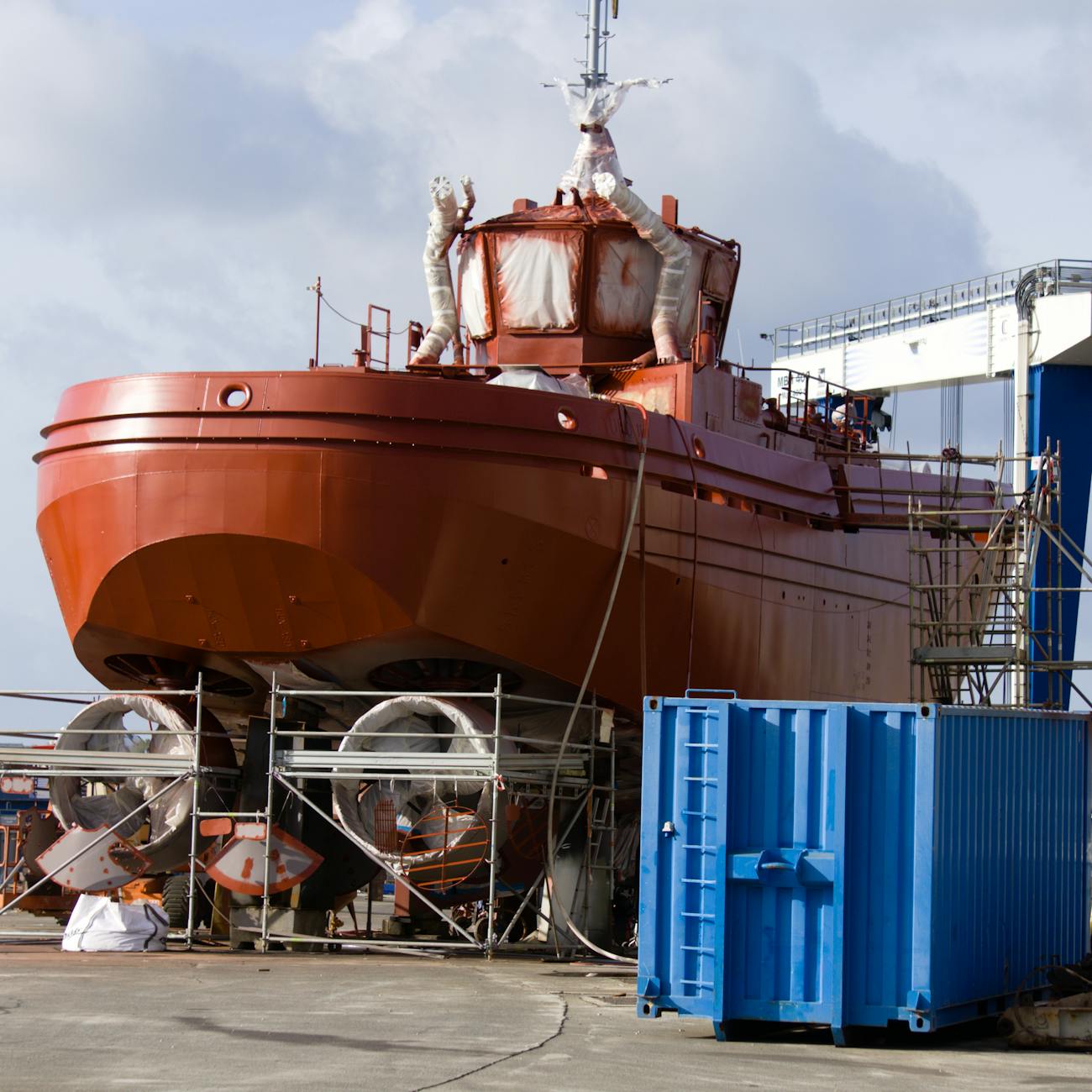
Subsea processing and boosting are crucial aspects of the oil and gas industry, particularly in deepwater environments. This explanation will cover key terms and vocabulary related to these topics, providing detailed and comprehensive information for the Postgraduate Certificate in Subsea Engineering.
1. Subsea Processing: * Multiphase Pumping: A method used to transport multiphase fluids (oil, gas, and water) from the seabed to the surface. This involves the use of multiphase pumps to increase the pressure and flow rate of the fluids. * Separation: The process of separating multiphase fluids into their individual components (oil, gas, and water) at the seabed. This is typically done using a separator vessel or module. * Boosting: The process of increasing the pressure of fluids at the seabed to enable them to be transported to the surface. This is typically done using a booster pump. * Metering: The process of measuring the volume and/or mass of fluids at the seabed. This is typically done using a flow meter. * Injection: The process of injecting fluids (such as water or gas) into the reservoir to maintain reservoir pressure and enhance oil recovery. 1. Boosting: * Booster Pump: A pump used to increase the pressure of fluids at the seabed. This is typically done to enable the fluids to be transported to the surface. * Drive System: The system used to power the booster pump. This can be an electric motor, a hydraulic motor, or a gas turbine. * Power Supply: The source of power for the booster pump. This can be a subsea electrical cable, a hydraulic umbilical, or a gas supply line. * Control System: The system used to control the operation of the booster pump. This can be a subsea control module (SCM) or a remote control system. * Protection System: The system used to protect the booster pump from overpressure, over temperature, or other adverse conditions.
Examples of subsea processing and boosting systems include:
* Subsea Multiphase Pumping Systems: These systems consist of a multiphase pump, a separator, and a metering system, all located on the seabed. The multiphase pump is used to transport the multiphase fluids to the surface, while the separator and metering system are used to separate and measure the individual components. * Subsea Booster Pump Systems: These systems consist of a booster pump and a drive system, all located on the seabed. The booster pump is used to increase the pressure of the fluids, while the drive system is used to power the pump. * Subsea Injection Systems: These systems consist of an injection pump and a control system, all located on the seabed. The injection pump is used to inject fluids into the reservoir, while the control system is used to control the operation of the pump.
Practical applications of subsea processing and boosting include:
* Increasing Recovery: By boosting the pressure of fluids at the seabed, it is possible to increase the recovery of oil and gas from a reservoir. This is particularly important in deepwater environments, where the pressure is typically lower than onshore. * Reducing Costs: By processing and boosting fluids at the seabed, it is possible to reduce the cost of transporting them to the surface. This is because the fluids are already at a higher pressure, which reduces the amount of energy required to transport them. * Improving Safety: By processing and boosting fluids at the seabed, it is possible to reduce the number of people and equipment required on the surface. This improves safety by reducing the risk of accidents and incidents.
Challenges associated with subsea processing and boosting include:
* Complexity: Subsea processing and boosting systems are complex, requiring a high level of engineering and technical expertise. This can make them difficult to design, install, and operate. * Reliability: Subsea processing and boosting systems are subject to a harsh environment, which can affect their reliability. This is particularly true in deepwater environments, where the pressure and temperature are higher than onshore. * Maintenance: Subsea processing and boosting systems require regular maintenance to ensure their continued operation. This can be challenging, particularly in deepwater environments where the systems are located at great depths.
In conclusion, subsea processing and boosting are important aspects of the oil and gas industry, particularly in deepwater environments. Understanding the key terms and vocabulary related to these topics is crucial for the Postgraduate Certificate in Subsea Engineering. By increasing recovery, reducing costs, and improving safety, subsea processing and boosting can help to maximize the economic benefits of offshore oil and gas production. However, the complexity, reliability, and maintenance challenges associated with these systems must also be carefully considered.
Key takeaways
- This explanation will cover key terms and vocabulary related to these topics, providing detailed and comprehensive information for the Postgraduate Certificate in Subsea Engineering.
- * Injection: The process of injecting fluids (such as water or gas) into the reservoir to maintain reservoir pressure and enhance oil recovery.
- The multiphase pump is used to transport the multiphase fluids to the surface, while the separator and metering system are used to separate and measure the individual components.
- * Improving Safety: By processing and boosting fluids at the seabed, it is possible to reduce the number of people and equipment required on the surface.
- * Complexity: Subsea processing and boosting systems are complex, requiring a high level of engineering and technical expertise.
- By increasing recovery, reducing costs, and improving safety, subsea processing and boosting can help to maximize the economic benefits of offshore oil and gas production.