
* Investigative Techniques for Cryptocurrency Exchanges
Cryptocurrency Exchanges: Cryptocurrency exchanges are online platforms where buyers and sellers can trade cryptocurrencies for other digital or traditional currencies. Cryptocurrency exchanges can be classified into three categories: tradi…
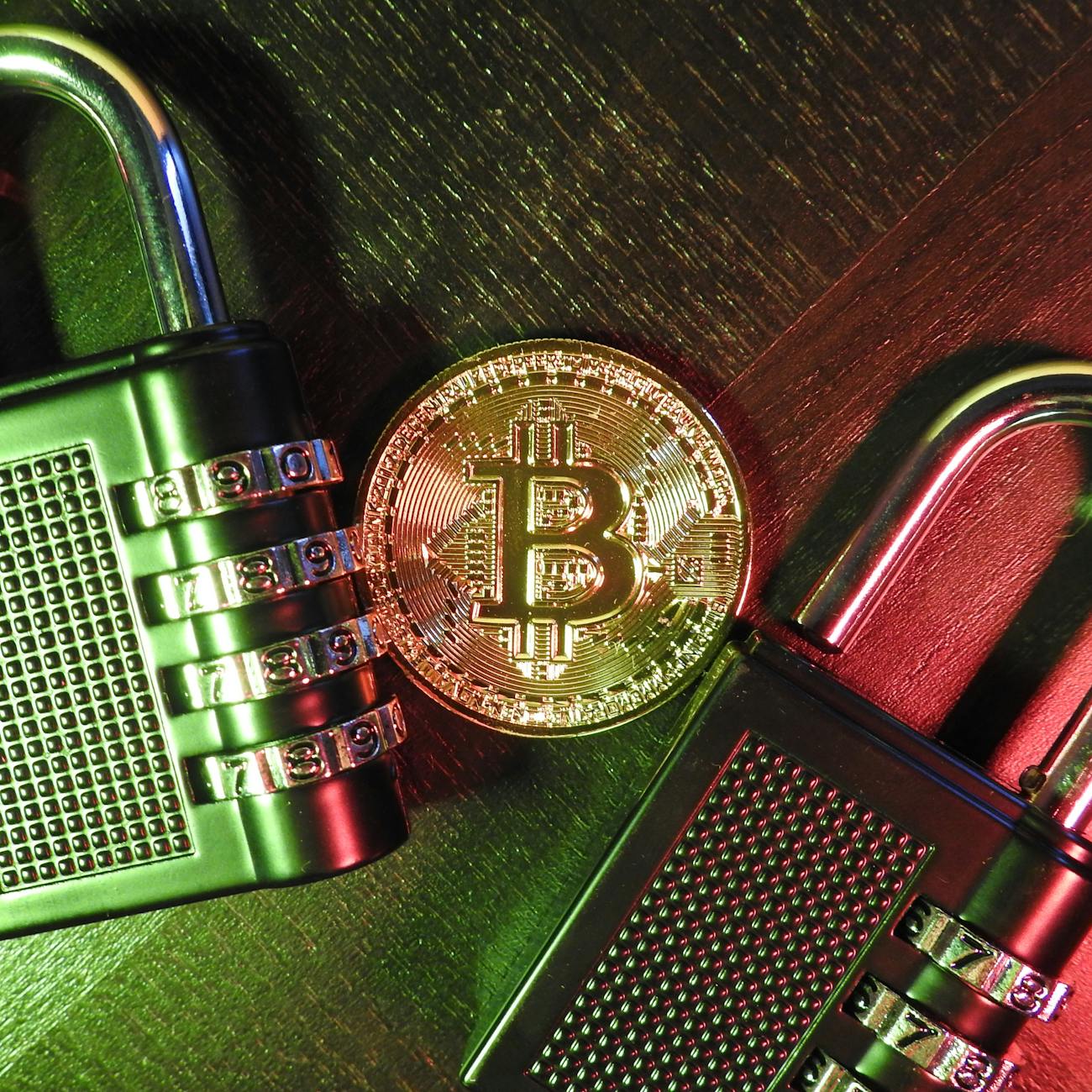
Cryptocurrency Exchanges: Cryptocurrency exchanges are online platforms where buyers and sellers can trade cryptocurrencies for other digital or traditional currencies. Cryptocurrency exchanges can be classified into three categories: traditional currency exchanges, cryptocurrency-to-cryptocurrency exchanges, and hybrid exchanges. Examples of popular cryptocurrency exchanges include Coinbase, Binance, and Kraken.
Investigative Techniques: Investigative techniques for cryptocurrency exchanges involve the use of various methods and tools to track, analyze, and investigate cryptocurrency transactions and activities. These techniques can help identify fraudulent activities, money laundering, and other illegal activities. Examples of investigative techniques include blockchain analysis, transaction monitoring, and identity verification.
Blockchain Analysis: Blockchain analysis is the process of analyzing and tracking blockchain transactions to identify patterns, trends, and anomalies. Blockchain analysis can help investigators identify fraudulent activities, money laundering, and other illegal activities. Blockchain analysis tools can be used to trace the flow of funds, identify transaction patterns, and uncover hidden connections between accounts.
Transaction Monitoring: Transaction monitoring is the process of monitoring and analyzing cryptocurrency transactions in real-time to detect and prevent illegal activities. Transaction monitoring tools can be used to identify suspicious transactions, such as large or unusual transactions, transactions with known fraudulent addresses, and transactions with no clear purpose.
Identity Verification: Identity verification is the process of confirming the identity of a user or account holder. Identity verification can help prevent fraudulent activities, money laundering, and other illegal activities. Identity verification tools can be used to verify the identity of users and account holders, such as through the use of government-issued ID, biometric verification, and other methods.
Cryptocurrency Tracing: Cryptocurrency tracing is the process of tracking and identifying the source and destination of cryptocurrency transactions. Cryptocurrency tracing can help investigators identify fraudulent activities, money laundering, and other illegal activities. Cryptocurrency tracing tools can be used to trace the flow of funds, identify transaction patterns, and uncover hidden connections between accounts.
Cryptocurrency Mixing: Cryptocurrency mixing is the process of mixing cryptocurrencies from different sources to obscure the origin and destination of transactions. Cryptocurrency mixing can be used to launder money, hide illegal activities, and avoid detection. Cryptocurrency mixing services can be used to mix cryptocurrencies, such as through the use of tumblers, mixers, and other methods.
Cryptocurrency Wallets: Cryptocurrency wallets are digital tools used to store, manage, and use cryptocurrencies. Cryptocurrency wallets can be classified into two categories: hot wallets and cold wallets. Hot wallets are connected to the internet and can be used for day-to-day transactions, while cold wallets are offline and are used for long-term storage.
Cryptocurrency Mining: Cryptocurrency mining is the process of verifying and recording cryptocurrency transactions on a blockchain. Cryptocurrency mining involves solving complex mathematical problems to validate transactions and earn rewards in the form of cryptocurrencies. Cryptocurrency mining can be done using specialized hardware, such as ASICs and GPUs.
Cryptocurrency Fraud: Cryptocurrency fraud is the use of cryptocurrencies for illegal or fraudulent activities, such as Ponzi schemes, pyramid schemes, and other types of investment fraud. Cryptocurrency fraud can also involve the use of stolen or hacked cryptocurrencies.
Cryptocurrency Money Laundering: Cryptocurrency money laundering is the process of concealing the origin and destination of illegally obtained funds by using cryptocurrencies. Cryptocurrency money laundering can involve the use of cryptocurrency exchanges, mixers, and other services to obscure the origin and destination of funds.
Cryptocurrency Regulation: Cryptocurrency regulation refers to the laws and regulations that govern the use, trading, and mining of cryptocurrencies. Cryptocurrency regulation can vary widely from country to country, with some countries imposing strict regulations and others taking a more permissive approach.
Cryptocurrency Compliance: Cryptocurrency compliance refers to the process of ensuring that cryptocurrency exchanges and other businesses comply with applicable laws and regulations. Cryptocurrency compliance can involve the use of compliance tools, such as identity verification, transaction monitoring, and reporting.
Cryptocurrency Forensics: Cryptocurrency forensics is the use of investigative techniques and tools to analyze and investigate cryptocurrency transactions and activities. Cryptocurrency forensics can help identify fraudulent activities, money laundering, and other illegal activities. Cryptocurrency forensics can also be used to recover stolen or hacked cryptocurrencies.
Challenges in Investigating Cryptocurrency Exchanges:
1. Anonymity: Cryptocurrencies are designed to provide a high degree of anonymity, making it difficult for investigators to identify the parties involved in a transaction. 2. Complexity: Cryptocurrency transactions can be complex and involve multiple parties, making it difficult for investigators to trace the flow of funds. 3. Lack of Regulation: Cryptocurrency exchanges are largely unregulated, making it difficult for investigators to enforce laws and regulations. 4. Technical Expertise: Investigating cryptocurrency exchanges requires a high degree of technical expertise, making it difficult for some investigators to keep up with the latest developments. 5. Jurisdictional Issues: Cryptocurrency exchanges can operate in multiple jurisdictions, making it difficult for investigators to coordinate investigations and enforce laws.
Practical Applications:
1. Investigating Fraudulent Activities: Investigative techniques for cryptocurrency exchanges can be used to investigate fraudulent activities, such as Ponzi schemes and pyramid schemes. 2. Preventing Money Laundering: Transaction monitoring and identity verification tools can be used to prevent money laundering and other illegal activities. 3. Recovering Stolen Funds: Cryptocurrency forensics can be used to recover stolen or hacked cryptocurrencies. 4. Enforcing Regulations: Compliance tools can be used to ensure that cryptocurrency exchanges and other businesses comply with applicable laws and regulations. 5. Analyzing Trends: Blockchain analysis tools can be used to analyze and track blockchain transactions to identify patterns, trends, and anomalies.
Conclusion:
Investigative techniques for cryptocurrency exchanges are essential for tracking, analyzing, and investigating cryptocurrency transactions and activities. These techniques can help identify fraudulent activities, money laundering, and other illegal activities. By understanding the key terms and vocabulary associated with cryptocurrency exchanges, investigators can effectively use investigative techniques and tools to enforce laws and regulations and protect consumers. However, investigating cryptocurrency exchanges also presents unique challenges, such as anonymity, complexity, lack of regulation, technical expertise, and jurisdictional issues. Despite these challenges, practical applications, such as investigating fraudulent activities, preventing money laundering, recovering stolen funds, enforcing regulations, and analyzing trends, make investigative techniques for cryptocurrency exchanges a valuable tool for investigators.
Cryptocurrency Exchanges: these are online platforms where buyers and sellers can trade cryptocurrencies for other digital or traditional currencies. Examples include Coinbase, Binance, and Kraken.
Investigative Techniques: these are methods used to uncover and gather evidence of illegal activities related to cryptocurrency exchanges. These techniques may include blockchain analysis, network analysis, and open-source intelligence gathering.
Blockchain Analysis: this is the process of examining the transaction data stored on a blockchain to uncover patterns and anomalies. This can help investigators identify suspicious activity and trace the flow of funds through the blockchain.
Network Analysis: this is the process of mapping and analyzing the relationships between different entities involved in cryptocurrency transactions. This can help investigators identify patterns of behavior and uncover hidden connections between different actors.
Open-Source Intelligence Gathering: this is the process of collecting and analyzing publicly available information related to cryptocurrency exchanges. This can include information from social media, forums, and other online sources.
Money Laundering: this is the process of making illegally-gained proceeds appear legal. This is often done through a series of transactions that disguise the original source of the funds.
Terrorist Financing: this is the process of providing financial support to terrorist organizations. This can include using cryptocurrency exchanges to transfer funds to these organizations.
Cybercrime: this is the use of computers and the internet to commit illegal activities. This can include using cryptocurrency exchanges to facilitate cyberattacks, data breaches, and other forms of online fraud.
Virtual Currencies: these are digital representations of value that can be used as a medium of exchange. Cryptocurrencies are a type of virtual currency that use cryptography to secure and verify transactions.
Cryptography: this is the practice of securing communication and data using mathematical algorithms. Cryptography is used to secure transactions on a blockchain and prevent unauthorized access to cryptocurrency wallets.
Bitcoin: this is the first and most well-known cryptocurrency. It was created in 2009 by an individual or group using the pseudonym Satoshi Nakamoto.
Blockchain: this is a decentralized, digital ledger that records all cryptocurrency transactions. It is maintained by a network of computers, rather than a central authority.
Wallet: this is a digital storage space where cryptocurrencies are held. A wallet can be a software application, a physical device, or a piece of paper.
Private Key: this is a secret number that is used to unlock a cryptocurrency wallet and authorize transactions. It is important to keep this number private and secure, as anyone who has access to it can access and spend the funds in the wallet.
Public Key: this is a number that is associated with a cryptocurrency wallet. It is used to receive funds and can be shared publicly.
Address: this is a string of characters that identifies a specific cryptocurrency wallet. It is used to send and receive funds.
Transaction: this is a record of the transfer of funds from one cryptocurrency wallet to another. Transactions are stored on a blockchain and can be traced to uncover patterns and anomalies.
Hash: this is a unique fingerprint that is generated for each block on a blockchain. It is used to secure the block and verify the integrity of the data it contains.
Mining: this is the process of adding new blocks to a blockchain. Miners use powerful computers to solve complex mathematical problems and are rewarded with a small amount of cryptocurrency for their efforts.
Nodes: these are computers that participate in a blockchain network. They maintain a copy of the blockchain and help to verify and relay transactions.
Smart Contracts: these are self-executing contracts with the terms of the agreement between buyer and seller being directly written into lines of code. They are stored on a blockchain and can be used to automate complex processes and transactions.
Decentralized Applications (DApps): these are applications that run on a blockchain. They are decentralized, meaning that they are not controlled by a single entity, and can be used to create peer-to-peer marketplaces, social networks, and other decentralized platforms.
Initial Coin Offerings (ICOs): these are fundraising events in which companies or organizations sell cryptocurrency tokens to investors. ICOs have become a popular way for startups to raise capital, but they are also associated with a high level of risk and fraud.
Cryptocurrency Exchanges and Fraudulent Activities
Cryptocurrency exchanges have become a target for fraudulent activities due to the anonymous and decentralized nature of cryptocurrencies. Fraudulent activities on cryptocurrency exchanges can take many forms, including money laundering, terrorist financing, cybercrime, and market manipulation.
Money laundering is the process of making illegally-gained proceeds appear legal. This is often done through a series of transactions that disguise the original source of the funds. Cryptocurrency exchanges have become a popular venue for money laundering due to the anonymity they offer. Money launderers can use cryptocurrency exchanges to transfer funds between different wallets and accounts, making it difficult for investigators to trace the original source of the funds.
Terrorist financing is the process of providing financial support to terrorist organizations. This can include using cryptocurrency exchanges to transfer funds to these organizations. Cryptocurrencies offer a level of anonymity and decentralization that makes them attractive to terrorist organizations. They can use cryptocurrency exchanges to receive donations and transfer funds without the need for a central authority or intermediary.
Cybercrime is the use of computers and the internet to commit illegal activities. This can include using cryptocurrency exchanges to facilitate cyberattacks, data breaches, and other forms of online fraud. Cryptocurrencies offer a level of anonymity and decentralization that makes them attractive to cybercriminals. They can use cryptocurrency exchanges to transfer funds and make purchases without the need for a central authority or intermediary.
Market manipulation is the process of artificially inflating or deflating the price of a cryptocurrency. This can be done through a variety of methods, including pump and dump schemes, spoofing, and wash trading. Market manipulation is a serious concern for cryptocurrency exchanges, as it can lead to significant losses for investors and undermine the integrity of the market.
Investigative Techniques for Cryptocurrency Exchanges
Investigating fraudulent activities on cryptocurrency exchanges requires a specialized set of investigative techniques. These techniques include blockchain analysis, network analysis, and open-source intelligence gathering.
Blockchain analysis is the process of examining the transaction data stored on a blockchain to uncover patterns and anomalies. This can help investigators identify suspicious activity and trace the flow of funds through the blockchain. Blockchain analysis can be used to identify the source of funds, the destination of funds, and the parties involved in a transaction.
Network analysis is the process of mapping and analyzing the relationships between different entities involved in cryptocurrency transactions. This can help investigators identify patterns of behavior and uncover hidden connections between different actors. Network analysis can be used to identify money laundering networks, terrorist financing networks, and other criminal networks.
Open-source intelligence gathering is the process of collecting and analyzing publicly available information related to cryptocurrency exchanges. This can include information from social media, forums, and other online sources. Open-source intelligence gathering can be used to gather information about the parties involved in a transaction, the source of funds, and the destination of funds.
Challenges and Limitations
Investigating fraudulent activities on cryptocurrency exchanges presents a number of challenges and limitations. One of the biggest challenges is the anonymity offered by cryptocurrencies. This makes it difficult for investigators to identify the parties involved in a transaction and trace the flow of funds.
Another challenge is the decentralized nature of cryptocurrencies. There is no central authority or intermediary that can be held accountable for fraudulent activities. This makes it difficult for investigators to take enforcement action against those involved in fraudulent activities.
Finally, the use of advanced technologies, such as anonymizing tools and mixers, can make it difficult
Key takeaways
- Cryptocurrency Exchanges: Cryptocurrency exchanges are online platforms where buyers and sellers can trade cryptocurrencies for other digital or traditional currencies.
- Investigative Techniques: Investigative techniques for cryptocurrency exchanges involve the use of various methods and tools to track, analyze, and investigate cryptocurrency transactions and activities.
- Blockchain Analysis: Blockchain analysis is the process of analyzing and tracking blockchain transactions to identify patterns, trends, and anomalies.
- Transaction monitoring tools can be used to identify suspicious transactions, such as large or unusual transactions, transactions with known fraudulent addresses, and transactions with no clear purpose.
- Identity verification tools can be used to verify the identity of users and account holders, such as through the use of government-issued ID, biometric verification, and other methods.
- Cryptocurrency Tracing: Cryptocurrency tracing is the process of tracking and identifying the source and destination of cryptocurrency transactions.
- Cryptocurrency Mixing: Cryptocurrency mixing is the process of mixing cryptocurrencies from different sources to obscure the origin and destination of transactions.