
Financial Markets and Instruments
Financial Markets and Instruments: Financial markets are platforms where buyers and sellers trade financial securities, commodities, and other fungible items at low transaction costs and at prices that reflect supply and demand. Financial i…
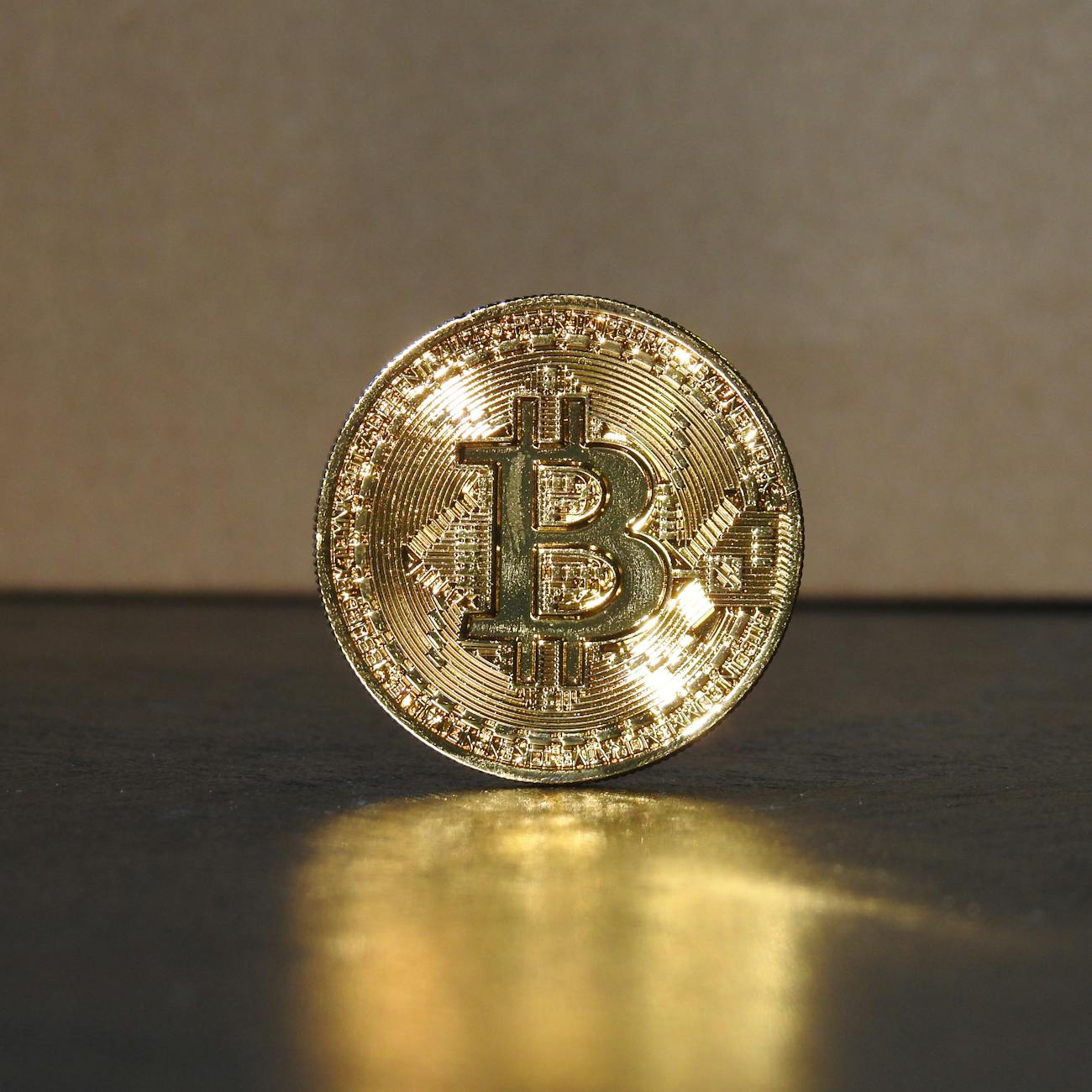
Financial Markets and Instruments: Financial markets are platforms where buyers and sellers trade financial securities, commodities, and other fungible items at low transaction costs and at prices that reflect supply and demand. Financial instruments are tradable assets that represent a claim to the payment of a sum of money. They can be categorized into equity instruments (stocks), debt instruments (bonds), derivatives, and commodities. Understanding financial markets and instruments is crucial for making informed investment decisions and managing risk effectively.
Precious Metals: Precious metals are rare, naturally occurring metallic elements that have high economic value. The most commonly traded precious metals include gold, silver, platinum, and palladium. These metals are used for various purposes, including investment, jewelry, industrial applications, and as a store of value. Precious metals are considered safe-haven assets that tend to retain their value or even appreciate during times of economic uncertainty or inflation.
Risk Management: Risk management is the process of identifying, assessing, and controlling risks to minimize their impact on an organization or individual. In the context of precious metals, risk management involves analyzing and mitigating risks associated with price volatility, geopolitical events, currency fluctuations, and market liquidity. Effective risk management strategies can help investors protect their investments and achieve their financial goals.
Market Participants: Market participants are individuals, institutions, or entities that engage in buying and selling activities in financial markets. They can be categorized into different groups, including retail investors, institutional investors, market makers, brokers, and speculators. Each type of market participant plays a unique role in shaping market dynamics and influencing price movements in precious metals markets.
Supply and Demand: Supply and demand are fundamental economic concepts that drive price movements in financial markets, including precious metals markets. Supply refers to the quantity of a good or service that producers are willing to offer at a given price, while demand represents the quantity of that good or service that consumers are willing to buy at a given price. Changes in supply and demand conditions can impact the equilibrium price of precious metals and create trading opportunities for investors.
Price Discovery: Price discovery is the process by which market participants determine the fair market value of an asset based on supply and demand dynamics. In precious metals markets, price discovery mechanisms include spot prices, futures prices, and options prices. Traders and investors rely on price discovery mechanisms to make informed decisions about buying or selling precious metals and managing their exposure to price risk.
Derivatives: Derivatives are financial instruments whose value is derived from an underlying asset, index, or benchmark. Common types of derivatives used in precious metals markets include futures contracts, options contracts, and swaps. Derivatives are used for hedging, speculation, and arbitrage purposes, allowing market participants to manage risk and take advantage of price movements in precious metals.
Hedging: Hedging is a risk management strategy that involves taking a position in the futures or options market to offset potential losses in the underlying asset. Precious metals producers, consumers, and investors use hedging to protect themselves against adverse price movements and stabilize their cash flows. Hedging can help reduce the impact of market volatility and improve overall risk-adjusted returns.
Speculation: Speculation is the practice of buying or selling assets with the expectation of profiting from short-term price movements. Speculators in precious metals markets take on risk in the hope of earning substantial returns. While speculation can be profitable, it also carries a high level of risk and requires a deep understanding of market dynamics and price trends.
Leverage: Leverage is the use of borrowed funds to amplify the potential return on an investment. In precious metals trading, leverage allows investors to control a larger position with a smaller amount of capital. While leverage can magnify profits, it also increases the risk of substantial losses if the market moves against the investor. Managing leverage effectively is essential for mitigating risk and preserving capital.
Liquidity: Liquidity refers to the ease with which an asset can be bought or sold in the market without significantly impacting its price. Precious metals with high liquidity are actively traded and have tight bid-ask spreads, making it easier for investors to enter or exit positions at fair prices. Liquidity is essential for efficient price discovery and ensuring that market participants can execute trades quickly and cost-effectively.
Arbitrage: Arbitrage is the practice of simultaneously buying and selling the same or similar assets in different markets to take advantage of price differentials and generate risk-free profits. In precious metals markets, arbitrage opportunities may arise due to discrepancies in prices between spot markets, futures markets, or different geographic regions. Arbitrageurs play a crucial role in ensuring that prices remain consistent across markets and maintaining market efficiency.
Regulatory Environment: The regulatory environment refers to the rules, laws, and guidelines that govern the operation of financial markets and protect the interests of investors. Regulatory bodies such as the Commodity Futures Trading Commission (CFTC) and the Securities and Exchange Commission (SEC) oversee precious metals markets and enforce compliance with trading rules and regulations. Adhering to the regulatory environment is essential for maintaining market integrity and investor confidence.
Market Volatility: Market volatility is the degree of variation in the price of an asset over time. Precious metals markets are known for their volatility, which can create opportunities for profit but also increase the risk of substantial losses. Factors such as geopolitical events, economic data releases, and investor sentiment can contribute to heightened volatility in precious metals prices. Managing market volatility is a key consideration for investors seeking to navigate uncertain market conditions effectively.
Physical vs. Paper Trading: Physical trading involves the actual delivery and ownership of precious metals, while paper trading refers to trading contracts or derivatives that represent ownership of precious metals without taking physical possession. Physical trading is common among jewelry manufacturers, investors seeking tangible assets, and central banks holding reserves. Paper trading allows investors to gain exposure to precious metals without the logistical challenges of storing and transporting physical metal.
Risk Appetite: Risk appetite is the level of risk that an individual or organization is willing to accept in pursuit of their investment objectives. Investors with a high risk appetite are more willing to tolerate market fluctuations and pursue aggressive investment strategies, while those with a low risk appetite prefer conservative approaches with lower volatility. Understanding and aligning risk appetite with investment goals is essential for building a well-balanced and diversified precious metals portfolio.
Geopolitical Risk: Geopolitical risk refers to the potential impact of political events, conflicts, or policy decisions on financial markets and asset prices. Precious metals are often considered safe-haven assets that can benefit from geopolitical uncertainty, as investors seek refuge in assets perceived as stable and reliable. Geopolitical risk factors such as trade tensions, geopolitical conflicts, and regulatory changes can influence the supply and demand dynamics of precious metals markets.
Inflation Hedge: Precious metals are often used as an inflation hedge, as their value tends to rise in periods of rising inflation. Inflation erodes the purchasing power of fiat currencies, making precious metals an attractive store of value. Investors seeking to protect their wealth against inflation may allocate a portion of their portfolio to precious metals to preserve purchasing power and maintain diversification.
Storage and Transportation: Storing and transporting physical precious metals can present logistical challenges for investors, particularly those holding large quantities of metal. Secure storage facilities, such as vaults and depositories, offer a safe and regulated environment for storing precious metals. Transportation options include armored trucks, insured shipping services, and secure logistics providers. Choosing the right storage and transportation solutions is crucial for safeguarding physical metal assets and ensuring their integrity.
Market Sentiment: Market sentiment refers to the collective attitude or feeling of investors toward a particular asset or market. Sentiment indicators, such as surveys, social media sentiment analysis, and market positioning data, can provide insights into investor sentiment and market expectations. Understanding market sentiment is important for gauging potential price movements in precious metals markets and making informed trading decisions based on market sentiment trends.
Technical Analysis: Technical analysis is a method of evaluating securities by analyzing statistical trends gathered from trading activity, such as price movement and volume. Technical analysts use charts and graphs to identify patterns and trends that may indicate future price movements. In precious metals markets, technical analysis can help traders identify potential entry and exit points, set stop-loss levels, and manage risk effectively based on historical price data.
Fundamental Analysis: Fundamental analysis is a method of evaluating securities by examining the underlying factors that affect their intrinsic value, such as economic indicators, financial statements, and market trends. Fundamental analysts assess the supply and demand dynamics, macroeconomic conditions, and geopolitical events that may impact precious metals prices. By analyzing fundamental factors, investors can make informed decisions about the long-term prospects of precious metals and identify potential investment opportunities.
Seasonality: Seasonality refers to recurring patterns or trends in asset prices that occur at specific times of the year. In precious metals markets, seasonality factors such as jewelry demand, industrial consumption, and investment flows can influence price movements. Understanding seasonal trends can help investors anticipate market behavior, adjust their trading strategies accordingly, and capitalize on seasonal opportunities in precious metals markets.
Correlation: Correlation is a statistical measure of the relationship between two or more variables, such as asset prices or market indices. Positive correlation indicates that assets move in the same direction, while negative correlation suggests they move in opposite directions. Understanding correlations between precious metals, currencies, and other financial assets is important for diversifying portfolios, managing risk, and identifying trading opportunities based on intermarket relationships.
Counterparty Risk: Counterparty risk refers to the risk that a party to a financial transaction may default on its obligations, leading to financial losses for the other party. In precious metals trading, counterparty risk can arise in over-the-counter (OTC) transactions, derivatives contracts, and margin trading arrangements. Managing counterparty risk involves conducting due diligence on counterparties, using collateral agreements, and implementing risk mitigation strategies to protect against potential defaults.
Regulatory Compliance: Regulatory compliance refers to the adherence to laws, rules, and regulations set forth by regulatory authorities governing financial markets and trading activities. In precious metals trading, regulatory compliance involves complying with anti-money laundering (AML) regulations, know your customer (KYC) requirements, trade reporting obligations, and market conduct standards. Failing to comply with regulatory requirements can result in fines, penalties, and reputational damage for market participants.
Market Manipulation: Market manipulation is the illegal practice of artificially influencing asset prices to profit at the expense of other market participants. Manipulative activities in precious metals markets may include spoofing, wash trading, and insider trading. Regulators closely monitor for market manipulation and enforce laws to maintain market integrity and protect investors from fraudulent activities. Recognizing signs of market manipulation and reporting suspicious behavior are essential for safeguarding the integrity of precious metals markets.
Algorithmic Trading: Algorithmic trading, also known as automated trading or black-box trading, is the use of computer algorithms to execute trading strategies automatically. Algorithmic trading in precious metals markets involves high-frequency trading, arbitrage strategies, and quantitative analysis. By leveraging technology and data analytics, algorithmic traders can execute trades at high speed, minimize latency, and capitalize on short-term price movements in precious metals markets.
Environmental, Social, and Governance (ESG) Factors: Environmental, social, and governance (ESG) factors are criteria used to evaluate the sustainability and ethical impact of investments. In precious metals markets, ESG considerations may include responsible sourcing practices, environmental impact assessments, labor standards, and community engagement. Investors increasingly incorporate ESG factors into their investment decisions to align with their values, mitigate risks, and support sustainable practices in the precious metals industry.
Cryptocurrencies and Blockchain Technology: Cryptocurrencies are digital assets that use blockchain technology to secure transactions, create new units, and verify the transfer of assets. Blockchain technology, which underpins cryptocurrencies like Bitcoin and Ethereum, offers transparent, secure, and decentralized solutions for financial transactions. The integration of cryptocurrencies and blockchain technology into precious metals markets has the potential to streamline trading processes, enhance transparency, and enable new forms of asset tokenization and trading.
Risk Mitigation Strategies: Risk mitigation strategies are techniques used to reduce or manage risks in precious metals trading. Common risk mitigation strategies include diversification, hedging, stop-loss orders, position sizing, and risk assessment frameworks. By implementing risk mitigation strategies, investors can protect their capital, minimize losses, and navigate volatile market conditions effectively. Developing a robust risk management plan is essential for achieving long-term success in precious metals trading and investment.
Key takeaways
- Financial Markets and Instruments: Financial markets are platforms where buyers and sellers trade financial securities, commodities, and other fungible items at low transaction costs and at prices that reflect supply and demand.
- Precious metals are considered safe-haven assets that tend to retain their value or even appreciate during times of economic uncertainty or inflation.
- In the context of precious metals, risk management involves analyzing and mitigating risks associated with price volatility, geopolitical events, currency fluctuations, and market liquidity.
- Market Participants: Market participants are individuals, institutions, or entities that engage in buying and selling activities in financial markets.
- Supply refers to the quantity of a good or service that producers are willing to offer at a given price, while demand represents the quantity of that good or service that consumers are willing to buy at a given price.
- Traders and investors rely on price discovery mechanisms to make informed decisions about buying or selling precious metals and managing their exposure to price risk.
- Derivatives are used for hedging, speculation, and arbitrage purposes, allowing market participants to manage risk and take advantage of price movements in precious metals.