
Assistive Technologies for ASD
Assistive Technologies for ASD
Assistive Technologies for ASD
Assistive technologies play a crucial role in supporting individuals with Autism Spectrum Disorder (ASD) in various aspects of their lives. These technologies are designed to help individuals with ASD improve their social skills, communication abilities, behavior management, and overall quality of life. In the course Postgraduate Certificate in AI for Social Skill Development in Autism Spectrum Disorder, you will explore a range of assistive technologies specifically tailored to meet the unique needs of individuals with ASD. Let's delve into some key terms and vocabulary related to assistive technologies for ASD:
1. Autism Spectrum Disorder (ASD)
Autism Spectrum Disorder (ASD) is a neurodevelopmental disorder characterized by challenges in social communication and interaction, as well as restricted and repetitive behaviors. Individuals with ASD may have difficulties in understanding and interpreting social cues, forming relationships, and communicating effectively.
2. Assistive Technology
Assistive technology refers to tools, devices, software, or equipment that are designed to help individuals with disabilities enhance their functional capabilities. In the context of ASD, assistive technologies can support individuals in various areas such as communication, social skills, behavior management, and sensory processing.
3. Social Skills
Social skills encompass a range of abilities required to interact effectively with others. For individuals with ASD, social skills deficits are common and may include challenges in initiating and maintaining conversations, understanding nonverbal cues, and interpreting social situations accurately.
4. Communication Devices
Communication devices are assistive technologies that help individuals with ASD improve their communication skills. These devices can range from simple picture exchange systems to sophisticated speech-generating devices that enable individuals to express their thoughts, needs, and emotions effectively.
5. Augmentative and Alternative Communication (AAC)
Augmentative and Alternative Communication (AAC) refers to strategies and tools used to support individuals with communication impairments. AAC includes various methods such as sign language, picture communication boards, and electronic devices that aid individuals in expressing themselves.
6. Social Skills Training
Social skills training programs are designed to teach individuals with ASD the necessary skills to navigate social interactions successfully. These programs may incorporate role-playing exercises, video modeling, and social stories to help individuals learn and practice social skills in different contexts.
7. Virtual Reality (VR)
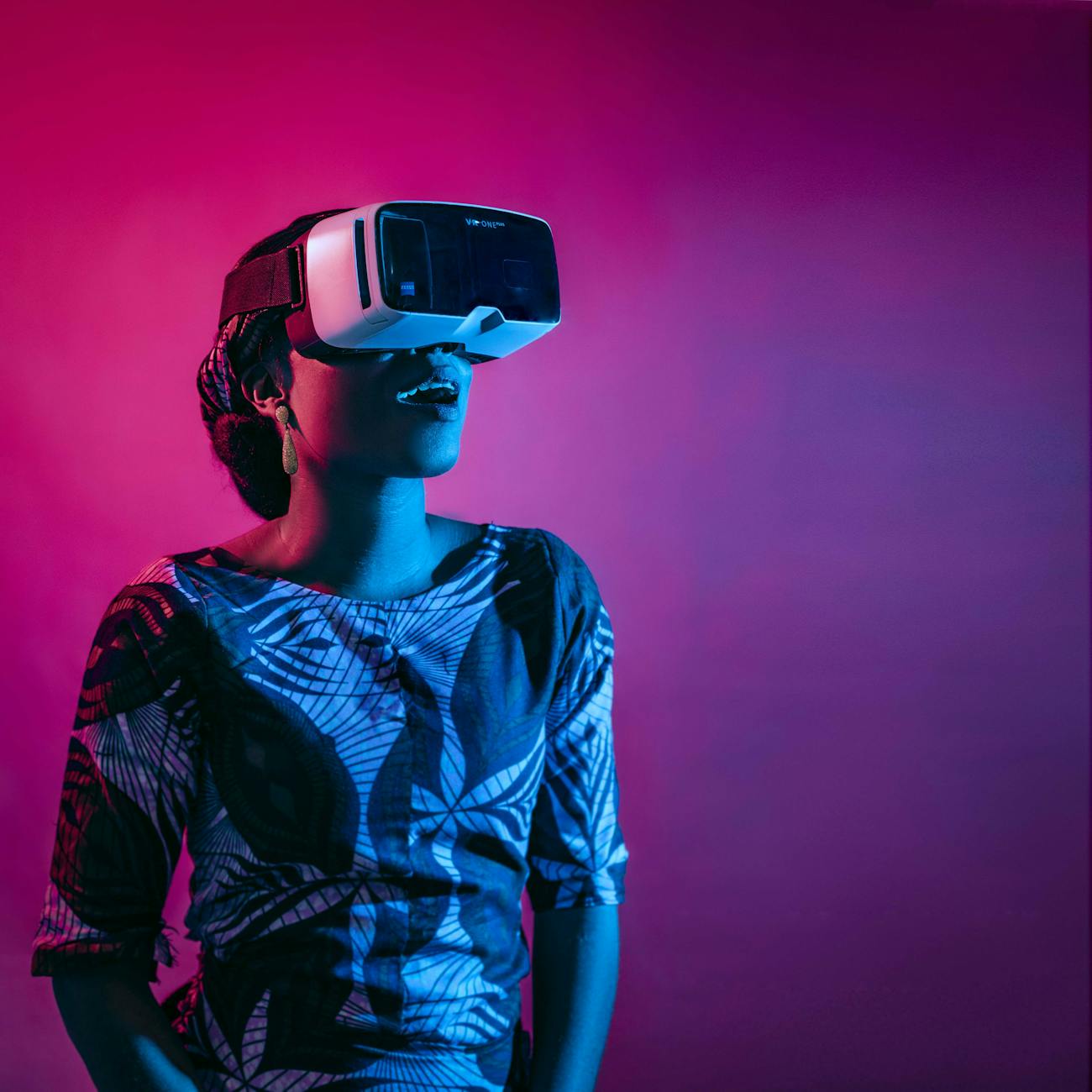
Virtual Reality (VR) technology has shown promise in assisting individuals with ASD in improving their social skills. VR simulations can create realistic social scenarios where individuals can practice social interactions in a controlled and supportive environment.
8. Artificial Intelligence (AI)
Artificial Intelligence (AI) technologies can be utilized to create personalized interventions for individuals with ASD. AI algorithms can analyze data collected from individuals' interactions and behaviors to tailor interventions that meet their specific needs and preferences.
9. Sensory Processing
Individuals with ASD often experience challenges in sensory processing, leading to sensory sensitivities or seeking behaviors. Assistive technologies such as sensory tools and equipment can help individuals regulate their sensory experiences and improve their overall well-being.
10. Behavior Management
Behavior management strategies aim to help individuals with ASD regulate their behaviors and responses in different situations. Assistive technologies such as visual schedules, timers, and reinforcement systems can support individuals in understanding expectations and managing their behaviors effectively.
11. Data Analytics
Data analytics tools can be used to track and analyze individuals' progress in using assistive technologies and participating in social skill development programs. By collecting and analyzing data, educators and therapists can assess the effectiveness of interventions and make informed decisions on individualized support.
12. Gamification
Gamification involves incorporating game elements and mechanics into learning activities to engage and motivate individuals. Gamified interventions for social skill development in ASD can make learning more interactive and enjoyable, encouraging individuals to practice and apply social skills in a fun and rewarding way.
13. User Experience (UX) Design
User Experience (UX) design focuses on creating intuitive and user-friendly interfaces for assistive technologies. Designing technologies with the principles of UX in mind ensures that individuals with ASD can easily navigate and interact with the tools, maximizing their engagement and learning outcomes.
14. Remote Support
Remote support technologies enable individuals with ASD to receive assistance and guidance from professionals or caregivers from a distance. Telehealth platforms, video conferencing tools, and remote monitoring systems can provide ongoing support and supervision to individuals in their homes or communities.
15. Generalization and Maintenance
Generalization and maintenance refer to the ability of individuals with ASD to apply learned skills in various settings and maintain their progress over time. Assistive technologies should support generalization by facilitating practice in real-life situations and promoting the retention of skills beyond the intervention period.
16. Personalized Learning
Personalized learning approaches involve tailoring interventions to individuals' unique strengths, preferences, and learning styles. Assistive technologies can be personalized to meet the specific needs of individuals with ASD, ensuring that interventions are relevant, engaging, and effective for each individual.
17. Collaboration and Teamwork
Collaboration and teamwork are essential in implementing assistive technologies for ASD. Educators, therapists, parents, and individuals with ASD should work together as a team to design, implement, and evaluate interventions that meet the diverse needs of individuals and promote their social skill development effectively.
18. Ethical Considerations
Ethical considerations are critical when using assistive technologies for ASD, particularly in terms of privacy, data security, and consent. Professionals and caregivers should ensure that individuals' rights and autonomy are respected, and that technologies are used ethically and responsibly to support individuals' well-being.
19. Transition Planning
Transition planning involves preparing individuals with ASD for transitions to new environments or stages of life, such as moving from school to post-secondary education or entering the workforce. Assistive technologies can play a vital role in supporting individuals during these transitions by promoting independence, self-advocacy, and social integration.
20. Professional Development
Professional development opportunities are essential for educators, therapists, and other professionals working with individuals with ASD. Training programs on the use of assistive technologies, AI applications, and evidence-based practices can enhance professionals' knowledge and skills in supporting individuals with ASD effectively.
21. Family Involvement
Family involvement is key in the successful implementation of assistive technologies for ASD. Parents and caregivers play a crucial role in supporting individuals with ASD in using technologies, practicing skills at home, and reinforcing learning outcomes. Collaboration between families and professionals is essential for maximizing the benefits of assistive technologies for individuals with ASD.
22. Advocacy and Empowerment
Advocacy and empowerment efforts are important in promoting the rights and inclusion of individuals with ASD in society. Assistive technologies can empower individuals with ASD to advocate for their needs, express their preferences, and participate actively in decision-making processes that affect their lives.
23. Accessibility and Inclusivity
Ensuring the accessibility and inclusivity of assistive technologies is essential for individuals with ASD to benefit fully from these tools. Technologies should be designed with features that accommodate diverse needs, preferences, and abilities, making them usable and effective for individuals with varying profiles of ASD.
24. Research and Innovation
Continuous research and innovation in the field of assistive technologies for ASD are crucial for advancing knowledge, improving interventions, and enhancing outcomes for individuals with ASD. Collaborative efforts between researchers, developers, practitioners, and individuals with ASD can drive innovation and promote the adoption of evidence-based practices in the field.
25. Challenges and Opportunities
Implementing assistive technologies for ASD presents various challenges, such as funding limitations, technology barriers, and ethical dilemmas. However, these challenges also offer opportunities for growth, collaboration, and innovation in developing effective solutions that meet the diverse needs of individuals with ASD and promote their social skill development.
In conclusion, the course Postgraduate Certificate in AI for Social Skill Development in Autism Spectrum Disorder will equip you with the knowledge, skills, and strategies to effectively utilize assistive technologies in supporting individuals with ASD. By understanding the key terms and vocabulary related to assistive technologies for ASD, you will be prepared to design personalized interventions, promote social skill development, and enhance the quality of life for individuals with ASD through innovative and ethical practices.
Key takeaways
- In the course Postgraduate Certificate in AI for Social Skill Development in Autism Spectrum Disorder, you will explore a range of assistive technologies specifically tailored to meet the unique needs of individuals with ASD.
- Autism Spectrum Disorder (ASD) is a neurodevelopmental disorder characterized by challenges in social communication and interaction, as well as restricted and repetitive behaviors.
- In the context of ASD, assistive technologies can support individuals in various areas such as communication, social skills, behavior management, and sensory processing.
- For individuals with ASD, social skills deficits are common and may include challenges in initiating and maintaining conversations, understanding nonverbal cues, and interpreting social situations accurately.
- These devices can range from simple picture exchange systems to sophisticated speech-generating devices that enable individuals to express their thoughts, needs, and emotions effectively.
- AAC includes various methods such as sign language, picture communication boards, and electronic devices that aid individuals in expressing themselves.
- These programs may incorporate role-playing exercises, video modeling, and social stories to help individuals learn and practice social skills in different contexts.