
Canine Handling and Safety
Canine Handling and Safety
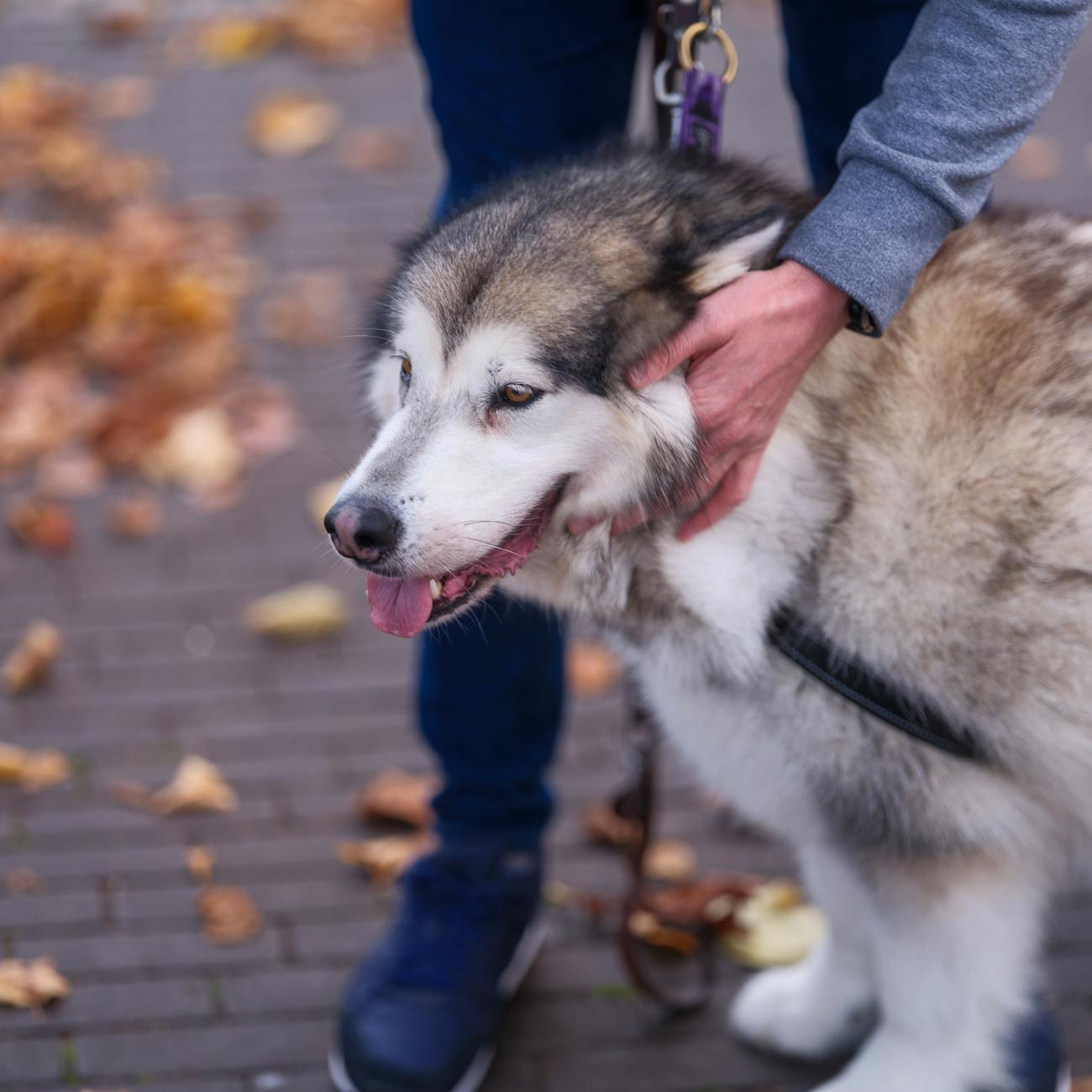
Canine Handling and Safety
Introduction
Canine handling and safety are critical aspects of working with dogs, whether in a training environment, a veterinary setting, or as a pet owner. Understanding how to safely handle and interact with dogs is essential for preventing accidents and ensuring the well-being of both humans and animals. In this course, we will explore key terms and vocabulary related to canine handling and safety to provide you with a solid foundation in balanced dog training.
1. Canine Behavior
Understanding canine behavior is fundamental to effective handling and training. Dogs communicate primarily through body language, vocalizations, and behavior. It is crucial to be able to interpret these signals accurately to ensure safe interactions with dogs. Some key terms related to canine behavior include:
- Aggression: A behavior displayed by a dog that is intended to cause harm or threat to a person, another animal, or an object. - Fear: An emotional response characterized by anxiety, distress, or apprehension in dogs. - Submission: A behavior displayed by a dog to communicate deference or subordination to a more dominant individual. - Resource guarding: A behavior in which a dog protects or defends valuable resources such as food, toys, or territory. - Body language: Non-verbal communication signals expressed through a dog's posture, facial expressions, and movements.
Understanding these behaviors and signals is essential for assessing a dog's state of mind and predicting potential reactions in various situations.
2. Canine Handling Techniques
Proper handling techniques are crucial for safely working with dogs and building trust and cooperation. Some key terms related to canine handling techniques include:
- Positive reinforcement: A training method that rewards desired behaviors with treats, praise, or other incentives to encourage their repetition. - Clicker training: A form of positive reinforcement training that uses a clicker to mark desired behaviors and communicate to the dog that a reward is coming. - Desensitization: The process of gradually exposing a dog to a stimulus to reduce fear or anxiety associated with it. - Counterconditioning: A training technique that changes a dog's emotional response to a stimulus by pairing it with something positive. - Handling equipment: Tools such as leashes, collars, muzzles, and harnesses used to safely control and manage dogs during training or handling.
Using these techniques effectively can help modify behavior, improve communication, and build a positive relationship between humans and dogs.
3. Canine Safety
Ensuring the safety of dogs and humans is paramount when working with animals. Some key terms related to canine safety include:
- Restraint: The act of controlling or restricting a dog's movement to prevent injury to the dog or others. - First aid: Emergency care provided to a dog in response to an injury or illness before professional veterinary help is available. - Heatstroke: A potentially life-threatening condition caused by overheating, common in dogs during hot weather or strenuous exercise. - Canine CPR: Cardiopulmonary resuscitation techniques used to revive a dog in cardiac arrest. - Emergency evacuation: Procedures for safely evacuating dogs in case of fire, natural disasters, or other emergencies.
Understanding these safety measures and techniques is essential for preventing accidents, responding to emergencies, and promoting the well-being of dogs in various situations.
4. Canine Health and Wellness
Maintaining the health and wellness of dogs is essential for their overall well-being and quality of life. Some key terms related to canine health and wellness include:
- Nutrition: The provision of a balanced diet to meet a dog's nutritional needs for growth, maintenance, and energy. - Exercise: Physical activity essential for a dog's physical health, mental stimulation, and behavioral well-being. - Grooming: Regular care practices such as brushing, bathing, and nail trimming to maintain a dog's hygiene and appearance. - Vaccination: Administration of vaccines to protect dogs from infectious diseases and prevent the spread of illness. - Regular veterinary check-ups: Routine examinations by a veterinarian to monitor a dog's health, detect any issues early, and provide preventive care.
Promoting canine health and wellness through proper nutrition, exercise, grooming, and veterinary care is essential for ensuring a dog's longevity and quality of life.
5. Canine Training Methods
Training dogs using effective and humane methods is crucial for shaping their behavior and fostering a positive relationship. Some key terms related to canine training methods include:
- Operant conditioning: A learning process in which behaviors are strengthened or weakened based on their consequences. - Classical conditioning: A learning process in which a neutral stimulus is paired with a meaningful stimulus to evoke a desired response. - Marker training: A training technique that uses a signal, such as a clicker or verbal cue, to mark and reinforce desired behaviors. - Behavior modification: The process of changing a dog's behavior through training techniques, reinforcement, and consistency. - Consistency: The practice of applying rules, cues, and consequences consistently in training to avoid confusion and reinforce learning.
Using these training methods effectively can help shape desired behaviors, address behavior issues, and strengthen the bond between dogs and their handlers.
Conclusion
In conclusion, understanding key terms and vocabulary related to canine handling and safety is essential for anyone working with dogs. By familiarizing yourself with these concepts, you can create a safe, positive, and effective training environment for dogs while promoting their well-being and welfare. Whether you are a professional dog trainer, a veterinary professional, or a pet owner, incorporating these principles into your practice can help you build a strong and trusting relationship with the dogs in your care.
Key takeaways
- In this course, we will explore key terms and vocabulary related to canine handling and safety to provide you with a solid foundation in balanced dog training.
- It is crucial to be able to interpret these signals accurately to ensure safe interactions with dogs.
- - Aggression: A behavior displayed by a dog that is intended to cause harm or threat to a person, another animal, or an object.
- Understanding these behaviors and signals is essential for assessing a dog's state of mind and predicting potential reactions in various situations.
- Proper handling techniques are crucial for safely working with dogs and building trust and cooperation.
- - Clicker training: A form of positive reinforcement training that uses a clicker to mark desired behaviors and communicate to the dog that a reward is coming.
- Using these techniques effectively can help modify behavior, improve communication, and build a positive relationship between humans and dogs.