
Technology and Innovation in Emergency Response.
Technology and Innovation in Emergency Response
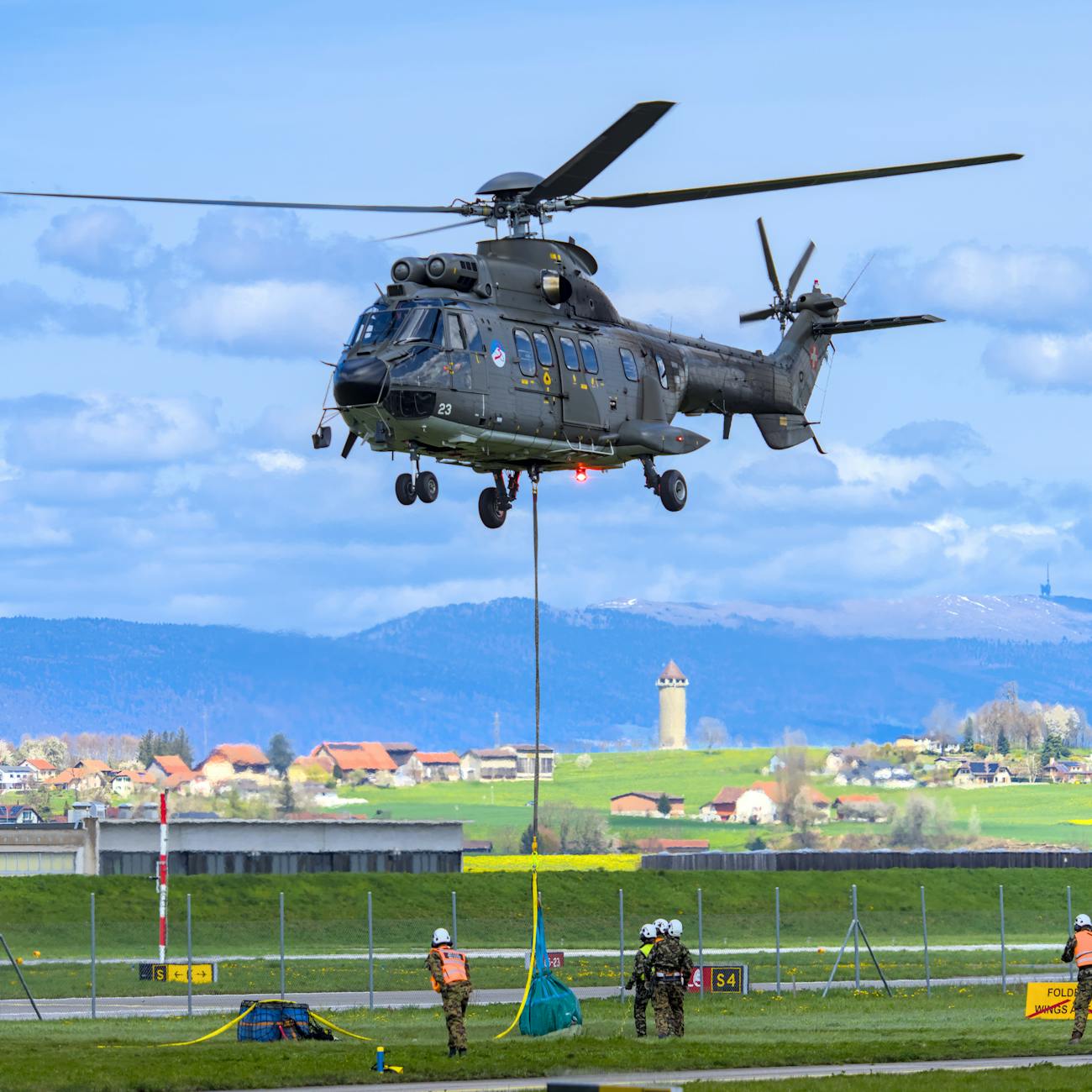
Technology and Innovation in Emergency Response
Emergencies and disasters are unpredictable events that can have devastating consequences on communities, infrastructure, and the environment. As such, it is crucial for emergency management professionals to leverage technology and innovation to enhance their response efforts and mitigate the impact of these incidents. In the context of the Postgraduate Certificate in Integrated Emergency Management, understanding key terms and concepts related to technology and innovation in emergency response is essential for effective planning and implementation strategies.
Emergency Response
Emergency response refers to the actions taken by individuals, organizations, and governments to address the immediate impacts of a disaster or emergency. This may include search and rescue operations, medical assistance, evacuation efforts, and the provision of essential services to affected populations. Technology and innovation play a critical role in improving the efficiency and effectiveness of emergency response activities.
Integrated Emergency Management
Integrated Emergency Management is a holistic approach to disaster planning and response that emphasizes coordination, collaboration, and communication among various stakeholders. This approach involves the integration of multiple disciplines, such as emergency management, public health, law enforcement, and engineering, to ensure a comprehensive and coordinated response to emergencies.
Key Terms and Vocabulary
1. GIS (Geographic Information System) - GIS is a system that captures, stores, analyzes, and presents geographical data. It allows emergency responders to visualize spatial relationships, identify vulnerable populations, and plan effective response strategies based on geographic information.
2. IoT (Internet of Things) - IoT refers to a network of interconnected devices that can communicate and exchange data with each other. In emergency response, IoT devices such as sensors, cameras, and drones can provide real-time information on disaster impacts, enabling responders to make informed decisions quickly.
3. Big Data - Big Data refers to large and complex datasets that can be analyzed to reveal patterns, trends, and associations. In emergency management, Big Data can help identify at-risk areas, predict disaster impacts, and allocate resources more effectively.
4. Machine Learning - Machine Learning is a subset of artificial intelligence that enables computers to learn and improve from experience without being explicitly programmed. In emergency response, machine learning algorithms can analyze data, detect patterns, and automate decision-making processes.
5. Augmented Reality (AR) and Virtual Reality (VR) - AR and VR technologies create immersive and interactive experiences by overlaying digital information onto the physical world (AR) or creating a simulated environment (VR). In emergency management, AR and VR can be used for training, simulation exercises, and situational awareness.
6. Unmanned Aerial Vehicles (UAVs) - UAVs, commonly known as drones, are aerial vehicles that can be operated without a human pilot on board. Drones are increasingly used in emergency response for aerial reconnaissance, search and rescue operations, and damage assessment.
7. Social Media and Crowdsourcing - Social media platforms and crowdsourcing tools enable the rapid dissemination of information, real-time communication with the public, and the collection of data from a large number of individuals. During emergencies, social media and crowdsourcing can be valuable sources of situational awareness and feedback.
8. Blockchain Technology - Blockchain is a decentralized and secure system for recording transactions and data. In emergency management, blockchain technology can enhance the security and transparency of information sharing, supply chain management, and financial transactions.
9. Mobile Applications - Mobile applications, or apps, are software programs designed for use on mobile devices such as smartphones and tablets. In emergency response, mobile apps can provide real-time alerts, emergency notifications, interactive maps, and communication tools for responders and the public.
10. Artificial Intelligence (AI) - AI refers to the simulation of human intelligence processes by machines, such as learning, reasoning, and problem-solving. In emergency management, AI technologies can analyze data, automate tasks, and support decision-making in complex and dynamic environments.
Practical Applications
1. Emergency Planning and Preparedness - Technology and innovation can support emergency planning and preparedness efforts by providing tools for risk assessment, hazard mapping, scenario modeling, and resource allocation. For example, GIS can help identify high-risk areas for flooding, wildfires, or earthquakes, allowing emergency managers to develop targeted response plans.
2. Early Warning Systems - Technology can enhance early warning systems for natural disasters such as hurricanes, tsunamis, and severe weather events. IoT sensors, satellite imagery, and weather forecasting models can provide real-time data on changing conditions, enabling authorities to issue timely alerts and evacuation orders to at-risk populations.
3. Emergency Communication and Coordination - Communication is key during emergencies to ensure timely and accurate information sharing among responders, agencies, and the public. Social media platforms, mobile apps, and emergency notification systems can facilitate communication and coordination efforts, improving the overall response coordination.
4. Search and Rescue Operations - Technology such as drones, GPS tracking devices, and wearable sensors can enhance search and rescue operations by providing aerial surveillance, location tracking, and biometric data collection. These tools can help responders locate missing persons, assess their condition, and coordinate rescue efforts more effectively.
5. Damage Assessment and Recovery - After a disaster, technology can support damage assessment and recovery efforts by providing real-time imagery, building inspections, and infrastructure monitoring. UAVs, satellite imagery, and remote sensing technologies can help assess the extent of damage, prioritize response activities, and plan for reconstruction.
6. Training and Simulation - Technology can facilitate training and simulation exercises for emergency responders to enhance their skills, knowledge, and preparedness. AR and VR simulations, serious games, and virtual training environments can provide realistic scenarios, hands-on experiences, and interactive learning opportunities for personnel at all levels.
Challenges
1. Data Privacy and Security - The use of technology in emergency response raises concerns about data privacy, cybersecurity, and the protection of sensitive information. Ensuring the security and integrity of data, maintaining confidentiality, and complying with regulations are critical challenges for emergency management professionals.
2. Interoperability and Integration - Integrating diverse technologies, systems, and platforms to support emergency response can be complex due to interoperability issues, compatibility constraints, and coordination challenges. Establishing common standards, protocols, and interfaces is essential to ensure seamless communication and collaboration among stakeholders.
3. Resource Constraints - Limited resources, budget constraints, and technical expertise can hinder the adoption and implementation of technology solutions in emergency management. Identifying cost-effective technologies, leveraging partnerships, and prioritizing investments are key strategies to overcome resource constraints and maximize the benefits of technology.
4. Training and Capacity Building - Building the technical skills, knowledge, and capacity of emergency responders to effectively use technology tools and innovations is a critical challenge. Providing training programs, workshops, and hands-on experiences can empower personnel to leverage technology for improved emergency response outcomes.
5. Public Trust and Engagement - Building public trust, awareness, and engagement in the use of technology for emergency response is essential to ensure effective communication, cooperation, and community resilience. Addressing public concerns, promoting transparency, and soliciting feedback are key strategies to enhance public trust in technology-enabled emergency management.
6. Ethical and Legal Considerations - The ethical and legal implications of using technology in emergency response, such as data privacy, surveillance, and decision-making algorithms, raise complex ethical dilemmas and regulatory challenges. Upholding ethical standards, protecting human rights, and ensuring accountability are essential considerations in the adoption and deployment of technology solutions.
Conclusion
In conclusion, technology and innovation play a crucial role in enhancing emergency response capabilities, improving coordination and communication, and mitigating the impact of disasters and emergencies. Understanding key terms and concepts related to technology in emergency management is essential for emergency management professionals to effectively leverage these tools and strategies in their response efforts. By addressing challenges, embracing best practices, and fostering a culture of innovation, integrated emergency management programs can harness the power of technology to build more resilient and prepared communities for a safer future.
Key takeaways
- As such, it is crucial for emergency management professionals to leverage technology and innovation to enhance their response efforts and mitigate the impact of these incidents.
- Emergency response refers to the actions taken by individuals, organizations, and governments to address the immediate impacts of a disaster or emergency.
- This approach involves the integration of multiple disciplines, such as emergency management, public health, law enforcement, and engineering, to ensure a comprehensive and coordinated response to emergencies.
- It allows emergency responders to visualize spatial relationships, identify vulnerable populations, and plan effective response strategies based on geographic information.
- In emergency response, IoT devices such as sensors, cameras, and drones can provide real-time information on disaster impacts, enabling responders to make informed decisions quickly.
- In emergency management, Big Data can help identify at-risk areas, predict disaster impacts, and allocate resources more effectively.
- Machine Learning - Machine Learning is a subset of artificial intelligence that enables computers to learn and improve from experience without being explicitly programmed.