
Psychological Aspects of Virtual Reality
Psychological Aspects of Virtual Reality:
Psychological Aspects of Virtual Reality:
Virtual Reality (VR) is a technology that has seen significant advancements in recent years, offering immersive and interactive experiences that have the potential to impact various aspects of human psychology. Understanding the psychological aspects of VR is crucial for professionals in the field of cyberpsychology as they seek to explore the effects of this technology on individuals and society as a whole. This course on the Postgraduate Certificate in Cyberpsychology delves into key terms and concepts related to the psychological aspects of VR, providing a comprehensive overview of the field.
Key Terms and Vocabulary:
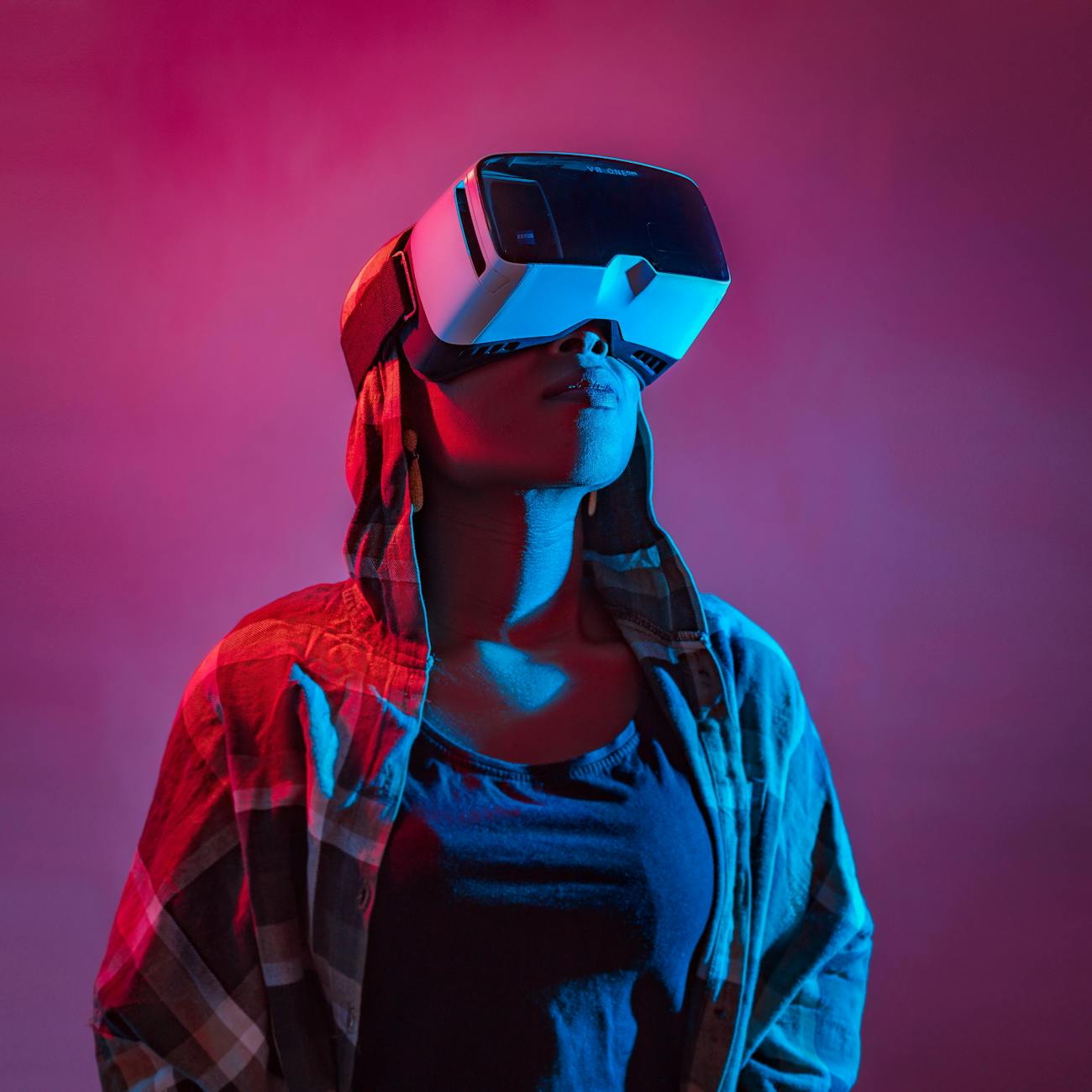
1. Presence: Presence refers to the feeling of actually being in the virtual environment, despite knowing that it is not real. It is a crucial aspect of VR experiences as it enhances the sense of immersion and engagement. For example, when a person wearing a VR headset feels like they are standing on the edge of a virtual cliff, even though they are physically in a safe environment, they are experiencing presence.
2. Immersion: Immersion is the extent to which a user feels involved in the virtual environment. It is achieved through the combination of sensory stimuli provided by the VR technology, such as visuals, sounds, and haptic feedback. The more immersive the experience, the more likely the user is to suspend disbelief and fully engage with the virtual world.
3. Embodiment: Embodiment refers to the sense of owning an avatar or body in the virtual environment. It involves the feeling that the virtual body is an extension of oneself, leading to a stronger connection with the virtual world. Embodiment can impact user behavior and emotions in VR experiences.
4. Virtual Reality Sickness: Virtual Reality Sickness, also known as cybersickness or simulator sickness, is a common side effect of using VR technology. It is characterized by symptoms such as nausea, dizziness, and disorientation, which can occur when the sensory information received in VR conflicts with the brain's expectations.
5. Behavioral Immersion: Behavioral immersion refers to the extent to which a user actively engages with the virtual environment through their actions and behaviors. It is influenced by factors such as agency, interactivity, and presence, which can enhance the user's sense of control and involvement in the virtual world.
6. Psychological Presence: Psychological presence is the subjective feeling of being present in the virtual environment. It is influenced by various psychological factors, such as attention, engagement, and emotional involvement. Psychological presence plays a crucial role in shaping the overall VR experience and its impact on users.
7. Cyberpsychology: Cyberpsychology is a field of psychology that focuses on the study of human behavior and mental processes in the context of digital technologies, including the internet, social media, video games, and virtual reality. It examines how technology influences individuals' thoughts, feelings, and behaviors, as well as its impact on society as a whole.
8. Virtual Social Interactions: Virtual social interactions refer to the ways in which individuals interact with others in virtual environments, such as multiplayer games, social VR platforms, and online communities. These interactions can range from simple communication to collaboration, competition, and social bonding, shaping users' social experiences in VR.
9. Presence Reactions: Presence reactions are the emotional and physiological responses that users may experience in response to the sense of presence in virtual environments. These reactions can include feelings of excitement, fear, awe, or even stress, depending on the nature of the VR experience and the individual's emotional state.
10. Virtual Reality Therapy: Virtual Reality Therapy is a form of psychological treatment that uses VR technology to simulate therapeutic environments and situations for individuals with mental health conditions, such as phobias, PTSD, anxiety disorders, and addiction. It offers a controlled and immersive way to expose patients to their fears and challenges, facilitating therapeutic interventions.
11. Empathy in Virtual Reality: Empathy in Virtual Reality refers to the ability of VR experiences to evoke empathy and emotional responses in users towards virtual characters or situations. By placing users in the shoes of others and providing immersive storytelling, VR can enhance empathy, perspective-taking, and understanding of different perspectives.
12. Virtual Reality Ethics: Virtual Reality Ethics encompasses the ethical considerations and challenges associated with the use of VR technology in various domains, such as healthcare, education, entertainment, and social interactions. It involves issues related to privacy, consent, safety, representation, and the potential impact of VR experiences on individuals' beliefs and behaviors.
13. Presence Design: Presence Design refers to the intentional design strategies and techniques used to enhance presence and immersion in VR experiences. This includes aspects such as spatial audio, realistic graphics, interactive elements, storytelling, and user agency, aimed at creating compelling and engaging virtual worlds for users to explore.
14. Multisensory Integration: Multisensory Integration is the process by which the brain combines information from different sensory modalities, such as vision, hearing, touch, and proprioception, to create a unified perception of the world. In VR, multisensory integration plays a crucial role in creating a convincing and coherent sensory experience for users, enhancing immersion and presence.
15. Virtual Reality Training: Virtual Reality Training involves the use of VR technology to provide immersive and interactive training experiences for various purposes, such as professional skills development, education, healthcare, and emergency response. VR training offers a safe and realistic environment for users to practice and learn new skills, enhancing learning outcomes and performance.
16. Presence Induction: Presence Induction refers to the techniques and methods used to evoke a sense of presence in users during VR experiences. This can involve factors such as visual fidelity, sound design, interactivity, agency, social presence, and narrative coherence, aimed at creating a convincing and engaging virtual world that captures users' attention and involvement.
17. Virtual Reality Addiction: Virtual Reality Addiction is a behavioral addiction characterized by excessive and compulsive use of VR technology, leading to negative consequences in various areas of life, such as work, relationships, and physical health. It can be driven by factors such as escapism, social connection, reward mechanisms, and immersive experiences, requiring intervention and treatment.
18. Virtual Reality Assessment: Virtual Reality Assessment involves the evaluation of users' experiences, behaviors, and psychological responses in VR environments. It includes methods such as questionnaires, interviews, observation, biometric measurements, and cognitive assessments, aimed at understanding the impact of VR on individuals' cognitive, emotional, and behavioral processes.
19. Virtual Reality Aesthetics: Virtual Reality Aesthetics refers to the artistic and design principles used to create visually appealing, immersive, and engaging virtual environments in VR experiences. It encompasses aspects such as visual style, color palette, lighting, composition, textures, animations, and spatial design, aimed at enhancing the aesthetic quality and emotional impact of VR content.
20. Virtual Reality Empowerment: Virtual Reality Empowerment involves the use of VR technology to empower individuals by providing them with new skills, experiences, perspectives, and opportunities for personal growth and development. VR can be used to enhance self-efficacy, creativity, problem-solving, social skills, and emotional resilience, fostering empowerment and agency in users.
Practical Applications:
The psychological aspects of Virtual Reality have numerous practical applications across various domains, including healthcare, education, training, therapy, entertainment, and research. Here are some examples of how VR technology is being used to explore and leverage psychological processes:
1. Virtual Reality Exposure Therapy: VR Exposure Therapy is a form of psychological treatment that uses VR environments to simulate anxiety-provoking situations for individuals with phobias, PTSD, and other anxiety disorders. By exposing patients to their fears in a controlled and immersive way, VR therapy can help them confront and overcome their symptoms, leading to symptom reduction and improved well-being.
2. Virtual Reality Education: Virtual Reality Education involves the use of VR technology to create interactive and engaging learning experiences for students in various subjects, such as science, history, art, and mathematics. By immersing students in virtual environments, VR education can enhance their understanding, retention, and motivation, fostering active learning and knowledge acquisition.
3. Virtual Reality Rehabilitation: Virtual Reality Rehabilitation is used in physical and cognitive rehabilitation programs to provide patients with interactive and motivating exercises for recovery and improvement. By engaging patients in virtual tasks and activities that target specific skills and abilities, VR rehabilitation can enhance motor function, cognitive abilities, and quality of life for individuals with disabilities or injuries.
4. Virtual Reality Social Skills Training: VR Social Skills Training is used to help individuals with social anxiety, autism spectrum disorder, and other social communication challenges improve their interpersonal skills and interactions. By simulating social situations and providing feedback in real-time, VR training can help users practice social cues, conversation skills, and emotional regulation, leading to increased confidence and social competence.
5. Virtual Reality Entertainment: Virtual Reality Entertainment offers users immersive and interactive experiences in gaming, storytelling, art, and multimedia content. By transporting users to fantastical worlds, challenging puzzles, and thrilling adventures, VR entertainment can provide escapism, enjoyment, and emotional engagement, enhancing the overall entertainment experience for audiences.
6. Virtual Reality Research: Virtual Reality Research is used in psychological studies to investigate human behavior, cognition, perception, and emotions in virtual environments. Researchers use VR technology to create controlled experiments, simulations, and scenarios to explore psychological processes, test hypotheses, and gather data on how individuals respond to different stimuli and situations in VR.
Challenges:
Despite the potential benefits of Virtual Reality in psychology, there are several challenges and considerations that need to be addressed in the development and application of VR technology:
1. Ethical Concerns: Virtual Reality raises ethical concerns related to privacy, consent, data security, representation, and the potential impact of immersive experiences on users' beliefs and behaviors. Ensuring ethical guidelines and regulations are in place to protect users' rights and well-being is crucial in the development and use of VR applications.
2. Virtual Reality Sickness: Virtual Reality Sickness is a common issue that can limit the usability and effectiveness of VR experiences. Understanding the causes and mechanisms of VR sickness, as well as developing strategies to mitigate its effects, is essential to ensure users can engage with VR content comfortably and safely.
3. Psychological Effects: Virtual Reality can have profound psychological effects on users, including altered perceptions, emotions, and behaviors. It is important to study and understand how VR experiences influence individuals' mental health, well-being, and social interactions, as well as identify potential risks and benefits associated with long-term exposure to VR technology.
4. Accessibility and Inclusivity: Ensuring that Virtual Reality technology is accessible and inclusive for users with diverse abilities, backgrounds, and needs is a significant challenge. Designing VR experiences that are user-friendly, customizable, and accommodating to different preferences and requirements is essential to promote equal access and participation in VR content.
5. Virtual Reality Addiction: Virtual Reality Addiction is a growing concern that can have negative consequences on individuals' health, relationships, and daily functioning. Developing awareness, prevention strategies, and treatment interventions for VR addiction is important to address the risks associated with excessive and compulsive use of VR technology.
6. Empathy and Ethics in VR: Leveraging Virtual Reality to evoke empathy and emotional responses in users raises ethical considerations regarding the manipulation of emotions, beliefs, and behaviors through immersive experiences. Balancing the potential benefits of empathy-building in VR with ethical concerns about emotional manipulation and psychological impact is a complex challenge for developers and researchers.
Overall, the Psychological Aspects of Virtual Reality present a rich and evolving landscape of research, applications, and challenges that intersect the fields of psychology, technology, and human-computer interaction. By exploring the key terms and concepts related to VR psychology, professionals in cyberpsychology can gain insights into the complexities of human experience in virtual environments and contribute to the ethical and responsible use of VR technology in various domains.
Key takeaways
- Virtual Reality (VR) is a technology that has seen significant advancements in recent years, offering immersive and interactive experiences that have the potential to impact various aspects of human psychology.
- For example, when a person wearing a VR headset feels like they are standing on the edge of a virtual cliff, even though they are physically in a safe environment, they are experiencing presence.
- It is achieved through the combination of sensory stimuli provided by the VR technology, such as visuals, sounds, and haptic feedback.
- It involves the feeling that the virtual body is an extension of oneself, leading to a stronger connection with the virtual world.
- It is characterized by symptoms such as nausea, dizziness, and disorientation, which can occur when the sensory information received in VR conflicts with the brain's expectations.
- Behavioral Immersion: Behavioral immersion refers to the extent to which a user actively engages with the virtual environment through their actions and behaviors.
- Psychological Presence: Psychological presence is the subjective feeling of being present in the virtual environment.