
Food and Mood
Key Terms and Vocabulary for Food and Mood
Key Terms and Vocabulary for Food and Mood
Nutritional Psychology is a field that explores the relationship between nutrition and mental health, focusing on how diet influences mood, behavior, and psychological well-being. In the Postgraduate Certificate in Nutritional Psychology, understanding key terms and concepts is crucial for comprehending the intricate connections between food and mood. Let's delve into some of the essential vocabulary that will be encountered in this course:
1. Nutritional Psychiatry Nutritional Psychiatry is an emerging field that investigates the impact of diet on mental health conditions such as depression, anxiety, and schizophrenia. Research in this area suggests that certain nutrients can play a significant role in the prevention and treatment of mental disorders.
Example: A study published in the American Journal of Psychiatry found that a Mediterranean-style diet rich in fruits, vegetables, whole grains, and fish was associated with a lower risk of depression.
2. Microbiota Microbiota refers to the diverse community of microorganisms that live in the human gut. These microorganisms, including bacteria, viruses, and fungi, play a crucial role in digestion, immune function, and mental health. The gut-brain axis is a bidirectional communication system between the gut microbiota and the brain, influencing mood and behavior.
Example: Probiotic supplements containing beneficial bacteria can help improve gut health and alleviate symptoms of anxiety and depression.
3. Serotonin Serotonin is a neurotransmitter that regulates mood, appetite, and sleep. It is often referred to as the "feel-good" hormone because of its role in promoting feelings of well-being and happiness. Diet can influence serotonin levels, with certain foods like carbohydrates and tryptophan-rich foods contributing to its production.
Example: Eating a balanced diet that includes foods like turkey, bananas, and chickpeas can support serotonin production and improve mood.
4. Omega-3 Fatty Acids Omega-3 fatty acids are essential fats that play a vital role in brain function and mental health. They are found in fatty fish, flaxseeds, chia seeds, and walnuts. Research suggests that omega-3 fatty acids have anti-inflammatory and antidepressant effects, making them beneficial for individuals with mood disorders.
Example: Consuming omega-3-rich foods or supplements can help reduce symptoms of depression and anxiety.
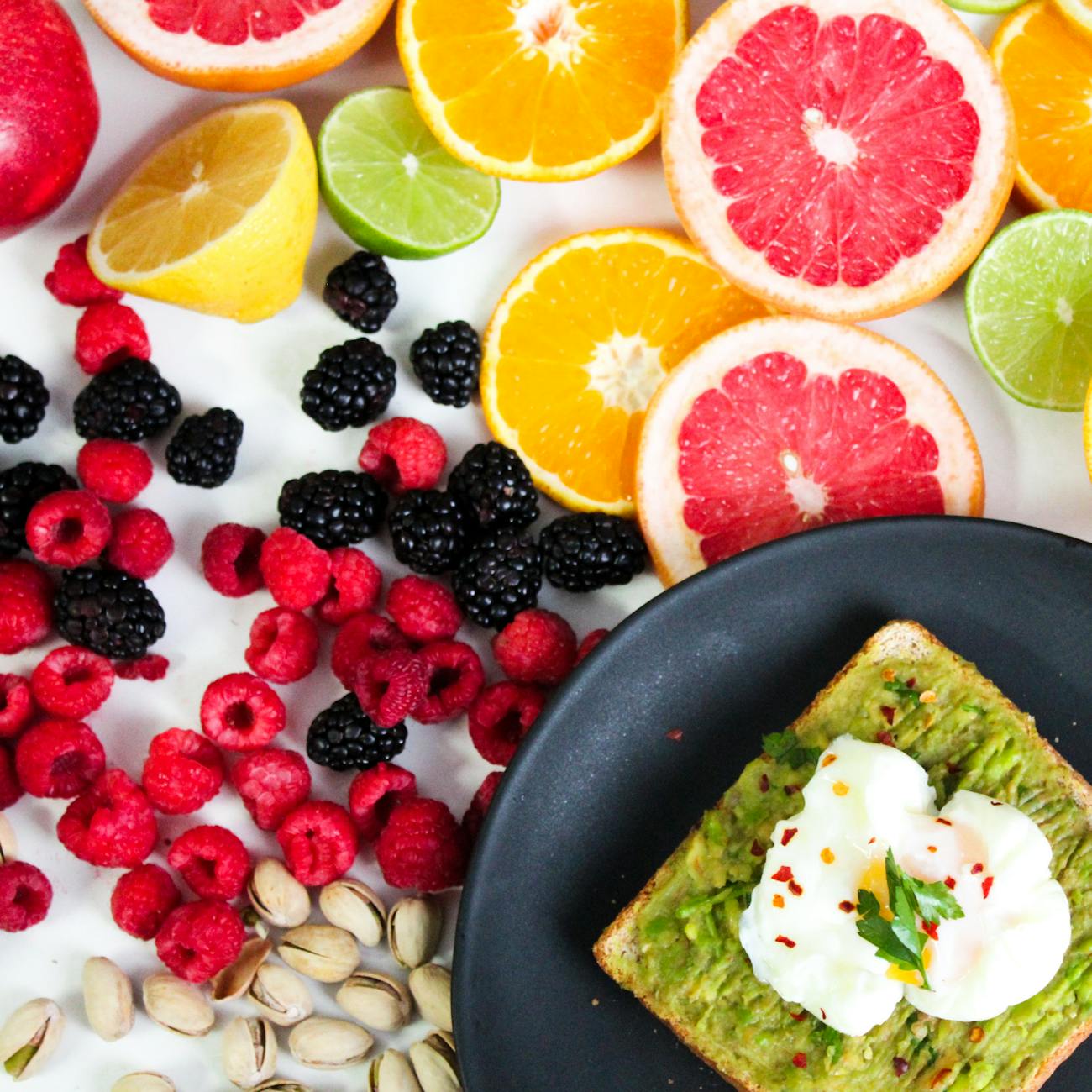
5. Antioxidants Antioxidants are compounds that help protect cells from damage caused by free radicals. They are found in colorful fruits and vegetables, nuts, seeds, and green tea. Antioxidants have anti-inflammatory properties and may play a role in supporting mental health by reducing oxidative stress in the brain.
Example: Including antioxidant-rich foods like berries, spinach, and dark chocolate in your diet can help support brain health and mood.
6. Glycemic Index The Glycemic Index (GI) is a scale that ranks carbohydrate-containing foods based on how quickly they raise blood sugar levels. Foods with a high GI, such as white bread and sugary snacks, cause rapid spikes and crashes in blood sugar, which can affect mood and energy levels. Choosing low-GI foods like whole grains, legumes, and vegetables can help stabilize blood sugar and improve mood stability.
Example: Opting for brown rice instead of white rice can help prevent blood sugar fluctuations and support a more stable mood throughout the day.
7. Inflammation Inflammation is the body's immune response to injury, infection, or stress. Chronic inflammation has been linked to various mental health conditions, including depression, anxiety, and cognitive decline. Diet plays a significant role in modulating inflammation, with anti-inflammatory foods like fatty fish, olive oil, and turmeric helping to reduce inflammation in the body and brain.
Example: Following a Mediterranean diet rich in fruits, vegetables, and healthy fats can help lower inflammation levels and improve mental well-being.
8. Mindful Eating Mindful eating is a practice that involves paying attention to the present moment while consuming food, focusing on the sensory experience and physical sensations. By practicing mindful eating, individuals can enhance their relationship with food, improve digestion, and regulate emotions related to eating.
Example: Taking the time to savor each bite, chew slowly, and appreciate the flavors of a meal can promote mindful eating and foster a positive food-mood connection.
9. Emotional Eating Emotional eating is a behavior where individuals use food to cope with negative emotions, stress, or discomfort. This habit can lead to overeating, weight gain, and a cycle of emotional distress. Recognizing triggers for emotional eating and developing healthier coping strategies are essential for improving emotional well-being and breaking free from this pattern.
Example: Instead of turning to food for comfort, engaging in activities like exercise, meditation, or talking to a friend can help manage emotions without relying on food.
10. Nutrient Deficiency Nutrient deficiency occurs when the body does not receive an adequate amount of essential vitamins, minerals, and other nutrients. Deficiencies in nutrients like vitamin D, B vitamins, and magnesium can impact mental health and contribute to symptoms of depression, anxiety, and fatigue. A balanced diet rich in nutrient-dense foods is essential for preventing deficiencies and supporting overall well-being.
Example: Incorporating a variety of foods such as leafy greens, nuts, seeds, and lean proteins can help ensure you are meeting your nutrient needs and promoting mental health.
11. Food Sensitivities Food sensitivities are adverse reactions to specific foods that do not involve the immune system, unlike food allergies. Common food sensitivities include gluten, dairy, and certain additives. These sensitivities can manifest as digestive issues, skin problems, headaches, and mood disturbances. Identifying and eliminating trigger foods can help alleviate symptoms and improve overall health.
Example: Keeping a food diary and noting any symptoms that occur after eating certain foods can help pinpoint potential food sensitivities and guide dietary adjustments.
12. Nutraceuticals Nutraceuticals are bioactive compounds found in food or supplements that have medicinal properties and health benefits. Examples of nutraceuticals include omega-3 fatty acids, probiotics, and herbal extracts. These compounds can support mental health and well-being by providing therapeutic effects beyond basic nutrition.
Example: Taking a curcumin supplement derived from turmeric can help reduce inflammation and support brain health, potentially improving mood and cognitive function.
13. Caffeine Caffeine is a stimulant found in coffee, tea, chocolate, and energy drinks. While moderate caffeine consumption can enhance alertness and mood, excessive intake can lead to anxiety, restlessness, and sleep disturbances. Individuals sensitive to caffeine should be mindful of their intake to prevent negative effects on mental health.
Example: Limiting caffeine intake to no more than 400 milligrams per day (equivalent to about four cups of coffee) can help prevent adverse effects on mood and sleep.
14. Neurotransmitters Neurotransmitters are chemical messengers that transmit signals between neurons in the brain. Dopamine, serotonin, and norepinephrine are examples of neurotransmitters that play a role in regulating mood, motivation, and emotions. Diet can influence neurotransmitter production, with specific nutrients supporting the synthesis and function of these important molecules.
Example: Consuming foods rich in tyrosine, such as chicken, dairy, and almonds, can help support dopamine production and improve mood and focus.
15. Hydration Hydration is essential for overall health and well-being, including mental health. Dehydration can lead to fatigue, irritability, and poor cognitive function. Drinking an adequate amount of water throughout the day is crucial for maintaining proper hydration levels and supporting optimal brain function.
Example: Aim to drink at least eight glasses of water per day to stay hydrated and promote mental clarity and focus.
Challenges and Practical Applications Understanding the key terms and vocabulary related to food and mood is essential for navigating the complex interplay between nutrition and mental health. Challenges may arise when implementing dietary changes to support emotional well-being, such as overcoming cravings, addressing emotional eating patterns, and identifying nutrient deficiencies. However, by incorporating practical strategies like meal planning, mindful eating practices, and seeking support from a healthcare professional, individuals can make positive changes to enhance their food-mood connection.
In conclusion, the Postgraduate Certificate in Nutritional Psychology provides valuable insights into the impact of food on mood and mental health. By familiarizing yourself with the key terms and concepts discussed in this course, you can better understand how nutrition influences emotional well-being and develop strategies to optimize your diet for improved mental health outcomes. Remember to prioritize nutrient-dense foods, practice mindful eating, and pay attention to your body's signals to support a healthy food-mood relationship.
Key takeaways
- Nutritional Psychology is a field that explores the relationship between nutrition and mental health, focusing on how diet influences mood, behavior, and psychological well-being.
- Nutritional Psychiatry Nutritional Psychiatry is an emerging field that investigates the impact of diet on mental health conditions such as depression, anxiety, and schizophrenia.
- Example: A study published in the American Journal of Psychiatry found that a Mediterranean-style diet rich in fruits, vegetables, whole grains, and fish was associated with a lower risk of depression.
- These microorganisms, including bacteria, viruses, and fungi, play a crucial role in digestion, immune function, and mental health.
- Example: Probiotic supplements containing beneficial bacteria can help improve gut health and alleviate symptoms of anxiety and depression.
- Diet can influence serotonin levels, with certain foods like carbohydrates and tryptophan-rich foods contributing to its production.
- Example: Eating a balanced diet that includes foods like turkey, bananas, and chickpeas can support serotonin production and improve mood.