
English for Specific Purposes in the Oil and Gas Industry
English for Specific Purposes (ESP) in the Oil and Gas Industry covers a specialized area of language teaching that focuses on developing the language skills necessary for professionals working in the oil and gas sector. This course is desi…
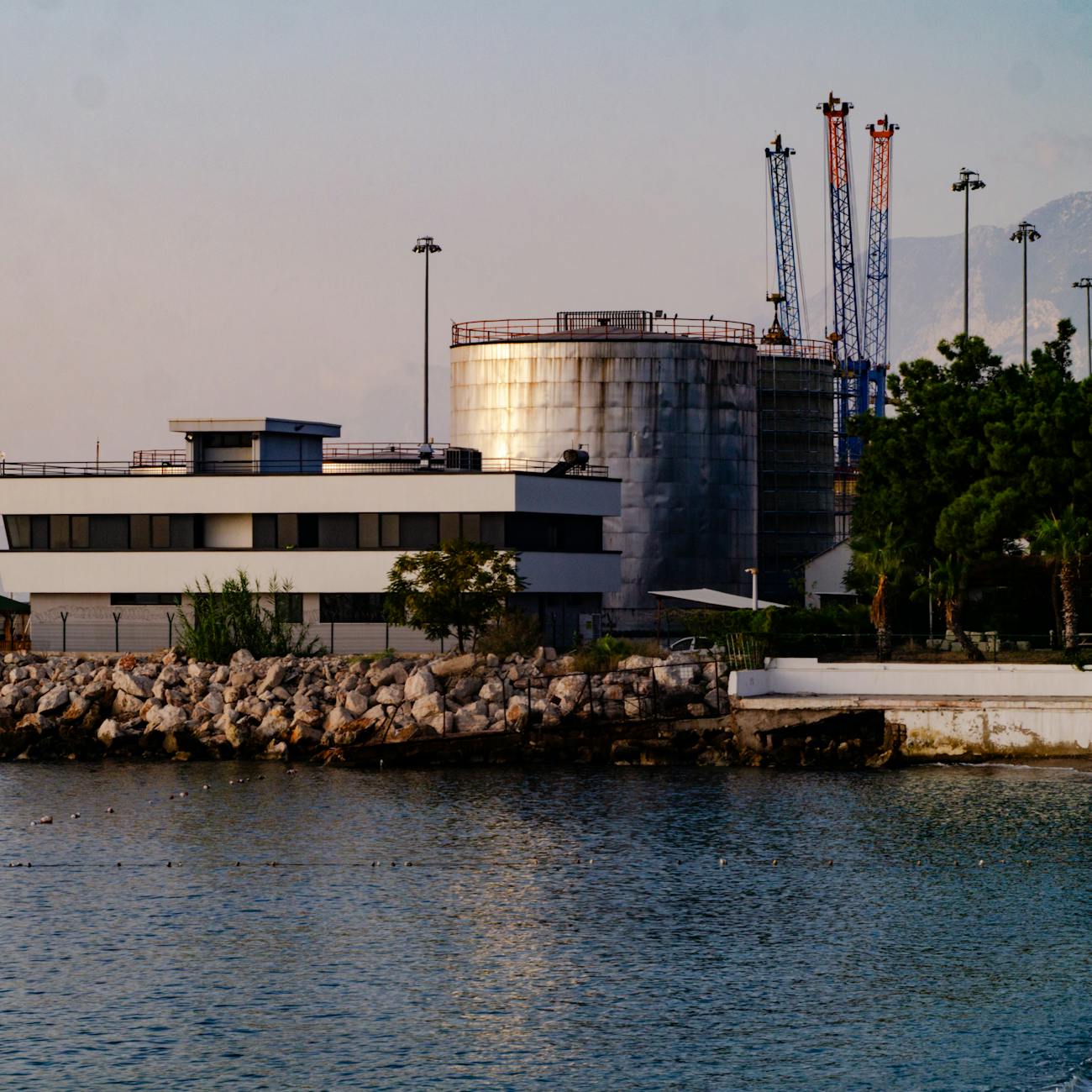
English for Specific Purposes (ESP) in the Oil and Gas Industry covers a specialized area of language teaching that focuses on developing the language skills necessary for professionals working in the oil and gas sector. This course is designed to equip learners with the language tools needed to communicate effectively in various contexts within the industry, such as negotiations, technical meetings, safety procedures, and project management. In this explanation, we will explore key terms and vocabulary relevant to teaching English for the Oil and Gas Industry.
1. **Oil and Gas Industry**: The oil and gas industry refers to the global process of exploration, extraction, refining, transporting, and marketing of petroleum products. This industry plays a crucial role in the global economy and is known for its complex technical processes and terminology.
2. **Drilling**: Drilling is the process of creating holes in the earth to extract natural resources like oil and gas. It involves using specialized equipment such as drilling rigs, drill bits, and mud pumps.
3. **Reservoir**: A reservoir is a subsurface rock formation that contains oil or gas. Reservoirs are typically located thousands of feet below the earth's surface and require advanced technologies to extract the resources.
4. **Extraction**: Extraction refers to the process of removing oil and gas from underground reservoirs. This process involves drilling wells, injecting fluids, and using various techniques to bring the resources to the surface.
5. **Refining**: Refining is the process of converting crude oil into usable products such as gasoline, diesel, and jet fuel. Refineries use distillation, cracking, and other techniques to separate and purify the different components of crude oil.
6. **Pipeline**: A pipeline is a system of pipes used to transport oil and gas from production fields to refineries and distribution centers. Pipelines play a crucial role in the transportation of petroleum products over long distances.
7. **Offshore**: Offshore refers to oil and gas operations conducted in bodies of water, typically in oceans or seas. Offshore drilling platforms are used to extract resources from underwater reservoirs.
8. **Onshore**: Onshore refers to oil and gas operations conducted on land. Onshore drilling sites are located in various regions around the world and require different technologies compared to offshore operations.
9. **Exploration**: Exploration is the process of searching for new oil and gas reserves. Exploration activities involve seismic surveys, geophysical studies, and drilling test wells to determine the presence of hydrocarbon deposits.
10. **Production**: Production refers to the phase of oil and gas operations where resources are extracted from the ground and processed for commercial use. Production facilities include drilling rigs, production platforms, and processing plants.
11. **Transportation**: Transportation involves moving oil and gas products from production sites to refineries, distribution centers, and end-users. Various methods of transportation are used, including pipelines, tankers, and trucks.
12. **Safety Procedures**: Safety procedures are protocols and guidelines put in place to ensure the well-being of workers and the environment in oil and gas operations. Safety training, equipment inspections, and emergency response plans are essential components of safety procedures.
13. **Project Management**: Project management involves planning, organizing, and controlling the resources and activities required to achieve specific goals within the oil and gas industry. Project managers oversee drilling operations, construction projects, and other activities to ensure successful outcomes.
14. **Environmental Regulations**: Environmental regulations are laws and policies that govern the impact of oil and gas activities on the environment. Compliance with environmental regulations is essential to minimize pollution, protect ecosystems, and maintain sustainable practices.
15. **Hydraulic Fracturing**: Hydraulic fracturing, also known as fracking, is a method used to extract oil and gas from underground shale formations. This process involves injecting high-pressure fluids into the rock to create fractures and release the trapped resources.
16. **LNG (Liquefied Natural Gas)**: Liquefied natural gas is a clear, colorless, odorless, non-toxic liquid that is formed when natural gas is cooled to -162 degrees Celsius. LNG is used as a transportation fuel and for heating and power generation.
17. **Drillship**: A drillship is a specialized vessel equipped with drilling equipment for offshore oil and gas exploration. Drillships are mobile and can operate in deep waters to reach underwater reservoirs.
18. **Blowout**: A blowout is an uncontrolled release of oil or gas from a well during drilling operations. Blowouts can lead to environmental damage, fires, and safety hazards if not contained promptly.
19. **Wellhead**: The wellhead is the structure at the surface of a well that controls the flow of oil and gas. It includes valves, fittings, and other equipment to regulate the production and pressure of the well.
20. **HSE (Health, Safety, and Environment)**: Health, Safety, and Environment (HSE) are critical aspects of oil and gas operations that focus on protecting the well-being of workers and the natural environment. HSE policies and practices aim to prevent accidents, injuries, and environmental damage.
21. **FPSO (Floating Production Storage and Offloading)**: A Floating Production Storage and Offloading vessel is a floating facility used in offshore oil and gas production. FPSOs can store and process oil and gas before offloading it to tankers for transportation.
22. **Well Logging**: Well logging is the process of recording and analyzing geological data from drilling operations. Well logs provide information about rock formations, fluid properties, and other conditions that help determine the potential for oil and gas production.
23. **Reservoir Engineering**: Reservoir engineering is a specialized field within the oil and gas industry that focuses on optimizing the extraction of hydrocarbon resources from underground reservoirs. Reservoir engineers use data analysis and simulation techniques to maximize production rates.
24. **Rig Crew**: The rig crew consists of workers responsible for operating drilling rigs and conducting drilling operations. Rig crew members include drillers, derrickhands, roughnecks, and other personnel who work together to extract oil and gas.
25. **Crude Oil**: Crude oil is a natural resource extracted from underground reservoirs that is used to produce various petroleum products. Crude oil is a mixture of hydrocarbons that requires refining to separate and purify its components.
26. **Natural Gas**: Natural gas is a fossil fuel composed primarily of methane that is extracted from underground reservoirs. Natural gas is used for heating, power generation, and as a feedstock for petrochemicals.
27. **Downstream**: The downstream sector of the oil and gas industry involves refining, processing, and distributing petroleum products to end-users. Downstream activities include refining crude oil, producing gasoline, diesel, and other products, and marketing them to consumers.
28. **Upstream**: The upstream sector of the oil and gas industry involves exploration, extraction, and production of oil and gas resources. Upstream activities include drilling wells, operating production facilities, and managing reservoirs.
29. **Petroleum Engineer**: A petroleum engineer is a professional who designs and oversees the production of oil and gas resources. Petroleum engineers use their expertise in drilling, reservoir management, and production optimization to maximize resource recovery.
30. **Geological Survey**: A geological survey is a study of the earth's subsurface to identify potential oil and gas reserves. Geologists analyze rock formations, seismic data, and other geological features to assess the viability of exploration and production activities.
31. **Well Testing**: Well testing is a process used to evaluate the performance of a well and determine its production capabilities. Well tests measure flow rates, pressure levels, and other parameters to optimize production and reservoir management.
32. **Casing**: Casing is a steel pipe inserted into a well to stabilize the borehole and prevent collapse. Casing also isolates different geological formations, controls fluid flow, and provides structural support for drilling operations.
33. **Completion**: Completion is the final phase of drilling operations where the well is prepared for production. Completion activities include installing production equipment, perforating the casing, and testing the well's performance.
34. **Artificial Lift**: Artificial lift is a method used to enhance the flow of oil or gas from a well to the surface. Artificial lift techniques include electric submersible pumps, gas lift systems, and hydraulic pumping units.
35. **Well Intervention**: Well intervention refers to activities performed to restore or enhance the production of a well. Well interventions may involve cleaning, stimulation, or repair techniques to optimize reservoir performance.
36. **Reservoir Management**: Reservoir management is the process of monitoring and optimizing the production of oil and gas reservoirs. Reservoir engineers use data analysis, modeling, and simulation to develop strategies for maximizing recovery and profitability.
37. **Enhanced Oil Recovery (EOR)**: Enhanced Oil Recovery is a set of techniques used to increase the amount of oil that can be extracted from a reservoir. EOR methods include injecting chemicals, steam, or gases into the reservoir to improve production rates.
38. **Well Control**: Well control is the process of maintaining safe and controlled drilling operations to prevent blowouts and other hazards. Well control measures include monitoring pressure levels, using blowout preventers, and implementing emergency procedures.
39. **Corrosion**: Corrosion is the gradual degradation of metal equipment and infrastructure due to chemical reactions with fluids or gases. Corrosion control measures are essential in the oil and gas industry to prevent equipment failure and ensure safety.
40. **Hydrocarbon**: Hydrocarbons are organic compounds composed of hydrogen and carbon atoms that form the basis of oil and gas resources. Hydrocarbons exist in various forms, including crude oil, natural gas, and petroleum products.
41. **Wellbore**: The wellbore is the hole drilled into the earth during well construction to access oil and gas reservoirs. The wellbore is lined with casing and cement to maintain stability and integrity during drilling and production.
42. **Formation Damage**: Formation damage occurs when the permeability of a reservoir rock is reduced due to drilling fluids, production fluids, or other contaminants. Formation damage can hinder oil and gas production and require remediation techniques.
43. **Petrochemical**: Petrochemicals are chemical compounds derived from petroleum or natural gas that are used in various industries. Petrochemical products include plastics, fertilizers, solvents, and other materials essential for modern life.
44. **Seismic Survey**: A seismic survey is a method used to image subsurface rock formations and identify potential oil and gas reservoirs. Seismic surveys use sound waves to create detailed images of the earth's structure and help in exploration activities.
45. **Risk Assessment**: Risk assessment is the process of identifying, evaluating, and mitigating potential risks in oil and gas operations. Risk assessments consider hazards such as equipment failure, environmental impact, and human error to ensure safe and efficient operations.
46. **Drilling Fluid**: Drilling fluid, also known as mud, is a mixture of water, clay, and chemicals used to lubricate and cool the drill bit during drilling operations. Drilling fluids also help remove cuttings from the wellbore and maintain pressure control.
47. **Geothermal Energy**: Geothermal energy is heat derived from the earth's core that can be harnessed for power generation. Geothermal energy is considered a renewable resource and is used in some oil and gas operations for heating and electricity production.
48. **Geophysics**: Geophysics is the study of the earth's physical properties using principles of physics and mathematics. Geophysicists use seismic data, gravity measurements, and electromagnetic surveys to explore for oil and gas reserves.
49. **Well Control Certification**: Well control certification is a qualification required for individuals involved in drilling operations to demonstrate their knowledge and skills in well control techniques. Well control certification programs ensure that personnel can respond effectively to well control incidents.
50. **Coalbed Methane**: Coalbed methane is a form of natural gas extracted from coal seams. Coalbed methane is used as a clean-burning fuel and is produced through drilling and dewatering techniques in coal mining operations.
In conclusion, teaching English for the Oil and Gas Industry requires a deep understanding of the specialized terminology, processes, and challenges faced by professionals in this sector. By mastering the key terms and vocabulary outlined in this explanation, educators can effectively prepare learners to communicate and succeed in various roles within the oil and gas industry.
Key takeaways
- This course is designed to equip learners with the language tools needed to communicate effectively in various contexts within the industry, such as negotiations, technical meetings, safety procedures, and project management.
- **Oil and Gas Industry**: The oil and gas industry refers to the global process of exploration, extraction, refining, transporting, and marketing of petroleum products.
- **Drilling**: Drilling is the process of creating holes in the earth to extract natural resources like oil and gas.
- Reservoirs are typically located thousands of feet below the earth's surface and require advanced technologies to extract the resources.
- This process involves drilling wells, injecting fluids, and using various techniques to bring the resources to the surface.
- **Refining**: Refining is the process of converting crude oil into usable products such as gasoline, diesel, and jet fuel.
- **Pipeline**: A pipeline is a system of pipes used to transport oil and gas from production fields to refineries and distribution centers.