
Luxury Fashion E-commerce Strategies
Luxury Fashion E-commerce Strategies:
Luxury Fashion E-commerce Strategies:
In the Graduate Certificate in AI in Luxury Fashion Marketing, students delve into the world of luxury fashion e-commerce strategies. These strategies are essential for brands to succeed in the digital landscape and cater to the evolving needs of consumers. Let's explore key terms and vocabulary related to luxury fashion e-commerce strategies:
Luxury Fashion:
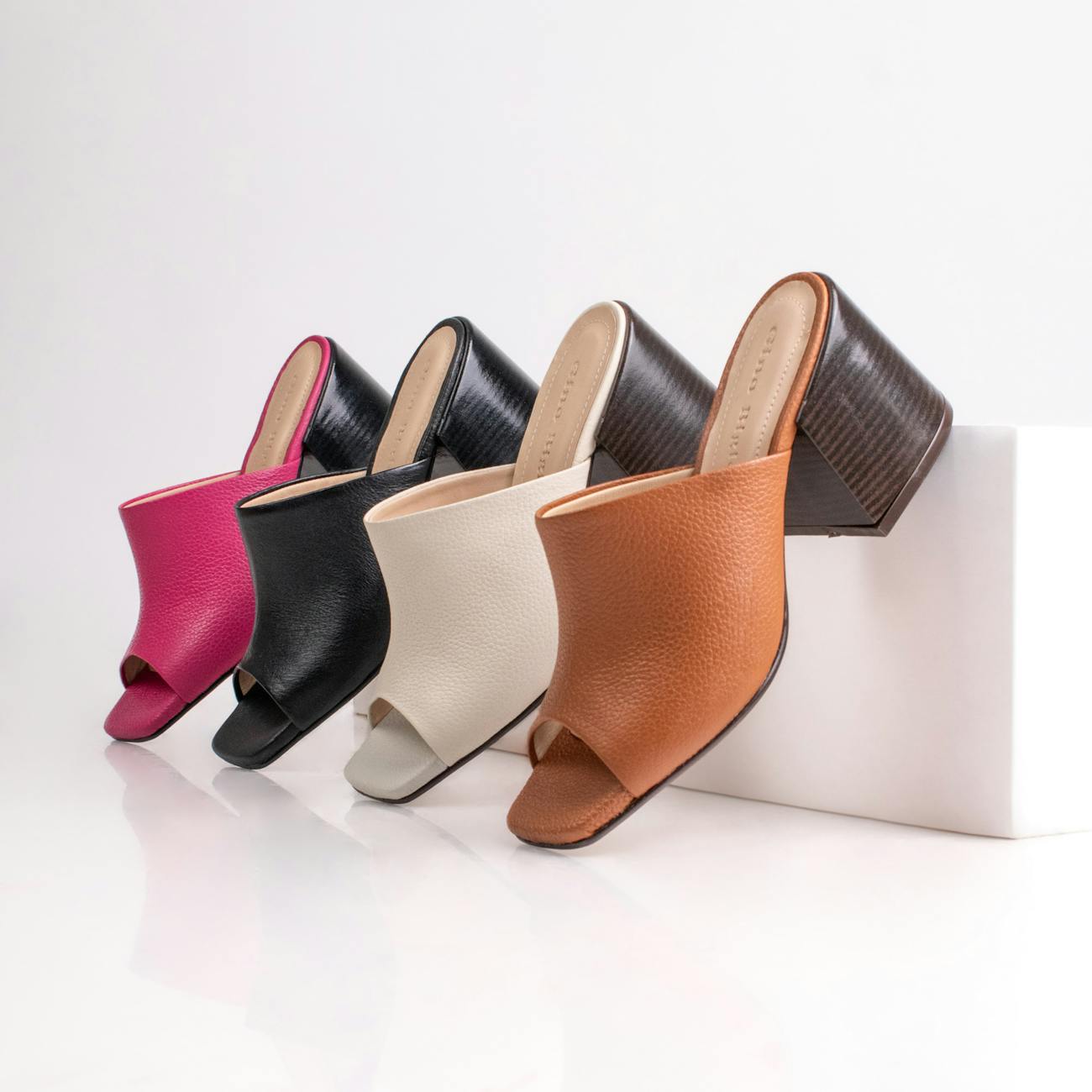
Luxury fashion refers to high-end, prestigious, and exclusive clothing, accessories, and footwear produced by renowned designers and fashion houses. Luxury fashion items are often made from high-quality materials and are associated with superior craftsmanship, exclusivity, and a strong brand image. Consumers who purchase luxury fashion products value the prestige, quality, and status symbol that these items represent.
E-commerce:
E-commerce stands for electronic commerce, which involves the buying and selling of goods and services over the internet. In the context of luxury fashion, e-commerce allows brands to reach a global audience, showcase their products online, and offer a seamless shopping experience to customers. E-commerce platforms enable consumers to browse, select, purchase, and receive luxury fashion items without visiting physical stores.
Strategies:
Strategies are carefully planned actions or methods designed to achieve specific goals or objectives. In the context of luxury fashion e-commerce, strategies encompass a range of tactics that brands use to attract customers, drive sales, enhance brand awareness, and differentiate themselves from competitors. Effective e-commerce strategies leverage technology, data analytics, marketing, and customer insights to create a compelling online shopping experience.
Omni-channel:
Omni-channel refers to a seamless and integrated approach to retail that combines online and offline channels to provide customers with a unified shopping experience. In the luxury fashion industry, omni-channel strategies enable brands to connect with consumers across multiple touchpoints, including e-commerce websites, mobile apps, social media, physical stores, and pop-up events. By offering a consistent brand experience across channels, luxury fashion brands can engage customers at every stage of the shopping journey.
Personalization:
Personalization involves tailoring products, services, and marketing messages to meet the individual needs and preferences of customers. In luxury fashion e-commerce, personalization techniques such as product recommendations, customized styling advice, and targeted promotions help brands create a more engaging and relevant shopping experience for consumers. By leveraging AI technologies and data analytics, luxury fashion brands can deliver personalized content that resonates with each customer.
Customer Relationship Management (CRM):
Customer Relationship Management is a strategy that focuses on building and maintaining strong relationships with customers to drive loyalty and repeat business. In the luxury fashion industry, CRM encompasses practices such as personalized communications, loyalty programs, post-purchase follow-ups, and feedback collection. By understanding customer behavior, preferences, and purchase history, luxury fashion brands can tailor their offerings and services to meet individual needs and foster long-term relationships.
Data Analytics:
Data Analytics involves the process of collecting, analyzing, and interpreting data to gain insights and inform decision-making. In luxury fashion e-commerce, data analytics play a crucial role in understanding customer behavior, identifying trends, measuring performance, and optimizing marketing campaigns. By leveraging data from website traffic, customer interactions, sales transactions, and social media engagement, luxury fashion brands can make informed decisions to improve their online presence and drive business growth.
Artificial Intelligence (AI):
Artificial Intelligence refers to the simulation of human intelligence processes by machines, particularly computer systems. In the context of luxury fashion e-commerce, AI technologies such as machine learning, natural language processing, and computer vision are used to automate tasks, personalize recommendations, analyze data, and enhance the overall shopping experience. AI-powered tools enable luxury fashion brands to streamline operations, optimize marketing efforts, and deliver personalized services at scale.
Virtual Try-On:
Virtual Try-On is a technology that allows customers to visualize and try on products virtually using augmented reality (AR) or virtual reality (VR) technology. In luxury fashion e-commerce, virtual try-on experiences enable customers to see how a garment or accessory looks on them before making a purchase. By offering virtual try-on features, luxury fashion brands can enhance the online shopping experience, reduce returns, and increase customer satisfaction.
Social Commerce:
Social Commerce refers to the integration of social media platforms with e-commerce functionalities to facilitate shopping and purchasing directly on social media channels. In the luxury fashion industry, social commerce enables brands to showcase products, engage with customers, and drive sales through platforms like Instagram, Facebook, and Pinterest. By leveraging social commerce tools such as shoppable posts, live streaming, and influencer collaborations, luxury fashion brands can reach a wider audience and capitalize on social media trends.
Supply Chain Management:
Supply Chain Management involves the coordination of activities, resources, and processes to deliver products and services to customers efficiently. In luxury fashion e-commerce, supply chain management plays a critical role in ensuring timely delivery, inventory optimization, and sustainability practices. By optimizing supply chain operations, luxury fashion brands can minimize costs, reduce lead times, and enhance customer satisfaction by offering fast and reliable shipping options.
Content Marketing:
Content Marketing is a strategic approach to creating and distributing valuable, relevant, and consistent content to attract and retain a targeted audience. In luxury fashion e-commerce, content marketing involves producing engaging visuals, videos, articles, and social media posts that showcase products, tell brand stories, and educate consumers. By developing compelling content that resonates with their target audience, luxury fashion brands can drive traffic to their e-commerce platforms, build brand awareness, and establish thought leadership in the industry.
Mobile Optimization:
Mobile Optimization refers to the process of designing and optimizing e-commerce websites and applications for mobile devices such as smartphones and tablets. In the luxury fashion industry, mobile optimization is crucial as a growing number of consumers prefer to shop on their mobile devices. By ensuring that their e-commerce platforms are mobile-friendly, luxury fashion brands can provide a seamless and intuitive shopping experience for customers on the go, increasing engagement and conversion rates.
Customer Experience:
Customer Experience encompasses the interactions and perceptions that customers have with a brand throughout their buying journey. In luxury fashion e-commerce, customer experience is a key differentiator that influences customer satisfaction, loyalty, and advocacy. By focusing on delivering exceptional customer service, personalized recommendations, easy navigation, and transparent policies, luxury fashion brands can create a memorable and positive shopping experience that keeps customers coming back.
Conversion Rate Optimization (CRO):
Conversion Rate Optimization is the process of improving the percentage of website visitors who take a desired action, such as making a purchase, signing up for a newsletter, or requesting more information. In luxury fashion e-commerce, CRO involves testing and optimizing elements of the website, such as calls-to-action, product pages, checkout process, and forms, to increase conversions and drive revenue. By analyzing user behavior, conducting A/B testing, and implementing best practices, luxury fashion brands can enhance their conversion rates and maximize the return on investment.
SEO:
SEO stands for Search Engine Optimization, which involves optimizing a website to improve its visibility and ranking on search engine results pages. In the luxury fashion e-commerce space, SEO plays a crucial role in driving organic traffic, attracting qualified leads, and increasing brand awareness. By incorporating relevant keywords, optimizing meta tags, improving site speed, and building high-quality backlinks, luxury fashion brands can enhance their online presence and attract more potential customers through search engines like Google.
Challenges:
While luxury fashion e-commerce strategies offer numerous benefits, brands face several challenges in implementing and optimizing these strategies effectively. Some of the key challenges include:
- Balancing exclusivity and accessibility: Luxury fashion brands must maintain their prestigious image while catering to a wider audience through e-commerce channels. - Managing inventory and logistics: Ensuring timely delivery, managing returns, and optimizing supply chain operations are critical for a seamless shopping experience. - Data privacy and security: Safeguarding customer data, complying with regulations, and protecting against cyber threats are essential considerations for luxury fashion brands. - Competition and differentiation: Standing out in a crowded marketplace, differentiating from competitors, and capturing the attention of discerning consumers require innovative strategies and creative approaches. - Technology integration and adaptation: Embracing new technologies, AI tools, and digital trends to enhance the online shopping experience and meet customer expectations.
In conclusion, mastering luxury fashion e-commerce strategies is essential for brands to thrive in the competitive digital landscape. By leveraging omni-channel approaches, personalization techniques, data analytics, AI technologies, and customer-centric practices, luxury fashion brands can create compelling online experiences that resonate with consumers and drive business growth. Despite the challenges, brands that prioritize customer experience, innovation, and continuous improvement can establish a strong presence in the luxury fashion e-commerce market and build lasting relationships with their customers.
Key takeaways
- In the Graduate Certificate in AI in Luxury Fashion Marketing, students delve into the world of luxury fashion e-commerce strategies.
- Luxury fashion refers to high-end, prestigious, and exclusive clothing, accessories, and footwear produced by renowned designers and fashion houses.
- In the context of luxury fashion, e-commerce allows brands to reach a global audience, showcase their products online, and offer a seamless shopping experience to customers.
- In the context of luxury fashion e-commerce, strategies encompass a range of tactics that brands use to attract customers, drive sales, enhance brand awareness, and differentiate themselves from competitors.
- In the luxury fashion industry, omni-channel strategies enable brands to connect with consumers across multiple touchpoints, including e-commerce websites, mobile apps, social media, physical stores, and pop-up events.
- In luxury fashion e-commerce, personalization techniques such as product recommendations, customized styling advice, and targeted promotions help brands create a more engaging and relevant shopping experience for consumers.
- By understanding customer behavior, preferences, and purchase history, luxury fashion brands can tailor their offerings and services to meet individual needs and foster long-term relationships.