
Mussel Sustainability Practices
Mussel Sustainability Practices
Mussel Sustainability Practices
Mussel farming is a critical component of the aquaculture industry due to the high demand for mussels globally. However, sustainability practices are essential to ensure the long-term viability of mussel farms and protect the surrounding environment. In this course, we will explore key terms and vocabulary related to mussel sustainability practices to help you understand the importance of responsible farming methods.
Mussel Farming
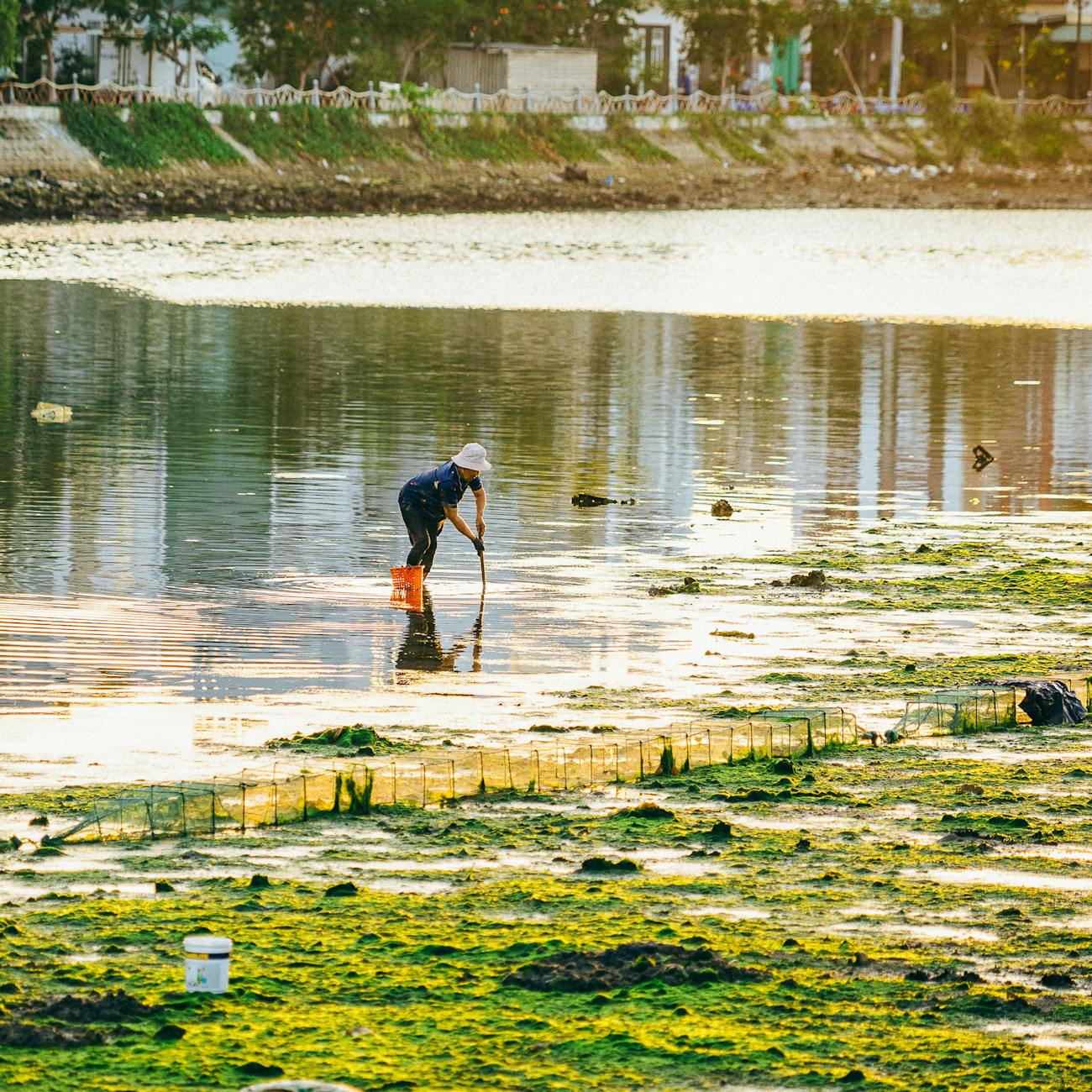
Mussel farming, also known as mussel aquaculture, involves the cultivation of mussels in controlled environments such as ropes or nets suspended in the water. This method allows for the efficient production of mussels while minimizing the impact on natural habitats.
Sustainability
Sustainability in mussel farming refers to the ability to produce mussels in a way that meets current needs without compromising the ability of future generations to meet their own needs. Sustainable practices aim to minimize environmental impact, conserve resources, and support the well-being of local communities.
Environmental Impact
The environmental impact of mussel farming includes both positive and negative effects on the ecosystem. Mussels can help improve water quality by filtering out pollutants and excess nutrients. However, intensive farming practices can lead to habitat degradation, nutrient runoff, and the introduction of invasive species.
Regulations
Regulations play a crucial role in ensuring that mussel farms operate in a sustainable manner. Government agencies and industry organizations set standards for water quality, site selection, stocking density, and harvesting practices to protect the environment and maintain the health of the mussels.
Best Management Practices
Best management practices (BMPs) are guidelines and strategies designed to optimize mussel farming operations while minimizing environmental impacts. BMPs may include proper site selection, regular monitoring of water quality, responsible feed management, and waste disposal protocols.
Site Selection
Site selection is a critical factor in the success of a mussel farm. Farms should be located in areas with adequate water flow, suitable depth, and minimal pollution. Proximity to urban areas, industrial facilities, or agricultural runoff can negatively impact water quality and mussel health.
Stocking Density
Stocking density refers to the number of mussels that can be safely grown in a given area. Overcrowding can lead to competition for food, increased stress, and higher mortality rates. It is essential to maintain an optimal stocking density to ensure the health and growth of the mussels.
Feed Management
Feed management involves providing mussels with a balanced diet to support their growth and health. Overfeeding can lead to excess waste, nutrient buildup, and water quality issues. Farmers must carefully monitor feeding practices to prevent environmental harm and maximize efficiency.
Waste Disposal
Waste disposal is a significant concern in mussel farming, as excess nutrients and organic matter can accumulate in the water and contribute to algal blooms and oxygen depletion. Proper waste management strategies, such as sediment traps and regular cleaning of gear, are essential to minimize pollution.
Shellfish Sanitation
Shellfish sanitation refers to the measures taken to ensure the safety and quality of mussels for human consumption. Monitoring water quality, controlling pathogens, and implementing strict harvesting and processing protocols are essential to prevent foodborne illnesses and maintain consumer confidence.
Community Engagement
Community engagement is vital in promoting sustainable mussel farming practices and fostering positive relationships with local stakeholders. Farmers can work with community members, environmental organizations, and government agencies to address concerns, share knowledge, and support sustainable development.
Climate Change
Climate change poses a significant threat to mussel farming due to rising sea temperatures, ocean acidification, and extreme weather events. Farmers must adapt to changing environmental conditions, implement resilience strategies, and support research efforts to mitigate the impacts of climate change on their operations.
Research and Innovation
Research and innovation play a crucial role in advancing sustainable mussel farming practices. Scientists, industry experts, and policymakers collaborate to develop new technologies, improve farming techniques, and address emerging challenges to ensure the long-term viability of the industry.
Challenges and Opportunities
Mussel sustainability practices face several challenges, such as regulatory compliance, climate variability, market demand, and social acceptance. However, these challenges also present opportunities for innovation, collaboration, and continuous improvement to build a more resilient and sustainable mussel farming sector.
Conclusion
Understanding key terms and vocabulary related to mussel sustainability practices is essential for aspiring mussel farmers to navigate the complex landscape of aquaculture and contribute to a more sustainable future for the industry. By incorporating best management practices, embracing innovation, and engaging with stakeholders, farmers can enhance the environmental, economic, and social benefits of mussel farming while preserving marine ecosystems for future generations.
Key takeaways
- In this course, we will explore key terms and vocabulary related to mussel sustainability practices to help you understand the importance of responsible farming methods.
- Mussel farming, also known as mussel aquaculture, involves the cultivation of mussels in controlled environments such as ropes or nets suspended in the water.
- Sustainability in mussel farming refers to the ability to produce mussels in a way that meets current needs without compromising the ability of future generations to meet their own needs.
- However, intensive farming practices can lead to habitat degradation, nutrient runoff, and the introduction of invasive species.
- Government agencies and industry organizations set standards for water quality, site selection, stocking density, and harvesting practices to protect the environment and maintain the health of the mussels.
- Best management practices (BMPs) are guidelines and strategies designed to optimize mussel farming operations while minimizing environmental impacts.
- Proximity to urban areas, industrial facilities, or agricultural runoff can negatively impact water quality and mussel health.