
Food Styling And Presentation
Expert-defined terms from the Advanced Skill Certificate in Food Content Creation course at London School of Planning and Management. Free to read, free to share, paired with a professional course.
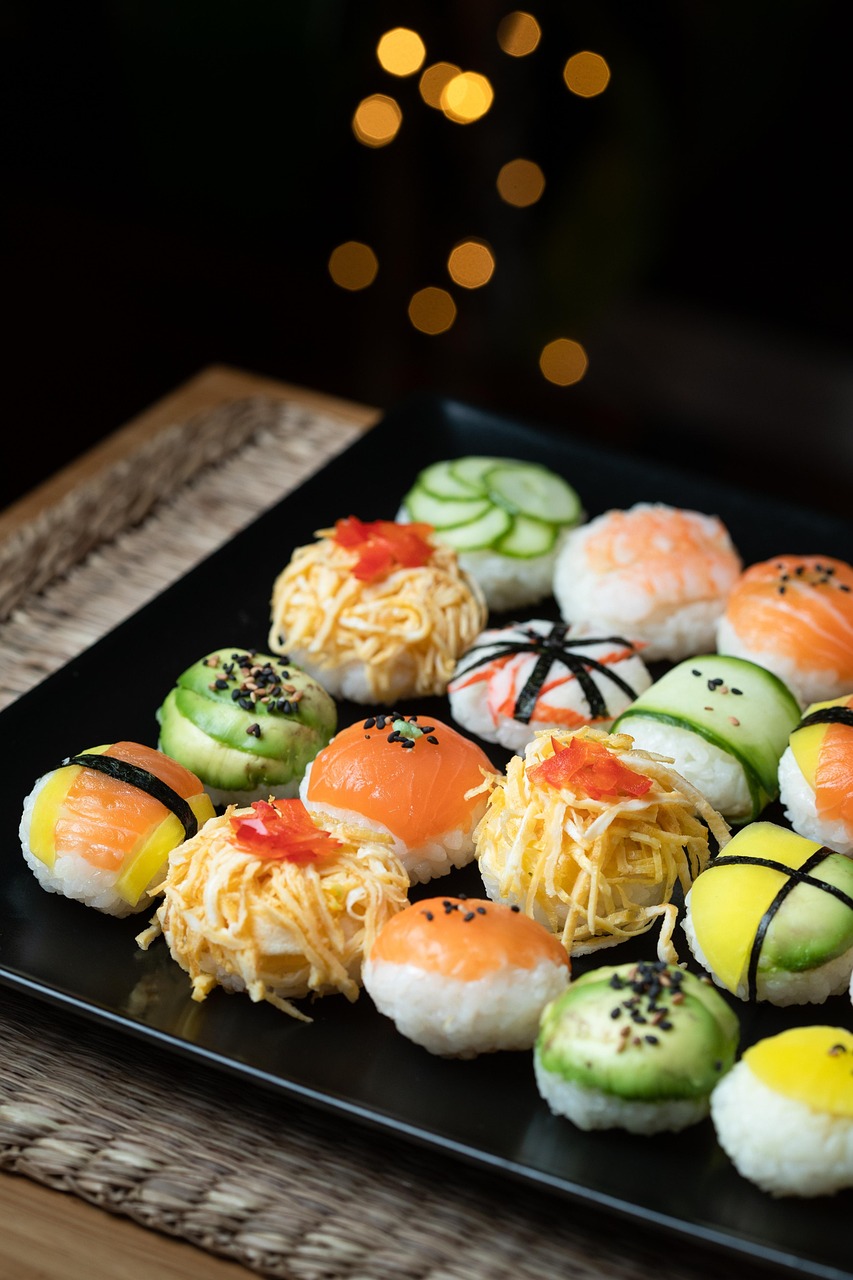
Aesthetic Balance – the visual equilibrium achieved when elements such as… #
Related terms: symmetry, asymmetry, visual weight. Explanation: A dish that looks balanced invites the viewer’s eye to explore without feeling crowded or empty. Example: Placing a bright orange carrot batons opposite a dark chocolate drizzle creates a pleasing contrast. Practical application: Before shooting, sketch the plate layout and adjust portions until the composition feels neither “top‑heavy” nor “bottom‑heavy”. Challenges: Different camera angles can shift perceived balance; what looks even from one side may appear lopsided from another.
Angle of View – the geometric position from which a photograph is taken,… #
Related terms: camera height, lens focal length, bird’s‑eye view. Explanation: A low angle can exaggerate height, while a high angle can flatten the scene. Example: Shooting a towering burger from a 30° upward angle heightens its stature. Practical application: Test multiple angles on set; note how shadows shift and how the food’s layers are revealed. Challenges: Certain angles may cause glare on glossy sauces or hide key ingredients behind the rim of a plate.
Backlighting – lighting the subject from behind to create a halo effect o… #
Related terms: rim lighting, silhouette, light diffusion. Explanation: When applied to watery or gelatinous foods, backlighting can accentuate translucency and color vibrancy. Example: Illuminating a glass of citrus‑infused water from behind the glass emphasizes the bright orange hue. Practical application: Use a small LED panel or natural window light placed opposite the camera, and adjust a diffuser to soften harsh edges. Challenges: Over‑exposure of the background, loss of detail in the foreground, and the need for precise exposure compensation.
Color Theory – the study of how colors interact, complement, or contrast… #
Related terms: complementary colors, analogous palette, color temperature. Explanation: Applying color theory helps stylists choose garnish and plateware that make the main ingredient pop. Example: Pairing a deep‑red beet puree with a cool‑blue ceramic bowl creates a striking contrast. Practical application: Create a color wheel chart for each shoot and select two to three dominant hues to avoid visual chaos. Challenges: Food pigments can change under different lighting, requiring on‑set color checks and possible post‑production adjustments.
Composition Rules – guidelines such as the rule of thirds, leading lines,… #
Related terms: rule of odds, negative space, visual hierarchy. Explanation: Following composition rules ensures the viewer’s eye is guided to the focal point, typically the star ingredient. Example: Positioning a sliced avocado at the intersection of the thirds grid draws immediate attention. Practical application: Activate the camera’s grid overlay and place key elements on intersecting points before shooting. Challenges: Rigid adherence can produce predictable images; skilled stylists often break rules intentionally for artistic effect.
Contrast – the difference between light and dark areas, or between colors… #
Related terms: high contrast, low contrast, tone mapping. Explanation: Strong contrast can highlight texture, while subtle contrast can convey elegance. Example: A glossy caramel drizzle on a matte chocolate cake provides high contrast that emphasizes sheen. Practical application: Adjust lighting ratios (key to fill) to achieve desired contrast; use reflectors to lift shadows if needed. Challenges: Excessive contrast may cause loss of detail in shadows or highlights, especially on glossy sauces.
Depth of Field (DoF) – the distance range in a photograph that appears ac… #
Related terms: aperture, bokeh, focus stacking. Explanation: A shallow DoF isolates the food from its background, drawing attention to texture and detail. Example: Using f/2.8 On a macro lens blurs the kitchen countertop while keeping a strawberry’s seed surface crisp. Practical application: Select a wide aperture for portrait‑style food shots; use a smaller aperture (higher f‑number) for flat‑lay spreads where all elements need clarity. Challenges: Maintaining focus on irregular surfaces; focus stacking may be required for complex dishes.
Direct Lighting – illumination that hits the subject head‑on, producing m… #
Related terms: softbox, key light, fill light. Explanation: Direct lighting reveals surface texture and color accuracy, useful for showcasing glossy sauces or crisp crusts. Example: A softbox placed 45° in front of a croissant highlights its flaky layers without harsh shadows. Practical application: Position the light source close to the camera axis, and use a diffuser to soften any harshness. Challenges: Can flatten three‑dimensional qualities, making the dish appear less dynamic; may require additional side lighting to re‑introduce depth.
Dishwashing Technique – the method of cleaning plates and utensils betwee… #
Related terms: food safety, plate preparation, stain removal. Explanation: Proper cleaning ensures that residual sauces or crumbs do not affect subsequent styling. Example: Rinsing a white porcelain plate with a gentle citrus‑based cleaner removes orange sauce stains before plating a dessert. Practical application: Keep a dedicated “clean” area with fresh plates; use a microfiber cloth for quick spot cleaning during shoots. Challenges: Time constraints during fast‑paced shoots; some pigments (e.G., Beet) can be stubborn, requiring specialized cleaners.
Emulsion – a stable mixture of two immiscible liquids, often oil and wate… #
Related terms: vinaigrette, mayonnaise, whisking. Explanation: Emulsified sauces provide a smooth, glossy surface that reflects light attractively. Example: A beurre blanc sauce coating a poached fish creates a lustrous sheen for photographic emphasis. Practical application: Use a whisk or immersion blender to achieve a uniform emulsion; test its stability before the shoot. Challenges: Emulsions can separate under heat or over time, requiring re‑whisking or a fresh batch for each shoot.
Exposure Compensation – adjusting the camera’s exposure settings to corre… #
Related terms: metering mode, histogram, EV. Explanation: Food with high reflectivity (e.G., Sugar crystals) may cause the camera to underexpose the rest of the scene. Example: Adding +0.5 EV when shooting a glossy glazed donut prevents the interior from appearing too dark. Practical application: Review the histogram after each shot; tweak exposure compensation in 1/3 EV steps as needed. Challenges: Rapid lighting changes in natural light environments may require frequent adjustments.
Food Styling Props – objects such as plates, utensils, fabrics, and backg… #
Related terms: mise en place, prop kit, texture layering. Explanation: Props set context, suggest scale, and add narrative depth to a food image. Example: Using a rustic wooden board and a linen napkin to frame a farmhouse‑style loaf conveys homeliness. Practical application: Curate a prop library organized by theme (e.G., Modern, vintage) and select items that complement the dish’s color palette. Challenges: Props can distract if overly ornate; they may also cast unwanted shadows or create color casts.
Food Safety – practices that prevent contamination and maintain the edibi… #
Related terms: hand washing, temperature control, cross‑contamination. Explanation: Even when food is not intended for consumption, safety standards protect the team and preserve ingredient integrity. Example: Keeping perishable items on a chilled surface while arranging a sushi platter prevents spoilage. Practical application: Use disposable gloves, sanitize surfaces before each shoot, and limit the time raw ingredients remain exposed. Challenges: Balancing aesthetic needs (e.G., Using fresh herbs) with safety constraints, especially in long‑duration shoots.
Food Texture – the tactile quality perceived through sight, such as crisp… #
Related terms: mouthfeel, visual texture, gloss. Explanation: Conveying texture visually helps the viewer imagine the eating experience. Example: Capturing a close‑up of a flaky pastry edge emphasizes its crispness. Practical application: Use side lighting to cast shadows that reveal surface irregularities; consider macro lenses for fine details. Challenges: Over‑exposure can flatten texture; motion (e.G., Steam) may blur details if shutter speed is too slow.
Focus Stacking – a technique of merging multiple images taken at differen… #
Related terms: bracketing, post‑processing, depth of field. Explanation: Essential for flat‑lay spreads where both foreground garnish and background elements must be in focus. Example: Shooting a salad bowl at three focus points (leaf, dressing, bowl rim) and blending them in software. Practical application: Use a tripod, set the camera to manual focus, and capture a series of shots with incremental focus shifts. Challenges: Requires careful alignment to avoid ghosting; moving elements (e.G., Leaves) can cause mismatches across frames.
Garnish – decorative elements added to a dish to enhance visual appeal an… #
Related terms: microgreens, edible flowers, sprinkles. Explanation: Garnishes should complement the dish’s color palette and not overwhelm the main component. Example: A few sprigs of fresh rosemary placed beside a roasted lamb chop adds a green accent. Practical application: Prepare garnishes in advance, keep them chilled, and apply them just before shooting to maintain freshness. Challenges: Garnishes can wilt quickly; some may introduce unwanted colors that clash under certain lighting.
Heat Mapping – using thermal imaging or visual cues to indicate temperatu… #
Related terms: thermal camera, temperature contrast, visual cue. Explanation: Demonstrating a hot‑cooked element next to a cool component can add drama and inform the viewer. Example: A steaming soup captured with a slight vapor halo contrasted against a chilled sorbet scoop. Practical application: Shoot in a controlled environment where steam can be captured without fogging the lens; use a macro lens with a polarizing filter to reduce glare. Challenges: Managing condensation on equipment; balancing lighting to retain steam visibility without overexposing the dish.
Human Scale – inclusion of familiar objects (hands, utensils) to convey t… #
Related terms: scale reference, contextual cue, hand model. Explanation: Viewers can better gauge portion size when a recognizable object is present. Example: A fork holding a bite‑sized taco indicates its dimensions and invites the viewer to imagine eating it. Practical application: Position the hand or utensil at a 45° angle to avoid obstructing key ingredients; use natural skin tones that complement the food’s colors. Challenges: Hands can cast shadows; skin tones may clash with the dish’s palette, requiring careful color balancing.
Lighting Ratio – the proportion between the key light (main source) and f… #
Related terms: key‑to‑fill ratio, contrast control, dynamic range. Explanation: Adjusting the ratio influences mood; a high ratio creates dramatic shadows, while a low ratio yields a flat, even look. Example: A 3:1 Ratio on a rustic loaf emphasizes texture, whereas a 1.5:1 Ratio on a delicate mousse softens shadows. Practical application: Use a light meter or camera’s histogram to measure light levels from each source, then adjust distance or power accordingly. Challenges: Changing the ratio on set may require repositioning multiple lights, which can be time‑consuming during tight shoots.
Macro Photography – close‑up imaging that captures fine details at a 1 #
1 (Or greater) magnification ratio. Related terms: extension tubes, close‑up lens, depth of field. Explanation: Ideal for highlighting intricate textures such as the pores of a ripe avocado or the granules of sea salt. Example: Photographing a single basil leaf at 10× magnification reveals its veiny structure. Practical application: Mount the camera on a sturdy tripod, use a remote trigger to avoid camera shake, and employ a small aperture to increase depth of field. Challenges: Limited working distance can cast shadows from the photographer’s hands; focus is extremely sensitive and may require focus stacking.
Negative Space – the empty area surrounding the main subject, used to cre… #
Related terms: white space, minimalism, visual breathing room. Explanation: Proper use of negative space prevents clutter and directs attention to the food. Example: A single slice of lemon placed on a plain gray plate with ample surrounding space draws the eye to the citrus. Practical application: Choose a neutral background and resist the urge to fill every corner with props. Challenges: Too much empty space can make the image feel barren; finding the right proportion requires experimentation.
Opacity – the degree to which a material blocks light; high opacity means… #
Related terms: translucent, transparent, light transmission. Explanation: Understanding opacity helps stylists decide when to backlight ingredients like gelatin or fruit slices. Example: A semi‑transparent jelly dessert allows a colored swirl to show through, creating visual intrigue. Practical application: Test lighting on a sample piece before full styling to gauge how much backlight is needed. Challenges: Inconsistent opacity across a batch can lead to uneven lighting results.
Palette Coordination – aligning the colors of food, plate, props, and bac… #
Related terms: color harmony, tone matching, visual branding. Explanation: A well‑coordinated palette reinforces brand identity and enhances aesthetic appeal. Example: Using pastel pink plates for a bakery’s macarons that share a similar hue palette. Practical application: Create a mood board with swatches before the shoot; adjust props or plate colors to match the dish’s dominant tones. Challenges: Natural food colors can shift under different lights, requiring on‑set color correction.
Perspective – the spatial relationship between the camera, subject, and v… #
Related terms: vanishing point, foreshortening, depth cues. Explanation: Changing perspective can either emphasize the height of stacked items or flatten a spread for a graphic look. Example: Shooting a towering burger from a low angle accentuates its layers, while a top‑down view flattens it for an Instagram grid. Practical application: Move the camera incrementally and review the effect on composition before final capture. Challenges: Extreme perspectives may distort proportions, making the dish appear unrealistic.
Plating Geometry – the arrangement of food elements based on shapes (circ… #
Related terms: golden ratio, visual flow, symmetry. Explanation: Structured geometry guides the viewer’s eye across the plate in a deliberate path. Example: Aligning three sushi pieces in an equilateral triangle creates a balanced visual anchor. Practical application: Use a ruler or invisible grid to position items precisely; repeat the pattern across multiple plates for consistency. Challenges: Over‑structuring can make the image feel rigid; a balance between order and organic placement is needed.
Post‑Production Editing – digital adjustments made after shooting, includ… #
Related terms: RAW processing, sharpening, color grading. Explanation: Editing refines the final image, ensuring colors match the food’s true appearance and removing distractions. Example: Enhancing the orange hue of a pumpkin soup while reducing a slight blue cast from the background lighting. Practical application: Shoot in RAW, use software to adjust white balance, exposure, and contrast; apply selective dodging and burning to highlight texture. Challenges: Over‑editing can lead to an unnatural look; maintaining authenticity while achieving visual impact requires restraint.
Prop Hygiene – cleaning and maintaining props to prevent contamination an… #
Related terms: sanitization, stain removal, material durability. Explanation: Clean props avoid transferring unwanted colors or flavors onto food and extend the lifespan of valuable items. Example: Wiping a wooden cutting board with a vinegar solution before using it for a fresh herb garnish. Practical application: Keep a cleaning station with suitable solvents for different materials (glass, metal, ceramic) and schedule regular maintenance. Challenges: Some finishes are sensitive to harsh cleaners; improper cleaning can damage surfaces or leave residues that affect food.
Reflector Use – employing reflective surfaces to bounce light onto shadow… #
Related terms: bounce light, silver reflector, diffuser. Explanation: Reflectors can illuminate the underside of a dish without adding a new light source. Example: Positioning a white foam board opposite a side light to lift shadows on a bowl of soup. Practical application: Adjust the angle and distance of the reflector until the desired light intensity is achieved; use a handheld reflector for quick tweaks. Challenges: Reflectors can introduce unwanted color casts if the surface is not neutral; careful placement is needed to avoid glare.
Rule of Odds – a compositional principle that suggests an odd number of i… #
Related terms: grouping, balance, visual interest. Explanation: Odd groupings naturally form a focal point, encouraging the viewer’s eye to settle in the center. Example: Arranging three slices of cheese in a triangular layout on a charcuterie board. Practical application: When preparing a spread, count the elements and aim for an odd total; if even, add a small garnish to achieve oddness. Challenges: Over‑loading the plate with too many items, even if odd, can still appear cluttered.
Shot List – a detailed plan outlining each photograph to be taken, includ… #
Related terms: pre‑production, storyboard, workflow. Explanation: A shot list ensures efficient use of time and resources, reducing the need for reshoots. Example: Listing “top‑down of breakfast bowl, side‑view of coffee steam, close‑up of granola texture.”
Practical application #
Create the list in a spreadsheet, assign responsibilities, and check off each item as it is completed. Challenges: Unexpected variables (e.G., Ingredient spoilage) may force on‑the‑fly adjustments; flexibility is essential.
Saturation – the intensity of a color; high saturation yields vivid hues,… #
Related terms: vibrancy, muted palette, color balance. Explanation: Adjusting saturation can make a dish appear more appetizing or sophisticated, depending on the brand style. Example: Boosting the saturation of a beet‑red sauce to emphasize its richness. Practical application: In post‑production, increase saturation selectively for key ingredients while keeping background tones low. Challenges: Over‑saturation can look unrealistic; natural food colors should remain believable.
Scale of Detail – the level of visual information captured, ranging from… #
Related terms: zoom level, resolution, pixel density. Explanation: Choosing the appropriate scale ensures the intended story is communicated; a macro shot tells a tactile story, while a wide shot conveys setting. Example: A 4K macro of a honey drizzle highlights its viscous flow, whereas a wide‑angle of a brunch table shows context. Practical application: Match the camera’s sensor capabilities to the desired output (e.G., Social media vs. Print) and select lenses accordingly. Challenges: High‑detail images require large file sizes and careful handling to avoid noise or artifacts.
Shallow Depth of Field – a photographic effect where only a narrow plane… #
Related terms: bokeh, aperture, selective focus. Explanation: This technique isolates the main food element, drawing attention and creating a professional look. Example: An f/1.8 Aperture on a portrait‑style shot of a single cupcake makes the frosting sharp while the plate recedes. Practical application: Use a prime lens with a wide maximum aperture and keep the focus point on the most appetizing part of the dish. Challenges: Maintaining focus on moving subjects (e.G., Steam) can be difficult; slight focus shifts may cause soft spots.
Soft Light – diffused illumination that reduces harsh shadows and creates… #
Related terms: diffuser, umbrella, light blanket. Explanation: Soft light is ideal for delicate items like soufflés or pastries where harsh contrast would obscure subtle textures. Example: A large softbox placed 2 ft from a vanilla custard adds a creamy glow without creating glare. Practical application: Position the diffuser between the light source and the subject, and adjust distance to control softness. Challenges: Too much diffusion can flatten three‑dimensional shape; balance is needed to preserve depth.
Styling Workflow – the sequence of steps from ingredient preparation to f… #
Related terms: pre‑prep, assembly, post‑shoot. Explanation: A systematic workflow improves consistency, reduces waste, and maximizes productivity. Example: 1) Pre‑cook components, 2) Chill plates, 3) Arrange garnish, 4) Light, 5) Shoot, 6) Clean. Practical application: Document each stage in a checklist; assign team members to specific tasks to keep the process moving smoothly. Challenges: Unexpected delays (e.G., Ingredient shortage) can disrupt the flow; contingency plans are essential.
Texture Contrast – juxtaposing foods with differing textures (crunchy vs #
Creamy) to enhance visual and sensory interest. Related terms: mouthfeel, visual contrast, layering. Explanation: Visible texture differences cue the viewer to anticipate a complex tasting experience. Example: A smooth avocado mousse topped with toasted pumpkin seeds creates a striking contrast. Practical application: Plan the plate so that contrasting textures are positioned side by side, not layered, for maximum visibility. Challenges: Ensuring both textures remain fresh and stable during the shoot; some textures (e.G., Whipped cream) can collapse quickly.
Vanilla Bean Extraction – the process of harvesting and using the aromati… #
Related terms: infusion, seed scraping, flavor profile. Explanation: Visible vanilla seeds add specks of black that enhance visual appeal and signal flavor richness. Example: Scraping the seeds into a custard base creates a speckled pattern that reads well on camera. Practical application: Use a sharp knife to split the pod lengthwise; scrape gently to avoid tearing the pod, which can cause messy fragments. Challenges: Over‑scraping can release excess moisture, diluting the sauce; careful handling preserves both flavor and appearance.
Visual Hierarchy – the ordering of visual elements to guide the viewer’s… #
Related terms: focal point, lead‑in, scale. Explanation: By establishing hierarchy, the photographer ensures the star ingredient dominates the frame. Example: A bright red raspberry placed centrally above a neutral‑toned cake naturally draws the eye. Practical application: Use size, color, and placement to rank elements; larger, brighter items should occupy primary positions. Challenges: Competing colors or shapes can disrupt hierarchy; simplifying the scene often restores focus.
White Balance – the camera setting that adjusts colors to appear natural… #
Related terms: color temperature, Kelvin, auto WB. Explanation: Correct white balance prevents unwanted color casts (e.G., Yellow from tungsten lights). Example: Setting white balance to 5600 K under daylight ensures the green of a salad remains true. Practical application: Use a gray card on set, take a reference shot, and calibrate the camera’s white balance accordingly. Challenges: Mixed lighting (e.G., Natural window plus flash) may require custom Kelvin adjustments or post‑production correction.
Wrap‑Around Lighting – a technique where light encircles the subject, oft… #
Related terms: ring flash, halo lighting, uniform illumination. Explanation: Wrap‑around lighting creates even coverage, ideal for glossy pastries where shadows can hide surface detail. Example: A 14‑inch LED ring light positioned around a chocolate truffle reveals its smooth sheen. Practical application: Mount the ring light on a boom arm to keep it out of the frame; adjust intensity to avoid overexposure. Challenges: Ring lights can produce a distinct catch‑light in reflective surfaces that may look artificial; diffusing the light can mitigate this.
Y‑Axis Tilt – rotating the camera upward or downward around the vertical… #
Related terms: pitch, tilt shift, angle of elevation. Explanation: Slight upward tilts can make layered dishes appear taller, while downward tilts compress height. Example: Tilting the camera 15° upward when photographing a multi‑layered parfait accentuates each layer’s separation. Practical application: Use a tripod head with tilt controls; lock in small degree changes and review the impact on composition. Challenges: Excessive tilt can distort proportions, making the dish look unrealistic; subtle adjustments are key.
Z‑Axis Focus – the focus plane aligned with the camera’s depth axis, dete… #
Related terms: focus plane, depth focus, focus stacking. Explanation: Precise Z‑axis focus ensures the most appetizing part of the dish (often the front edge) is crisp. Example: Focusing on the front edge of a sliced apple tart while allowing the background to gently blur. Practical application: Use manual focus and magnify the live view to fine‑tune focus on the desired Z‑axis point. Challenges: Moving subjects (e.G., Steam) can shift the focal plane during exposure; a higher shutter speed may be required.