
Recycled Plastics in Automotive Manufacturing
Expert-defined terms from the Advanced Skill Certificate in Recycled Plastics for Automotive Sector course at London School of Planning and Management. Free to read, free to share, paired with a professional course.
Acrylonitrile Butadiene Styrene (ABS) – A thermoplastic polymer known for… #
Related terms: thermoplastic, impact modifier, injection molding. Used in interior panels, dashboard trims, and protective covers. Its recyclability is enhanced by segregation from other polymers and removal of metal fasteners. Challenges: Sensitivity to heat during re‑processing can cause degradation; color matching with virgin ABS may require pigment adjustments.
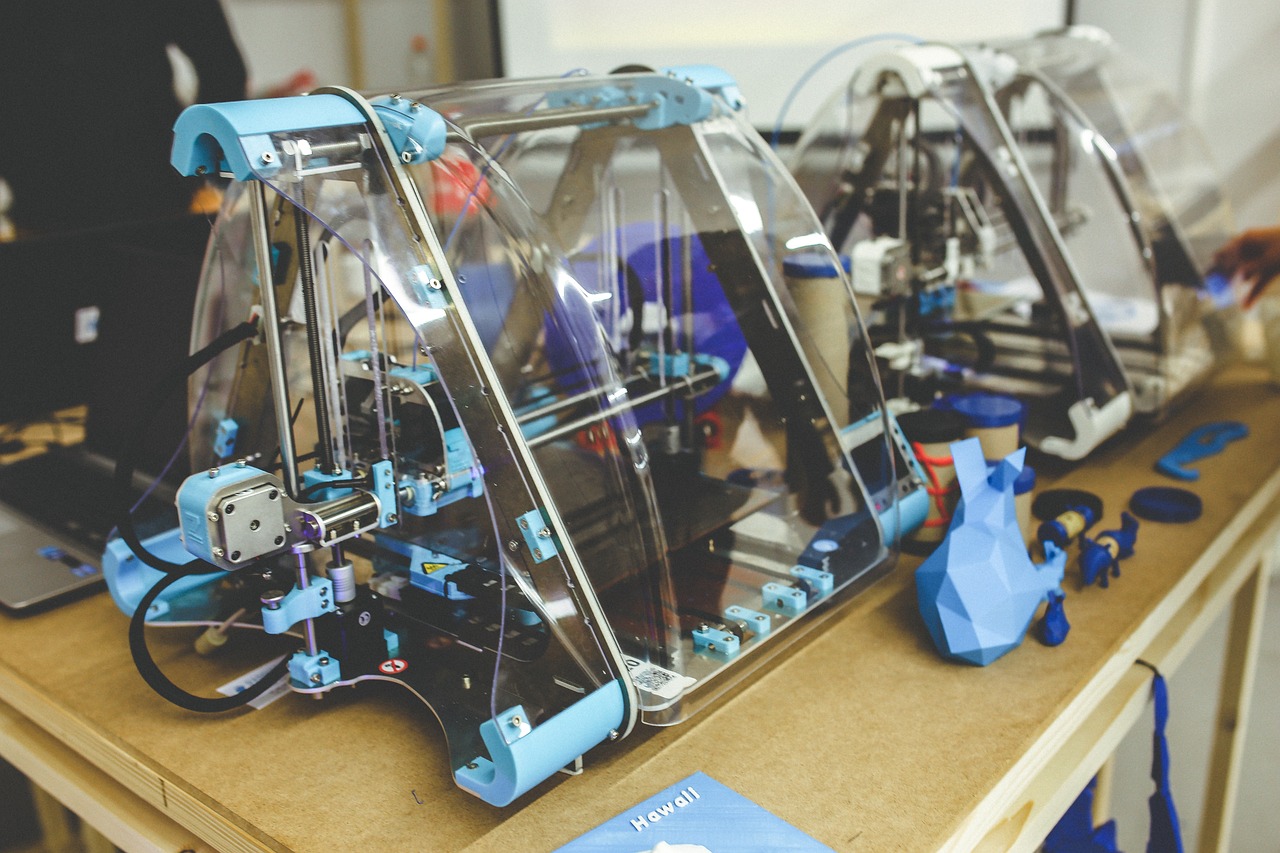
Additive Manufacturing – Layer‑by‑layer fabrication of components using r… #
Related terms: 3D printing, fused deposition modeling, material extrusion. Practical application: Prototype brackets made from recycled polyethylene terephthalate (rPET) to test fit before mass production. Challenges: Ensuring consistent filament quality, managing anisotropic mechanical properties, and achieving automotive‑grade surface tolerances.
Aliphatic Polyesters – Biodegradable polymers such as polybutylene succin… #
Related terms: bio‑based plastics, compostable, hydrolysis. Used for interior components where end‑of‑life composting is desired, reducing landfill burden. Challenges: Lower thermal resistance compared to conventional engineering plastics; may require blending with more durable recycled polymers.
Amorphous Polymer – Polymers lacking a crystalline structure, giving them… #
Related terms: glass transition temperature, optical clarity, impact resistance. Recycled amorphous polymers such as rPET are employed in lighting lenses and instrument panels. Challenges: Tendency to absorb moisture, which can affect dimensional stability during molding.
Automotive Lightweighting – Strategy to reduce vehicle mass to improve fu… #
Related terms: mass reduction, carbon footprint, fuel economy. Recycled plastics replace metal or virgin polymer parts, achieving up to 30 % weight savings in certain sub‑assemblies. Challenges: Meeting crash‑worthiness standards while using recycled material with variable mechanical properties.
Barrier Layer – Thin film that limits permeation of gases, moisture, or c… #
Related terms: multilayer packaging, EVOH, nanocomposite. In automotive fuel tanks, recycled multilayer films incorporating a barrier layer protect against vapor loss. Challenges: Maintaining barrier performance after multiple recycling cycles; cost of re‑processing multilayer structures.
Blend Ratio – Proportion of two or more polymer streams in a recycled mix… #
Related terms: compatibilizer, phase separation, property tuning. Optimizing the blend ratio of recycled polypropylene (rPP) with recycled polyethylene (rPE) can balance stiffness and impact resistance for bumper components. Challenges: Precise control of feedstock composition; need for real‑time monitoring to avoid off‑spec batches.
Carbon Fiber Reinforced Polymer (CFRP) – Composite material combining car… #
Related terms: reinforcement, epoxy resin, high‑strength. Recycled CFRP, obtained by recovering fibers from end‑of‑life components, is used in structural brackets and suspension arms. Challenges: Fiber length reduction during recycling lowers mechanical performance; costly fiber recovery processes.
Closed‑Loop Recycling – Process where post‑consumer plastic is reprocesse… #
Related terms: circular economy, material loop, in‑vehicle recycling. Example: Reclaimed interior trim panels are shredded, cleaned, and re‑injected to produce new trim panels, maintaining part functionality. Challenges: Contamination control, degradation of polymer chains, and maintaining aesthetic standards.
Compounding – Mixing of recycled polymer granules with additives to achie… #
Related terms: masterbatch, extrusion, melt blending. A typical compounding recipe for recycled polyamide (rPA) may include a nucleating agent, UV stabilizer, and a compatibilizer to improve flow. Challenges: Ensuring homogeneous dispersion of additives; avoiding excessive shear that can cause further polymer breakdown.
Compatibilizer – Additive that enhances interfacial adhesion between diss… #
Related terms: maleic anhydride grafted polypropylene (MA‑g‑PP), reactive extrusion, interphase. Used when blending recycled polyethylene terephthalate (rPET) with recycled polypropylene (rPP) to produce a hybrid material for under‑body shields. Challenges: Selecting the correct type and dosage; potential impact on melt viscosity and processing temperature.
Cradle‑to‑Gate – Assessment boundary covering raw material extraction to… #
Related terms: life‑cycle assessment, environmental impact, carbon accounting. In the context of recycled plastics, a cradle‑to‑gate analysis quantifies the energy savings from using post‑consumer streams versus virgin resin production. Challenges: Data collection for heterogeneous waste streams; accounting for transportation emissions.
De‑contamination – Removal of foreign substances (e #
G., Oils, adhesives, metal fragments) from collected plastic waste. Related terms: wash line, solvent cleaning, residue removal. Effective de‑contamination is essential for producing automotive‑grade recycled polypropylene that meets surface finish specifications. Challenges: High water usage, disposal of cleaning solvents, and ensuring complete removal of contaminants that could affect downstream processing.
Downcycling – Conversion of a high‑value plastic into a lower‑value appli… #
Related terms: value loss, secondary market, waste hierarchy. An example is turning high‑performance recycled polycarbonate into generic non‑structural interior clips. Challenges: Economic pressure to avoid downcycling; developing technologies that retain material performance.
ECO‑Design – Design approach that considers environmental impacts through… #
Related terms: design for recycling, material selection, end‑of‑life planning. Designers may specify snap‑fit connections that eliminate screws, facilitating easier separation of metal and plastic for recycling. Challenges: Balancing functional requirements with recyclability constraints; need for cross‑functional collaboration.
EVA (Ethylene‑Vinyl Acetate) – Copolymer used for vibration damping and s… #
Related terms: foam, impact absorber, low‑temperature flexibility. Recycled EVA foam is employed in door seals and acoustic insulation panels. Challenges: Maintaining foam cell structure after grinding; susceptibility to oxidation during re‑processing.
Extrusion – Continuous process where melted polymer is forced through a d… #
Related terms: single‑screw, twin‑screw, melt flow index. Recycled polymer pellets are extruded into sheets for use in interior panel laminates. Challenges: Controlling melt temperature to avoid degradation; managing volatile emissions from recycled material.
Fiber Length Distribution – Measure of the range of fiber lengths present… #
Related terms: attrition, grinding, aspect ratio. Shorter fibers in recycled glass‑fiber reinforced plastics can reduce tensile strength of the final part. Challenges: Optimizing grinding parameters to retain sufficient fiber length while achieving clean separation.
Flame Retardant (FR) – Additive that reduces flammability of polymer comp… #
Related terms: halogenated, inorganic FR, UL‑94 rating. Recycled polypropylene used for engine covers may be blended with a phosphorus‑based FR to meet automotive fire standards. Challenges: FR additives can affect mechanical properties and recyclability; regulatory pressure to limit halogenated FRs.
Glass Transition Temperature (Tg) – Temperature at which an amorphous pol… #
Related terms: thermal analysis, DSC, viscoelastic behavior. Knowledge of Tg is crucial when selecting recycled polymers for interior components that must retain shape at elevated cabin temperatures. Challenges: Recycled polymers may exhibit broader Tg ranges due to heterogeneity, complicating processing windows.
Granulation – Process of converting shredded plastic into uniform granule… #
Related terms: pelletizing, size classification, melt filtration. Granulated recycled polycarbonate ensures consistent feedstock for injection molding of headlamp lenses. Challenges: Avoiding contamination cross‑contamination; controlling moisture content to prevent hydrolysis.
High‑Impact Polystyrene (HIPS) – Rigid polymer with added rubber particle… #
Related terms: styrenic, toughening, automotive interior. Recycled HIPS is commonly used for instrument panel inserts and decorative trims. Challenges: Maintaining uniform rubber particle dispersion after re‑processing; susceptibility to UV degradation without stabilizers.
Hybrid Material – Combination of two or more distinct polymer types or po… #
Related terms: co‑extrusion, multi‑layer, tailored properties. A hybrid of recycled polypropylene and recycled nylon can provide both stiffness and wear resistance for gear housings. Challenges: Predicting interfacial behavior; ensuring compatible processing temperatures.
Injection Molding – Manufacturing technique where molten polymer is injec… #
Related terms: cold runner, hot runner, cycle time. Most recycled automotive parts, such as clips, brackets, and consoles, are produced via injection molding due to high repeatability. Challenges: Maintaining consistent melt viscosity; managing weld line formation that can be more pronounced with recycled feedstock.
Life‑Cycle Assessment (LCA) – Quantitative analysis of environmental impa… #
Related terms: carbon footprint, impact categories, ISO 14040. An LCA comparing virgin polyamide with recycled polyamide demonstrates a reduction of up to 30 % in greenhouse‑gas emissions for the same part. Challenges: Data availability for mixed waste streams; allocating impacts when multiple recycling pathways exist.
Mechanical Recycling – Physical processes such as shredding, washing, and… #
Related terms: primary recycling, secondary recycling, re‑processing. Mechanical recycling is the dominant route for automotive‑grade recycled polypropylene. Challenges: Polymer chain scission leading to lower molecular weight; degradation of color and additives.
Nanocomposite – Material where nanoscale fillers (e #
G., Clay, graphene) are dispersed within a polymer matrix. Related terms: exfoliation, barrier enhancement, reinforcement. Recycled polyethylene nanocomposites can provide improved gas barrier properties for fuel system components. Challenges: Achieving uniform dispersion of nanofillers in recycled polymer; health and safety considerations for nanoparticle handling.
Odor Neutralization – Treatment to remove volatile organic compounds (VOC… #
Related terms: adsorption, activated carbon, deodorizing agents. Odor-neutralized recycled PVC is suitable for interior panels where passenger comfort is paramount. Challenges: Ensuring long‑term stability of neutralization agents; additional processing steps increase cost.
Polyamide (PA) – Engineering thermoplastic known for high strength, heat… #
Related terms: nylon, amide bonds, automotive under‑hood. Recycled PA from end‑of‑life fuel lines is used to manufacture new under‑hood casings, reducing the need for virgin resin. Challenges: Moisture absorption leading to dimensional changes; maintaining tensile strength after multiple recycling loops.
Polyethylene (PE) – Broad family of polymers ranging from low‑density (LD… #
Related terms: polyolefin, melt flow index, impact modifier. Recycled HDPE is employed for battery trays and protective covers due to its chemical resistance. Challenges: Segregation of different PE grades; controlling density variations that affect mechanical performance.
Polyethylene Terephthalate (PET) – Polyester widely used for beverage bot… #
Related terms: rPET, glycolysis, bottle-to-car. Recycled PET can be injection‑molded into transparent lens covers, offering weight reduction compared to glass. Challenges: Hydrolytic degradation during processing; achieving optical clarity comparable to virgin PET.
Polypropylene (PP) – Versatile polyolefin with good chemical resistance a… #
Related terms: random copolymer, isotactic PP, automotive interior. Recycled PP is the workhorse for interior clips, battery casings, and exterior trim due to its balance of rigidity and impact resistance. Challenges: Maintaining melt flow consistency; potential for yellowing if stabilizers are insufficient.
Polyurethane (PU) – Polymer used for flexible foams, coatings, and adhesi… #
Related terms: polyol, isocyanate, elastomeric. Recycled PU foam is reclaimed from seat cushions and repurposed as acoustic insulation panels. Challenges: Chemical recovery of polyols is complex; foams may contain fire‑retardant additives that affect re‑use.
Polyvinyl Chloride (PVC) – Rigid or flexible polymer containing chlorine;… #
Related terms: plasticizer, PVC‑free, halogenated. Recycled PVC can be re‑extruded into profiles for door panels, provided that plasticizer migration is controlled. Challenges: Chlorine release during processing; strict regulations on PVC content in automotive interiors.
Post‑Consumer Recycled (PCR) Content – Percentage of material in a part t… #
Related terms: recycled content, recycled‑by‑weight, sustainability claim. A bumper cover may contain 45 % PCR polypropylene, contributing to corporate carbon‑reduction targets. Challenges: Verifying PCR percentages through certification; variability in source material quality.
Pre‑Consumer Recycled (PCR) Content – Material reclaimed from manufacturi… #
Related terms: post‑industrial, scrap re‑use, waste minimization. Recycled polyamide from off‑cut molding chips is reused for non‑critical engine components. Challenges: Limited availability of homogenous scrap streams; need for in‑process quality monitoring.
Process Optimization – Systematic adjustment of parameters to improve yie… #
Related terms: DOE, statistical process control, lean manufacturing. Implementing real‑time melt temperature monitoring can reduce polymer degradation in recycled PP processing. Challenges: Integrating sensors into existing equipment; training personnel to interpret data.
Recycling Code – Symbolic number (1‑7) indicating polymer type for sortin… #
Related terms: resin identification, waste segregation, material identification. Code 5 denotes polypropylene; knowing the code helps collection programs target high‑value automotive waste streams. Challenges: Mis‑identification by consumers; mixed‑code waste complicates downstream processing.
Recycled Content Verification – Audit or certification process confirming… #
Related terms: third‑party audit, traceability, compliance. The International Automotive Task Force (IATF) requires documented proof of recycled content for components claiming >30 % PCR. Challenges: Establishing chain‑of‑custody for fragmented waste streams; cost of certification.
Regrind – Small particles generated by grinding scrap or rejected parts,… #
Related terms: re‑processing, melt filtration, scrap loops. Regrind from rejected interior panels can be blended with virgin resin to reduce overall material cost. Challenges: Accumulation of contaminants and degraded polymer chains; need for periodic melt filtration.
Regulatory Compliance – Adherence to standards governing material safety,… #
Related terms: EU‑ELV, REACH, FMVSS. Automotive parts containing recycled plastics must meet the EU End‑of‑Life Vehicle directive limits for heavy metals. Challenges: Staying current with evolving legislation; performing extensive testing for each new recycled formulation.
Residue Removal – Elimination of non‑polymer materials such as adhesives,… #
Related terms: sorting, magnetic separation, optical sorting. Effective residue removal ensures that recycled polycarbonate meets optical clarity specifications for headlamp lenses. Challenges: High‑throughput sorting equipment requires significant capital investment; some residues are difficult to detect.
Rheology – Study of flow behavior of polymer melts under shear and temper… #
Related terms: viscosity, shear thinning, melt index. Rheological data guide the selection of screw design for twin‑screw extruders processing recycled polyolefins. Challenges: Recycled polymers often show broader rheological windows, complicating process set‑points.
Secondary Market – Commercial sector that purchases recycled plastics for… #
Related terms: downcycling, material brokerage, waste valorization. When automotive demand for a specific recycled grade drops, excess material may be sold to construction firms for pipe manufacturing. Challenges: Price volatility; maintaining consistent quality for external customers.
Shot Weight – Mass of material injected into a mold during a single moldi… #
Related terms: clamping force, cycle time, part consistency. Accurate shot weight calculation is critical when using recycled polypropylene with a lower melt density to avoid flash formation. Challenges: Variations in pellet density from recycled batches require frequent recalibration.
Sustainability Index – Metric that aggregates environmental, social, and… #
Related terms: triple bottom line, ESG, material scorecard. A high sustainability index for recycled polyamide may justify premium pricing for eco‑focused vehicle models. Challenges: Developing standardized weighting factors; ensuring transparent data sources.
Thermal Degradation – Chemical breakdown of polymer chains due to excessi… #
Related terms: chain scission, discoloration, molecular weight loss. During extrusion of recycled PET, temperatures above 280 °C can cause significant loss of intrinsic viscosity, reducing strength. Challenges: Monitoring temperature profiles; employing stabilizers without compromising recyclability.
Thermoplastic Elastomer (TPE) – Material that exhibits rubber‑like elasti… #
Related terms: styrenic block copolymer, TPU, flexible sealing. Recycled TPE is used for vibration‑damping mounts and flexible hose connectors. Challenges: Maintaining elastomeric properties after multiple re‑grind cycles; potential for hardening due to cross‑linking.
Traceability – Ability to track material origins, processing steps, and f… #
Related terms: digital twin, blockchain, batch numbering. Implementing RFID tags on bales of recycled polypropylene enables manufacturers to verify source and certify PCR content. Challenges: Integration costs; data security concerns.
Ultra‑High‑Molecular‑Weight Polyethylene (UHMWPE) – Polyethylene with ext… #
Related terms: abrasion resistance, low friction, high impact. Recycled UHMWPE can be compression‑molded into liners for high‑stress suspension components. Challenges: Difficulty in processing due to high viscosity; limited availability of recycled UHMWPE streams.
Vulcanization – Chemical cross‑linking process traditionally applied to r… #
Related terms: sulfur cure, peroxide cure, cross‑link density. Recycled rubber from automotive tires may be vulcanized again to produce durable floor mats. Challenges: Controlling cross‑link uniformity; ensuring that recycled material meets the required hardness specifications.
Waste Hierarchy – Prioritization framework that favors reduction, reuse,… #
Related terms: 3Rs, circular economy, waste management. Automotive manufacturers aim to keep plastic waste within the recycling loop, moving it up the hierarchy toward higher‑value uses. Challenges: Achieving high collection rates; aligning supplier contracts with hierarchy goals.
Yield – Ratio of usable recycled material obtained from a given amount of… #
Related terms: recovery rate, process efficiency, material balance. A well‑optimized sorting line may achieve a 85 % yield for recycled PP, meaning 85 kg of usable resin per 100 kg of incoming waste. Challenges: Losses due to contamination, moisture, and degradation; balancing yield with quality specifications.
Zinc‑Based Flame Retardant – Halogen‑free FR system using zinc compounds… #
Related terms: environmentally friendly, UL‑94 V‑0, automotive interior. Incorporated into recycled polypropylene for dashboard components to meet stringent fire‑safety standards. Challenges: Potential impact on mechanical properties; cost considerations compared with traditional FR additives.